

The Great Memory Squeeze: How AI Killed 140 Million Smartphones
AI's hunger for RAM triggers worst smartphone decline in decade. Shipments drop 12.9% as prices surge 14%. The memory wars reshape mobile forever.
140 million smartphones just vanished from this year's production plans. Not because of a pandemic, trade war, or economic crash. Because ChatGPT and its AI siblings are hoarding all the memory.
IDC dropped the bombshell yesterday: global smartphone shipments will plummet 12.9% in 2026, marking the steepest decline in over a decade. The culprit? AI data centers are gobbling up RAM faster than factories can produce it, leaving smartphone makers scrambling for scraps.
When AI Eats Your Phone's Brain
"This isn't a temporary dip—it's a structural reset," warns Nabila Popal, IDC's senior research director. The numbers tell a brutal story: smartphone shipments dropping from 1.26 billion to 1.12 billion units, while average prices rocket 14% to a record $523.
Nothing's CEO Carl Pei put it bluntly: "Brands face a simple choice—raise prices by 30% or more, or downgrade specs." The "more specs for less money" playbook that built entire companies? Dead and buried.
The casualties are already mounting. Entry and mid-tier segments could shrink by 20% or more. The Middle East and Africa face shipment drops exceeding 20%. China and Asia-Pacific aren't spared either, with declines of 10.5% and 13.1% respectively.

The $500 Smartphone Becomes Reality
Remember when a decent smartphone cost $200? Those days are over. The memory crisis is forcing a brutal market consolidation—smaller players are exiting, budget brands are gasping, and premium pricing is becoming the norm across all tiers.
Samsung and Apple might weather this storm better than most, but even they're not immune. Their supply chains are feeling the pinch, and their pricing strategies need fundamental rethinking.
The real losers? Consumers in developing markets who relied on affordable devices. The democratization of smartphone technology just hit a massive speed bump.
The 18-Month Wait
IDC predicts memory prices won't stabilize until mid-2027. That's 18 months of this new reality—higher prices, fewer choices, longer upgrade cycles.
But here's the twist: this crisis might accelerate innovation in unexpected ways. Manufacturers are already exploring alternative memory technologies, more efficient chip designs, and modular architectures that could reshape the industry long-term.
Authors
Related Articles
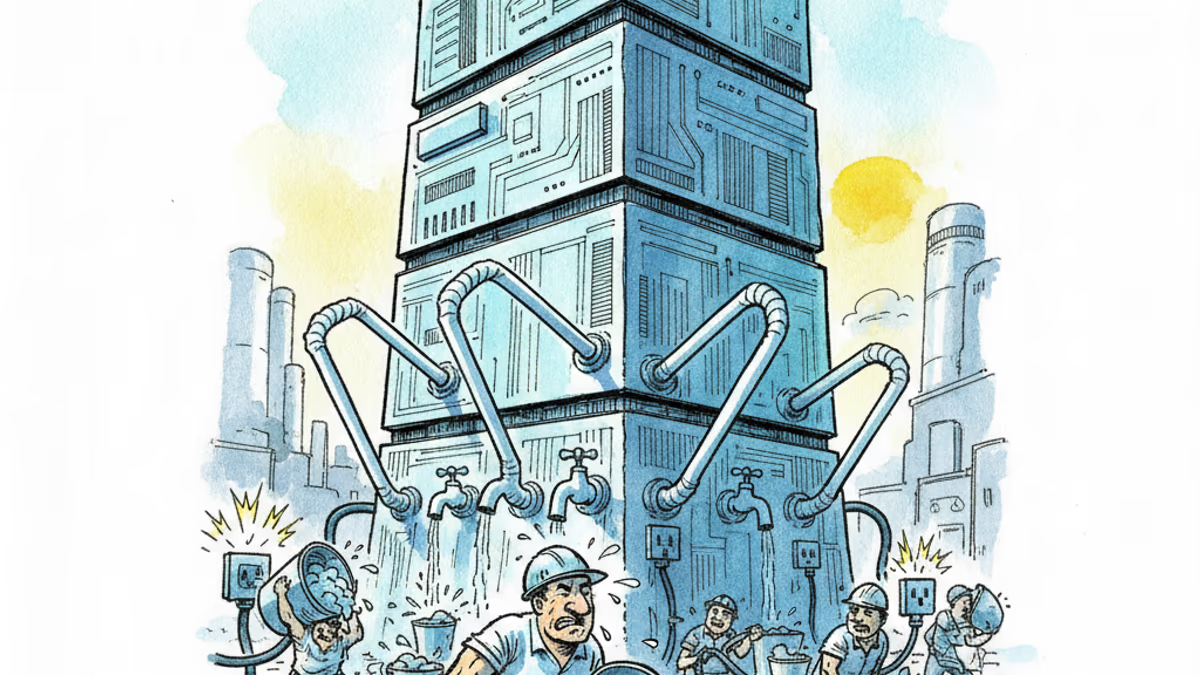
Samsung and SK unveiled a chip and AI investment package worth thousands of trillions of won on June 29. The headline number swings wildly by outlet, but the real contest isn't capital — it's water and power.

Viral videos show 2026 graduates jeering executives who praise AI at commencement ceremonies. It's not just rudeness — it's a signal about who pays for technological optimism.

Filipino virtual assistants using AI to ghost-manage LinkedIn profiles for executives is now a structured industry. 30 comments a day, fake engagement rings, and a platform struggling to tell real from fabricated.

Two commencement speakers learned the hard way that AI enthusiasm doesn't land well with today's graduates. The backlash reveals a widening gap between tech optimism and Gen Z's economic reality.
Samsung and SK unveiled a chip and AI investment package worth thousands of trillions of won on June 29. The headline number swings wildly by outlet, but the real contest isn't capital — it's water and power.
Viral videos show 2026 graduates jeering executives who praise AI at commencement ceremonies. It's not just rudeness — it's a signal about who pays for technological optimism.
Filipino virtual assistants using AI to ghost-manage LinkedIn profiles for executives is now a structured industry. 30 comments a day, fake engagement rings, and a platform struggling to tell real from fabricated.
Two commencement speakers learned the hard way that AI enthusiasm doesn't land well with today's graduates. The backlash reveals a widening gap between tech optimism and Gen Z's economic reality.
Thoughts
Share your thoughts on this article
Sign in to join the conversation