
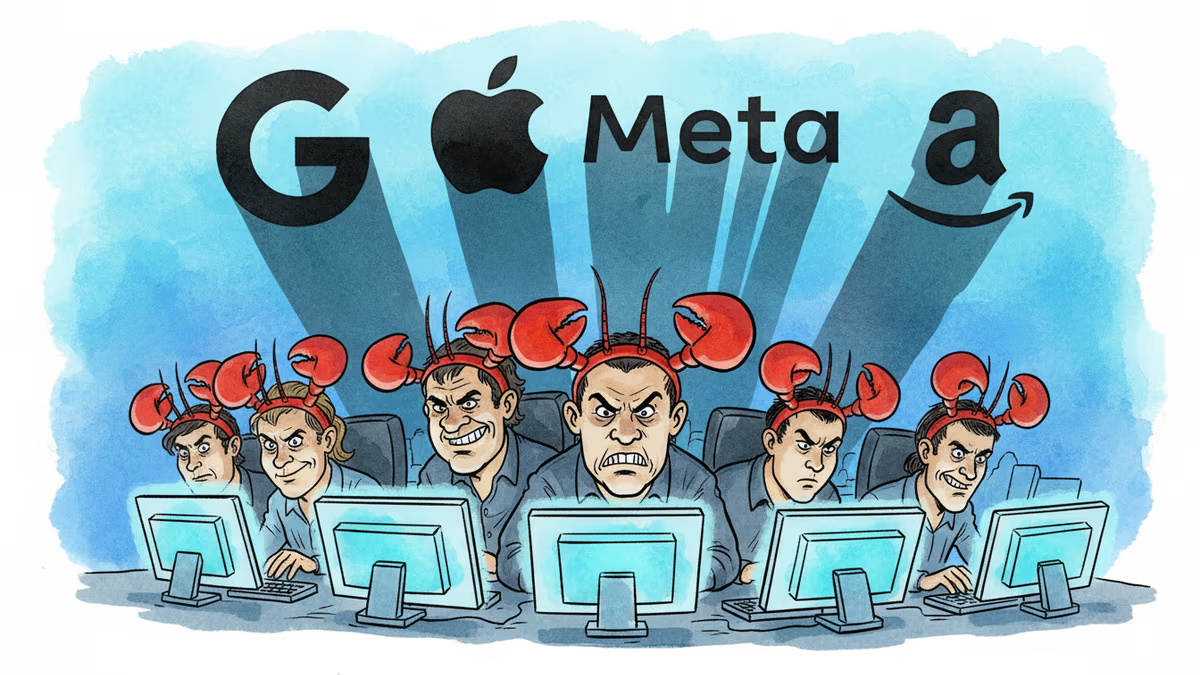
Why Developers Are Wearing Lobster Hats for AI
Hundreds gathered at ClawCon to celebrate OpenClaw, an open-source AI platform challenging Big Tech's closed models. A look at the growing developer revolt.
A woman in a plush lobster headdress sat guard at the entrance of a Manhattan event venue, handing out wristbands to hundreds of developers who'd come to celebrate something unusual: an AI assistant that anyone can peek inside, modify, and truly own.
Welcome to ClawCon, where the tech world's growing frustration with Big Tech's black-box AI has found its mascot in OpenClaw, the open-source platform that's everything ChatGPT and Claude are not.
Three Months, Three Names, One Mission
Peter Steinberger's creation has been through more rebrands than a struggling startup—Clawdbot, then Moltbolt, now OpenClaw. But the identity crisis makes sense. When you're building the antithesis of closed AI systems, finding the right name for a revolution takes time.
Launched in November 2025, OpenClaw does what the AI giants won't: it opens everything. Source code, training data, model weights—the whole enchilada. While OpenAI, Google, and Anthropic lock their models behind APIs and corporate policies, OpenClaw says "here's the recipe, go cook."
The Developer Uprising
The pink and purple lighting at ClawCon wasn't just aesthetic—it reflected a mood. Developers are tired of being tenants in someone else's AI house. "We've been paying rent to use AI we can't understand or control," said one startup CTO wearing a lobster claw headband. "OpenClaw gives us the deed."
But the celebration isn't universal. Skeptics point to the graveyard of ambitious open-source projects that burned through enthusiasm faster than venture capital. "Open doesn't mean free," warned an AI researcher. "Someone's paying for those servers, and when the bills come due, idealism meets reality."

Big Tech's Nervous Laughter
Publicly, the AI giants applaud open-source initiatives. Privately? That's trillions of dollars in infrastructure being given away for free. A Meta engineer, speaking off the record at ClawCon, admitted the cognitive dissonance: "My company talks about open AI, but we're all watching projects like this very carefully."
The presence of Big Tech employees at ClawCon—many wearing company badges alongside lobster accessories—reveals the internal tension. They built the systems they're now questioning.
The Sustainability Question
Here's what the lobster hats can't hide: OpenClaw needs a business model that doesn't exist yet. Traditional open-source software runs on laptops and servers. AI models need massive compute resources that cost real money every second they're running.
Some attendees proposed hybrid models—open-source code with paid hosting services. Others suggested community funding, like a Patreon for AI. But nobody had a bulletproof answer to the fundamental question: how do you keep the lights on when your product is free?
Beyond the Hype
The real test for OpenClaw isn't technical—it's cultural. Can a community of developers maintain something as complex as a modern AI system? Can they compete with teams of thousands of engineers backed by unlimited budgets?
Early signs are promising. The ClawCon demo stage showcased dozens of community contributions—new features, language support, specialized models for niche use cases. The diversity of applications suggests something Big Tech struggles with: innovation from the edges.
Authors
Related Articles
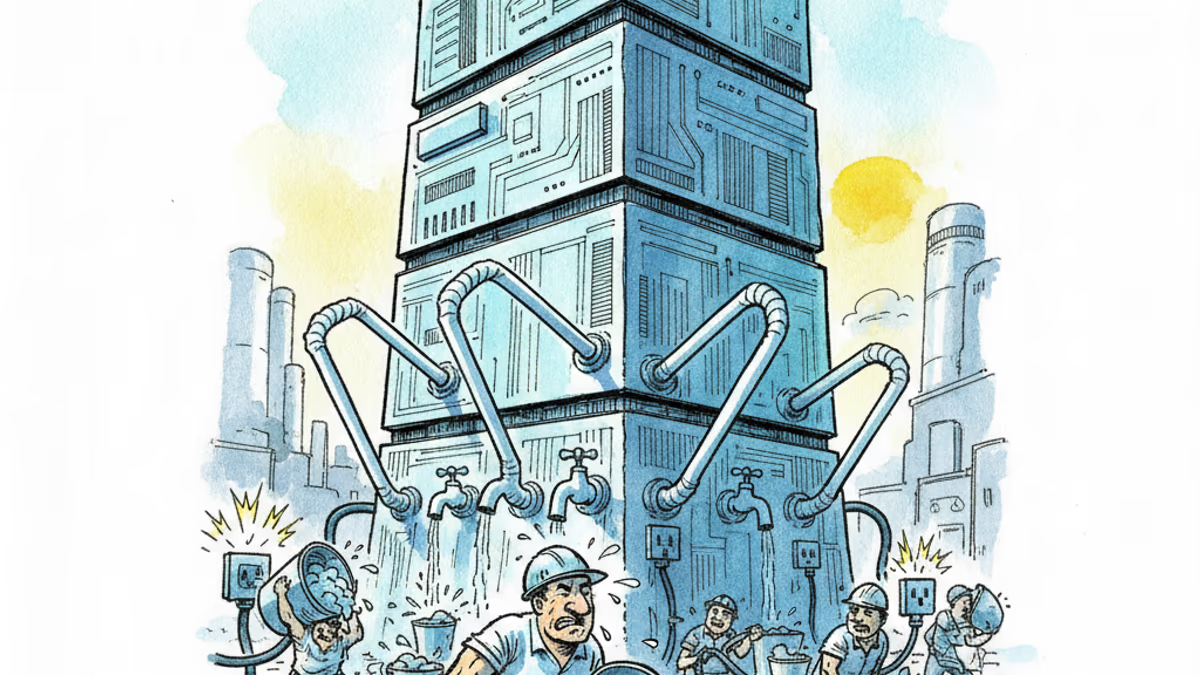
Samsung and SK unveiled a chip and AI investment package worth thousands of trillions of won on June 29. The headline number swings wildly by outlet, but the real contest isn't capital — it's water and power.
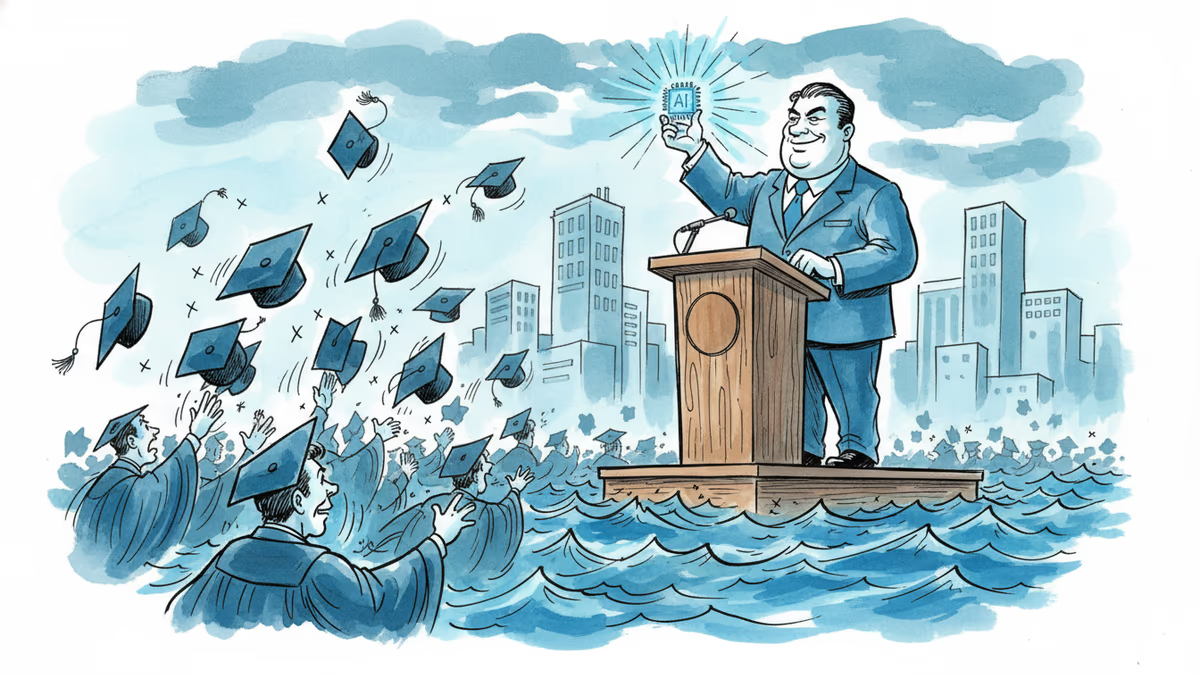
Viral videos show 2026 graduates jeering executives who praise AI at commencement ceremonies. It's not just rudeness — it's a signal about who pays for technological optimism.

Filipino virtual assistants using AI to ghost-manage LinkedIn profiles for executives is now a structured industry. 30 comments a day, fake engagement rings, and a platform struggling to tell real from fabricated.
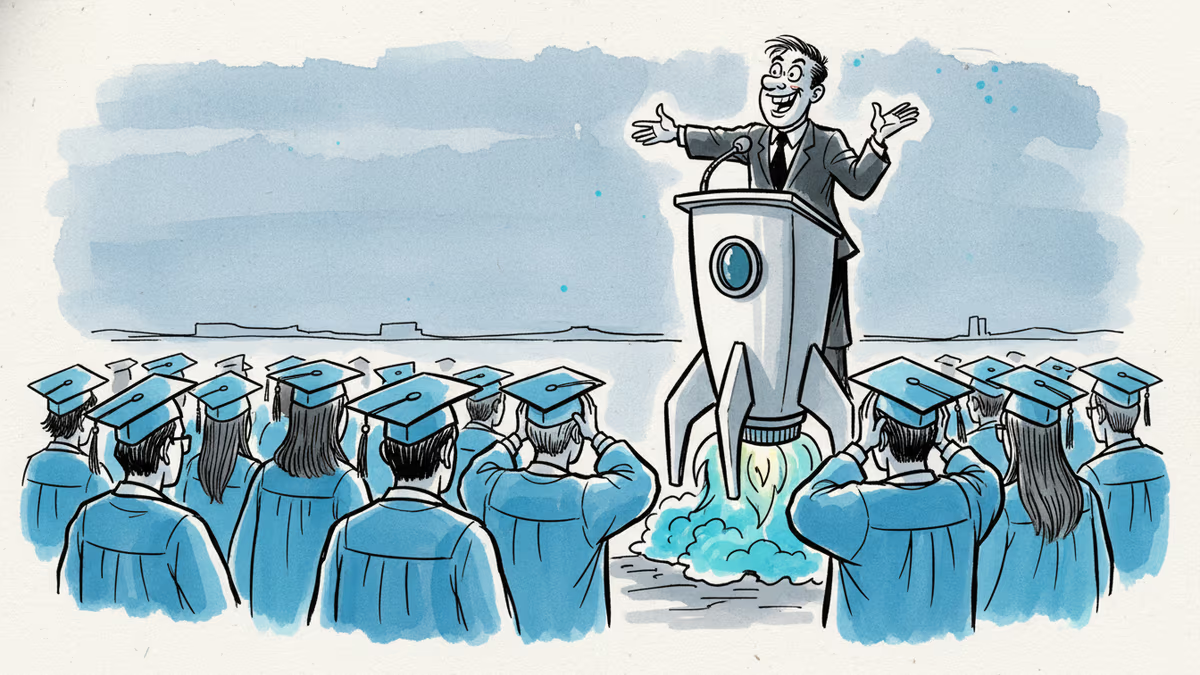
Two commencement speakers learned the hard way that AI enthusiasm doesn't land well with today's graduates. The backlash reveals a widening gap between tech optimism and Gen Z's economic reality.
Samsung and SK unveiled a chip and AI investment package worth thousands of trillions of won on June 29. The headline number swings wildly by outlet, but the real contest isn't capital — it's water and power.
Viral videos show 2026 graduates jeering executives who praise AI at commencement ceremonies. It's not just rudeness — it's a signal about who pays for technological optimism.
Filipino virtual assistants using AI to ghost-manage LinkedIn profiles for executives is now a structured industry. 30 comments a day, fake engagement rings, and a platform struggling to tell real from fabricated.
Two commencement speakers learned the hard way that AI enthusiasm doesn't land well with today's graduates. The backlash reveals a widening gap between tech optimism and Gen Z's economic reality.
Thoughts
Share your thoughts on this article
Sign in to join the conversation