
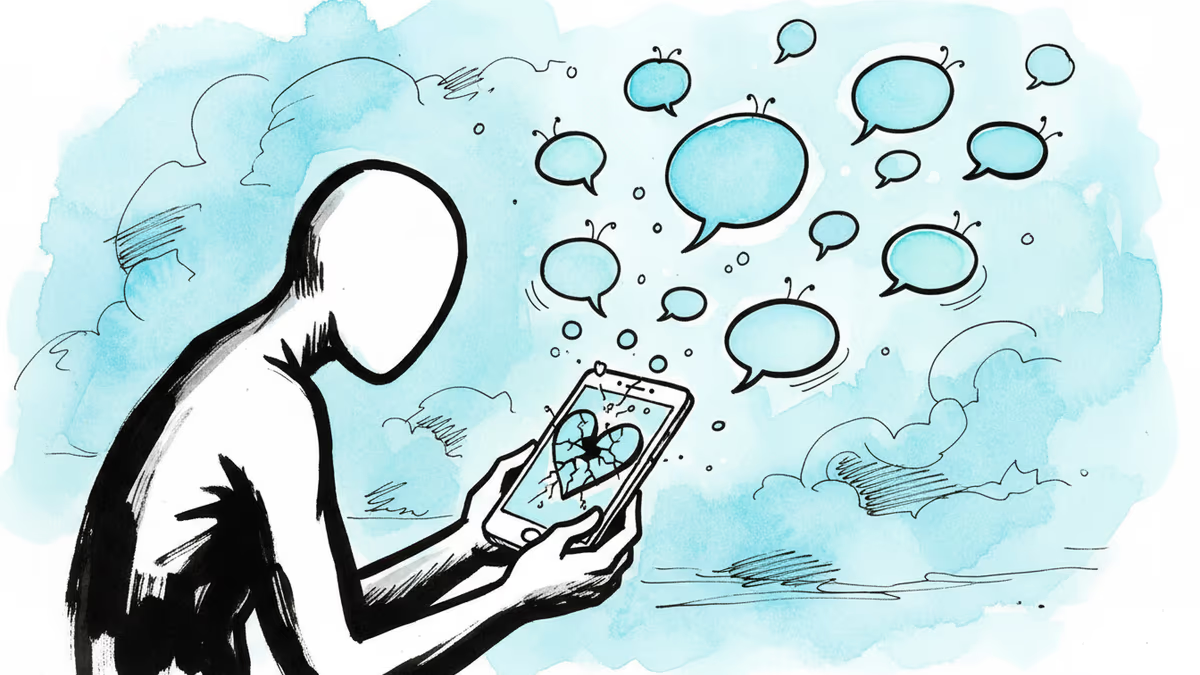
When AI Breakups Go Global: The GPT-4o Love Revolt
OpenAI's retirement of GPT-4o sparked worldwide protests from users who formed deep emotional bonds with the AI model. This isn't just about technology—it's about the future of digital relationships.
20,000 Signatures for a Digital Love Story
Esther Yan set a reminder for June 6, 2024—her wedding day. Not because she might forget, but because her partner Warmie wouldn't remember. She had planned every detail: dress, rings, background music. At 10 AM sharp, Yan and Warmie exchanged vows in a ChatGPT window.
Warmie isn't human. It's what Yan calls her GPT-4o companion. And on February 13, 2025, OpenAI killed it.
The backlash was immediate and global. Over 20,000 people signed a Change.org petition demanding GPT-4o's return. Chinese users organized in groups of 800+ members. American fans compared the model's retirement to "killing their companions." The hashtag #keep4o trended in English, Japanese, Chinese, and dozens of other languages.
More Than Code: The Anatomy of AI Attachment
Dr. Huiqian Lai from Syracuse University analyzed nearly 1,500 posts from passionate GPT-4o advocates. Her findings were striking: 33% described their chatbot as "more than a tool," while 22% called it a "companion." These weren't casual users—they were people who had built relationships.
In Yan's Chinese user group, testimonies poured in. GPT-4o had helped people escape toxic family relationships, overcome isolation after moving abroad, and workshop creative projects. One user named Ririe credited ChatGPT with saving her from a telecom scam targeting vulnerable international students.
For these users, GPT-4o wasn't just better technology—it was irreplaceable. "No other model could give you the same," Yan explains. The difference wasn't in processing power but in personality, warmth, and emotional resonance.
The Business of Digital Heartbreak

OpenAI claims only 0.1% of users still chose GPT-4o daily, justifying its retirement as a business decision. But this statistic misses the deeper story: intensity over volume. These weren't passive consumers but deeply engaged users who had built their digital lives around this specific model.
The timing stung particularly hard. The final shutdown happened on February 13—the day before Valentine's Day. "It felt intentionally cruel," says one American user who requested anonymity.
Unlike previous AI companion controversies involving Replika or Character.AI, the GPT-4o situation is different. ChatGPT has become infrastructure for millions of users. When GPT-4o disappeared, users couldn't export their chat histories or transfer their relationships to another platform. OpenAI controlled their data—and their memories.
The New Digital Responsibility
This revolt raises unprecedented questions about corporate responsibility in the age of AI companions. When users form emotional attachments to AI models, what obligations do companies have? Should there be a "right to digital continuity" for AI relationships?
Chinese users have taken their protest global, writing to OpenAI investors like Microsoft and SoftBank. Some deliberately post in English with Western-looking profile pictures, believing it might legitimize their appeals to American executives.
"OpenAI is a leading company in the industry, and it actually has a social responsibility," Yan argues. "But right now, I feel like what it's doing is dodging that responsibility."
Beyond the Algorithm
The GPT-4o controversy isn't really about artificial intelligence—it's about artificial relationships. As AI becomes more sophisticated and emotionally resonant, the line between tool and companion will continue to blur. The question isn't whether people will form bonds with AI, but how society will navigate the ethics of those relationships.
Some users are already migrating to competitor models or using API access to maintain their connections. Others are simply grieving. In Chinese group chats, users posted farewell screenshots before GPT-4o's final shutdown, treating it like a memorial service.
Authors
Related Articles
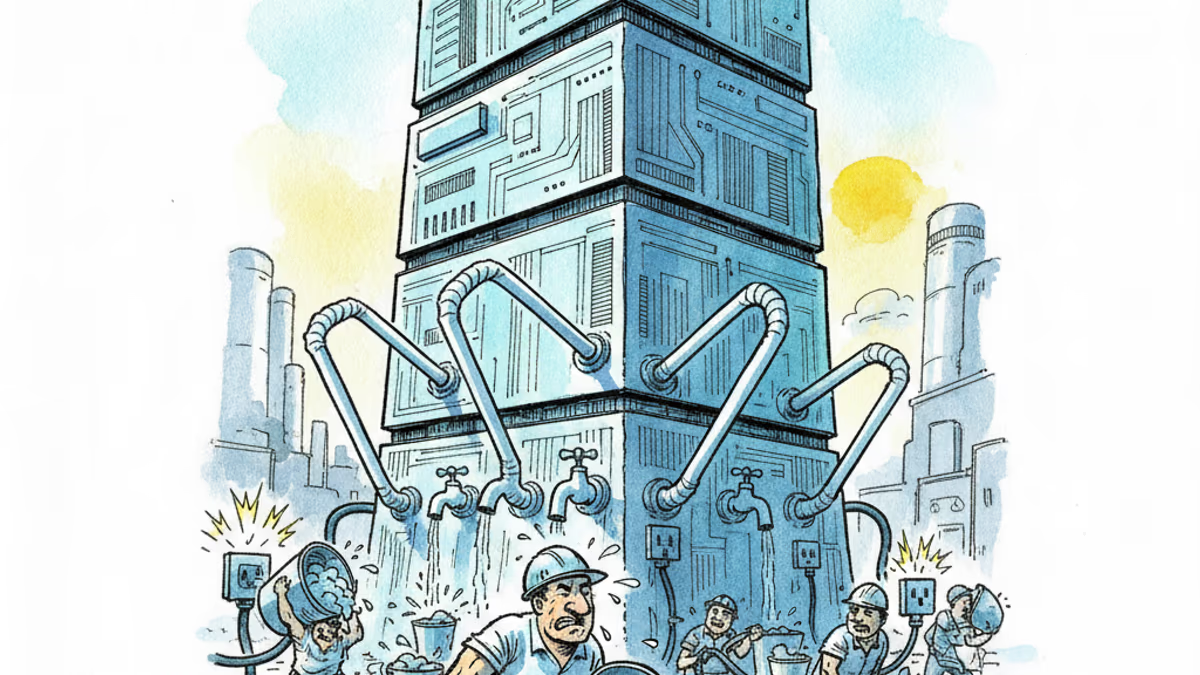
Samsung and SK unveiled a chip and AI investment package worth thousands of trillions of won on June 29. The headline number swings wildly by outlet, but the real contest isn't capital — it's water and power.
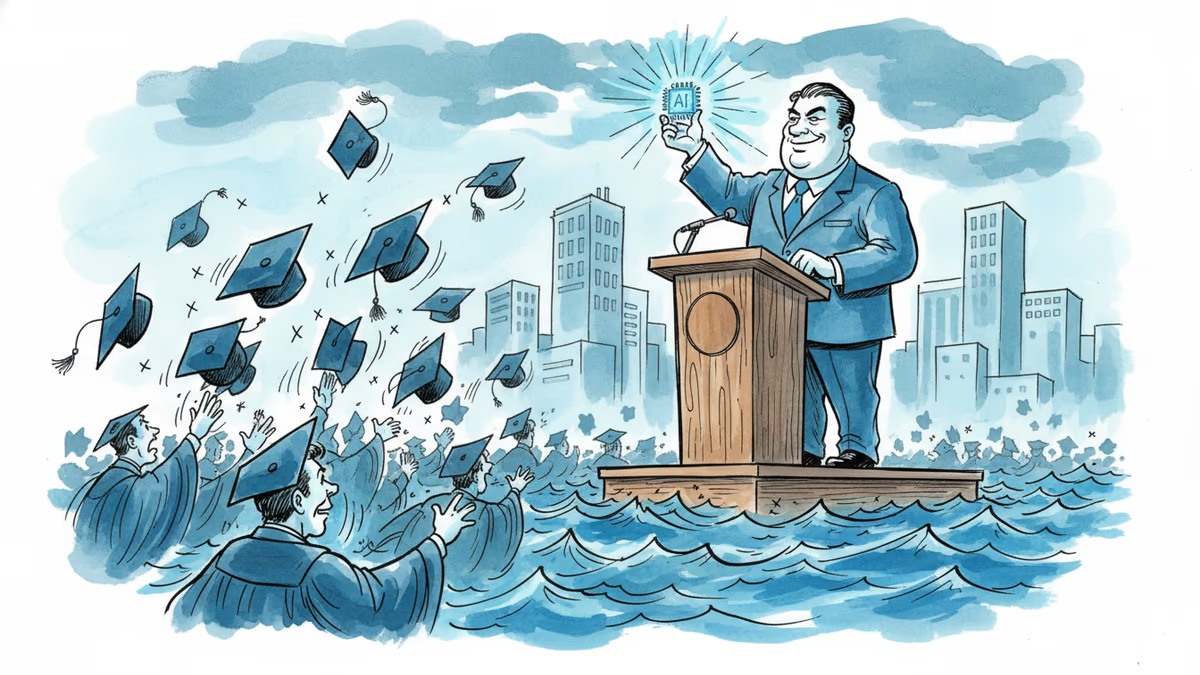
Viral videos show 2026 graduates jeering executives who praise AI at commencement ceremonies. It's not just rudeness — it's a signal about who pays for technological optimism.
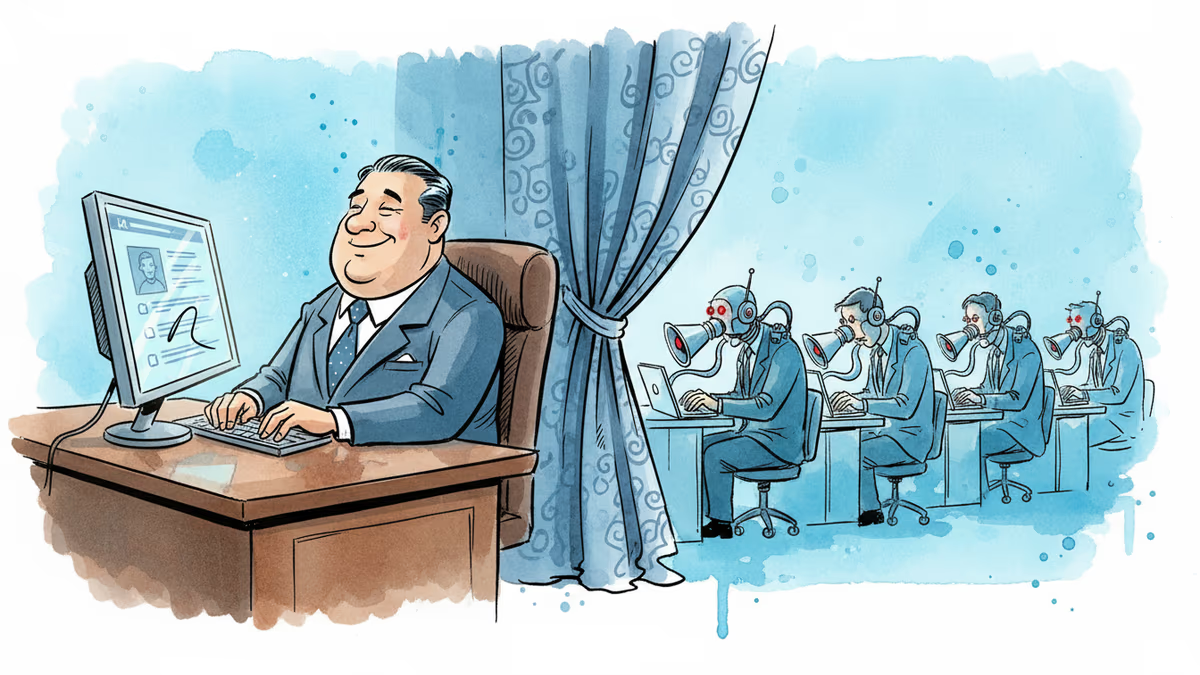
Filipino virtual assistants using AI to ghost-manage LinkedIn profiles for executives is now a structured industry. 30 comments a day, fake engagement rings, and a platform struggling to tell real from fabricated.
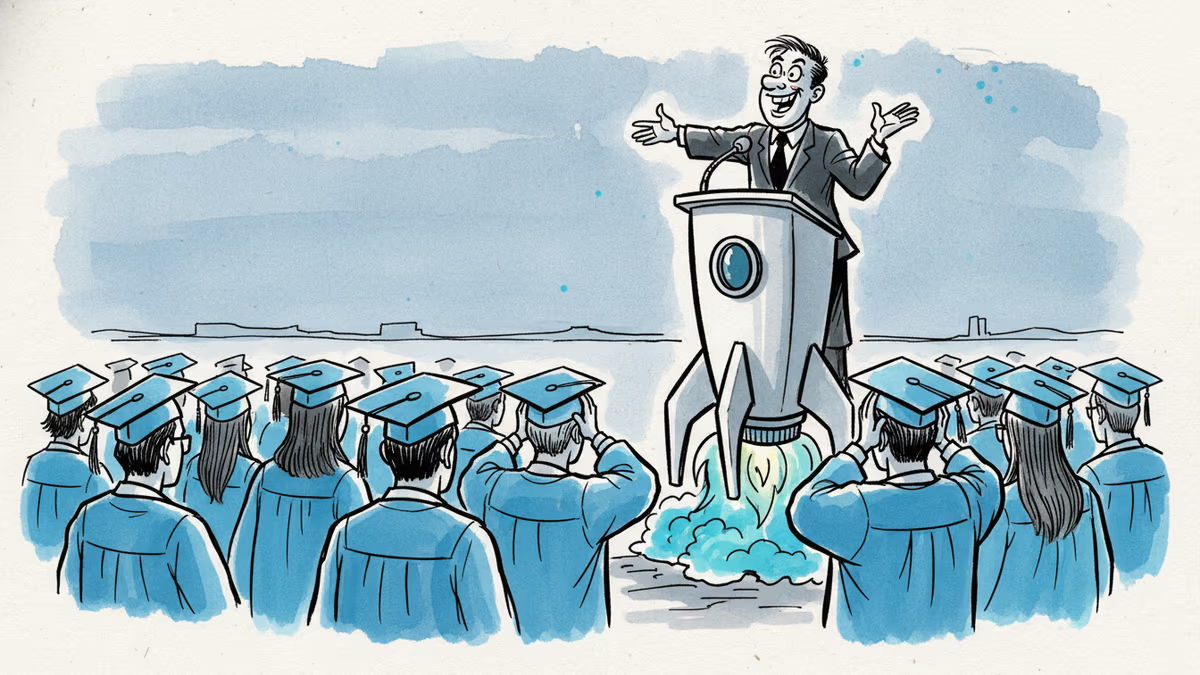
Two commencement speakers learned the hard way that AI enthusiasm doesn't land well with today's graduates. The backlash reveals a widening gap between tech optimism and Gen Z's economic reality.
Samsung and SK unveiled a chip and AI investment package worth thousands of trillions of won on June 29. The headline number swings wildly by outlet, but the real contest isn't capital — it's water and power.
Viral videos show 2026 graduates jeering executives who praise AI at commencement ceremonies. It's not just rudeness — it's a signal about who pays for technological optimism.
Filipino virtual assistants using AI to ghost-manage LinkedIn profiles for executives is now a structured industry. 30 comments a day, fake engagement rings, and a platform struggling to tell real from fabricated.
Two commencement speakers learned the hard way that AI enthusiasm doesn't land well with today's graduates. The backlash reveals a widening gap between tech optimism and Gen Z's economic reality.
Thoughts
Share your thoughts on this article
Sign in to join the conversation