
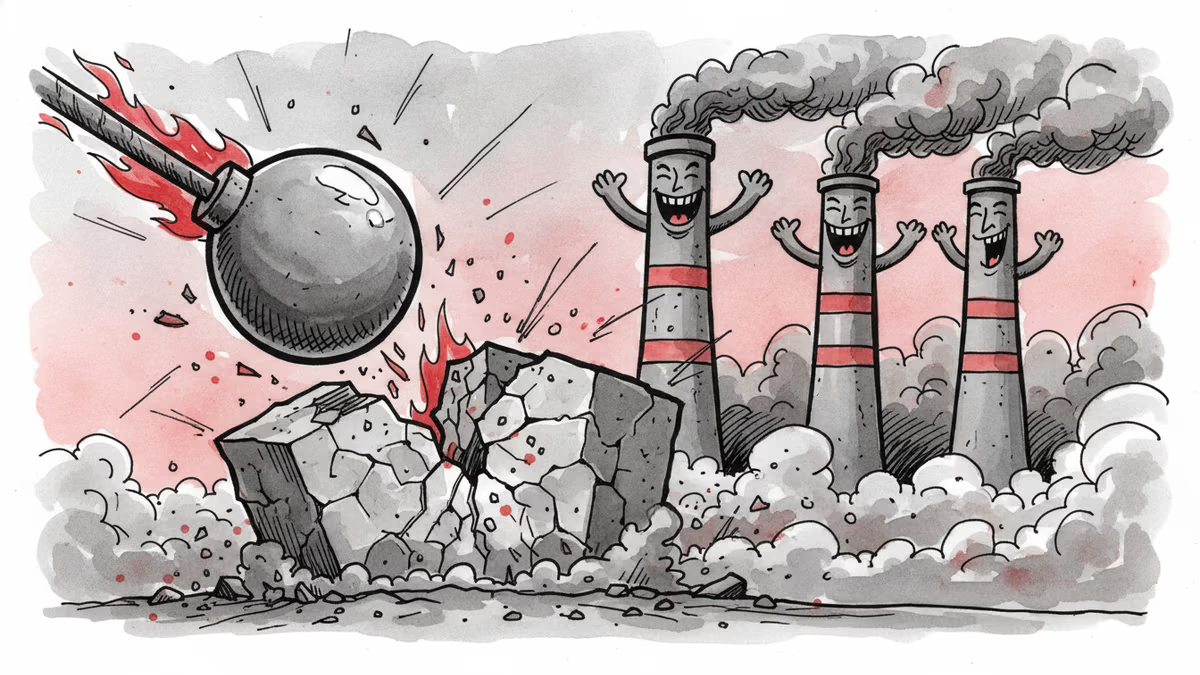
Trump Guts 16-Year Climate Rule Foundation
Trump administration eliminates EPA's endangerment finding that enabled greenhouse gas regulations since 2009, potentially reshaping climate policy across all sectors
The 16-year foundation of US climate policy just crumbled overnight
The Trump administration finalized the elimination of the "endangerment finding" on February 11th – the scientific determination that has allowed the EPA to regulate greenhouse gases under the Clean Air Act since 2009. Rather than dismantling climate rules one by one, Trump chose to pull the master switch.
This isn't just regulatory rollback; it's architectural demolition. The endangerment finding established that greenhouse gases "endanger public health and welfare" – the legal cornerstone for everything from car emission standards to power plant regulations. Without it, the EPA loses its authority to limit climate pollution across the economy.
The move came as part of Trump's broader overhaul of tailpipe pollution standards, but its implications stretch far beyond the automotive sector.
Automakers: Celebration meets confusion
Detroit's traditional automakers are breathing easier. Ford and GM stocks jumped 3-5% following the announcement, with executives privately celebrating the end of Biden's aggressive fuel economy standards.
"We can finally focus on what consumers actually want," said one industry insider, referring to the continued American appetite for trucks and SUVs. The Big Three have long argued that rapid electrification mandates were unrealistic and costly.
But the EV sector tells a different story. Tesla's stock dipped 2% as investors worried about reduced federal support for electric vehicle adoption. Startups like Rivian and Lucid Motors, which built their business models around tightening emissions standards, now face a more challenging landscape.
European automakers operating in the US – BMW, Mercedes, Volkswagen – find themselves in an awkward position. They've invested billions in EV infrastructure expecting continued regulatory pressure, only to see the policy rug pulled out from under them.
Energy sector: Coal's last stand?
Coal companies are having their best week in years. Shares of Arch Resources and Peabody Energy surged 8-12% as investors bet on extended lifespans for coal plants previously slated for closure.
The National Mining Association called it "liberation from job-killing regulations," while utility companies offered more measured responses. Many had already committed to renewable transitions based on economics rather than regulations – natural gas and solar are simply cheaper than coal in most markets.

"Regulations didn't kill coal," noted one utility executive. "Market forces did. This won't resurrect a dying industry."
Oil and gas companies are more optimistic about expanded drilling opportunities, particularly in federal waters and lands where climate considerations previously limited permits.
Global implications: America alone
International reaction was swift and harsh. The EU's climate chief called it "a reckless abandonment of scientific reality," while China positioned itself as the responsible climate leader.
This creates a fascinating geopolitical shift. As America retreats from climate leadership, other powers are doubling down. China's massive investments in renewable energy and electric vehicles suddenly look more strategic than environmental. The EU's carbon border adjustment mechanism – essentially a tax on high-carbon imports – could put American exporters at a significant disadvantage.
The UK, despite its "special relationship" with the US, joined European criticism. Even traditionally oil-friendly nations like Norway and Canada expressed concern about American backsliding.
Legal battles: The fight begins
Environmental groups are already lawyering up. The Sierra Club and Natural Resources Defense Council announced plans to challenge the decision in federal court, arguing it ignores overwhelming scientific evidence.
But legal challenges take time – often years. Meanwhile, emissions could surge as companies rush to lock in projects before potential future reversals. Climate advocates worry about a "lost decade" of progress.
The Supreme Court's conservative majority adds another layer of uncertainty. Previous climate cases have shown the court's skepticism of broad federal regulatory authority, potentially making challenges more difficult.
Economic ripple effects: Winners and losers
Beyond the obvious energy and auto impacts, the decision creates winners and losers across unexpected sectors.
Winners: Heavy industry (steel, cement, chemicals), shipping companies, airlines facing reduced pressure for sustainable aviation fuels, and fossil fuel equipment manufacturers.
Losers: Clean energy developers losing tax incentives tied to climate goals, green technology startups, and ironically, some traditional manufacturers who'd already invested heavily in clean production processes.
The financial sector is recalibrating too. ESG investment funds, which had grown to $30 trillion globally, now face questions about their US strategies. Some are already shifting focus to European and Asian markets where climate policies remain robust.
The question isn't whether climate action costs money – it's whether climate inaction costs more.
Authors
Related Articles
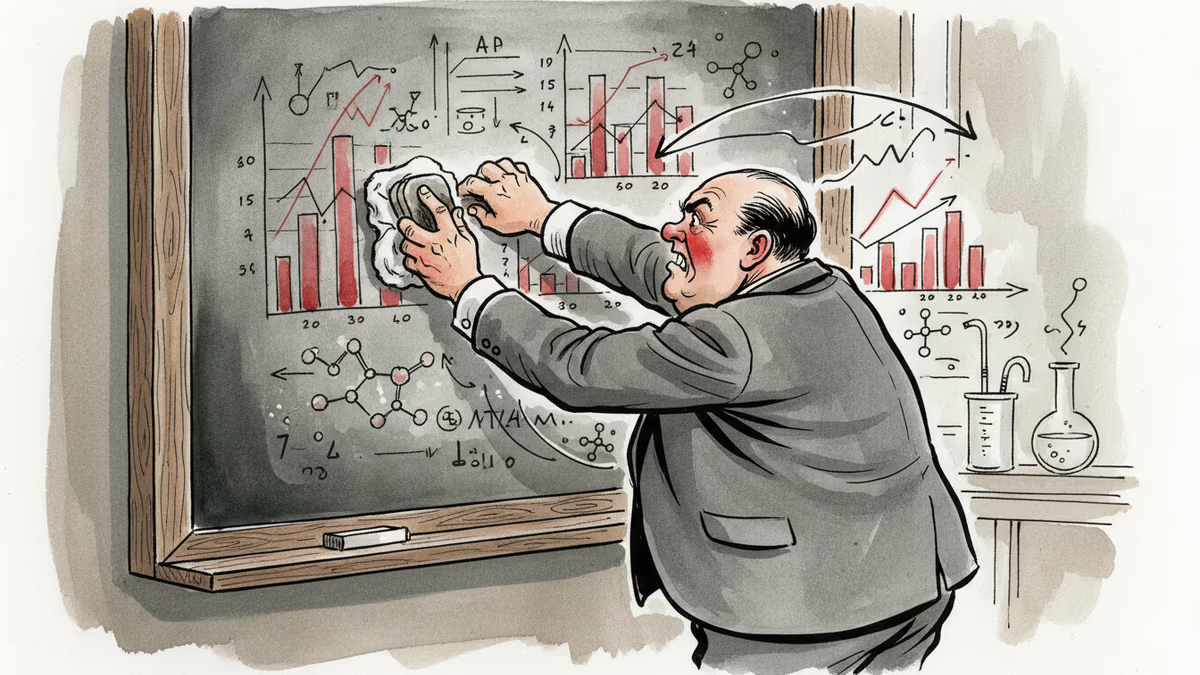
The Trump administration's attempt to overturn 17 years of climate science collapsed under the weight of evidence. What this means for policy and business.
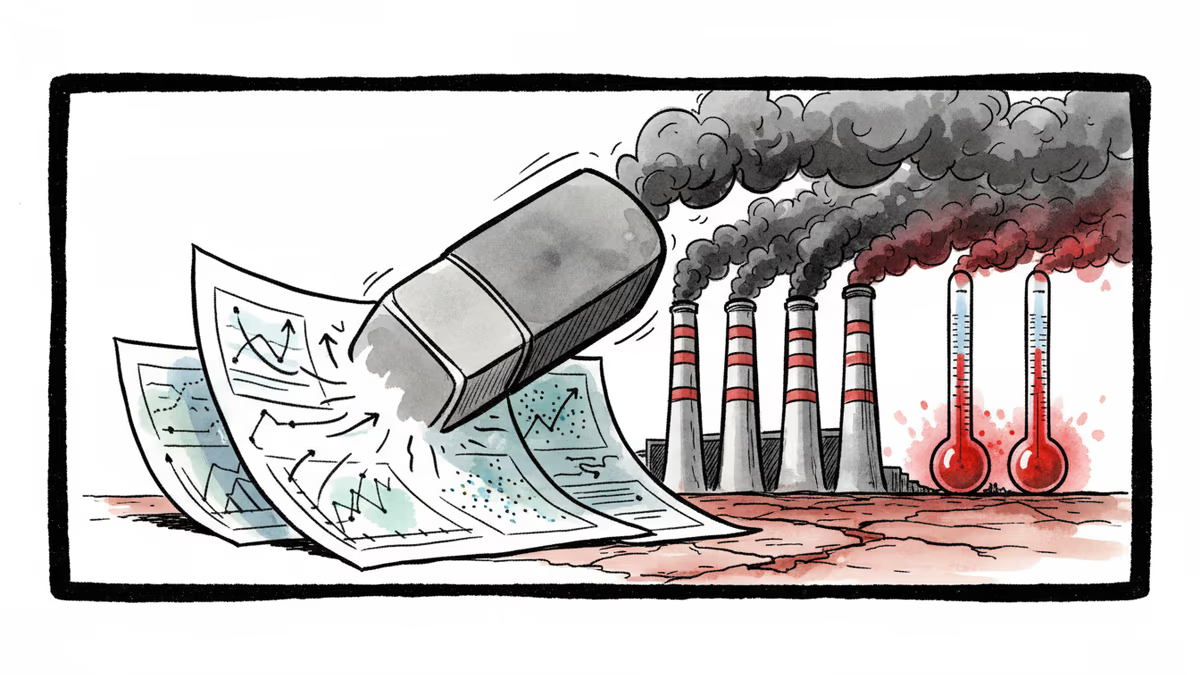
Trump administration set to revoke EPA's 17-year scientific finding on greenhouse gas dangers, dismantling legal foundation for climate action amid record-breaking heat and extreme weather costs.
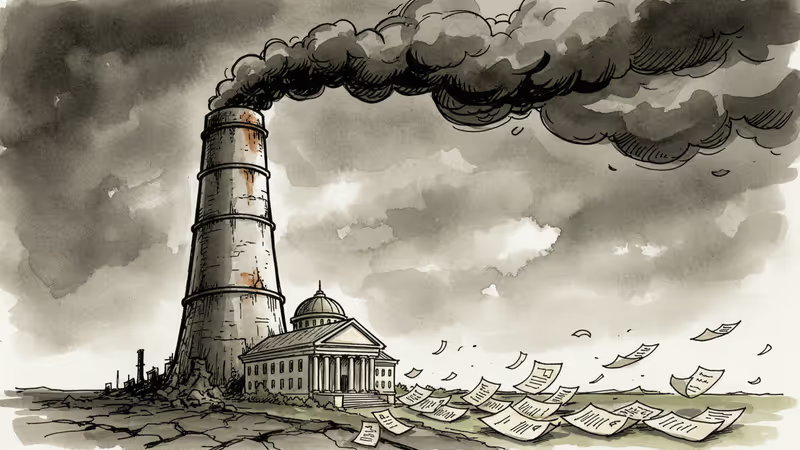
EPA enforcement cases drop 76% in Trump's second term first year, falling far below even his first presidency. What this means for corporate accountability and environmental protection.

EPA updates rules in Jan 2026 to close a pollution loophole used by Elon Musk's xAI data center in Memphis, potentially slowing the startup's rapid expansion plans.
The Trump administration's attempt to overturn 17 years of climate science collapsed under the weight of evidence. What this means for policy and business.
Trump administration set to revoke EPA's 17-year scientific finding on greenhouse gas dangers, dismantling legal foundation for climate action amid record-breaking heat and extreme weather costs.
EPA enforcement cases drop 76% in Trump's second term first year, falling far below even his first presidency. What this means for corporate accountability and environmental protection.
EPA updates rules in Jan 2026 to close a pollution loophole used by Elon Musk's xAI data center in Memphis, potentially slowing the startup's rapid expansion plans.
Thoughts
Share your thoughts on this article
Sign in to join the conversation