

EPA Hits Brakes on Elon Musk’s xAI Data Center Expansion with New 2026 Rules
EPA updates rules in Jan 2026 to close a pollution loophole used by Elon Musk's xAI data center in Memphis, potentially slowing the startup's rapid expansion plans.
Elon Musk’s race for AI dominance has encountered a significant federal roadblock. According to CNBC, the Environmental Protection Agency (EPA) updated its rules this week, effectively closing a loophole that xAI had used to bypass environmental permits for its massive Memphis data center.
Closing the Loophole: xAI EPA Data Center Regulation 2026
To rapidly scale its Colossus facility, xAI deployed a cluster of natural gas-burning turbines, classifying them as temporary "non-road engines." This maneuver allowed the company to avoid the rigorous air pollution permitting process required under the Clean Air Act. However, the EPA’s updated rule clarifies that these turbines can no longer be designated as non-road engines and must obtain permits if their emissions exceed major source thresholds.

This regulatory shift is a blow to xAI, which recently secured $20 billion in funding from investors like Nvidia and Cisco. The company relies on these data centers to train its Grok models, and any delay in power infrastructure could hamper its ability to compete with industry leaders like OpenAI and Google.
Environmental and Community Impact
The controversy isn’t just about paperwork. Residents of Boxtown, a majority-Black community in Memphis, have reported health issues and worsening smog since the turbines began operating. Research by the University of Tennessee confirmed that xAI’s turbine use contributed significantly to local air pollution. Environmental advocates, including the NAACP, have been monitoring the situation closely and may pursue further legal action.
Authors
Related Articles
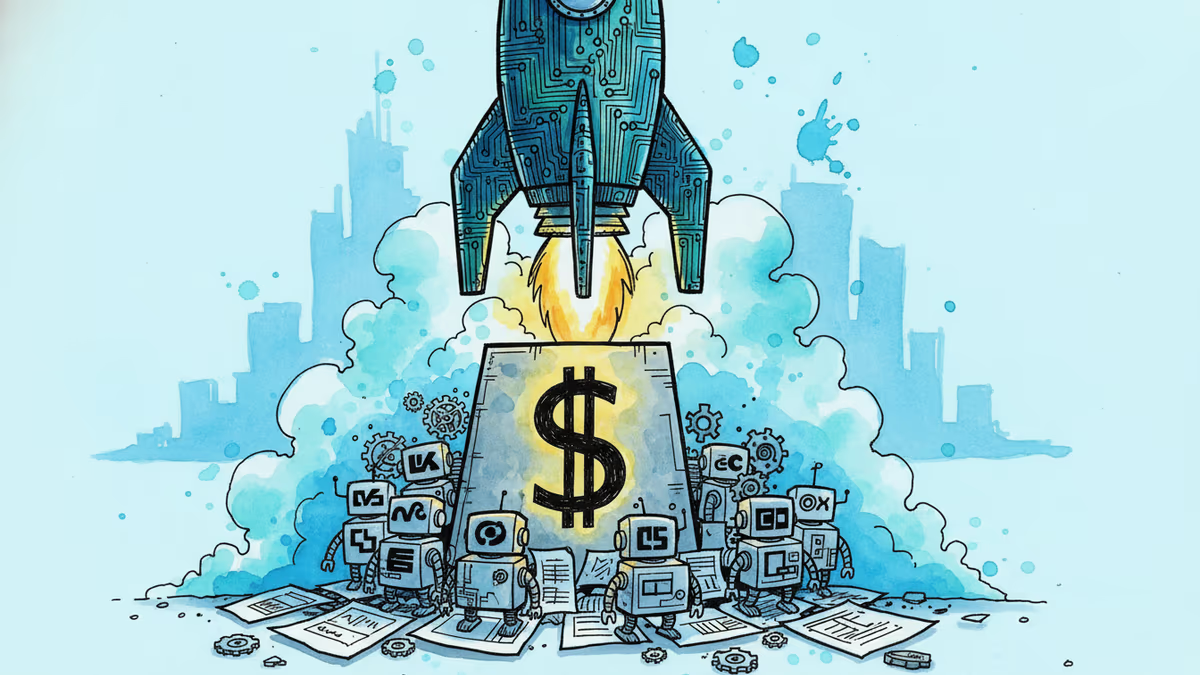
SpaceX's IPO filing puts AI at the center, claiming a $26.5 trillion market opportunity. But can Grok compete with OpenAI and Anthropic for enterprise customers?
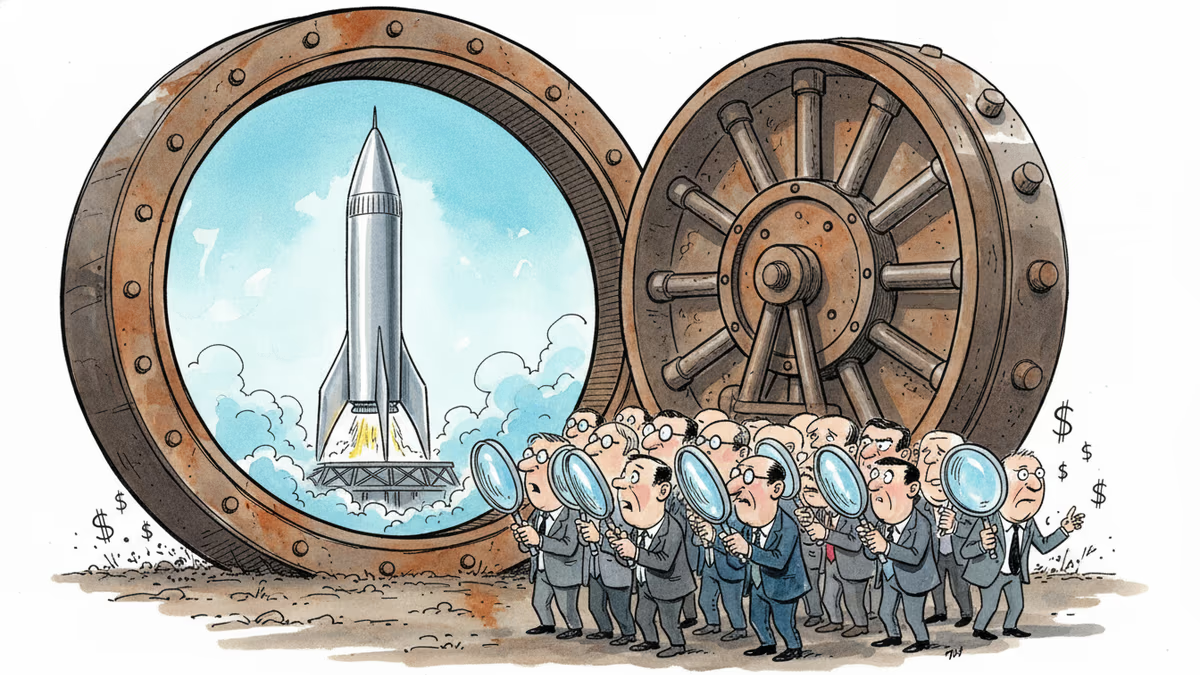
SpaceX filed a nearly 400-page S-1 with the SEC, targeting an IPO as early as June 12. Here's what the filing reveals—and what it doesn't.
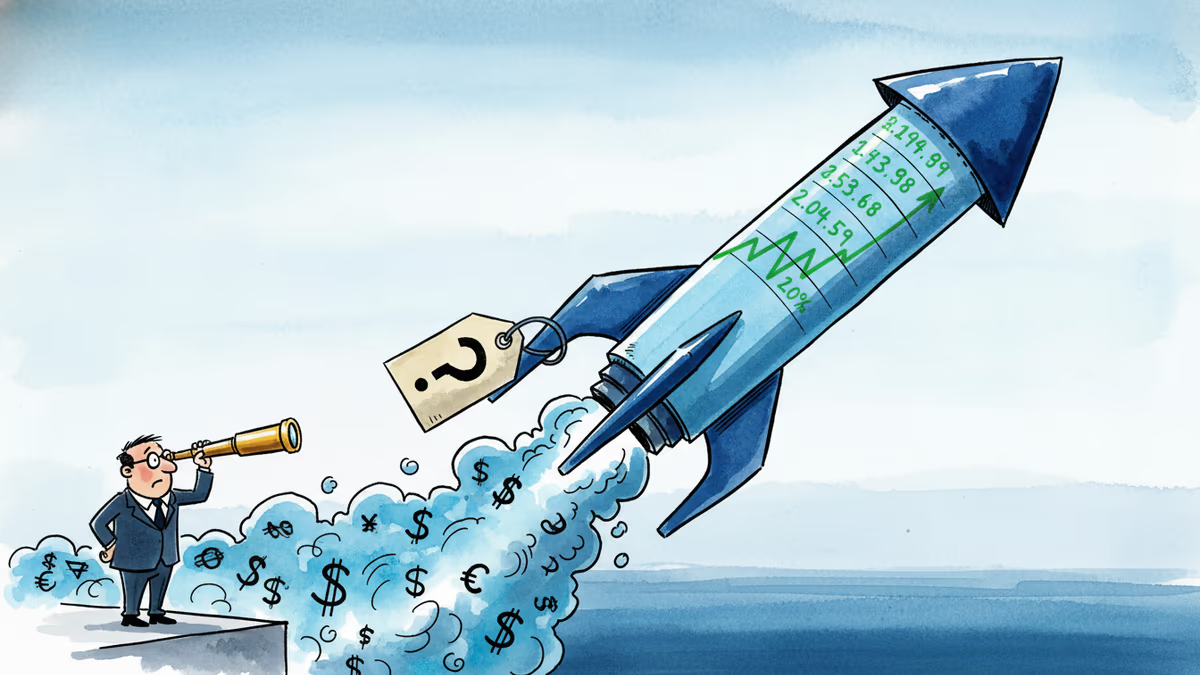
SpaceX has filed its S-1 with the SEC, targeting the Nasdaq under ticker SPCX. With $18.67B in revenue but a $4.9B loss, the IPO forces investors to answer one hard question.
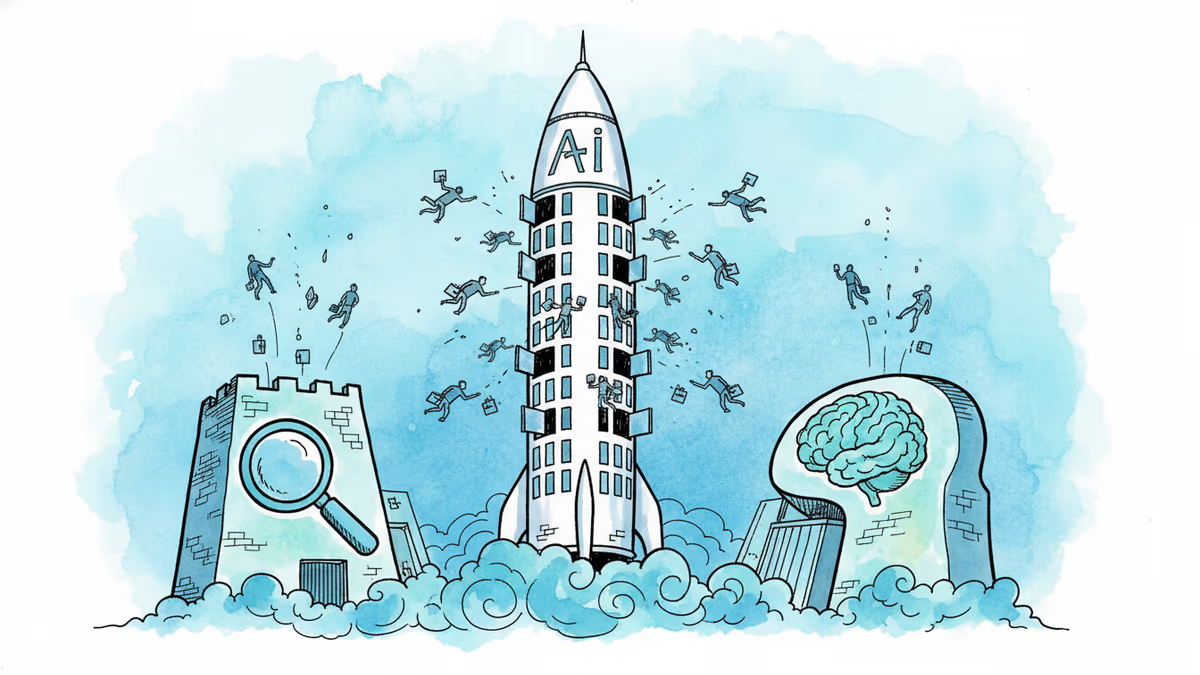
Over 50 researchers and engineers have left SpaceXAI since February's merger. With the pre-training team nearly gutted, questions mount about whether Musk's AI ambitions can survive his management style.
SpaceX's IPO filing puts AI at the center, claiming a $26.5 trillion market opportunity. But can Grok compete with OpenAI and Anthropic for enterprise customers?
SpaceX filed a nearly 400-page S-1 with the SEC, targeting an IPO as early as June 12. Here's what the filing reveals—and what it doesn't.
SpaceX has filed its S-1 with the SEC, targeting the Nasdaq under ticker SPCX. With $18.67B in revenue but a $4.9B loss, the IPO forces investors to answer one hard question.
Over 50 researchers and engineers have left SpaceXAI since February's merger. With the pre-training team nearly gutted, questions mount about whether Musk's AI ambitions can survive his management style.
Thoughts
Share your thoughts on this article
Sign in to join the conversation