
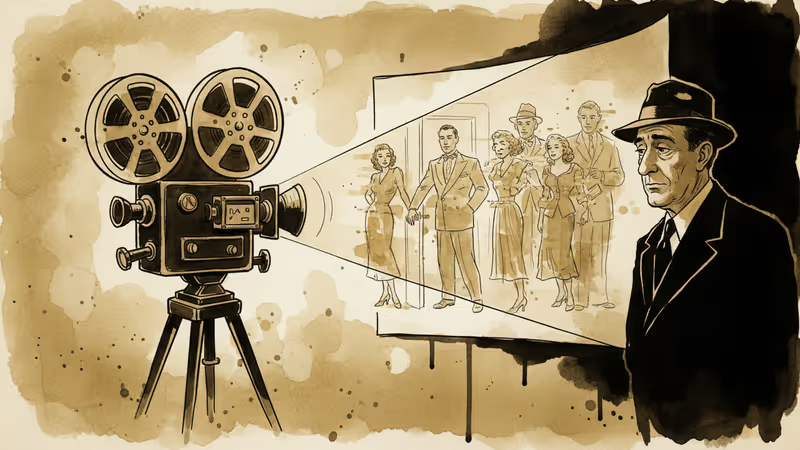
When AI Tries to Resurrect Orson Welles: Innovation or Desecration?
Startup Fable's ambitious plan to recreate lost Orson Welles footage using AI sparks debate about technology's role in preserving artistic legacy.
43 minutes. That's how much of cinematic history vanished when RKO Pictures butchered Orson Welles' "The Magnificent Ambersons" in 1942. Now a startup believes AI can bring it back from the dead.
The Holy Grail of Lost Cinema
Edward Saatchi grew up in a private screening room, watching films with his "movie mad" parents. The son of Saatchi & Saatchi advertising empire founder, he first encountered "Ambersons" at age 12. Welles himself called it a "much better picture" than "Citizen Kane," but after a disastrous preview, the studio slashed 43 minutes, tacked on an unconvincing happy ending, and eventually destroyed the cut footage to free up vault space.
"To me, this is the holy grail of lost cinema," Saatchi told The New Yorker. "It just seemed intuitively that there would be some way to undo what had happened."
His startup Fable isn't the first to chase this dream. Filmmaker Brian Rose spent years creating animated reconstructions based on the script, photographs, and Welles' notes. When he screened the results for friends and family, "a lot of them were scratching their heads."
AI's Promise and Peril
Fable's approach is more sophisticated: film live-action scenes, then overlay digital recreations of the original actors and voices. It's essentially a slicker, better-funded version of Rose's passion project.
But the technology isn't there yet. The AI has produced a two-headed version of actor Joseph Cotten and struggles with what Saatchi calls a "happiness problem" — making female characters look inappropriately cheerful. Recreating Welles' signature lighting and shadows remains a significant challenge.

Legal hurdles loom large too. Saatchi admits it was "a total mistake" not to consult Welles' estate before announcing the project. He's now working to win over both the estate and Warner Bros., which owns the film rights.
The Authenticity Divide
Reactions split along predictable lines. Welles' daughter Beatrice, initially "skeptical," now believes the team approaches the project "with enormous respect toward my father and this beautiful movie." Biographer Simon Callow called it a "great idea" and agreed to advise.
But actress Anne Baxter's daughter Melissa Galt pushes back: "It's not the truth. It's a creation of someone else's truth. But it's not the original, and she was a purist."
When Technology Meets Mortality
Writer Aaron Bady recently compared AI to vampires, arguing that both fall short when creating art because "what makes art possible" is knowledge of mortality and limitations. "Without death, without loss, and without the space between my body and yours, separating my memories from yours, we cannot make art or desire or feeling."
Saatchi's insistence that there must be "some way to undo what had happened" feels, if not vampiric, then childishly unwilling to accept that some losses are permanent. It's not unlike a startup founder claiming they can make grief obsolete — or a studio executive insisting that "The Magnificent Ambersons" needed a happy ending.
The Broader Implications
This project reflects Silicon Valley's broader relationship with loss and imperfection. The tech industry's solution to human limitation is often more technology, whether it's AI companions replacing human relationships or algorithms predicting our desires better than we can.
But cinema's power often lies in what's missing, unsaid, or imperfect. The lost 43 minutes of "Ambersons" have become legendary precisely because they're lost — they exist in our imagination as perfect, untouchable art.
Authors
Related Articles

Samsung and SK unveiled a chip and AI investment package worth thousands of trillions of won on June 29. The headline number swings wildly by outlet, but the real contest isn't capital — it's water and power.
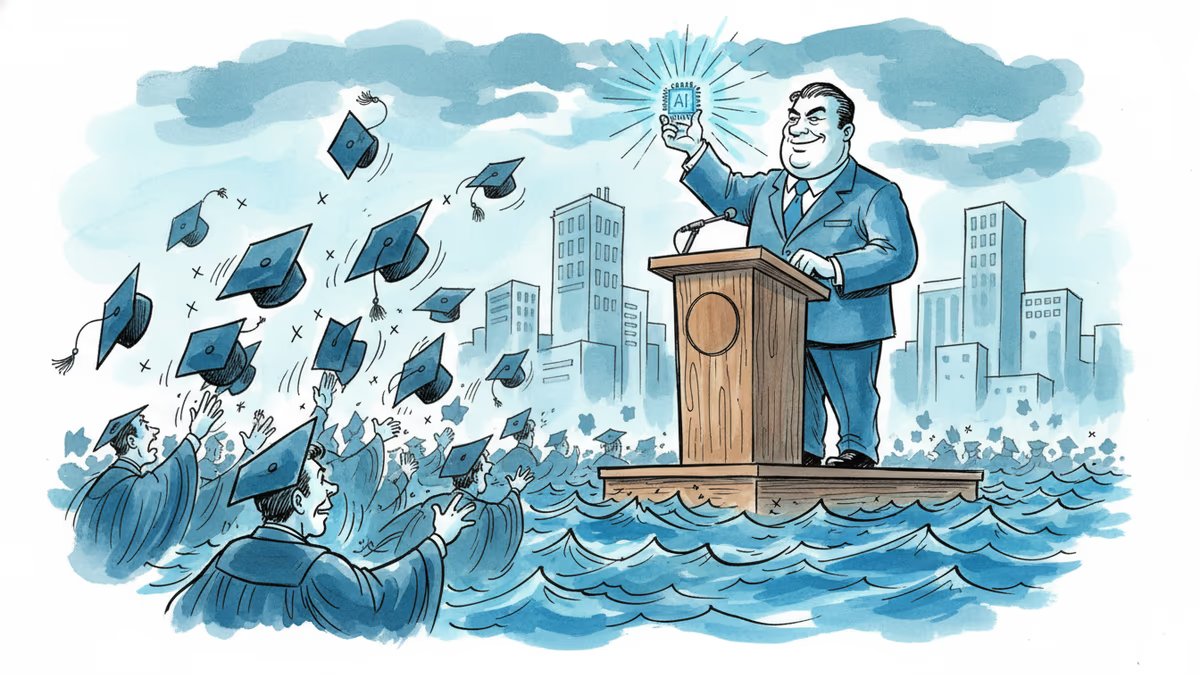
Viral videos show 2026 graduates jeering executives who praise AI at commencement ceremonies. It's not just rudeness — it's a signal about who pays for technological optimism.
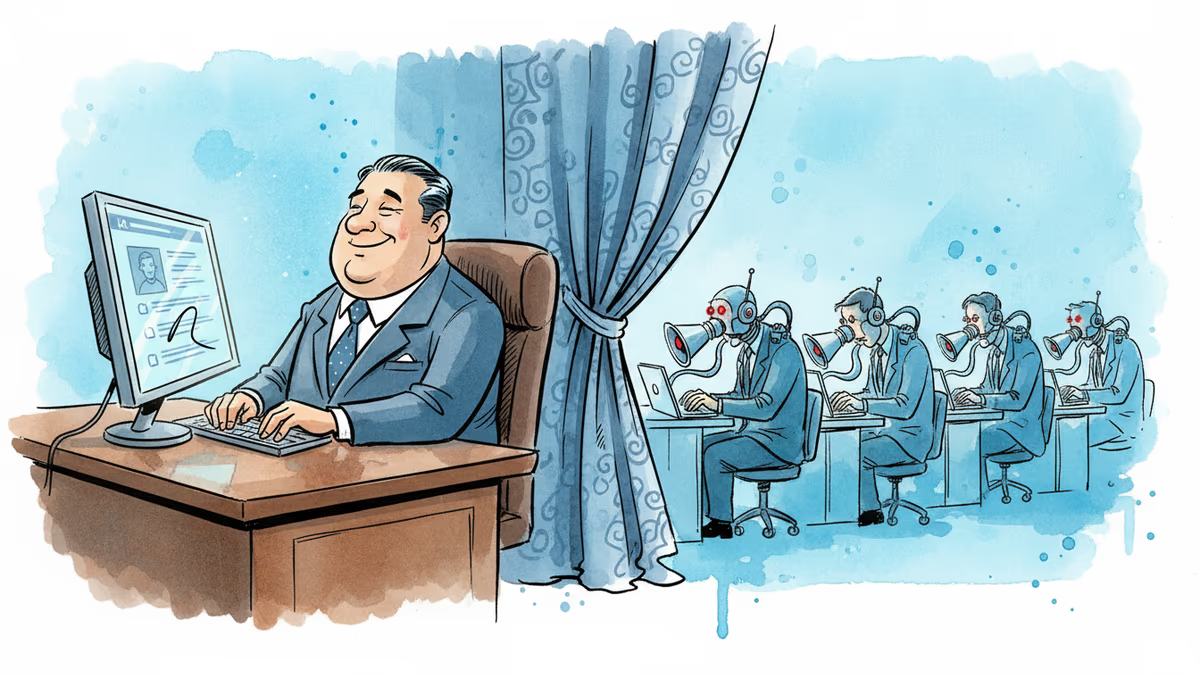
Filipino virtual assistants using AI to ghost-manage LinkedIn profiles for executives is now a structured industry. 30 comments a day, fake engagement rings, and a platform struggling to tell real from fabricated.
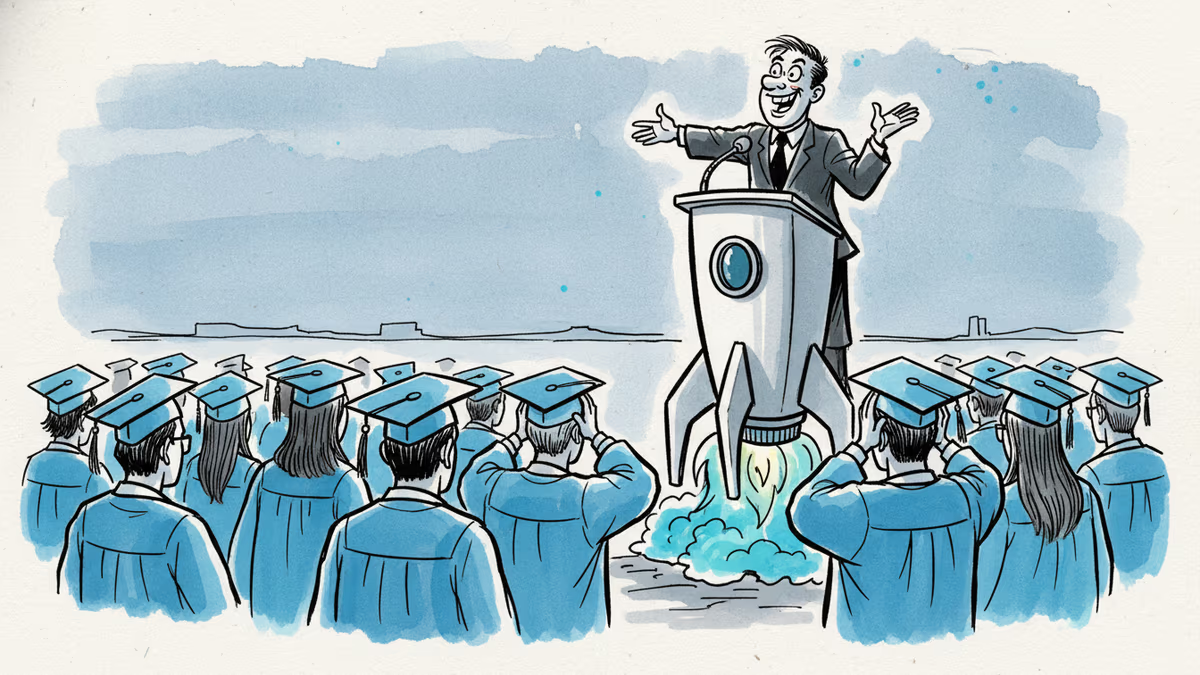
Two commencement speakers learned the hard way that AI enthusiasm doesn't land well with today's graduates. The backlash reveals a widening gap between tech optimism and Gen Z's economic reality.
Samsung and SK unveiled a chip and AI investment package worth thousands of trillions of won on June 29. The headline number swings wildly by outlet, but the real contest isn't capital — it's water and power.
Viral videos show 2026 graduates jeering executives who praise AI at commencement ceremonies. It's not just rudeness — it's a signal about who pays for technological optimism.
Filipino virtual assistants using AI to ghost-manage LinkedIn profiles for executives is now a structured industry. 30 comments a day, fake engagement rings, and a platform struggling to tell real from fabricated.
Two commencement speakers learned the hard way that AI enthusiasm doesn't land well with today's graduates. The backlash reveals a widening gap between tech optimism and Gen Z's economic reality.
Thoughts
Share your thoughts on this article
Sign in to join the conversation