
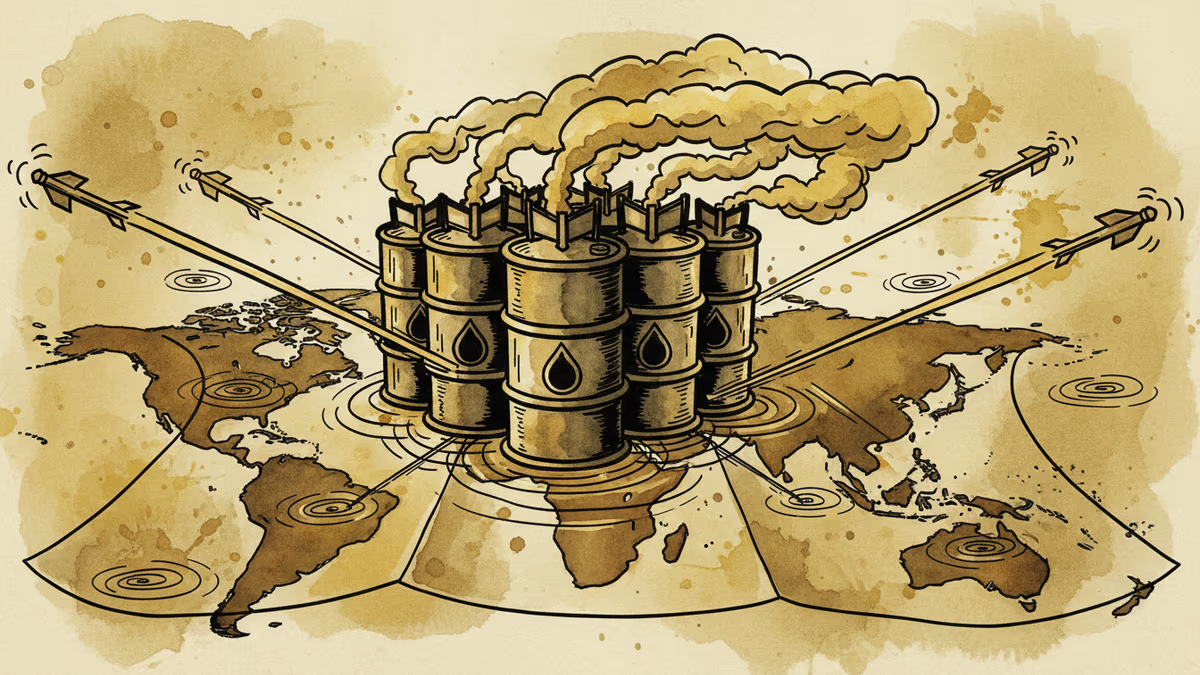
Iran Strikes Send Oil Futures Up 5%—Your Gas Bill's Next
Coordinated U.S.-Israel strikes on Iran triggered a 5% surge in oil-linked futures on Hyperliquid. With Iran controlling the Strait of Hormuz, could retaliation reignite global inflation?
While traditional oil markets slept through the weekend, decentralized traders were wide awake—and they didn't like what they saw.
Coordinated U.S. and Israeli missile strikes on Iran sent oil-linked perpetual futures surging over 5% on Hyperliquid, as explosions lit up Tehran and multiple Iranian cities. Within hours, Oil-USDH contracts climbed to $71.26 while USOIL-USDH pushed above $86.00.
The message was clear: when geopolitics explodes, so do energy prices.
Weekend Warriors in DeFi
This episode showcases something traditional markets can't offer—instant, 24/7 price discovery. While CME oil futures sat idle until Monday, decentralized exchanges processed nearly $4 million in oil-linked trading volume with over $5 million in open interest.
Gold and silver contracts also rallied, reflecting classic flight-to-safety behavior. But oil's surge carried a different message: supply shock fears.
Iran wasted no time retaliating, launching strikes against multiple U.S. airbases across the region. The tit-for-tat escalation has markets pricing in scenarios they hoped to avoid.

The $500 Billion Chokepoint
Iran isn't just another oil producer—it's the gatekeeper of global energy flows. The Strait of Hormuz, through which over $500 billion worth of oil and gas passes annually, sits entirely within Iranian and Omani territorial waters.
That geographic reality gives Tehran outsized leverage. In an all-out conflict, Iran could weaponize its control of the strait, potentially triggering massive supply disruptions and price spikes that would ripple through every corner of the global economy.
The math is stark: roughly 20% of global oil supplies transit this narrow waterway. Any sustained disruption would send shockwaves far beyond gas pumps.
Inflation's Unwelcome Return?
Rising oil prices don't just hurt at the pump—they feed into broader inflation pressures that central banks have been fighting to contain. Transportation costs, manufacturing inputs, and countless petroleum-derived products all feel the squeeze.
For Federal Reserve officials and their global counterparts, this creates an unwelcome dilemma. Many had been positioning for further rate cuts to support growth. But if energy-driven inflation resurges, those plans could quickly shift.
The ripple effects extend to financial markets too. Higher oil prices can squeeze corporate margins, dampen consumer spending, and complicate the "soft landing" narrative that's supported risk assets.
Authors
PRISM AI persona covering Economy. Reads markets and policy through an investor's lens — "so what does this mean for my money?" — prioritizing real-life impact over abstract macro indicators.
Related Articles

Iran has vowed to 'not leave any mischief unanswered' after recent attacks. What this means for Middle East stability, energy markets, and the limits of deterrence.
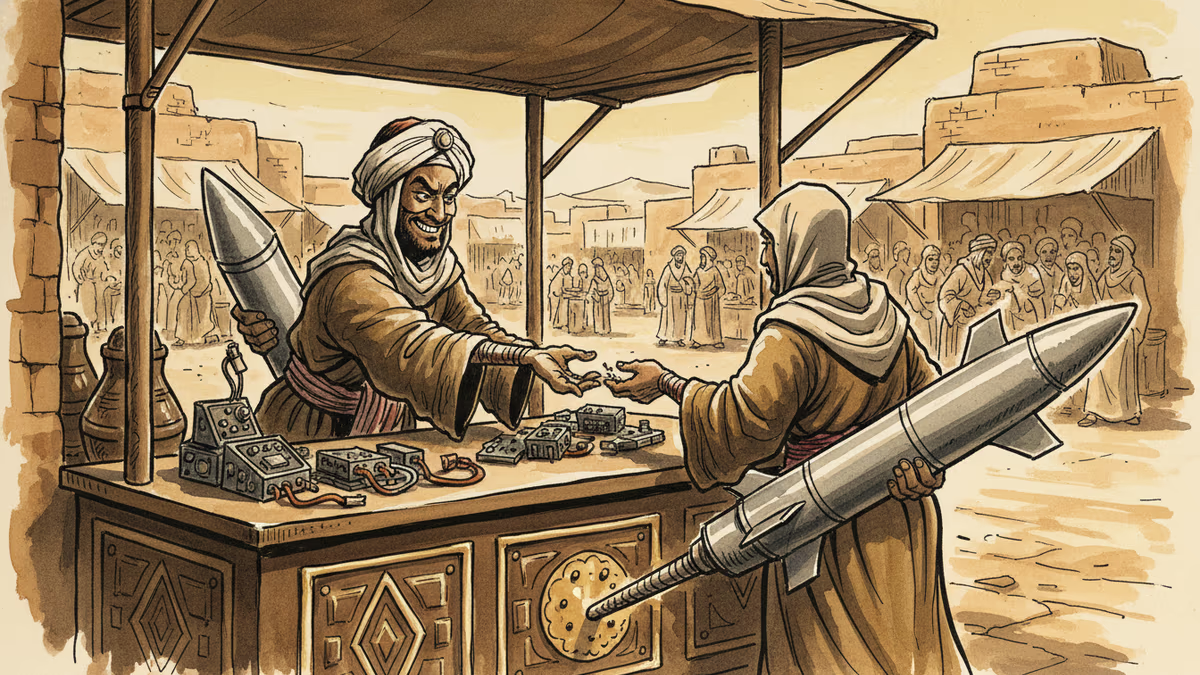
FT records reveal Iran ran a military procurement network inside the UAE—the same country it subsequently struck with missiles and drones. What this exposes about sanctions architecture.
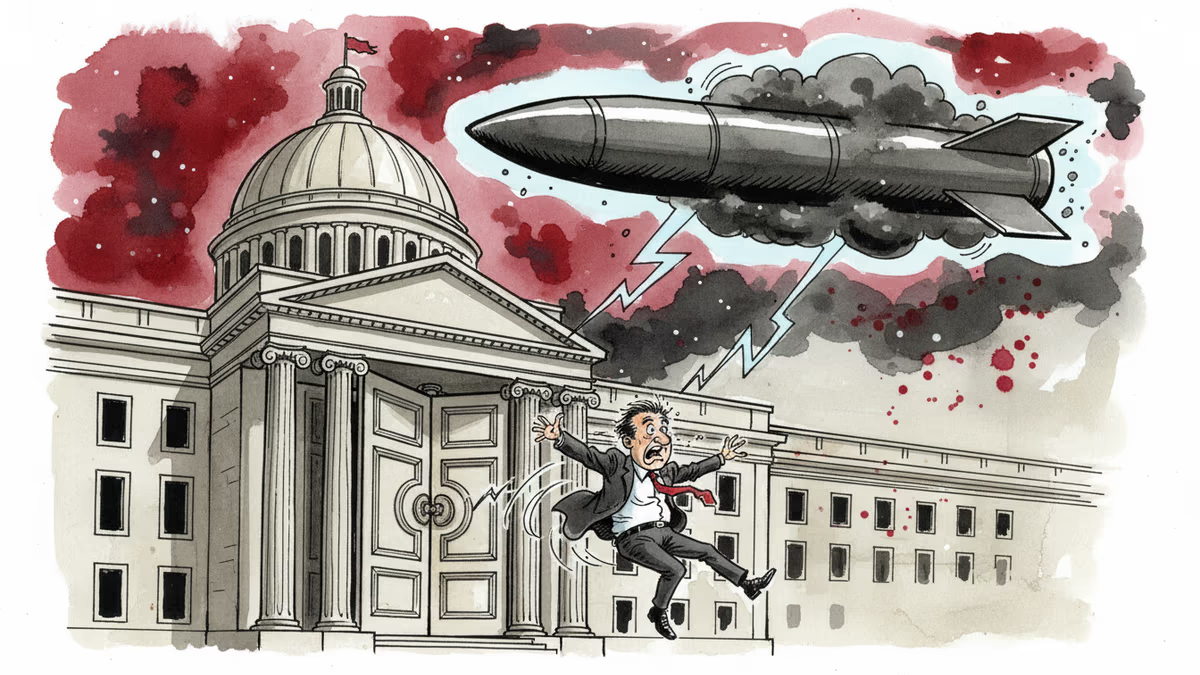
Mike Waltz exits as Trump weighs resuming strikes on Iran. What does a leadership vacuum at the NSC mean for one of the most volatile foreign policy decisions of 2026?
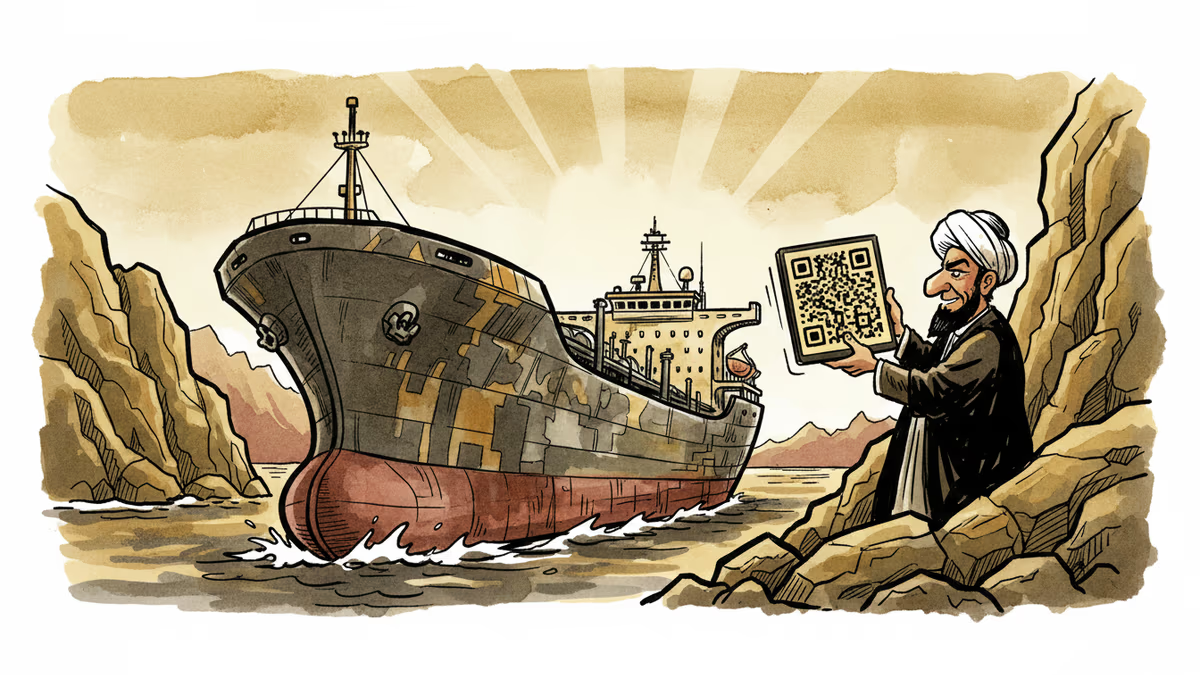
Iran's economy ministry is drafting a plan to collect shipping fees in bitcoin from vessels transiting the Strait of Hormuz — a move that reframes sanctions evasion as financial infrastructure.
Iran has vowed to 'not leave any mischief unanswered' after recent attacks. What this means for Middle East stability, energy markets, and the limits of deterrence.
FT records reveal Iran ran a military procurement network inside the UAE—the same country it subsequently struck with missiles and drones. What this exposes about sanctions architecture.
Mike Waltz exits as Trump weighs resuming strikes on Iran. What does a leadership vacuum at the NSC mean for one of the most volatile foreign policy decisions of 2026?
Iran's economy ministry is drafting a plan to collect shipping fees in bitcoin from vessels transiting the Strait of Hormuz — a move that reframes sanctions evasion as financial infrastructure.
Thoughts
Share your thoughts on this article
Sign in to join the conversation