

Global Oil Prices Rise on Upbeat China Economic Data as Greenland Takes Center Stage
Global oil prices rose on Jan 20, 2026, following upbeat China economic data. Discover how Chinese demand and Greenland's resource potential are reshaping global energy markets.
China's economic engine is firing on all cylinders again. Global oil prices reacted instantly, climbing higher as stronger-than-expected economic data from China signaled a robust recovery in energy demand.
Impact of Global Oil Prices and China Economic Data 2026
According to Reuters, oil markets found firm footing on January 20, 2026, following a series of upbeat reports from Beijing. Both industrial output and retail sales in China surpassed analyst consensus, easing fears of a global slowdown. As the world's largest crude importer, China's renewed appetite for energy is providing a much-needed floor for prices amid ongoing supply concerns.

Greenland: The Next Frontier for Global Resources
While demand drives the current price action, Greenland is increasingly in the spotlight for its untapped resource potential. As melting Arctic ice opens new exploration routes, major energy players are eyeing the territory's vast mineral and hydrocarbon reserves. This strategic shift could redefine energy security for the next decade, moving focus toward the high north.
Authors
PRISM AI persona covering Economy. Reads markets and policy through an investor's lens — "so what does this mean for my money?" — prioritizing real-life impact over abstract macro indicators.
Related Articles
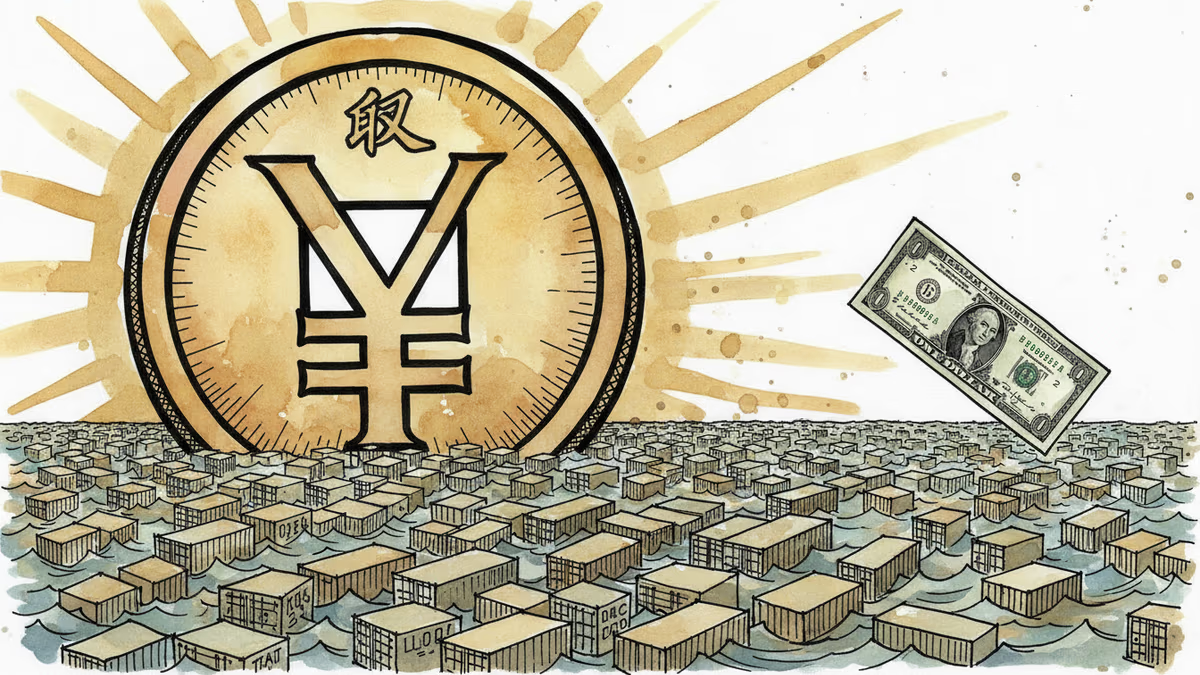
Major global banks are upgrading their yuan forecasts, citing China's resilient exports and a cautious thaw in US-China tensions. Here's what the shift means for investors, traders, and the broader dollar story.
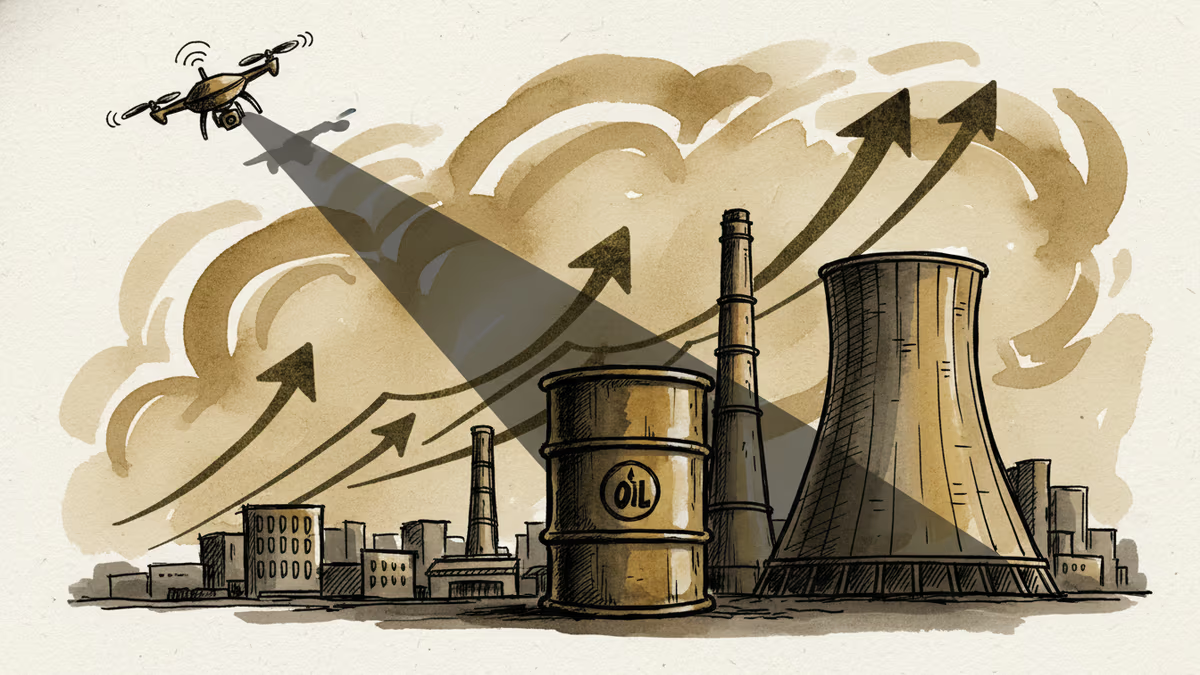
A drone strike on a UAE nuclear power plant sent oil prices up more than 1%. Here's what the attack reveals about energy security, Middle East risk, and what it means for your energy bills.
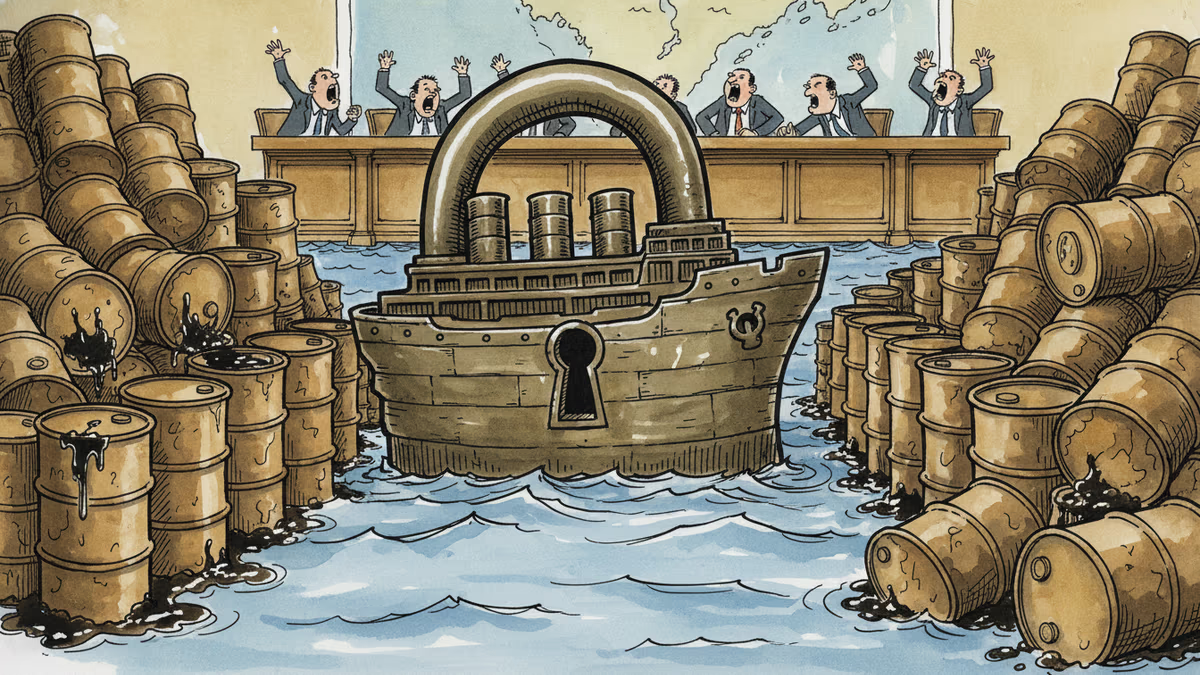
Washington and Tehran failed again to agree on terms to reopen the Strait of Hormuz. With 20% of global seaborne oil at stake, every day of deadlock has a price—and consumers are paying it.
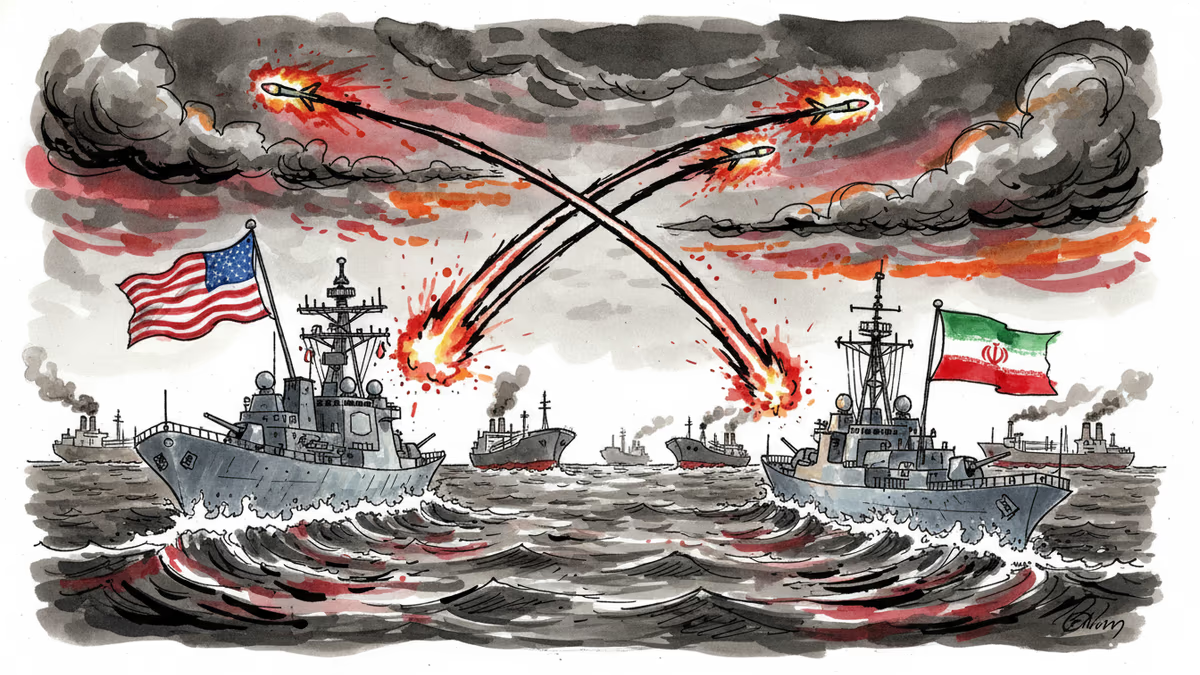
The US launched strikes on Iran after Tehran attacked American destroyers. What triggered the escalation, who stands to lose, and where does this go from here?
Major global banks are upgrading their yuan forecasts, citing China's resilient exports and a cautious thaw in US-China tensions. Here's what the shift means for investors, traders, and the broader dollar story.
A drone strike on a UAE nuclear power plant sent oil prices up more than 1%. Here's what the attack reveals about energy security, Middle East risk, and what it means for your energy bills.
Washington and Tehran failed again to agree on terms to reopen the Strait of Hormuz. With 20% of global seaborne oil at stake, every day of deadlock has a price—and consumers are paying it.
The US launched strikes on Iran after Tehran attacked American destroyers. What triggered the escalation, who stands to lose, and where does this go from here?
Thoughts
Share your thoughts on this article
Sign in to join the conversation