

Jensen Huang’s Fast Track: NVIDIA Vera Rubin Architecture Debuts at CES 2026
NVIDIA surprises at CES 2026 with an early launch of the Vera Rubin architecture and new Tesla-rivaling self-driving tech. See what's next for AI and gaming.
The AI giant is stepping on the gas once again. We're only a week into 2026, and NVIDIA has already fast-tracked the future. CEO Jensen Huang took the stage at CES 2026 to unveil the Vera Rubin architecture earlier than most industry analysts expected. According to The Verge, the announcement signals a massive push into autonomous mobility and refined gaming ecosystems.
NVIDIA Vera Rubin Architecture: The Surprise CES 2026 Launch
The centerpiece of the keynote was undoubtedly the Vera Rubin architecture. Designed to power the next generation of AI data centers, its early arrival suggests NVIDIA is keen to widen the gap with its competitors. Beyond silicon, the company also teased a new self-driving car technology that directly challenges Tesla's dominance in the autonomous vehicle space, showcasing a shift toward becoming a full-stack mobility provider.

Software Refinements and the Road to 2027
While gamers won't see a new generation of consumer graphics cards until at least 2027—following the RTX 50-series launch in 2025—NVIDIA isn't leaving them behind. The company announced major updates for DLSS, G-Sync, and the GeForce Now cloud gaming platform. These updates focus on maximizing the performance of existing hardware through AI-driven software optimization.
Authors
Related Articles
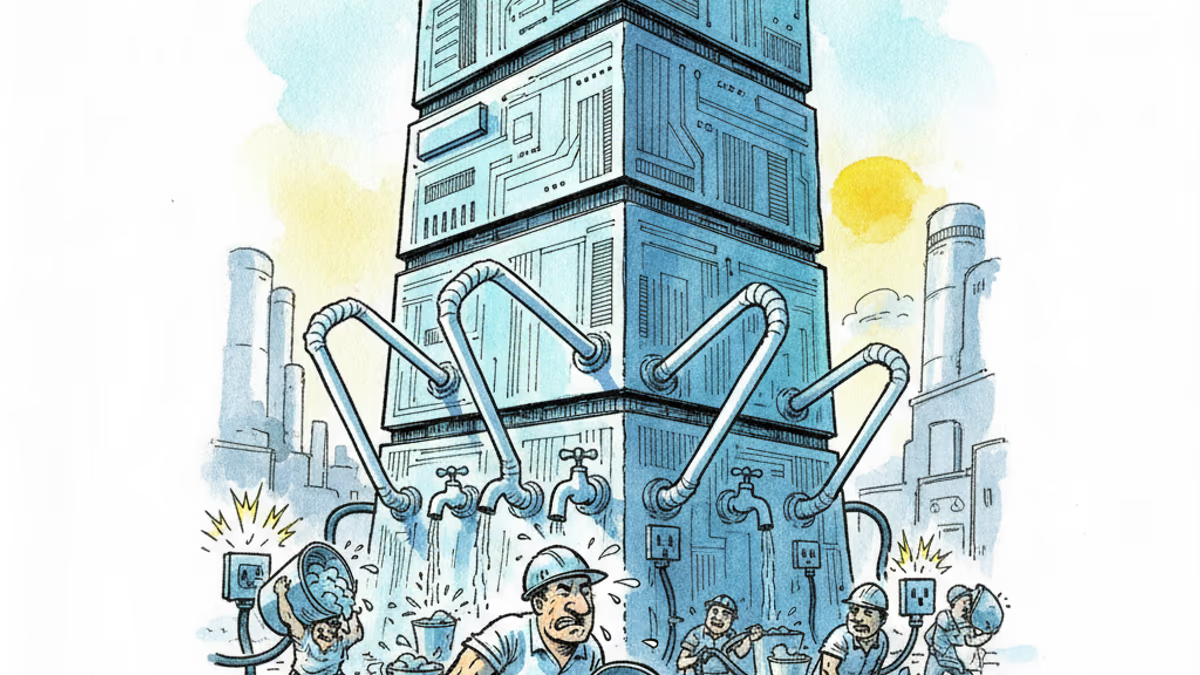
Samsung and SK unveiled a chip and AI investment package worth thousands of trillions of won on June 29. The headline number swings wildly by outlet, but the real contest isn't capital — it's water and power.

Viral videos show 2026 graduates jeering executives who praise AI at commencement ceremonies. It's not just rudeness — it's a signal about who pays for technological optimism.

Filipino virtual assistants using AI to ghost-manage LinkedIn profiles for executives is now a structured industry. 30 comments a day, fake engagement rings, and a platform struggling to tell real from fabricated.
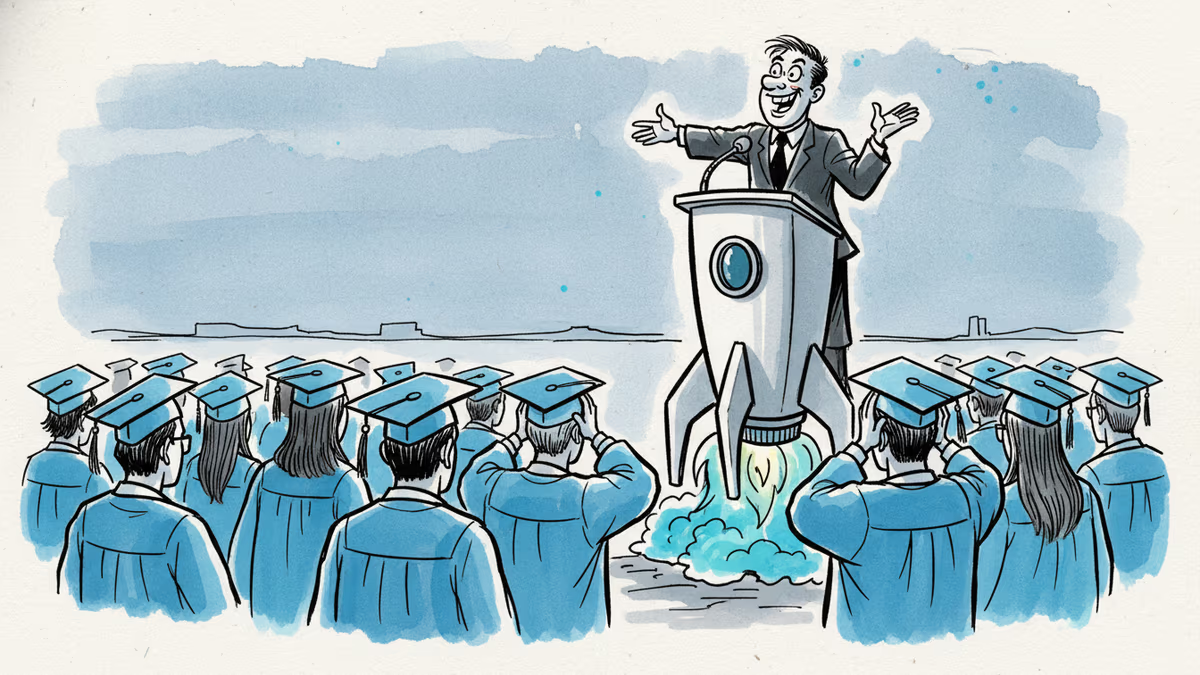
Two commencement speakers learned the hard way that AI enthusiasm doesn't land well with today's graduates. The backlash reveals a widening gap between tech optimism and Gen Z's economic reality.
Samsung and SK unveiled a chip and AI investment package worth thousands of trillions of won on June 29. The headline number swings wildly by outlet, but the real contest isn't capital — it's water and power.
Viral videos show 2026 graduates jeering executives who praise AI at commencement ceremonies. It's not just rudeness — it's a signal about who pays for technological optimism.
Filipino virtual assistants using AI to ghost-manage LinkedIn profiles for executives is now a structured industry. 30 comments a day, fake engagement rings, and a platform struggling to tell real from fabricated.
Two commencement speakers learned the hard way that AI enthusiasm doesn't land well with today's graduates. The backlash reveals a widening gap between tech optimism and Gen Z's economic reality.
Thoughts
Share your thoughts on this article
Sign in to join the conversation