
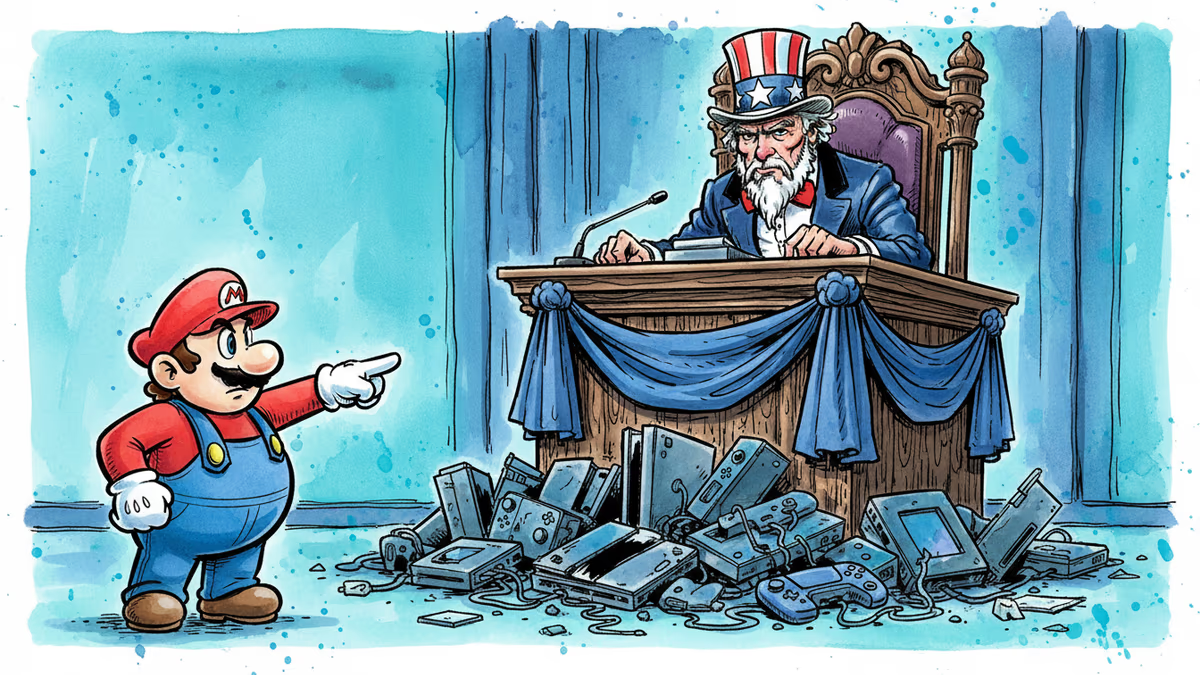
Why Nintendo Is Suing the Trump Administration
Nintendo has filed a lawsuit against the US government over Trump's tariffs, demanding refunds with interest. This legal battle reveals deeper questions about trade policy and corporate rights.
When Gaming Giants Go to Court
Nintendo of America is taking on the US government in federal court. The gaming giant has filed a complaint demanding "prompt refund, with interest" for tariffs paid under President Trump's trade policies, according to documents filed in the US Court of International Trade.
This isn't just corporate grumbling. Last month, the Supreme Court ruled that Trump's use of the International Emergency Economic Powers Act (IEEPA) to impose "reciprocal" tariffs was illegal. The court didn't specify how refunds should work, leaving companies like Nintendo to figure it out through litigation.
The timing is striking. Nintendo announced Switch 2 launch details—including April 9th preorders—on the same day Trump unveiled plans for sweeping import tariffs. Coincidence? Hardly.
The Real Cost of Trade Wars
Who actually pays tariffs? Economics textbooks say consumers, but the reality is messier.
Consider Nintendo's position. Most gaming hardware is manufactured in China, where production costs are lower and supply chains are established. When tariffs hit, companies face three choices: raise prices, absorb costs, or relocate production. Nintendo has already shifted some manufacturing to Vietnam, but restructuring entire supply chains takes years and billions of dollars.

The broader gaming industry is watching closely. Microsoft, Sony, and smaller publishers all face similar pressures. Each 10% tariff increase forces strategic recalculations about pricing, manufacturing, and market positioning.
Legal Precedent vs. Political Power
Nintendo's lawsuit represents more than corporate self-interest—it's testing the limits of executive trade authority.
The Supreme Court's ruling created a legal opening, but enforcement remains unclear. How quickly must the government process refunds? What interest rates apply? Can companies recover legal costs? These questions will shape how future administrations approach trade policy.
Other companies are likely preparing similar lawsuits. If Nintendo succeeds, it could trigger a wave of refund claims worth billions. The government faces a choice: fight each case individually or negotiate a broader settlement framework.
The Bigger Game
This legal battle reflects deeper tensions about globalization and government power. Companies have spent decades building international supply chains, while politicians promise to "bring jobs home" through tariffs.
But court victories don't resolve underlying economic realities. Even if Nintendo gets its refunds, the fundamental challenge remains: how do you balance domestic political pressures with global economic integration?
Authors
Related Articles
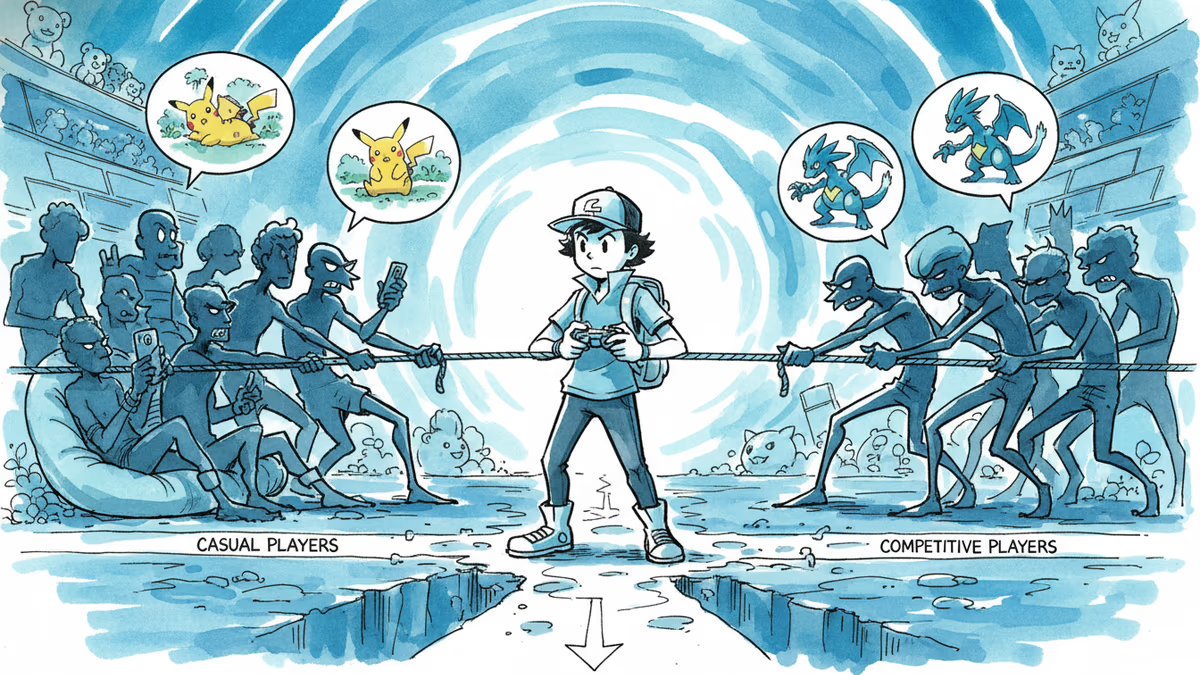
Pokémon Champions launched on Switch with bugs breaking core battle mechanics. But the deeper issue isn't the bugs — it's whether a game trying to please all players can satisfy any of them.
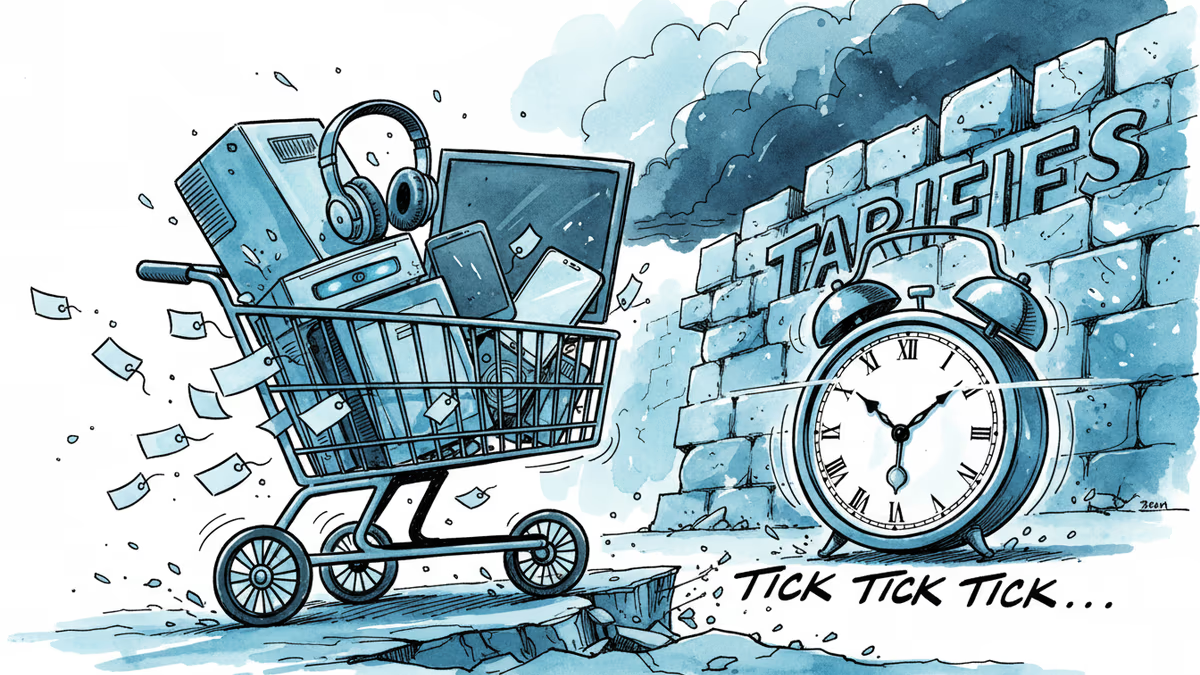
Amazon's Big Spring Sale runs through March 31st with record-low prices on robot vacuums, headphones, and smart home gear — but the real story is why it's happening now.
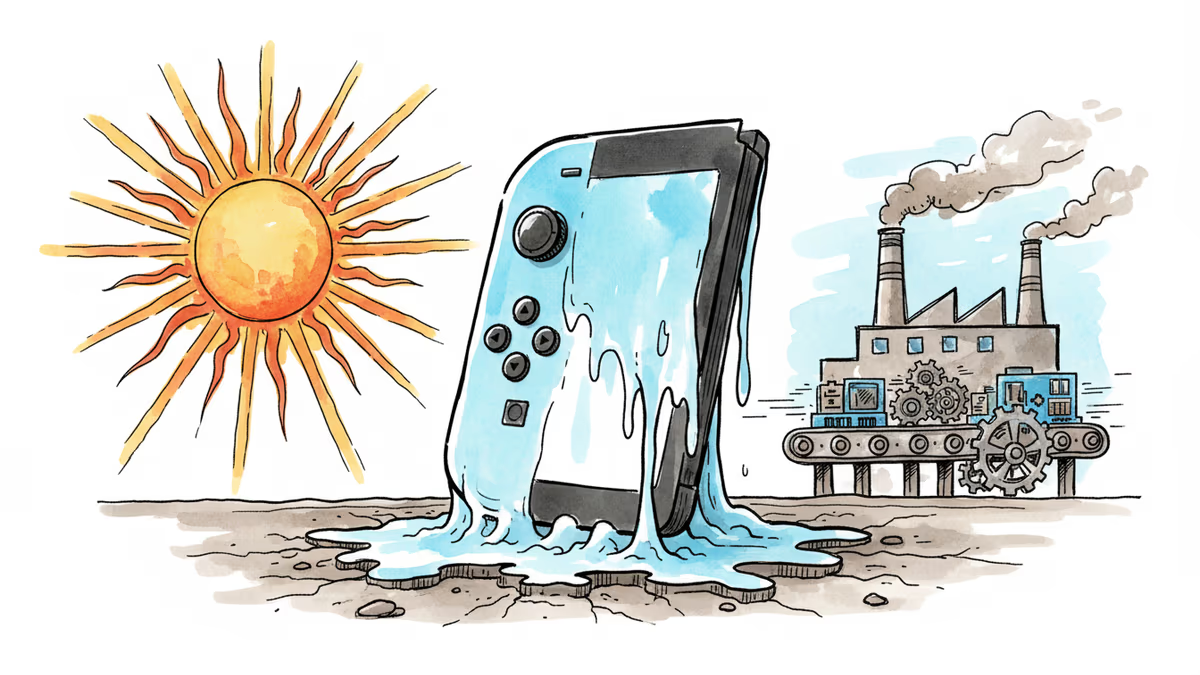
Nine months after a record-breaking launch, Nintendo is cutting Switch 2 production from 6 million to 4 million units per quarter. What went wrong, and what does it signal for the console market?
Nintendo Switch 2 requires expensive microSD Express cards instead of regular microSD. 4.4x faster speeds come with 2x higher prices - what this means for gamers and the industry.
Pokémon Champions launched on Switch with bugs breaking core battle mechanics. But the deeper issue isn't the bugs — it's whether a game trying to please all players can satisfy any of them.
Amazon's Big Spring Sale runs through March 31st with record-low prices on robot vacuums, headphones, and smart home gear — but the real story is why it's happening now.
Nine months after a record-breaking launch, Nintendo is cutting Switch 2 production from 6 million to 4 million units per quarter. What went wrong, and what does it signal for the console market?
Nintendo Switch 2 requires expensive microSD Express cards instead of regular microSD. 4.4x faster speeds come with 2x higher prices - what this means for gamers and the industry.
Thoughts
Share your thoughts on this article
Sign in to join the conversation