
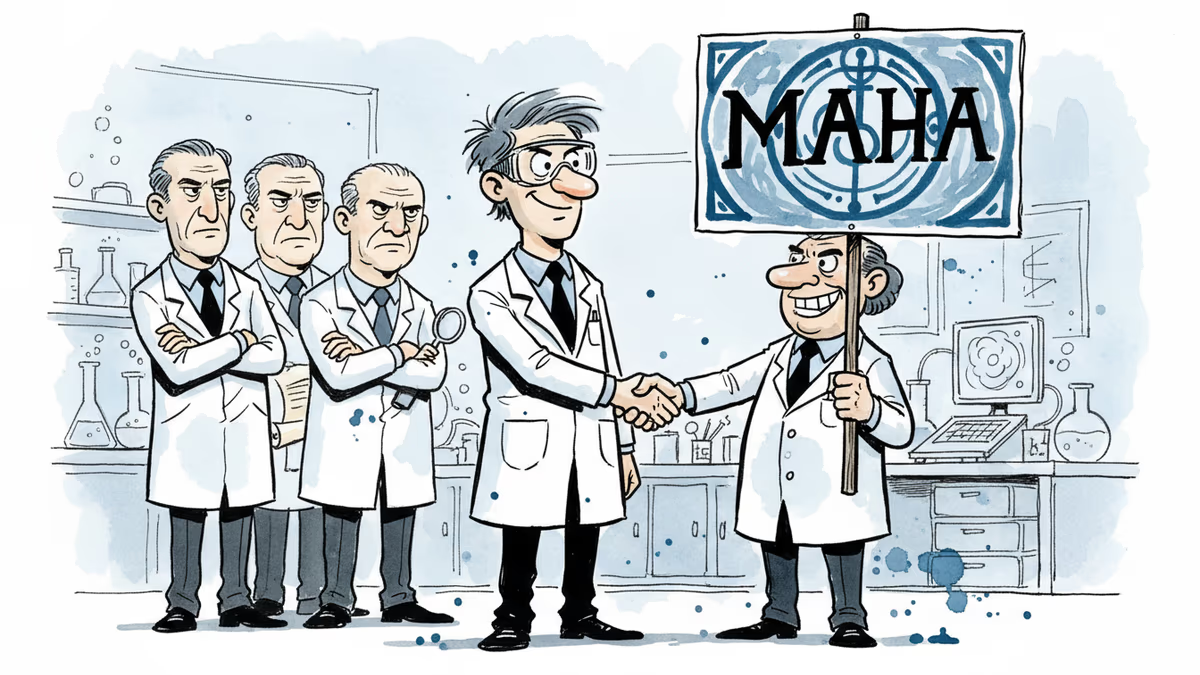
When Science Meets Anti-Science - America's Unlikely Health Policy Alliance
NIH Director Jay Bhattacharya received a standing ovation at the MAHA Institute. An unexpected alliance between scientists and anti-science advocates has begun. What does this mean?
A 48-Hour Impossible Became Reality
In a Washington DC conference room, something extraordinary happened. Jay Bhattacharya, Director of the National Institutes of Health, received a partial standing ovation as he took the stage. The shocking part? His audience was from the MAHA (Make America Healthy Again) Institute—a group long criticized as 'profoundly unscientific.'
For five hours, America's top health scientist and anti-establishment advocates found common ground. Instead of hostility, they discovered shared frustrations: anger over pandemic policies, healthcare system failures, the potential of food-based health solutions, and science's eroded public trust.
Why This 'Strange Bedfellows' Alliance Now?
Bhattacharya's ambitious 'second scientific revolution' needs political backing. Traditional scientific establishments remain skeptical of his reform agenda, partly due to his controversial 'herd immunity' stance during early COVID-19.
MAHA represents his only significant political constituency. Their core message resonates: "The existing medical system has failed, and we need fundamental change."
Remarkably, both sides share similar diagnoses. US healthcare consumes 18% of GDP yet delivers worse health outcomes than other developed nations. Chronic diseases are rising, trust in medical professionals is falling, and costs continue spiraling.
Scientific Community: "Dangerous Compromise" vs "Pragmatic Choice"

The scientific establishment is deeply divided over this alliance.
Critics argue Bhattacharya has sacrificed scientific rigor for political convenience. Stanford Medical School colleagues warn that MAHA's positions on vaccine safety and climate change directly contradict mainstream science. "You can't selectively embrace anti-science when it's politically useful," argues one prominent researcher.
Supporters counter with realpolitik. "Perfect alliances don't exist. Healthcare reform requires uncomfortable coalitions," says a former NIH administrator. They point to MAHA's genuine concerns about pharmaceutical industry influence and chronic disease epidemics.
What This Means for Global Health Innovation
This shift could reshape international health policy. US regulatory changes ripple through global pharmaceutical and medical device markets. European health agencies often follow FDA precedents, while developing nations rely on US research funding and guidelines.
For investors, the implications are stark. Traditional pharmaceutical stocks may face increased scrutiny, while companies focused on preventive care and nutrition could benefit. The $4.5 trillion global healthcare market is watching nervously.
More fundamentally, this represents the politicization of science policy. When evidence-based medicine becomes partisan, how do we maintain research integrity while addressing legitimate public health concerns?
The Trust Crisis Behind the Alliance
This unlikely partnership reflects a deeper crisis: public faith in scientific institutions has plummeted. Recent polls show only 39% of Americans have "a great deal" of confidence in medical scientists, down from 51% pre-pandemic.
Bhattacharya's gamble is that working with MAHA might restore some of that trust by acknowledging legitimate grievances. Critics worry it legitimizes conspiracy theories and undermines scientific authority further.
Authors
Related Articles

The Trump administration has gutted the DOJ's Voting Section, pushing out two dozen experienced lawyers and replacing them with loyalists. With 2026 midterms approaching, what does this mean for American democracy?
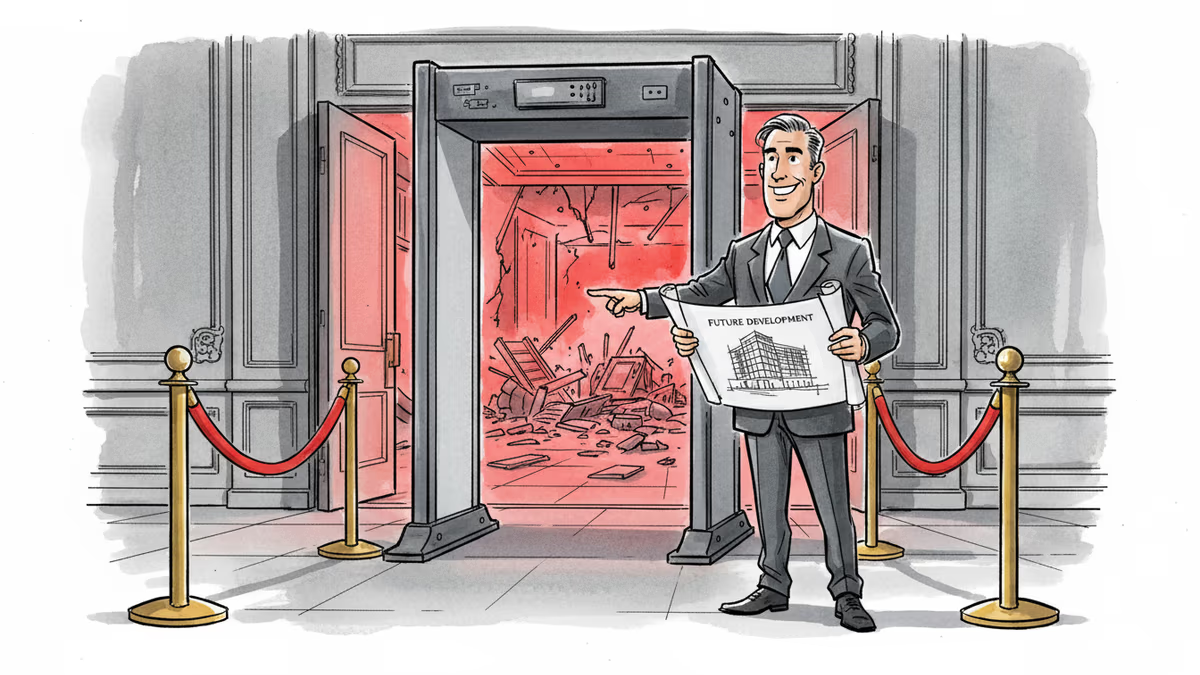
A gunman attacked a Secret Service checkpoint at the White House Correspondents' Dinner. Trump's first public reaction wasn't about security. It was about his $400M ballroom project.
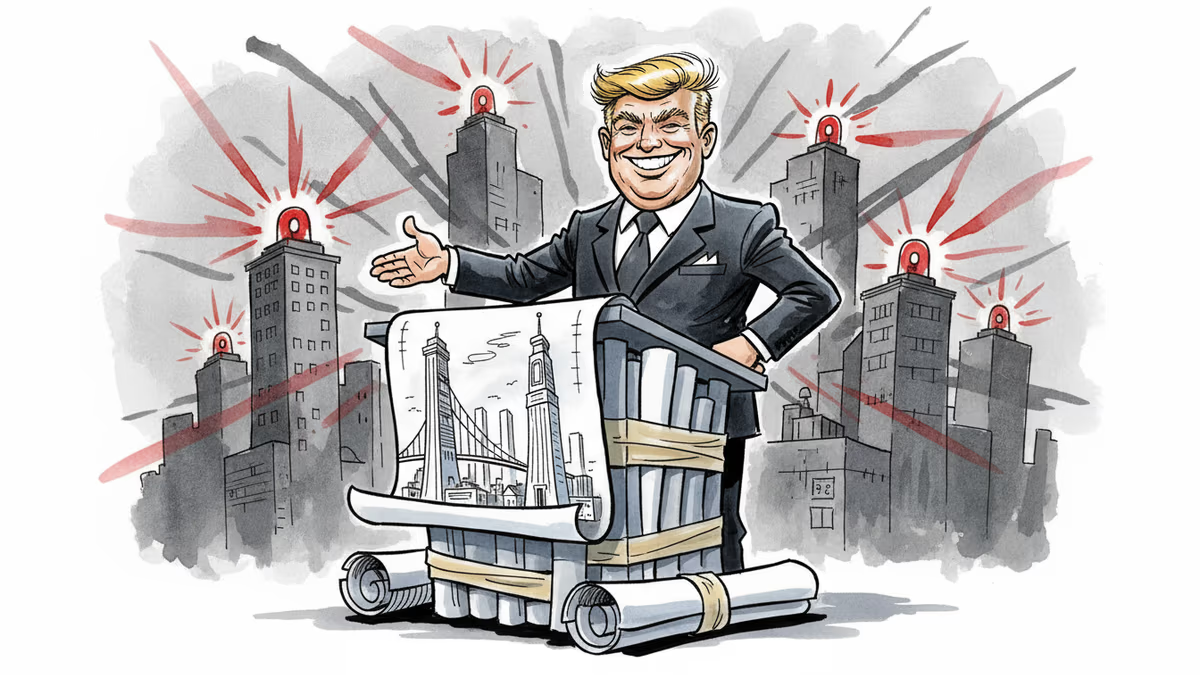
Hours after an armed suspect attempted to breach the White House Correspondents Dinner, Trump used the security scare to publicly defend his White House ballroom project. What does that tell us?
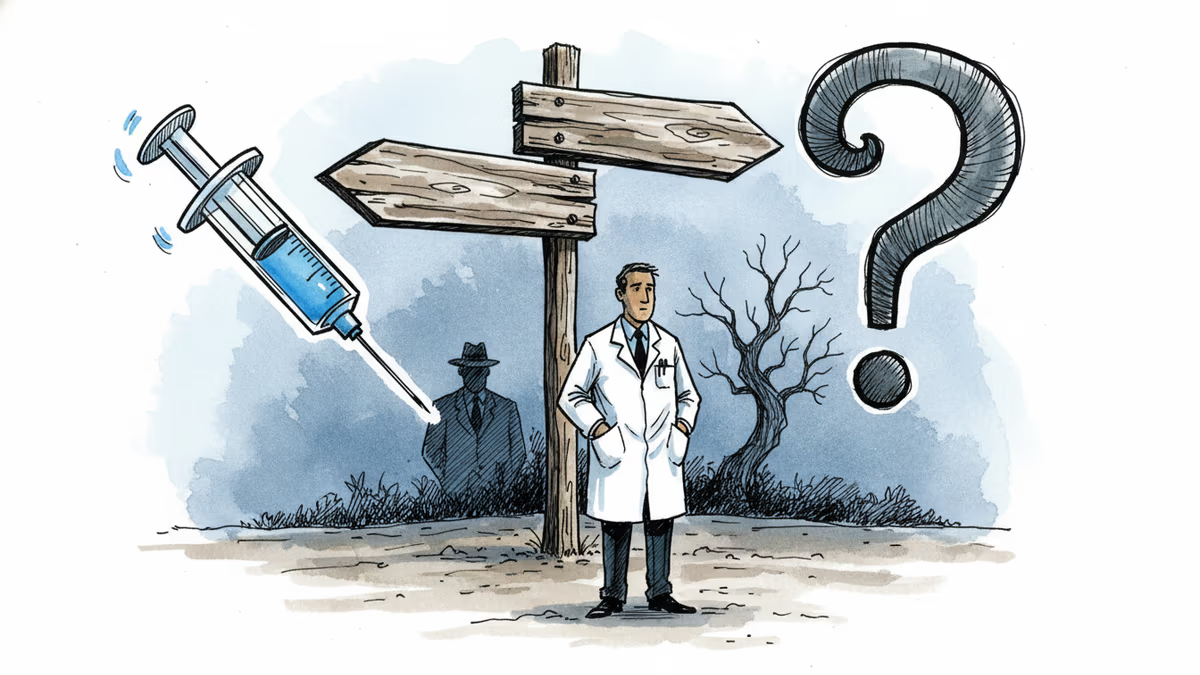
Dr. Erica Schwartz, a pro-vaccine physician with an unimpeachable public health résumé, is Trump's third CDC director nominee—a quiet but pointed rebuke of RFK Jr.'s agenda.
The Trump administration has gutted the DOJ's Voting Section, pushing out two dozen experienced lawyers and replacing them with loyalists. With 2026 midterms approaching, what does this mean for American democracy?
A gunman attacked a Secret Service checkpoint at the White House Correspondents' Dinner. Trump's first public reaction wasn't about security. It was about his $400M ballroom project.
Hours after an armed suspect attempted to breach the White House Correspondents Dinner, Trump used the security scare to publicly defend his White House ballroom project. What does that tell us?
Dr. Erica Schwartz, a pro-vaccine physician with an unimpeachable public health résumé, is Trump's third CDC director nominee—a quiet but pointed rebuke of RFK Jr.'s agenda.
Thoughts
Share your thoughts on this article
Sign in to join the conversation