
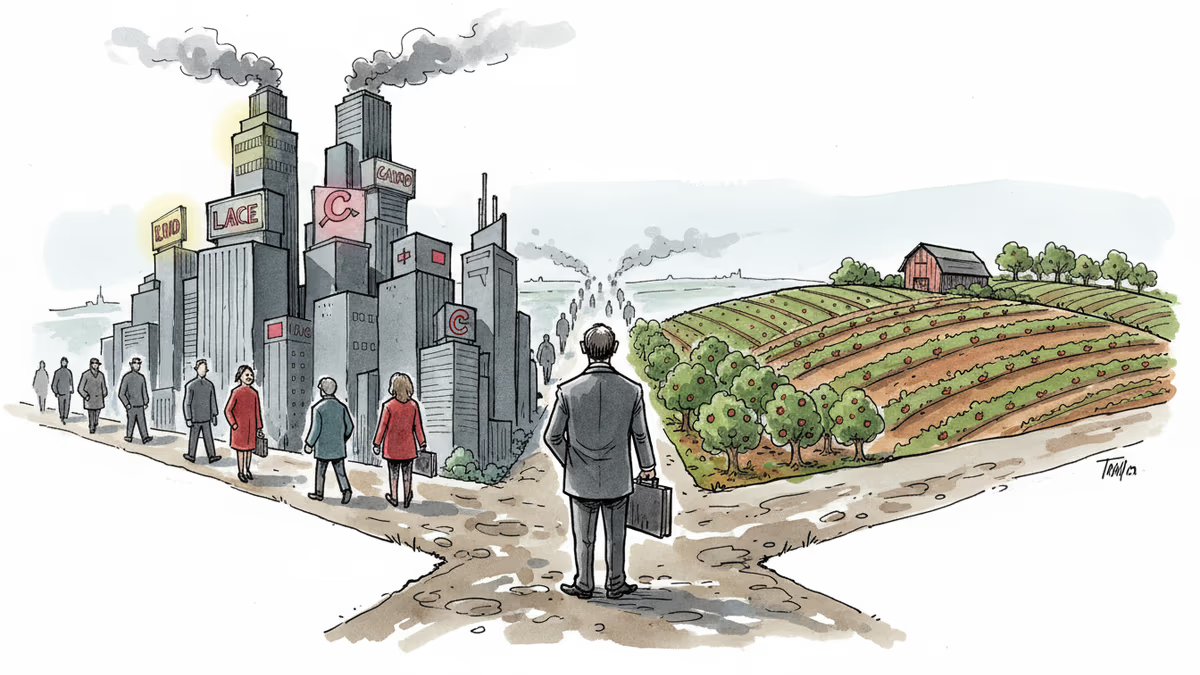
The MAHA Movement's Betrayal Moment: When Allies Turn Against Their Founder
Robert F. Kennedy Jr.'s support for Trump's glyphosate production order has sparked open revolt within the Make America Healthy Again movement he founded
When "Speechless" Says Everything
Vani Hari, better known as the "Food Babe," has built her career on finding words for food industry outrage. She's called out everything from yoga mat chemicals in bread to artificial colors in mac and cheese. But Wednesday left her truly speechless.
The reason? Her ally Robert F. Kennedy Jr., founder of the Make America Healthy Again (MAHA) movement, publicly endorsed President Trump's executive order to boost domestic glyphosate production—the very pesticide that MAHA has spent years demonizing.
"We truly were hoping that this administration would put people over corporate power," Hari told The Washington Post, "but this action moves us away from that commitment."
It's not just disappointment. It's a fundamental crack in a movement that promised to revolutionize America's relationship with food and health.
The Chemistry of Political Compromise
Glyphosate isn't just any pesticide—it's the world's most widely used herbicide and the subject of thousands of lawsuits alleging cancer links. For MAHA supporters, it represented everything wrong with America's food system: corporate profits over public health, regulatory capture, and the slow poisoning of American families.
But Trump's executive order reframes the issue entirely. It's not about health—it's about "America First" economics. Reducing dependence on Chinese-made pesticides, boosting domestic agricultural competitiveness, and strengthening supply chain security.

The agricultural lobby applauded. The American Farm Bureau called it "essential for food security and farmer competitiveness." Environmental groups predictably erupted. But the most interesting reaction came from within MAHA itself: open revolt.
Kennedy's Impossible Position
RFK Jr. finds himself in the classic political bind: maintain ideological purity or wield actual power. His past statements leave no ambiguity—he's called glyphosate a "toxic chemical" and demanded its regulation. Now he's supporting its expanded production.
His explanation? Sometimes compromise is necessary for bigger wins within the administration. It's the kind of political calculation that veteran Washington insiders understand but grassroots movements rarely forgive.
The MAHA base isn't buying it. Social media exploded with accusations of "selling out" and "corporate capture." Some supporters are already distancing themselves, questioning whether Kennedy can be trusted to fight for health when economic interests are at stake.
The Bigger Picture: Movement vs. Machine
This fracture reveals something deeper about American politics in 2026. Single-issue movements struggle when they encounter the messy realities of governing coalitions. MAHA attracted supporters who wanted pure health advocacy—no compromises, no political calculations, just clean food and transparent regulation.
But governing requires trade-offs. Economic security vs. environmental purity. Domestic production vs. global health standards. Political influence vs. ideological consistency.
The question isn't whether Kennedy made the right choice—it's whether movements like MAHA can survive contact with actual power. Can they maintain their moral authority while making the compromises necessary to achieve policy wins?
Authors
Related Articles
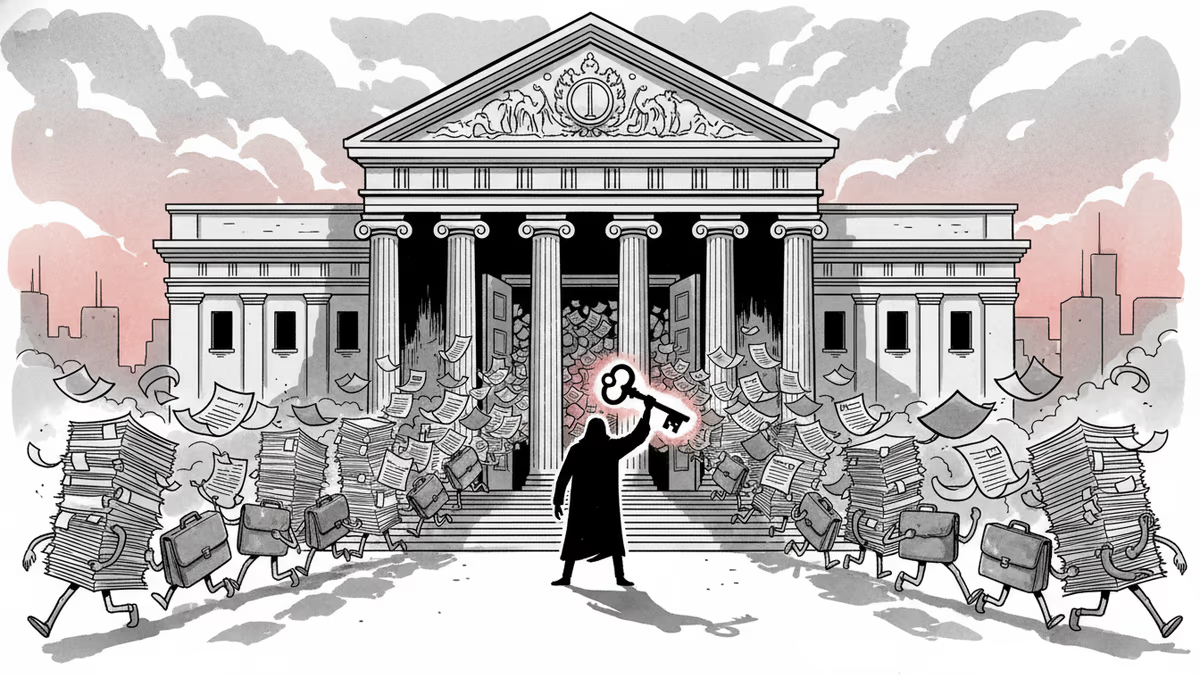
The Trump administration has gutted the DOJ's Voting Section, pushing out two dozen experienced lawyers and replacing them with loyalists. With 2026 midterms approaching, what does this mean for American democracy?
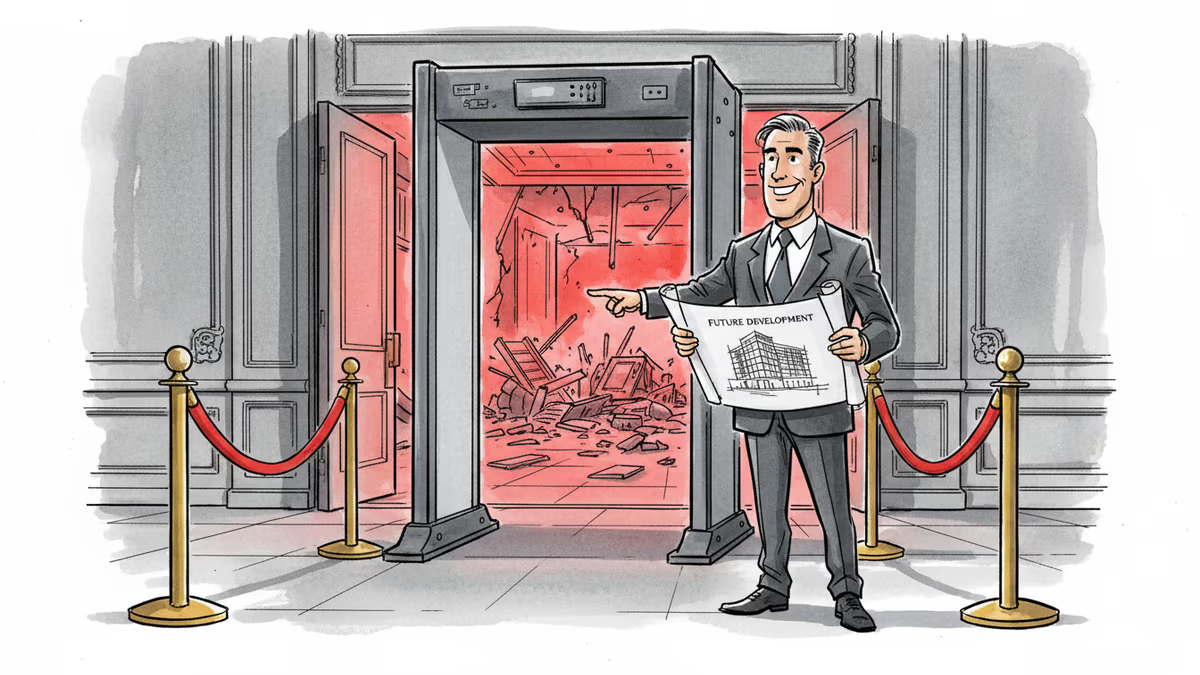
A gunman attacked a Secret Service checkpoint at the White House Correspondents' Dinner. Trump's first public reaction wasn't about security. It was about his $400M ballroom project.
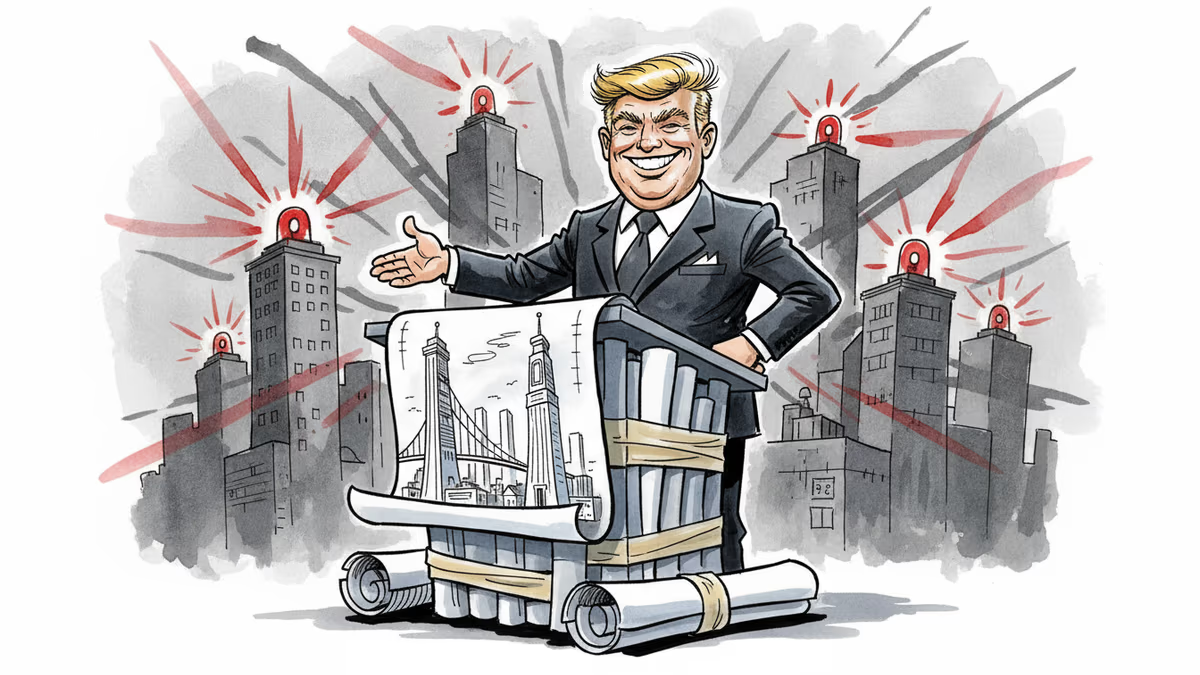
Hours after an armed suspect attempted to breach the White House Correspondents Dinner, Trump used the security scare to publicly defend his White House ballroom project. What does that tell us?
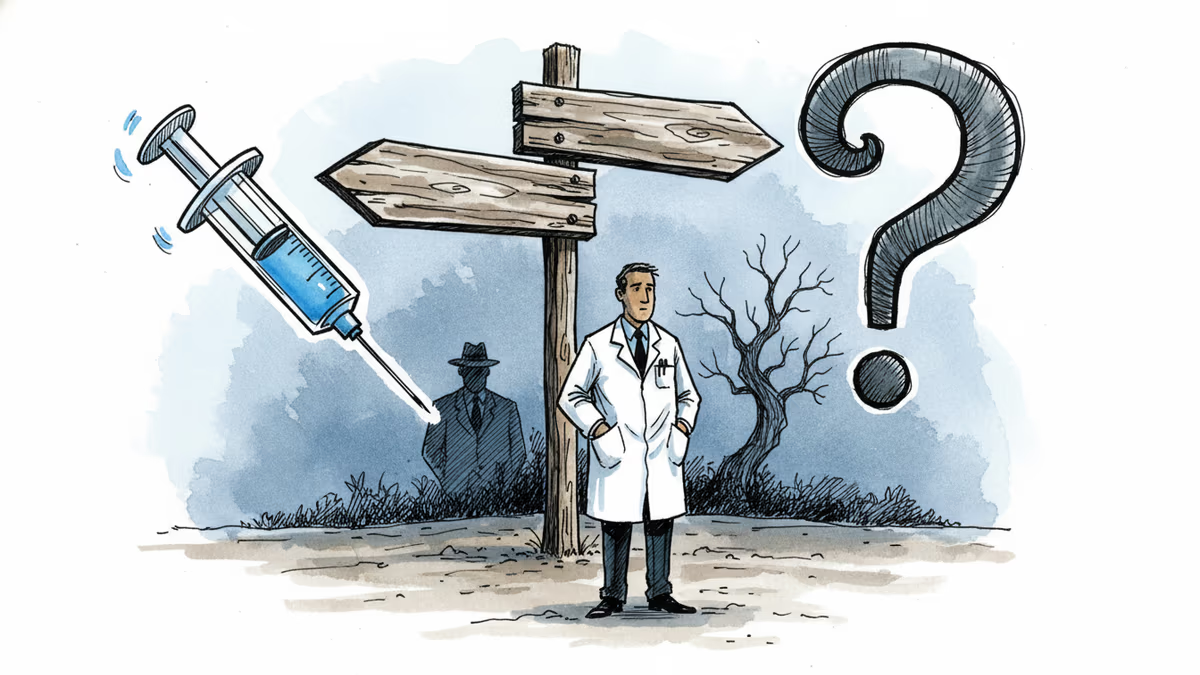
Dr. Erica Schwartz, a pro-vaccine physician with an unimpeachable public health résumé, is Trump's third CDC director nominee—a quiet but pointed rebuke of RFK Jr.'s agenda.
The Trump administration has gutted the DOJ's Voting Section, pushing out two dozen experienced lawyers and replacing them with loyalists. With 2026 midterms approaching, what does this mean for American democracy?
A gunman attacked a Secret Service checkpoint at the White House Correspondents' Dinner. Trump's first public reaction wasn't about security. It was about his $400M ballroom project.
Hours after an armed suspect attempted to breach the White House Correspondents Dinner, Trump used the security scare to publicly defend his White House ballroom project. What does that tell us?
Dr. Erica Schwartz, a pro-vaccine physician with an unimpeachable public health résumé, is Trump's third CDC director nominee—a quiet but pointed rebuke of RFK Jr.'s agenda.
Thoughts
Share your thoughts on this article
Sign in to join the conversation