
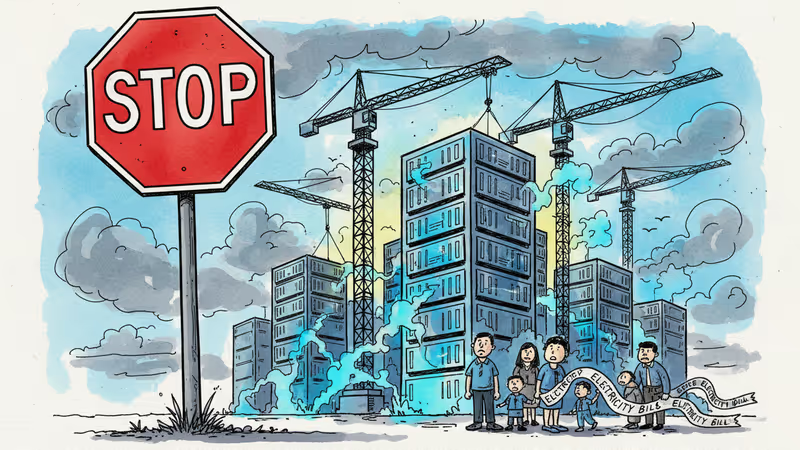
The Great Data Center Pause: Why 6 US States Want to Hit the Brakes on AI Infrastructure
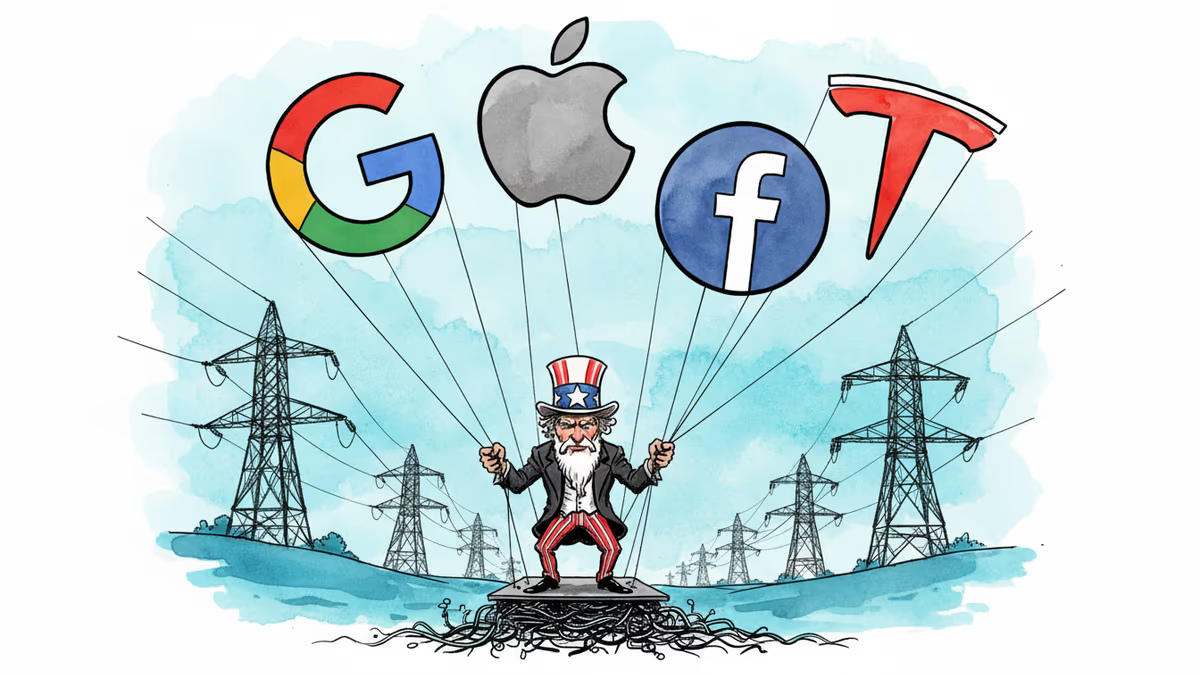
New York leads six states considering data center construction moratoriums amid rising electricity costs and environmental concerns. Bipartisan opposition emerges to AI infrastructure boom.
New York state lawmakers just threw a wrench into the AI infrastructure gold rush. Their proposed bill would freeze new data center construction permits for at least three years – and they're not alone.
A Bipartisan Brake Check
Six states are now considering similar pauses on data center construction, creating an unexpected roadblock for Google, Meta, OpenAI, and other tech giants planning massive AI infrastructure investments. What makes this movement particularly striking is its bipartisan nature.
Progressive Senator Bernie Sanders has called for a national moratorium, while conservative Florida Governor Ron DeSantis complained that data centers will lead to "higher energy bills just so some chatbot can corrupt some 13-year-old kid online." When Sanders and DeSantis agree on something, you know there's a deeper issue at play.
Democrats sponsored bills in Georgia, Vermont, and Virginia, while Republicans introduced similar measures in Maryland and Oklahoma. More than 230 environmental groups including Food & Water Watch, Friends of the Earth, and Greenpeace have signed an open letter demanding congressional action.
The Hidden Cost of AI Progress
The core concern isn't technological – it's economic. Studies consistently link data centers to increased home electricity bills in surrounding communities. As AI models become more sophisticated and power-hungry, the strain on local power grids intensifies.

Liz Krueger, the New York state senator sponsoring the bill, described her state as "completely unprepared" for the "massive data centers" targeting the region. Her worry? "Getting caught in a bubble that will burst and leave New York utility customers footing a huge bill."
This fear isn't unfounded. Data centers can consume as much electricity as small cities, and their energy demands are growing exponentially with each new generation of AI models.
The Infrastructure vs. Innovation Dilemma
Governor Kathy Hochul recently announced the Energize NY Development initiative, attempting to balance growth with responsibility by requiring large energy users to "pay their fair share." But this middle-ground approach highlights a fundamental tension: How do you foster innovation while protecting communities from its costs?
The timing is particularly challenging. As China ramps up state-backed AI infrastructure investments, any slowdown in U.S. data center construction could impact America's competitive position in the global AI race. Tech companies argue that regulatory delays could push critical infrastructure overseas.
Beyond the Binary Choice
What's emerging isn't simply a pro-tech versus anti-tech divide. Instead, communities are demanding a more thoughtful approach to AI infrastructure development – one that considers long-term sustainability alongside short-term innovation goals.
The movement reflects broader questions about who bears the costs of technological progress. Should local communities subsidize global tech companies' infrastructure through higher utility bills? How do we balance national competitiveness with regional equity?
Authors
Related Articles
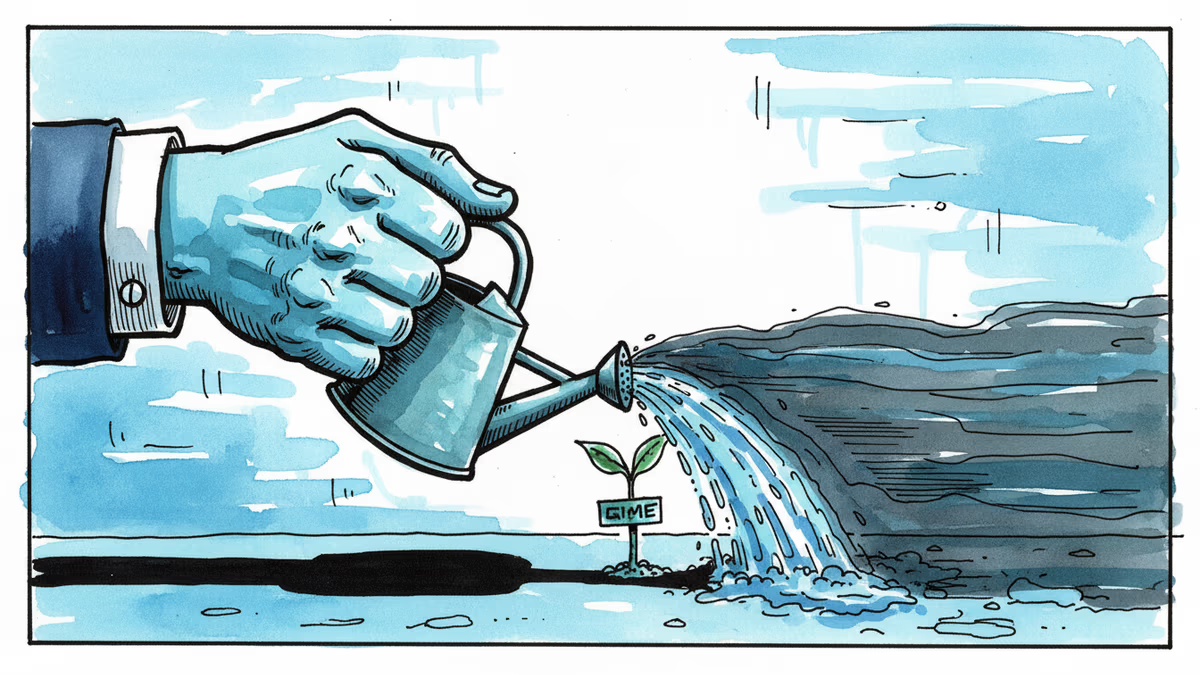
Google is committing up to $40 billion to Anthropic, a direct AI competitor. The deal reveals how the real AI arms race isn't about models — it's about who controls the infrastructure beneath them.
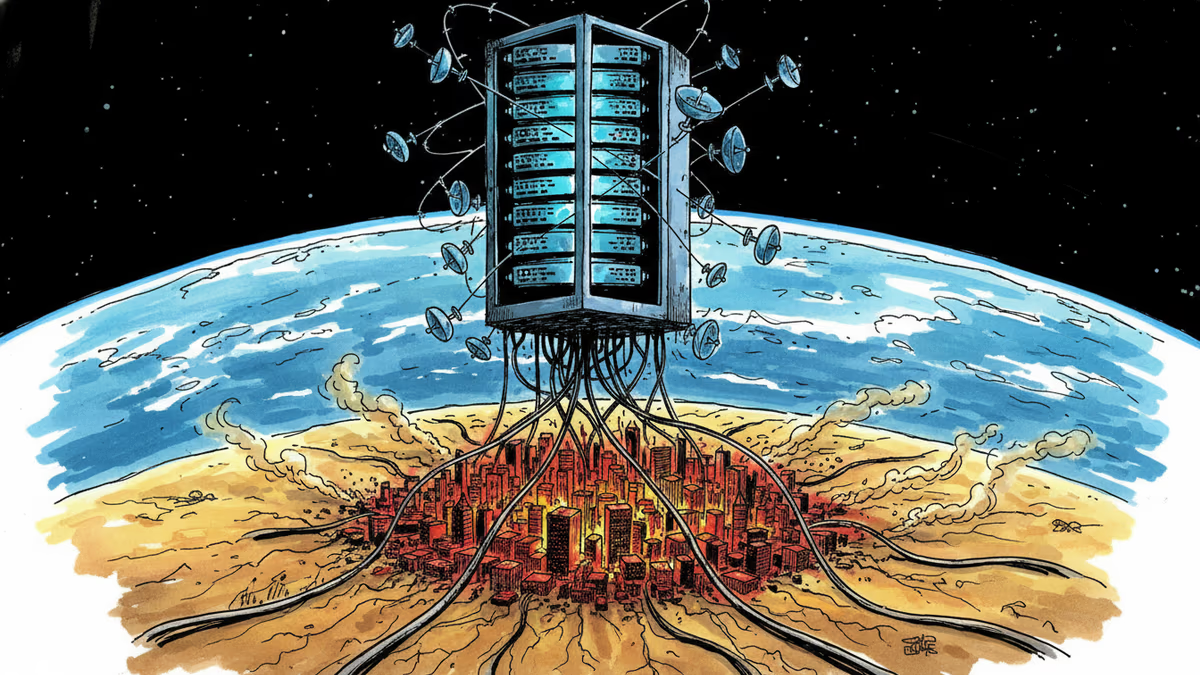
SpaceX wants to launch a million orbital data centers to power AI without draining Earth. The vision is compelling. The physics, economics, and debris math are not.
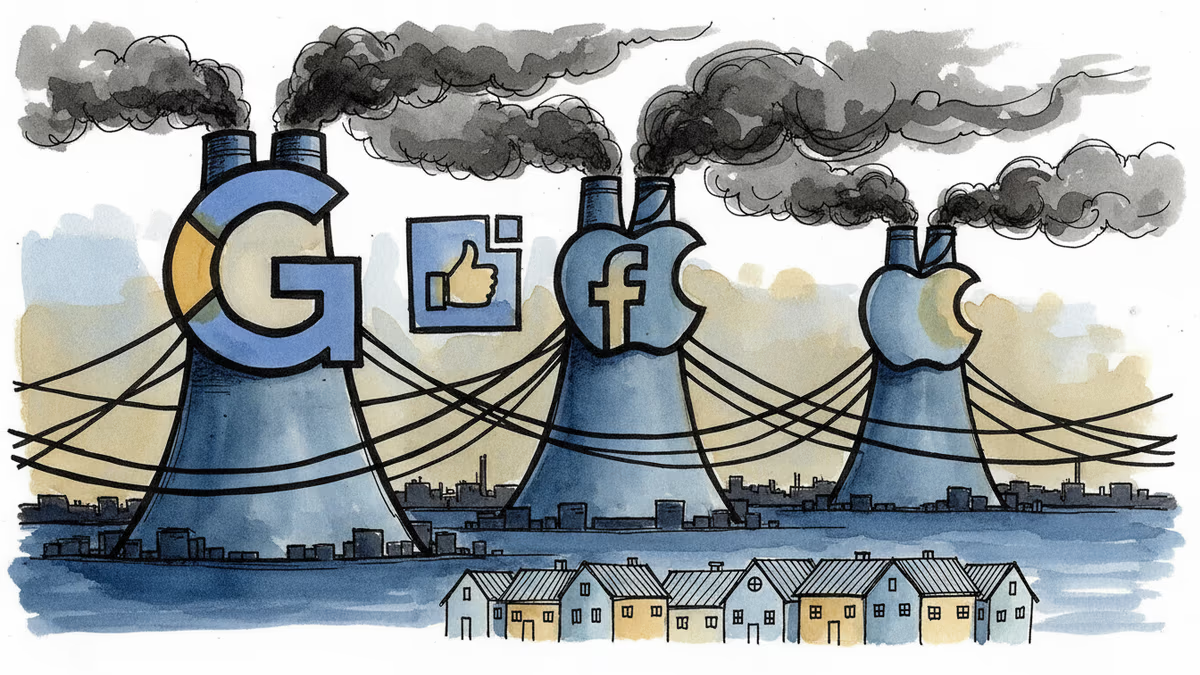
Amazon, Google, Meta and others pledge to pay for their data centers' power infrastructure, but the agreement lacks enforcement and ignores basic economics
Trump administration secures nonbinding pledge from tech giants to protect consumers from data center electricity costs, but experts doubt meaningful impact
Google is committing up to $40 billion to Anthropic, a direct AI competitor. The deal reveals how the real AI arms race isn't about models — it's about who controls the infrastructure beneath them.
SpaceX wants to launch a million orbital data centers to power AI without draining Earth. The vision is compelling. The physics, economics, and debris math are not.
Amazon, Google, Meta and others pledge to pay for their data centers' power infrastructure, but the agreement lacks enforcement and ignores basic economics
Trump administration secures nonbinding pledge from tech giants to protect consumers from data center electricity costs, but experts doubt meaningful impact
Thoughts
Share your thoughts on this article
Sign in to join the conversation