
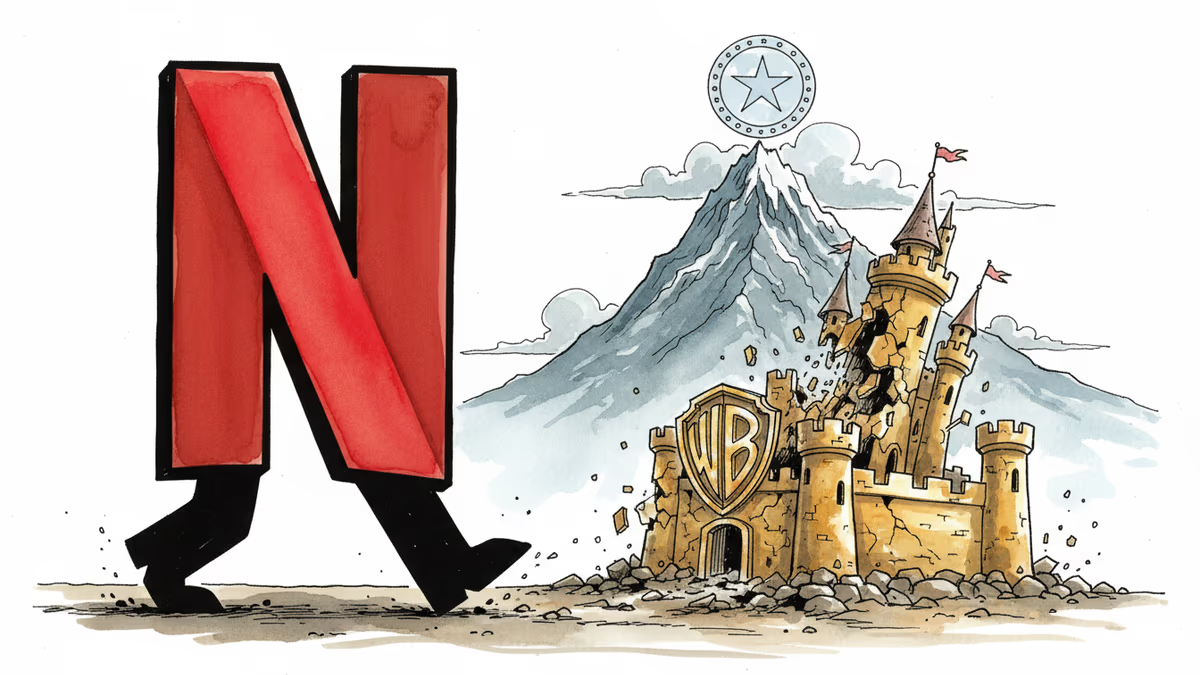
Why Netflix Just Walked Away From an $83B Deal
Netflix abandons Warner Bros-HBO acquisition, reshaping streaming consolidation wars. Analysis of the decision's impact on content strategy and market competition
The $83 Billion Question That Changed Everything
Netflix just walked away from what could've been the deal of the decade. The streaming giant officially declined to match Paramount Skydance's latest bid for Warner Bros. studio, HBO, and HBO Max, ending months of speculation about a mega-merger that would've reshaped entertainment.
"At the price required to match Paramount Skydance's latest offer, the deal is no longer financially attractive," co-CEOs Ted Sarandos and Greg Peters said Thursday. Translation: even Netflix has limits when it comes to paying for content supremacy.
The Streaming Wars Just Got Messier
This isn't just about one failed acquisition. It's about a fundamental shift in how streaming giants view growth. Netflix, which spent years throwing money at content like confetti, just demonstrated something rare in Silicon Valley: financial discipline.

Warner Bros. brings Harry Potter, the DC Universe, and Game of Thrones to the table. Losing these franchises means Netflix doubles down on its original content strategy, betting that Stranger Things and Wednesday can compete with decades-old IP.
Meanwhile, Paramount emerges as the surprise winner, combining Top Gun and Mission Impossible with Warner's catalog. Suddenly, the company many wrote off as a streaming also-ran becomes a legitimate Disney+ competitor.
What This Means for Your Wallet
For consumers, Netflix's restraint might actually be good news. Instead of another mega-platform with higher subscription fees, we're heading toward a world of specialized services. Netflix focuses on originals, Warner-Paramount owns blockbuster franchises, Disney dominates family content.
But here's the catch: specialized doesn't mean cheaper. Industry analysts predict the average household will need 4-5 streaming subscriptions by 2027 to access the same content variety they get today from 2-3 services.
The real winners? Independent creators and international content producers. As platforms differentiate, they're hunting for unique programming that can't be found elsewhere.
Authors
Related Articles
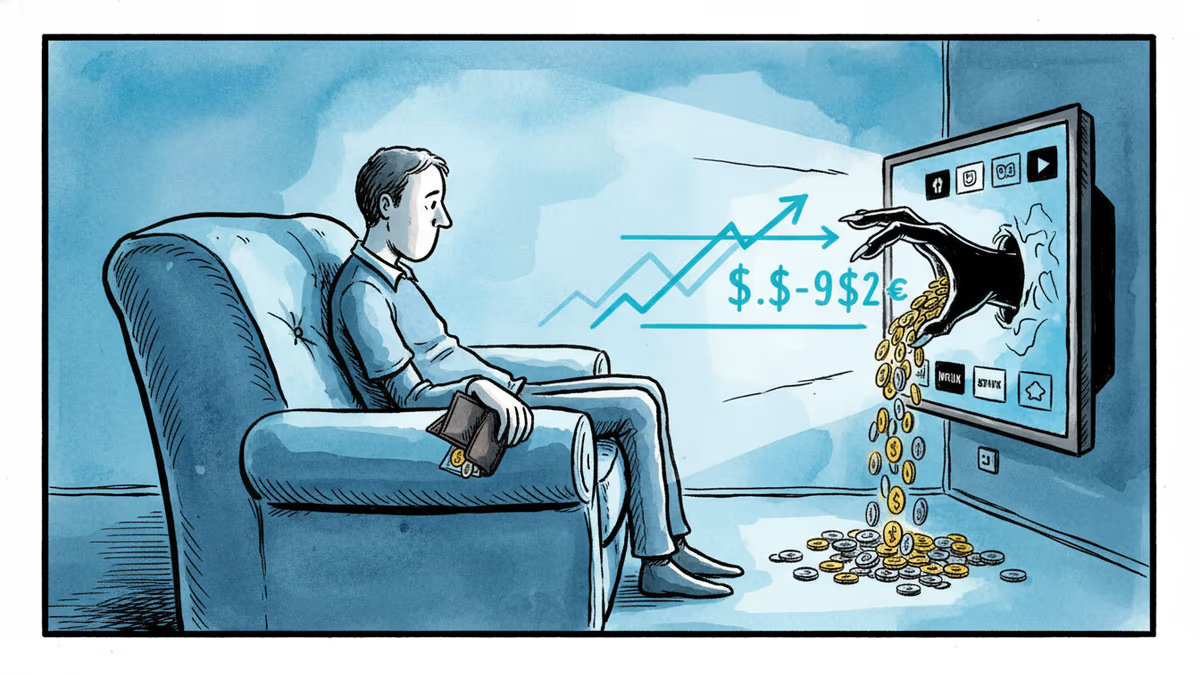
Netflix has hiked prices across all plans, including its ad-supported tier, just 14 months after its last increase. What this means for subscribers, competitors, and the future of streaming economics.
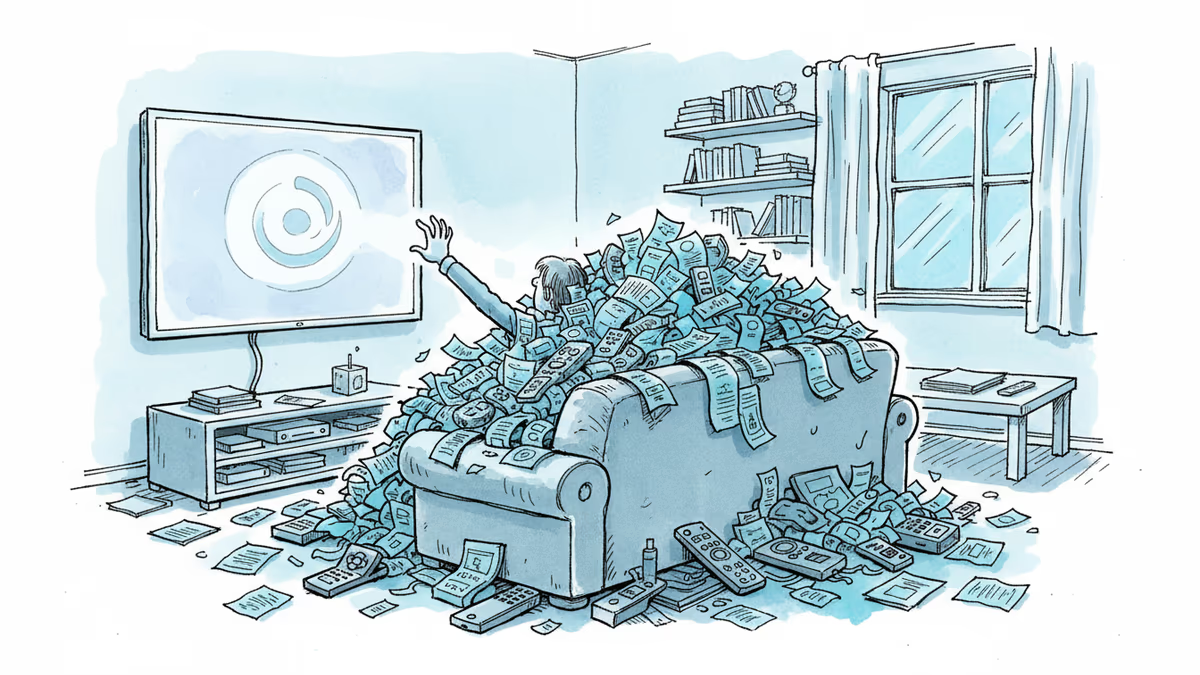
Streaming prices have doubled in a decade. Netflix, Disney, HBO Max — every platform is charging more and adding ads. Here's why, and what it means for you.
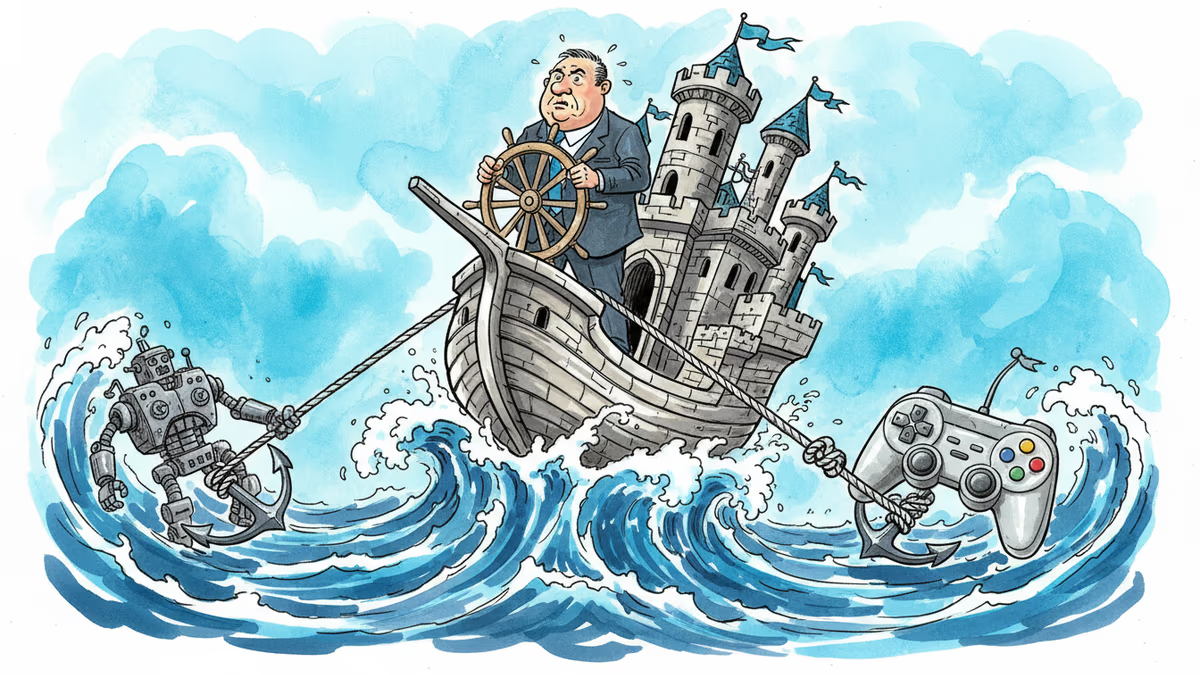
Days into his tenure, Disney CEO Josh D'Amaro faces simultaneous crises: OpenAI's Sora shutdown threatens a $1B AI deal, while Epic's layoffs cast doubt on a $1.5B metaverse plan.
An FCC enforcement chief privately offered to help Chairman Brendan Carr's pressure campaign against ABC—while holding direct authority over the very stations being targeted. What this reveals about regulatory independence.
Netflix has hiked prices across all plans, including its ad-supported tier, just 14 months after its last increase. What this means for subscribers, competitors, and the future of streaming economics.
Streaming prices have doubled in a decade. Netflix, Disney, HBO Max — every platform is charging more and adding ads. Here's why, and what it means for you.
Days into his tenure, Disney CEO Josh D'Amaro faces simultaneous crises: OpenAI's Sora shutdown threatens a $1B AI deal, while Epic's layoffs cast doubt on a $1.5B metaverse plan.
An FCC enforcement chief privately offered to help Chairman Brendan Carr's pressure campaign against ABC—while holding direct authority over the very stations being targeted. What this reveals about regulatory independence.
Thoughts
Share your thoughts on this article
Sign in to join the conversation