
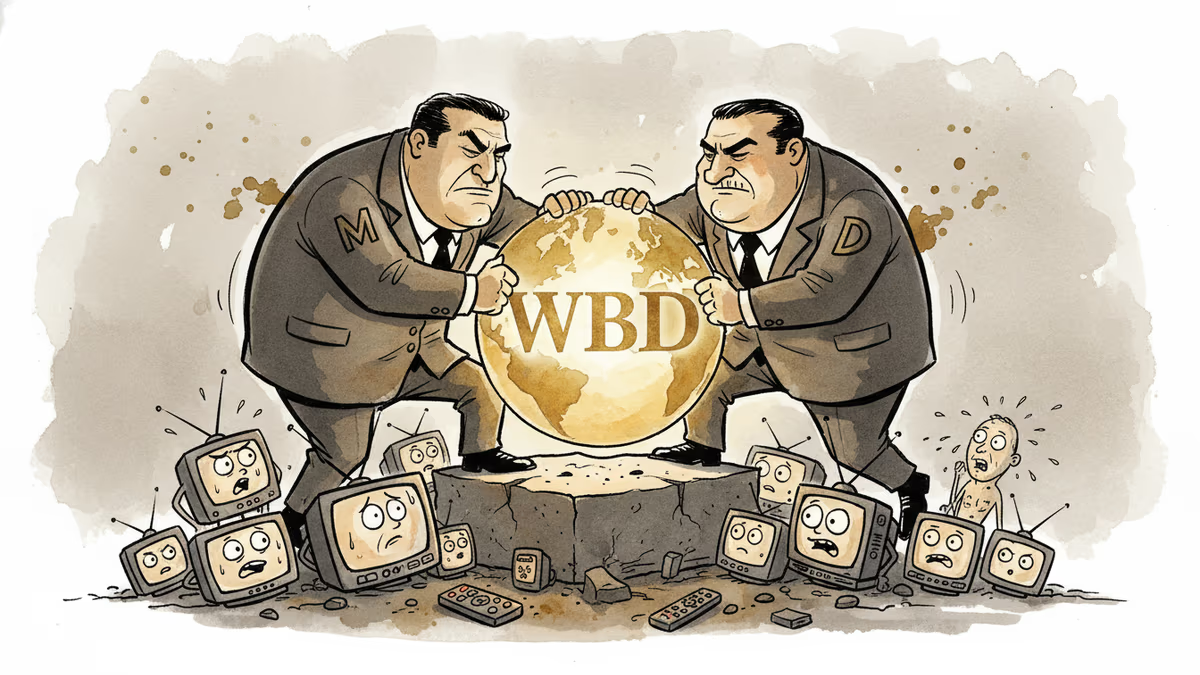
The $111B Media War Ends, But Who Really Won?
Paramount beats Netflix to acquire Warner Bros. Discovery for $111 billion, but this massive consolidation raises bigger questions about the future of entertainment.
$111 Billion Changed Hands in 48 Hours
The biggest deal in Hollywood history just closed. Paramount will acquire Warner Bros. Discovery for $31 per share, totaling approximately $111 billion—beating Netflix's$82.7 billion all-cash bid.
But this isn't just about money. It's about David Ellison, son of the world's sixth-richest person Larry Ellison, building a media empire with his father's $201 billion fortune backing the play.
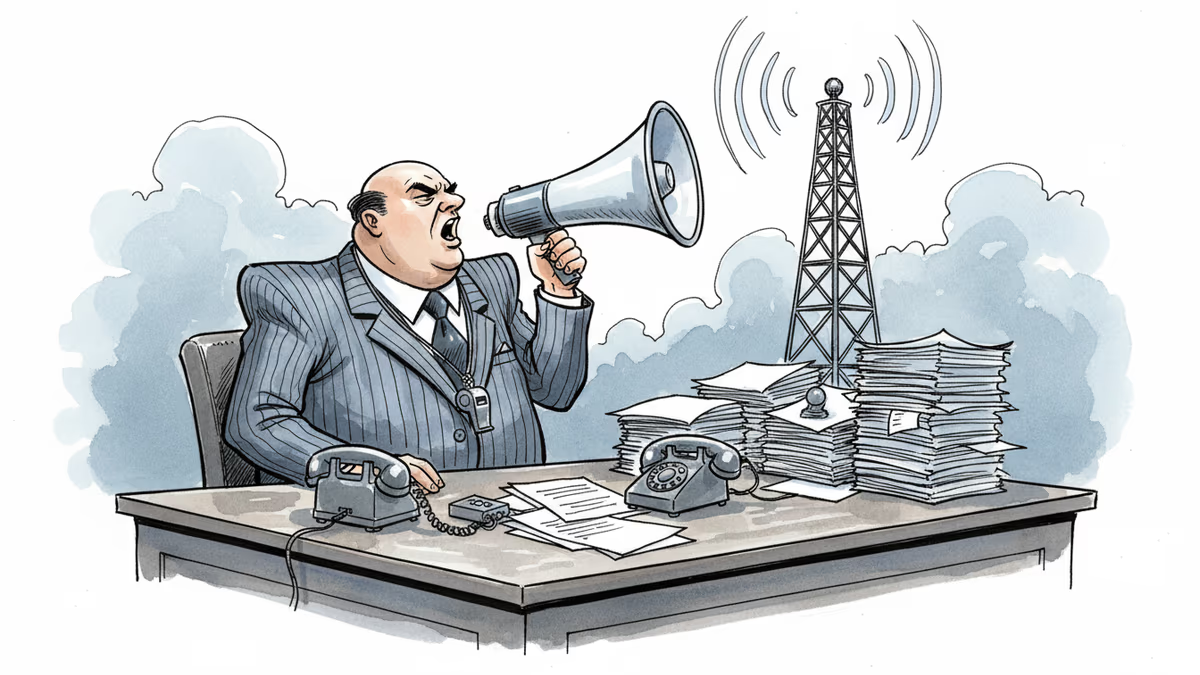
The numbers tell a story of consolidation that goes far beyond typical M&A. When Netflix walked away after having four business days to counter, it signaled something deeper about where the streaming wars are headed.
Why Did Netflix Fold?
Netflix had its shot to raise the bid. Instead, it walked away, leaving a $2.8 billion termination fee that Paramount agreed to cover. Three reasons explain this surprising retreat:
First, Netflix only wanted WBD's studios and streaming assets. The linear TV networks—CNN, HBO, Discovery Channel—weren't part of their vision. Paramount wanted everything.
Second, that $2.8 billion breakup fee created a significant hurdle. Paramount's willingness to absorb this cost demonstrated serious commitment.
Third, the market's reaction was telling. Netflix shares jumped 10% in extended trading. Investors actually rewarded Netflix for walking away from what could have been a costly acquisition.

What This Means for Viewers
One company will now control Harry Potter, the DC Universe, HBO, CNN, Discovery, and Mission: Impossible. That's unprecedented content consolidation.
The upside? Potential for better content bundling and cross-platform synergies. The downside? David Ellison has already warned of "significant job cuts." His track record at CBS—installing conservative provocateur Bari Weiss as editor-in-chief and reportedly shelving Trump-critical reporting—raises questions about editorial independence.
For consumers, this could mean fewer choices and higher prices. When media giants consolidate, competition typically suffers.
The Real Winners and Losers
Surface-level, Paramount won. But they're also taking on $33 billion in WBD debt—a massive burden even for Larry Ellison's deep pockets.
Netflix might have actually won by losing. They avoided the complexity of integrating traditional media assets while maintaining focus on streaming innovation. The market's positive reaction suggests investors agree.
The timing is crucial. This mega-merger happens as streaming growth slows and AI threatens to revolutionize content creation. Are these companies preparing for the future or clinging to an outdated playbook?
The Regulatory Question Nobody's Asking
This deal will face antitrust scrutiny, but current regulatory frameworks weren't designed for today's media landscape. How do you define market concentration when Netflix competes with TikTok, YouTube, and video games for attention?
The Biden administration has taken a tougher stance on media consolidation, but Trump's return could change that calculus. Larry Ellison's support for Trump might prove strategically valuable.
Authors
Related Articles
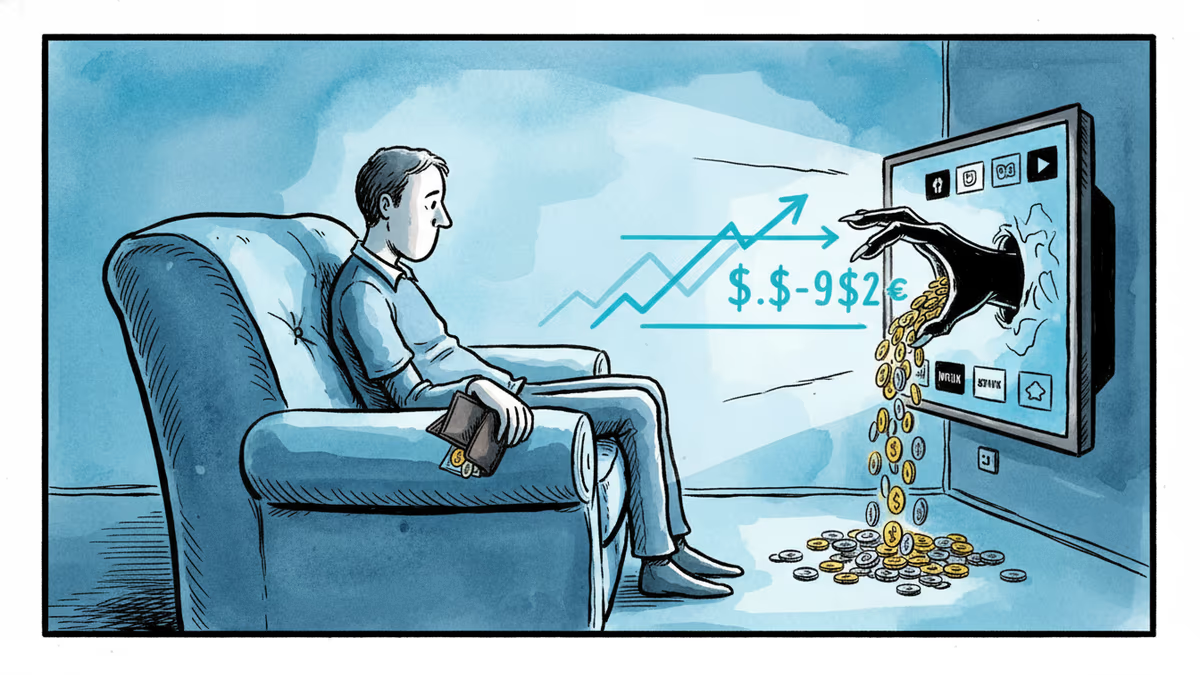
Netflix has hiked prices across all plans, including its ad-supported tier, just 14 months after its last increase. What this means for subscribers, competitors, and the future of streaming economics.
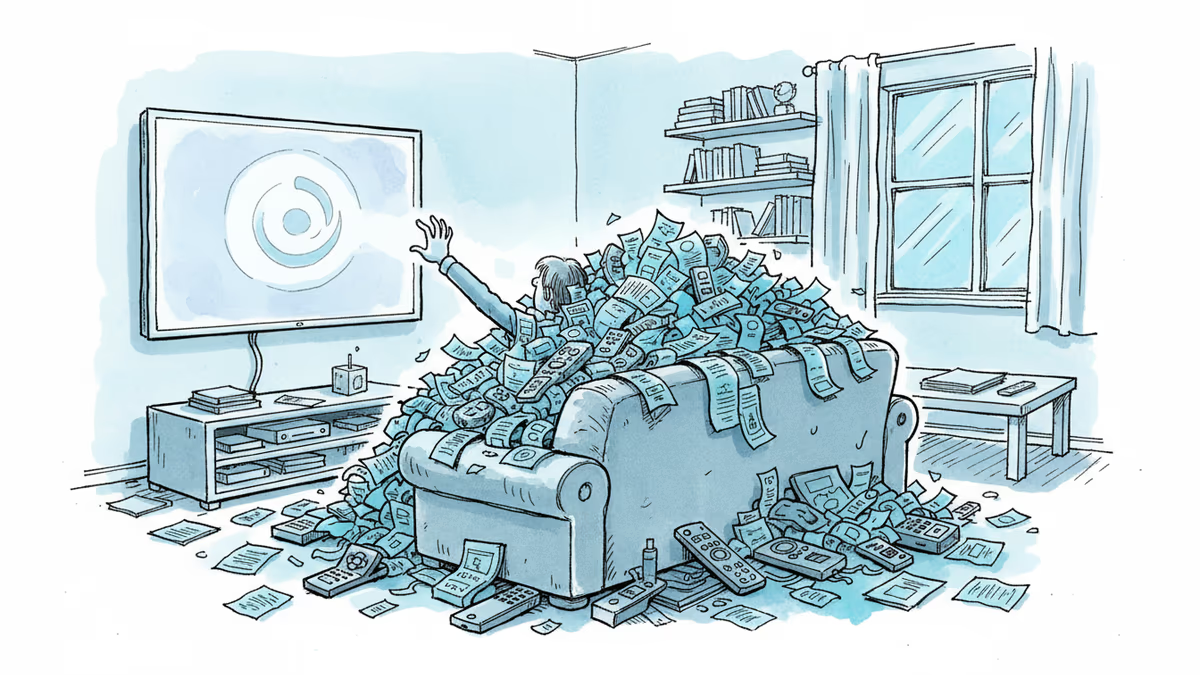
Streaming prices have doubled in a decade. Netflix, Disney, HBO Max — every platform is charging more and adding ads. Here's why, and what it means for you.
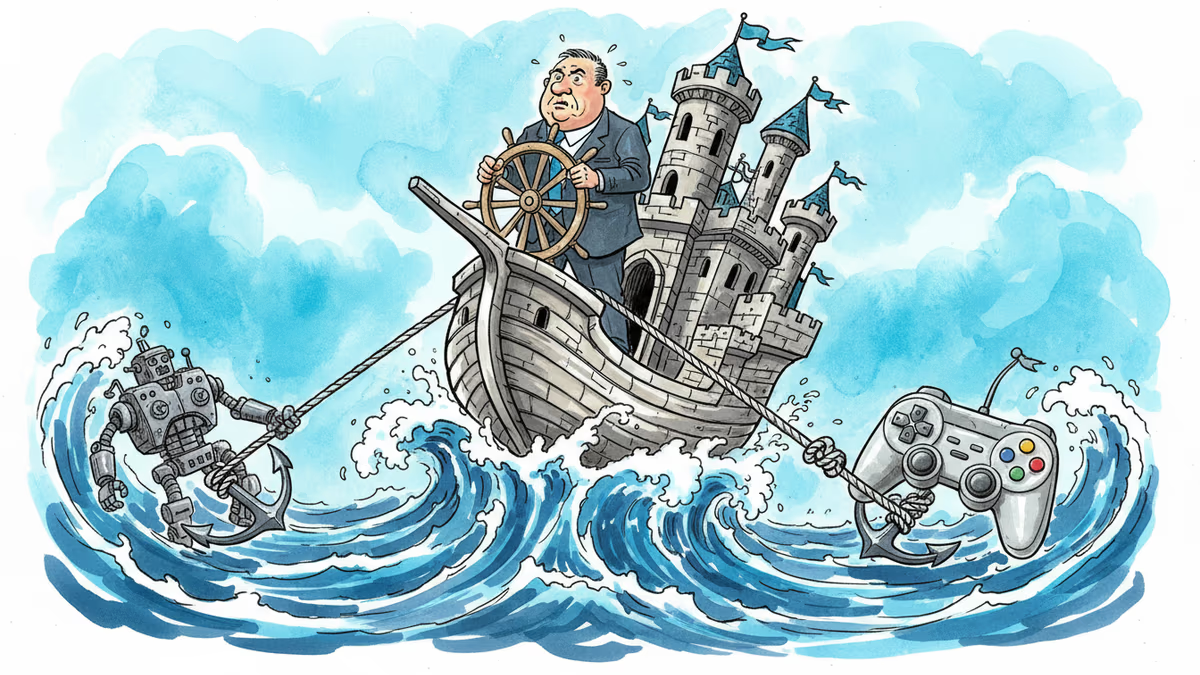
Days into his tenure, Disney CEO Josh D'Amaro faces simultaneous crises: OpenAI's Sora shutdown threatens a $1B AI deal, while Epic's layoffs cast doubt on a $1.5B metaverse plan.
An FCC enforcement chief privately offered to help Chairman Brendan Carr's pressure campaign against ABC—while holding direct authority over the very stations being targeted. What this reveals about regulatory independence.
Netflix has hiked prices across all plans, including its ad-supported tier, just 14 months after its last increase. What this means for subscribers, competitors, and the future of streaming economics.
Streaming prices have doubled in a decade. Netflix, Disney, HBO Max — every platform is charging more and adding ads. Here's why, and what it means for you.
Days into his tenure, Disney CEO Josh D'Amaro faces simultaneous crises: OpenAI's Sora shutdown threatens a $1B AI deal, while Epic's layoffs cast doubt on a $1.5B metaverse plan.
An FCC enforcement chief privately offered to help Chairman Brendan Carr's pressure campaign against ABC—while holding direct authority over the very stations being targeted. What this reveals about regulatory independence.
Thoughts
Share your thoughts on this article
Sign in to join the conversation