

When Success Isn't Enough: Etsy's $400M Depop Loss
Etsy sells Depop to eBay for $1.2B after buying it for $1.62B in 2021. A case study in platform economics and the brutal math of strategic focus.
$400 Million Just Vanished
Etsy is selling Depop to eBay for $1.2 billion in cash. The math is brutal: Etsy paid $1.62 billion for the Gen Z fashion resale darling just five years ago. That's a $400 million loss on paper. But this isn't just about money—it's about the harsh realities of platform economics in 2026.
When Etsy acquired Depop in 2021, the logic seemed bulletproof. Secondhand fashion was booming, Gen Z was obsessed with sustainable shopping, and Depop had the cool factor that Etsy's handmade crafts couldn't match. The bet appeared to pay off: Depop hit $1 billion in gross merchandise sales in 2025, with nearly 60% year-over-year growth in the U.S.
The Success That Became a Problem
Here's the paradox: Depop succeeded, but Etsy couldn't afford it anymore. While Depop thrived with its 7 million active buyers (90% under 34), Etsy's core marketplace was struggling. Revenue growth plummeted from 7.1% in 2023 to just 2.2% in 2024, as Amazon, Temu, and Shein squeezed margins across e-commerce.

"This transaction allows us to focus exclusively on the compelling opportunity we see in front of us: to grow the Etsy marketplace," CEO Kruti Patel Goyal said. Translation: we can't fight on multiple fronts anymore.
For eBay, this is strategic gold. CEO Jamie Iannone sees Depop as the missing piece in eBay's youth strategy. The original online marketplace gets instant access to Gen Z's preferred shopping habits—social discovery, mobile-first browsing, and community-driven commerce. It's a demographic eBay has struggled to crack for years.
The Platform Consolidation Game
This sale fits a disturbing pattern. Etsy also divested Brazilian marketplace Elo7 and musical instrument platform Reverb. The company went from "niche market collector" to "strategic focused" in record time. It's happening everywhere: platforms are choosing survival over expansion.
The implications ripple beyond corporate boardrooms. For the 3 million active sellers on Depop, this means new policies, different fee structures, and potentially losing the intimate community feel that made the platform special. eBay's scale brings opportunities, but also the risk of corporate homogenization.
Investors are watching closely. If a profitable, growing platform like Depop can't justify its independence, what does that say about the hundreds of niche marketplaces trying to carve out their own space? The message is clear: in platform economics, being good isn't enough—you need to be essential.
Authors
Related Articles
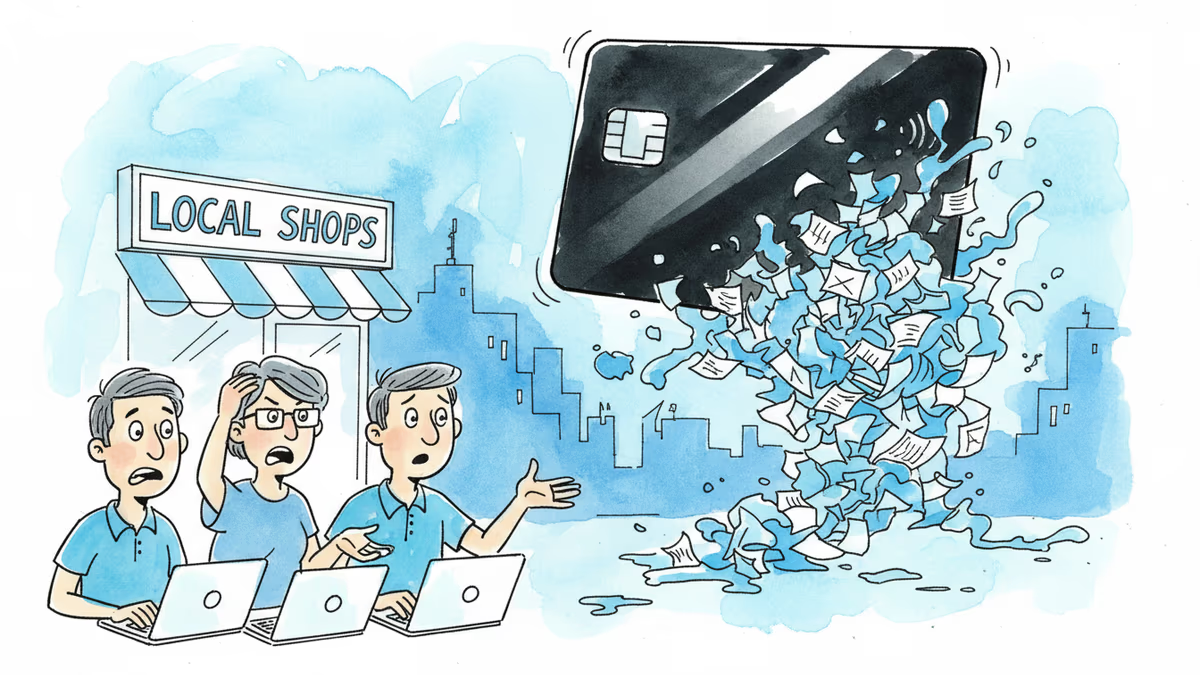
E-commerce fintech Parker filed for Chapter 7 bankruptcy on May 7, despite raising over $200M. The YC-backed startup's abrupt shutdown left small business customers scrambling—and exposed the fragility of vertical fintech models.
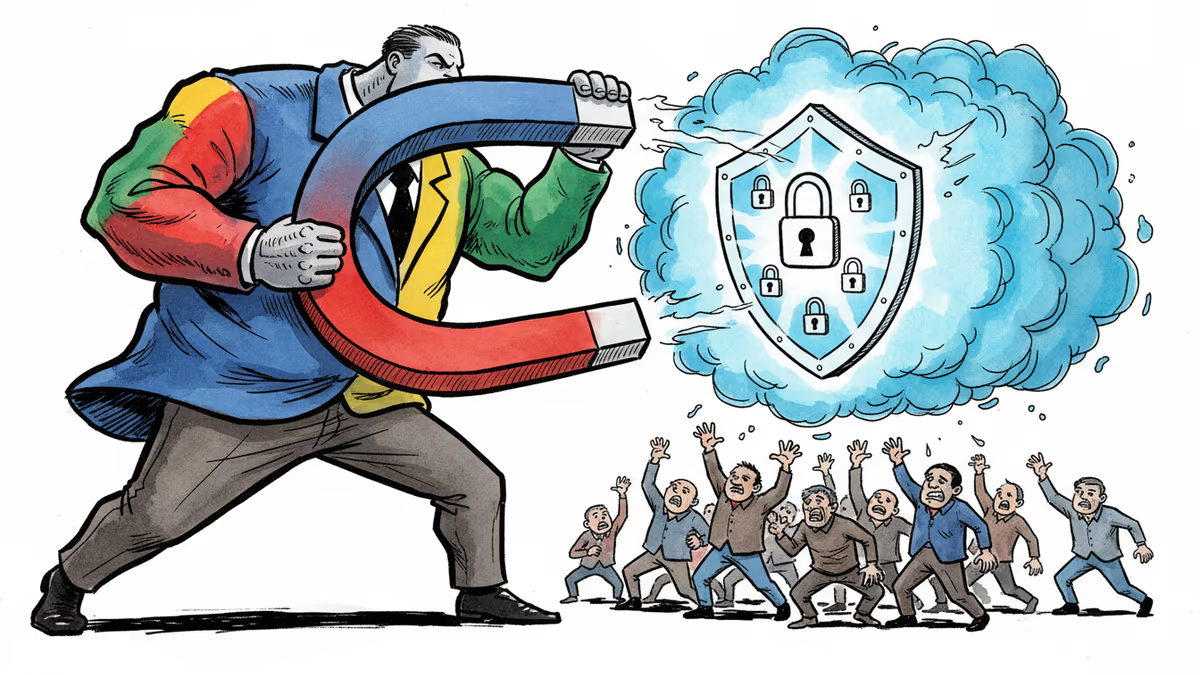
Google's $32 billion acquisition of Wiz is the largest venture-backed startup deal in history. Here's why the cybersecurity firm was worth every penny — and what it signals for the cloud wars ahead.

Google's $32 billion acquisition of Wiz is the largest venture-backed deal in history. But the real story isn't the price tag — it's what the deal reveals about where the cloud war is actually being fought.
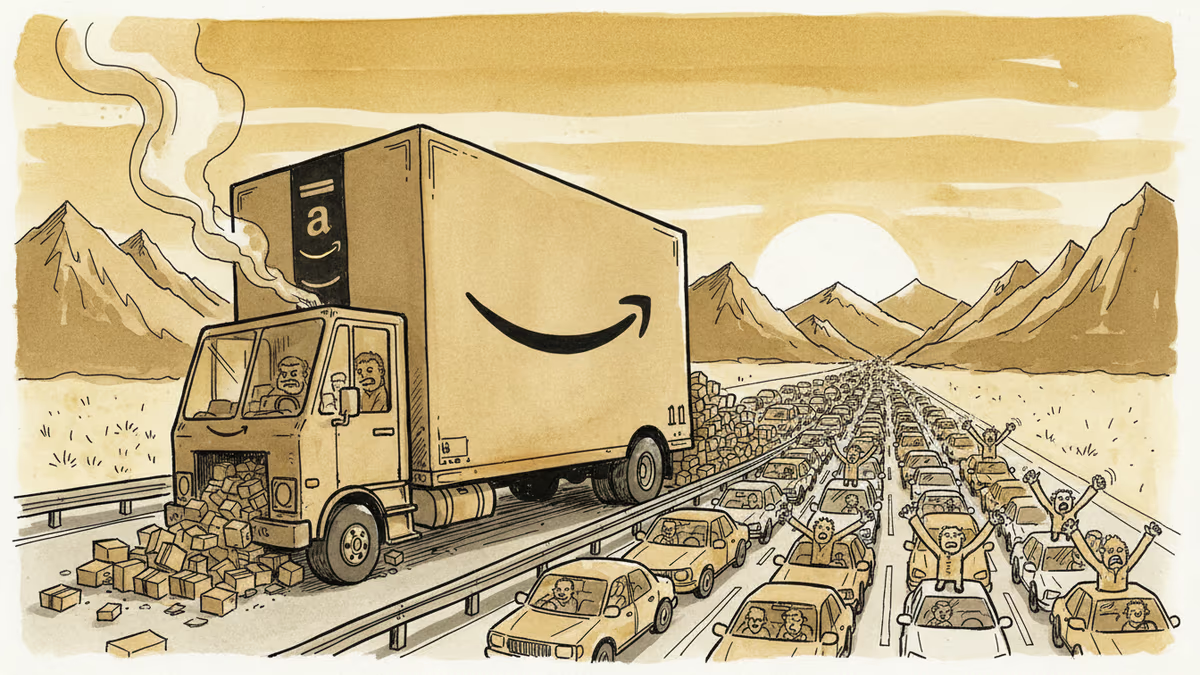
Over 20,000 reports flood in as Amazon suffers major service disruption, highlighting dangerous over-reliance on single platforms in modern e-commerce.
E-commerce fintech Parker filed for Chapter 7 bankruptcy on May 7, despite raising over $200M. The YC-backed startup's abrupt shutdown left small business customers scrambling—and exposed the fragility of vertical fintech models.
Google's $32 billion acquisition of Wiz is the largest venture-backed startup deal in history. Here's why the cybersecurity firm was worth every penny — and what it signals for the cloud wars ahead.
Google's $32 billion acquisition of Wiz is the largest venture-backed deal in history. But the real story isn't the price tag — it's what the deal reveals about where the cloud war is actually being fought.
Over 20,000 reports flood in as Amazon suffers major service disruption, highlighting dangerous over-reliance on single platforms in modern e-commerce.
Thoughts
Share your thoughts on this article
Sign in to join the conversation