

NASA Spacewalk Postponed Due to Unexpected Medical Concern 2026
NASA has postponed a key ISS spacewalk scheduled for January 8, 2026, due to a crew medical concern. Learn about the mission implications and the current status of the crew.
Even in orbit, health takes center stage. NASA has officially put the brakes on a planned excursion outside the International Space Station after a crew member reported a medical issue.
NASA Spacewalk Postponed: Safety Over Schedule
On January 7, 2026, NASA announced that a scheduled spacewalk for Thursday morning wouldn't be happening as planned. The decision follows a "medical concern" involving one of the astronauts currently aboard the ISS. Astronauts Mike Fincke and Zena Cardman were set to spend 6.5 hours in the vacuum of space to prep the station for new solar arrays.
These new iROSA (roll-out solar arrays) are critical. They represent the final major upgrade to the lab's electrical systems before the ISS is decommissioned in 2030. While the mission is vital for the station's longevity, NASA officials emphasized that crew privacy is paramount, withholding the specific nature of the medical issue or which crew member is affected.

Next Steps for the Orbital Complex
Officials are expected to reschedule the spacewalk once the medical situation is resolved. This isn't the first time NASA has paused operations for health reasons, proving their commitment to the safety-first doctrine that has defined human spaceflight for decades.
Authors
Related Articles
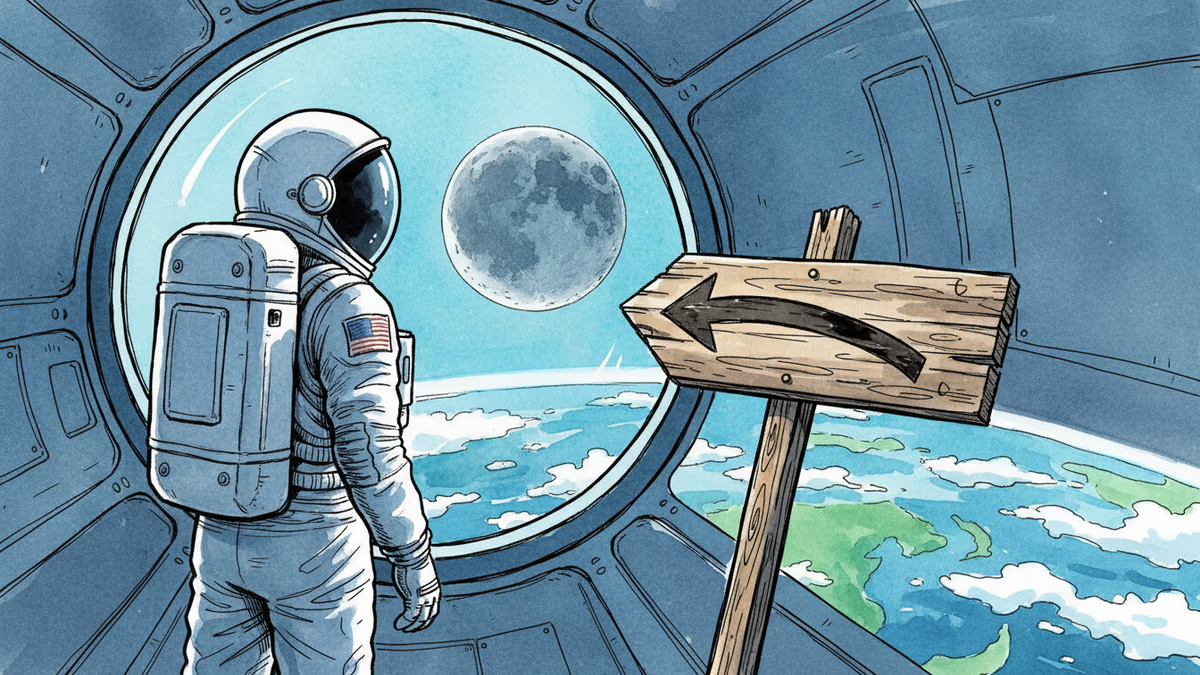
NASA's Artemis III has been redesigned as an Earth-orbit mission. SpaceX and Blue Origin say their landers won't be ready until late 2027. What does this mean for the future of lunar exploration?

Flying to Mars means navigating without trees, wind, or GPS. Here's the surprisingly elegant physics behind how spacecraft measure their own velocity in the void.
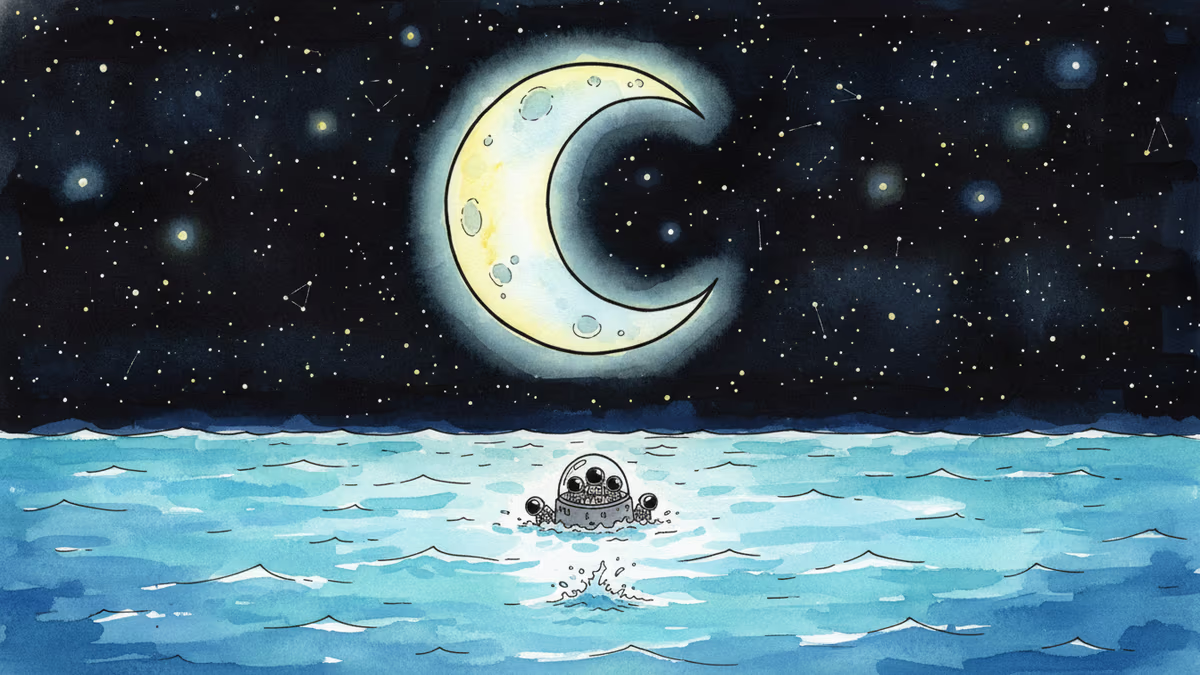
Artemis II splashed down successfully in the Pacific, marking humanity's first crewed deep space mission in over 50 years. But the harder question isn't whether we can go back — it's why we should.
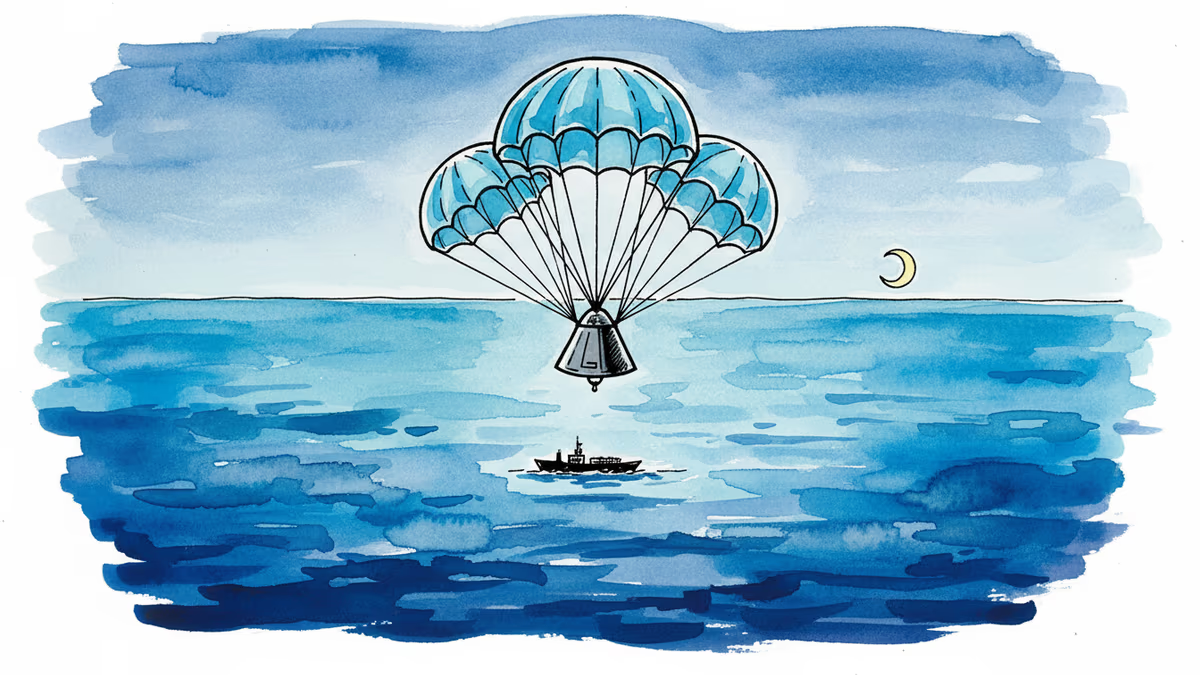
NASA's Orion capsule splashed down safely after humanity's first crewed lunar voyage in 54 years. The mission succeeded. Now the harder questions begin.
NASA's Artemis III has been redesigned as an Earth-orbit mission. SpaceX and Blue Origin say their landers won't be ready until late 2027. What does this mean for the future of lunar exploration?
Flying to Mars means navigating without trees, wind, or GPS. Here's the surprisingly elegant physics behind how spacecraft measure their own velocity in the void.
Artemis II splashed down successfully in the Pacific, marking humanity's first crewed deep space mission in over 50 years. But the harder question isn't whether we can go back — it's why we should.
NASA's Orion capsule splashed down safely after humanity's first crewed lunar voyage in 54 years. The mission succeeded. Now the harder questions begin.
Thoughts
Share your thoughts on this article
Sign in to join the conversation