

Congress Rescues NASA 2026 Fiscal Year Budget After Proposed 50% Slashes
NASA's 2026 fiscal year budget faced a 50% cut proposal from the White House, but Congress intervened to save key science missions from being shut down.
The future of space exploration nearly went dark. In June 2025, the White House released a budget proposal for the 2026 fiscal year that aimed to gut NASA's science programs by nearly 50 percent. By July, the administration had already instructed leaders of dozens of missions to prepare "closeout" plans for their spacecraft, signaling an abrupt end to years of research.
How Congress Saved the NASA 2026 Fiscal Year Budget
It's a dramatic reversal for the space agency. While things looked grim for a while, Congress—which ultimately controls the federal purse—stepped in to challenge the executive branch's directive. Throughout the summer and fall, lawmakers made it clear they intended to maintain funding for the majority of NASA's science portfolio, effectively putting the shutdown of active missions on hold.

The conflict highlights a significant tension in Washington. Although the Trump administration saw some authority abdicated to it last year, Congress isn't backing down on federal spending for high-stakes science. Lawmakers argued that dismantling these programs would waste billions in previous investments and cede American leadership in space.
Authors
Related Articles
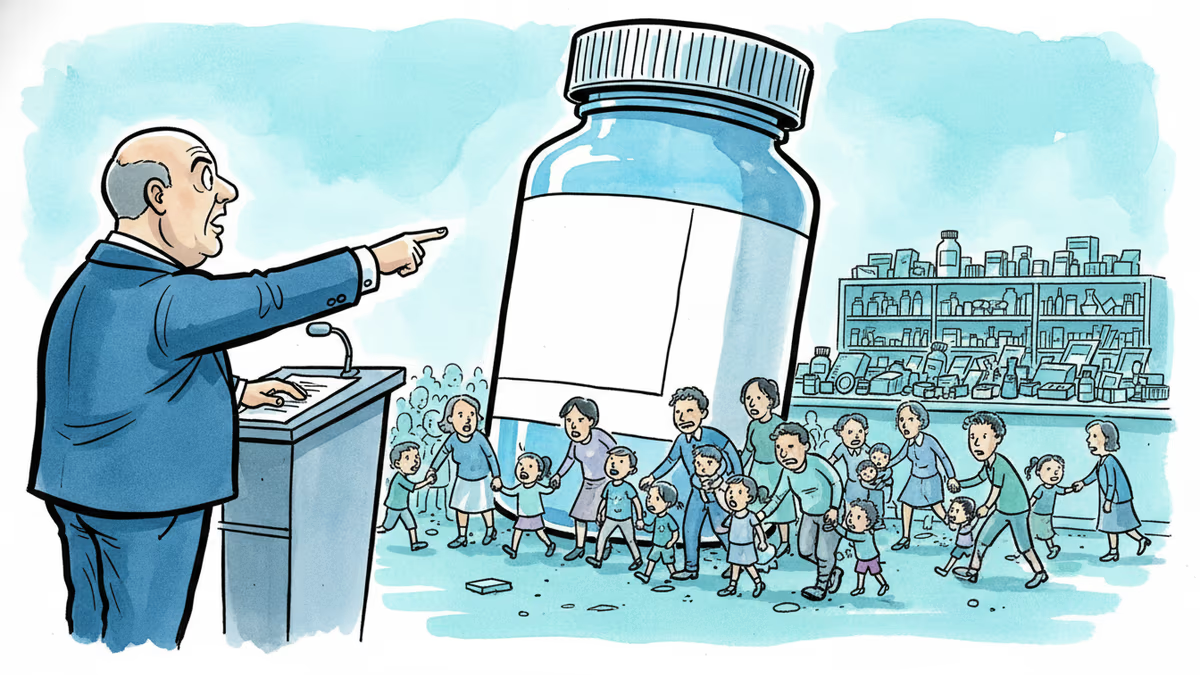
After Trump administration officials publicly promoted leucovorin as a potential autism treatment, new prescriptions for children surged 71% in three months. What happens when government rhetoric moves faster than science?
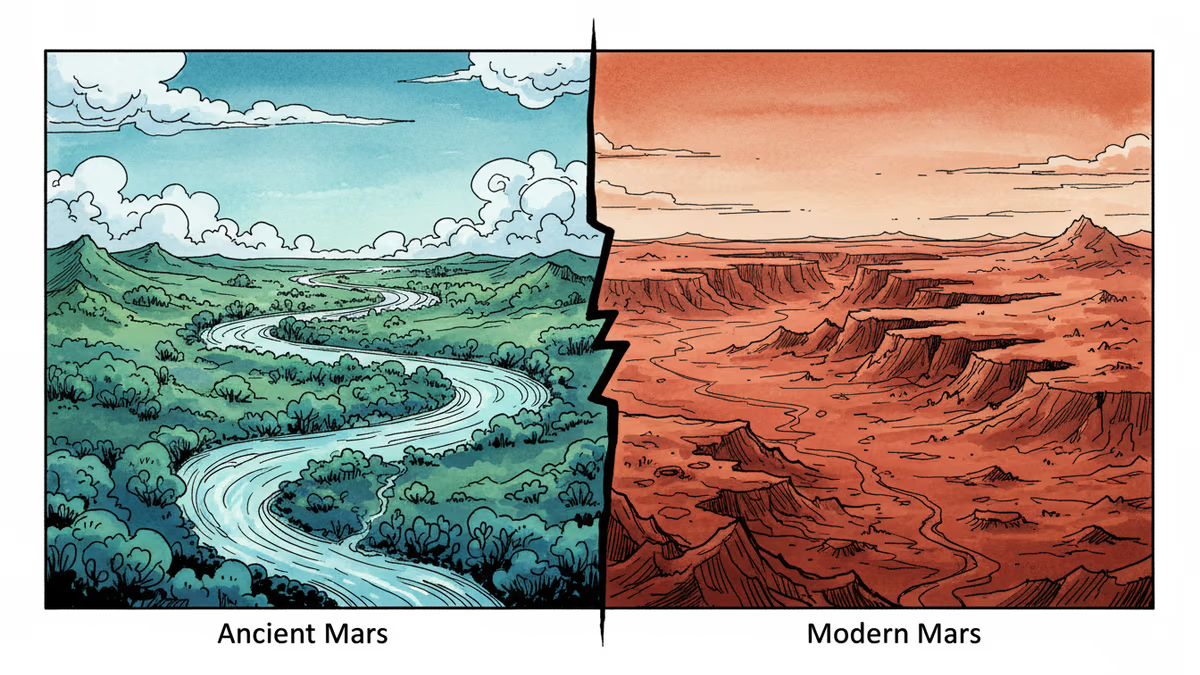
New research reveals Mars was warm and wet during the Noachian epoch, challenging cold-and-icy theories and reigniting debates about ancient Martian life possibilities.
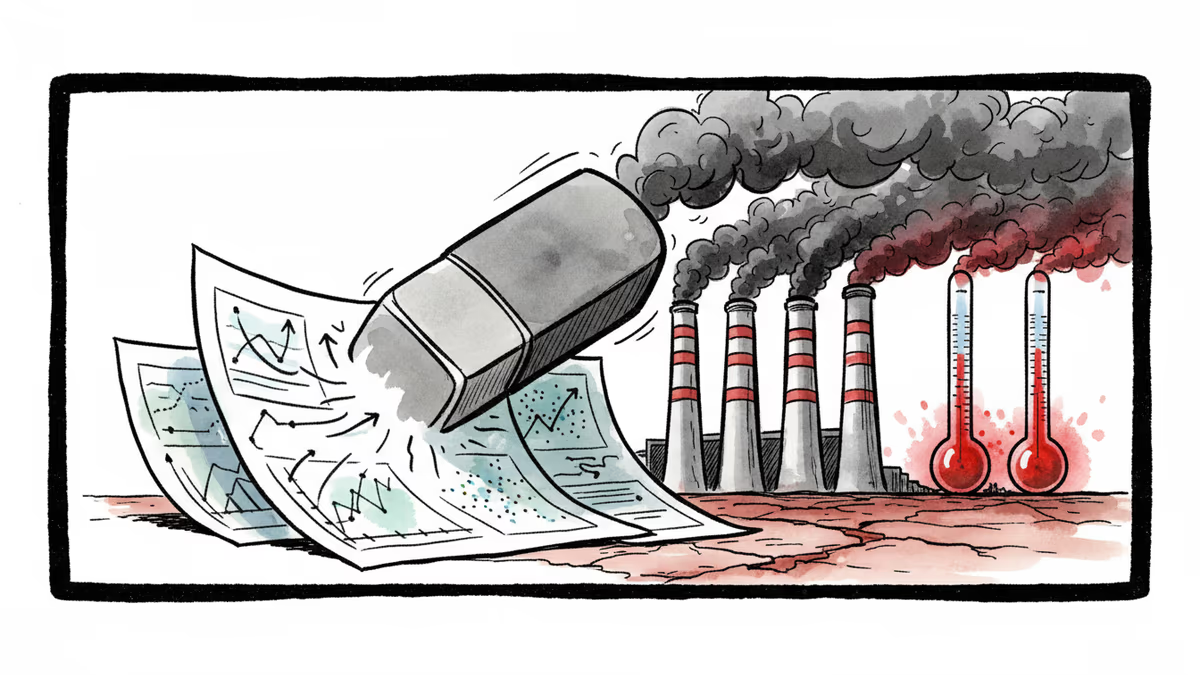
Trump administration set to revoke EPA's 17-year scientific finding on greenhouse gas dangers, dismantling legal foundation for climate action amid record-breaking heat and extreme weather costs.
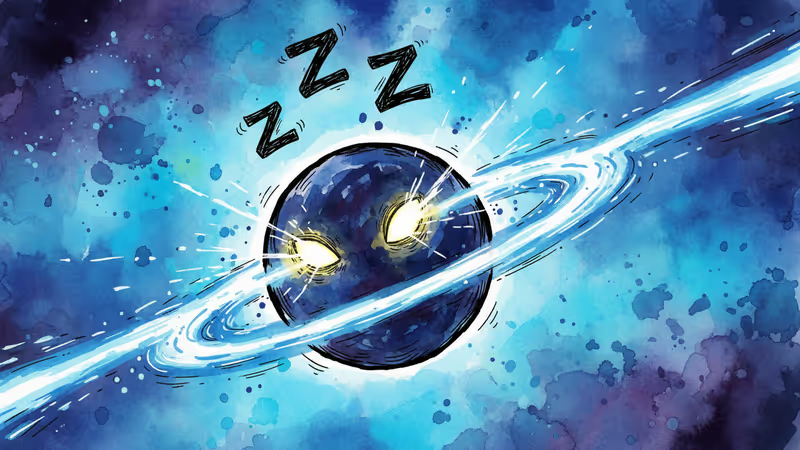
A black hole discovered in 2018 has defied expectations by reactivating after three years and continuing to brighten. Scientists predict it won't peak until 2027, raising new questions about cosmic physics.
After Trump administration officials publicly promoted leucovorin as a potential autism treatment, new prescriptions for children surged 71% in three months. What happens when government rhetoric moves faster than science?
New research reveals Mars was warm and wet during the Noachian epoch, challenging cold-and-icy theories and reigniting debates about ancient Martian life possibilities.
Trump administration set to revoke EPA's 17-year scientific finding on greenhouse gas dangers, dismantling legal foundation for climate action amid record-breaking heat and extreme weather costs.
A black hole discovered in 2018 has defied expectations by reactivating after three years and continuing to brighten. Scientists predict it won't peak until 2027, raising new questions about cosmic physics.
Thoughts
Share your thoughts on this article
Sign in to join the conversation