
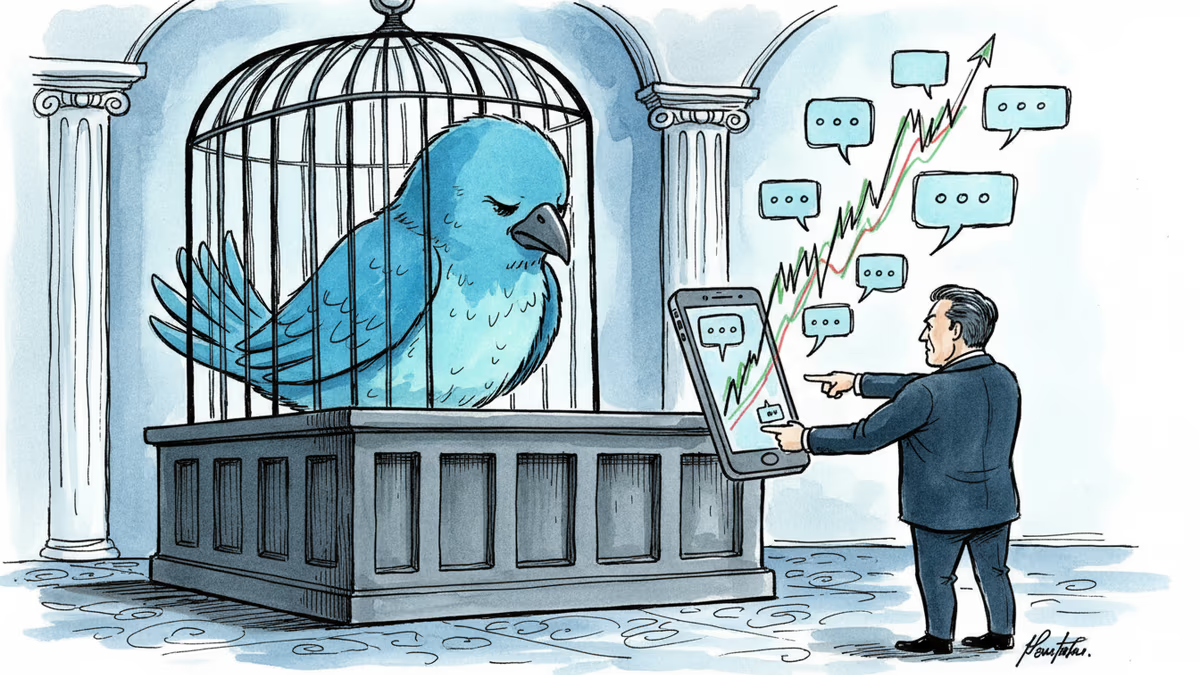
Musk Admits Twitter Tweet 'May Not Have Been Wisest' in $44B Court Battle
Elon Musk acknowledges his controversial tweet during Twitter acquisition was unwise as investors seek billions in damages for alleged market manipulation. Court battle reveals new challenges for social media CEOs.
The $44 Billion Tweet That Backfired
The world's richest man just admitted he might have made a mistake. Elon Musk told a San Francisco jury Wednesday that his tweet during the Twitter acquisition "may not have been my wisest" – a rare moment of humility from someone who's never been shy about his social media presence.
But this isn't just about hurt feelings or bad publicity. A group of Twitter investors is seeking billions in damages, claiming Musk's threat to walk away from the $44 billion deal was calculated market manipulation designed to give him leverage in negotiations.
When 280 Characters Cost Billions
Here's what makes this case fascinating: timing. The investors argue Musk knew he'd be legally forced to complete the buyout, yet he publicly threatened to abandon the deal anyway. The result? Twitter's stock price swung wildly, and some shareholders got caught in the crossfire.
Musk's defense is straightforward – he had no intention to manipulate the stock price. But his acknowledgment that the tweet "may not have been wise" suggests even he recognizes the power his words carry in financial markets.
The case highlights a growing tension in the social media age: When does a CEO's personal opinion cross the line into market manipulation? Tesla shareholders know this dilemma well – Musk previously settled with the SEC over his "funding secured" tweet about taking the company private.

The New Rules of Digital Influence
What's really at stake here goes beyond Musk or Twitter. We're watching the legal system grapple with unprecedented questions about digital influence and market responsibility.
Consider the scale: Musk has over 100 million followers across platforms. When he tweets about a stock, cryptocurrency, or business deal, markets move instantly. Traditional insider trading laws weren't written for this reality.
Investors face an impossible choice: ignore potentially market-moving information from influential figures, or risk getting burned when those figures change their minds – or claim they were just joking.
Regulators worldwide are watching this case closely. The outcome could set precedents for how courts handle social media-driven market volatility in the future.
The Broader Stakes
This lawsuit represents more than just one billionaire's legal troubles. It's a test case for corporate accountability in the social media era. If Musk faces significant penalties, other CEOs might think twice before using social platforms to discuss business matters.
On the flip side, if he prevails, it could embolden other influential figures to push the boundaries of what's acceptable in public market commentary.
The jury's decision will likely influence how future courts balance free speech rights against market stability – a balance that's becoming increasingly difficult to maintain in our hyperconnected world.
Authors
Related Articles
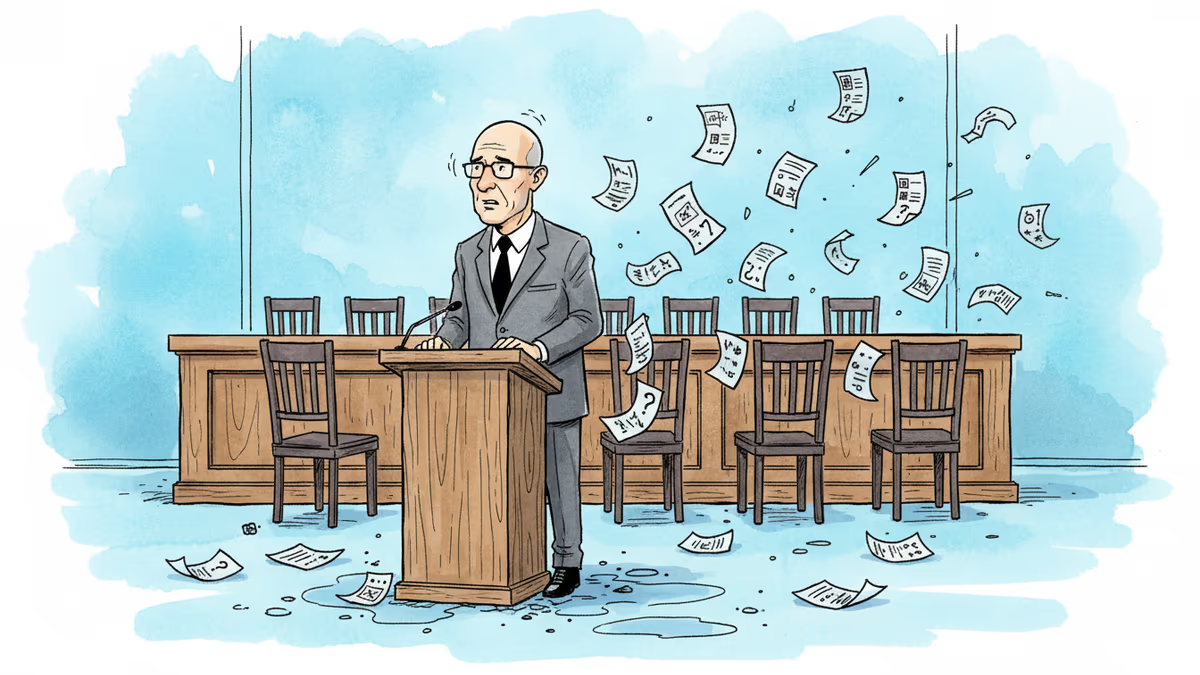
The Musk vs. Altman OpenAI trial opened with a jury selection crisis. Prospective jurors called Musk a 'world-class jerk' on official court forms. What does that tell us?
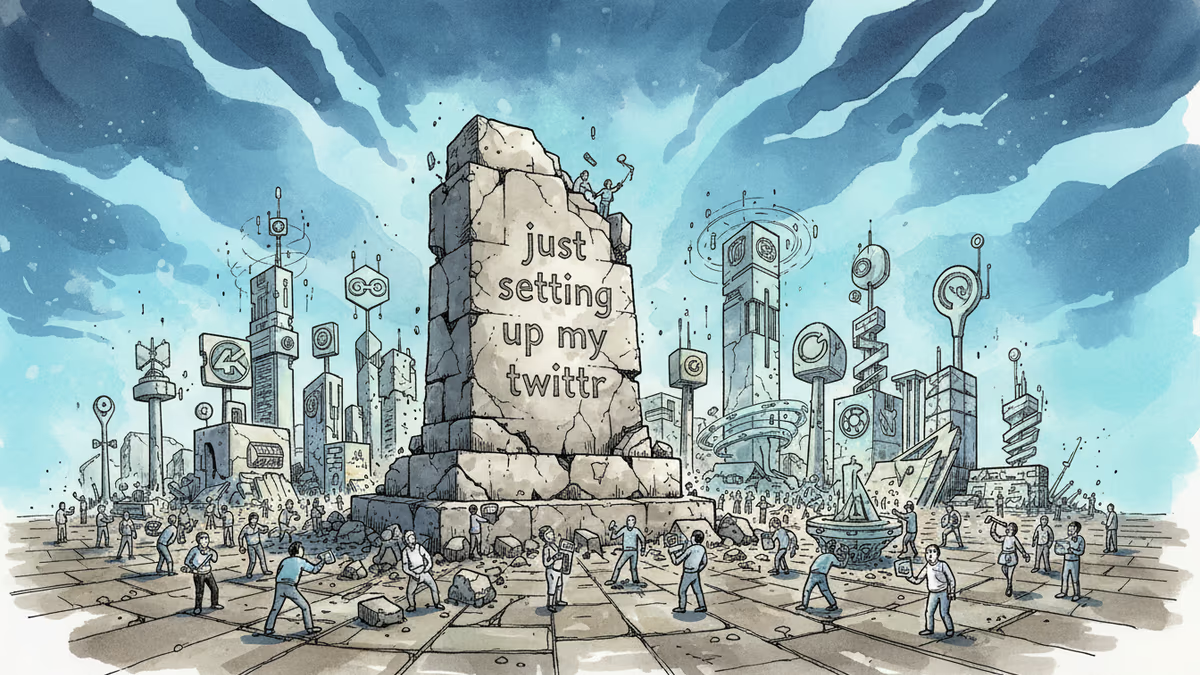
Jack Dorsey's six-word post launched a platform that shaped elections, movements, and media. Two decades later, Twitter is now X — and the story gets stranger.
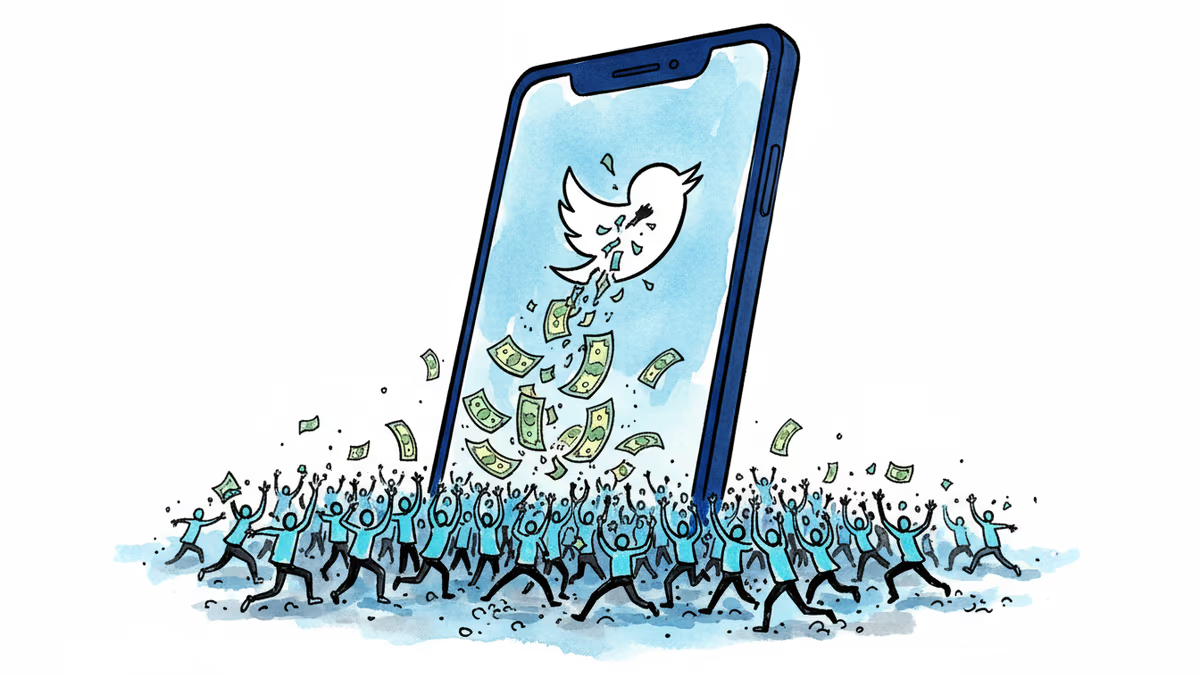
A California jury found Elon Musk liable for misleading investors with public statements before his Twitter acquisition. Damages could reach billions. The verdict sets a new bar for CEO accountability in the social media age.
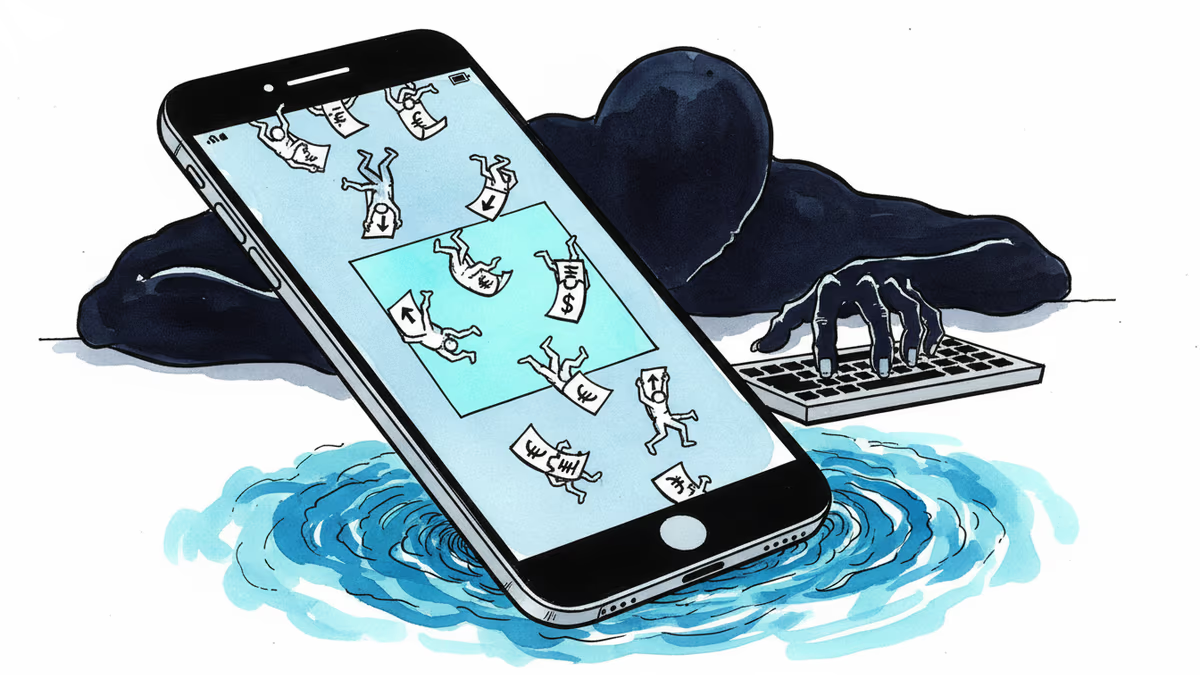
A California jury ruled Elon Musk intentionally misled Twitter investors with a 2022 tweet about bots. Damages could reach $2.6 billion — and the verdict raises bigger questions about CEO speech in the social media era.
The Musk vs. Altman OpenAI trial opened with a jury selection crisis. Prospective jurors called Musk a 'world-class jerk' on official court forms. What does that tell us?
Jack Dorsey's six-word post launched a platform that shaped elections, movements, and media. Two decades later, Twitter is now X — and the story gets stranger.
A California jury found Elon Musk liable for misleading investors with public statements before his Twitter acquisition. Damages could reach billions. The verdict sets a new bar for CEO accountability in the social media age.
A California jury ruled Elon Musk intentionally misled Twitter investors with a 2022 tweet about bots. Damages could reach $2.6 billion — and the verdict raises bigger questions about CEO speech in the social media era.
Thoughts
Share your thoughts on this article
Sign in to join the conversation