

Minneapolis Ruptured: The 3-Week Occupation by 3,000 ICE Agents
In Jan 2026, over 3,000 ICE agents have occupied Minneapolis for three weeks. Residents describe a situation worse than the pandemic as daily life is ruptured.
It’s not just as bad as it looks from the outside; it’s worse. As the occupation by more than 3,000ICE agents enters its third week in Minneapolis, residents are describing a reality that feels more frightening than the height of the pandemic.
Minneapolis ICE Occupation 2026: A City Under Siege
According to a report by The Verge, the ongoing federal presence has fundamentally altered the fabric of daily life. For those who grew up in the Twin Cities area, the current environment is surreal. There's no clear end in sight for the operation, which has seen agents patrolling streets and neighborhood hubs since early January 2026.

The Psychological Toll of Mass Enforcement
Friends from across the country are asking if the situation is truly dire. Local accounts suggest the rupture in daily life is total. While the federal government hasn't provided a definitive exit strategy, the presence of thousands of tactical agents has sparked intense debate over civil liberties and the militarization of domestic immigration policy.
Authors
Related Articles
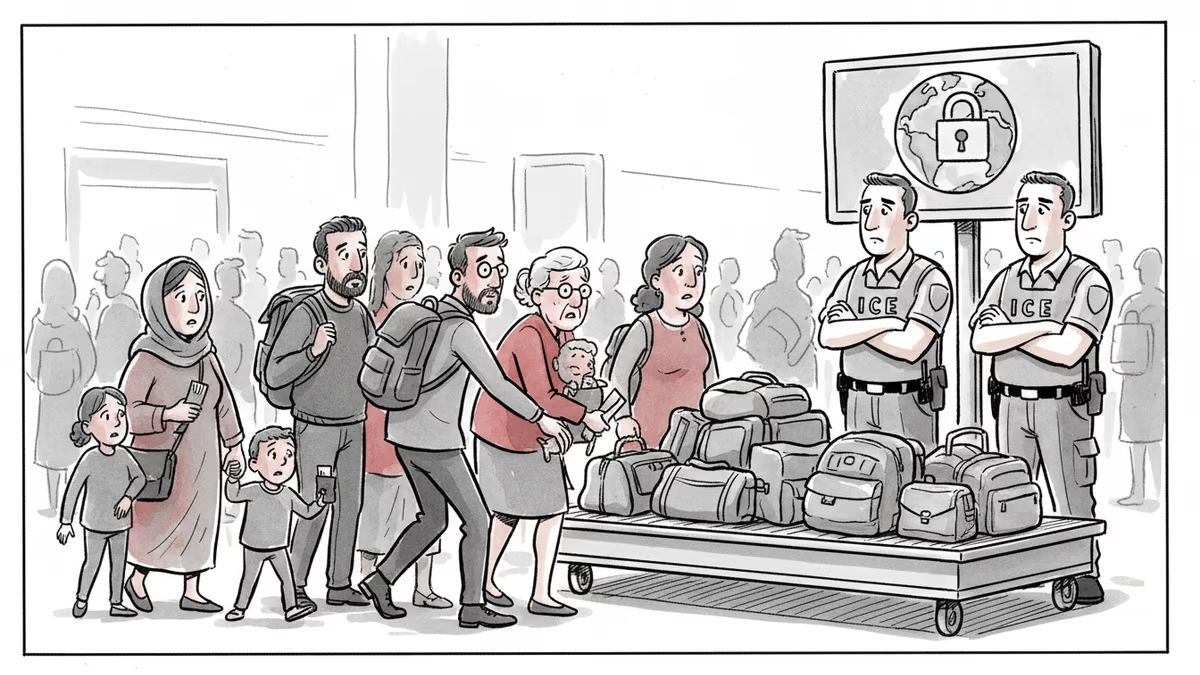
ICE agents have been deployed to 14 US airports, officially to fill TSA staffing gaps during the government shutdown. But the line between security assistance and immigration enforcement is blurring fast.
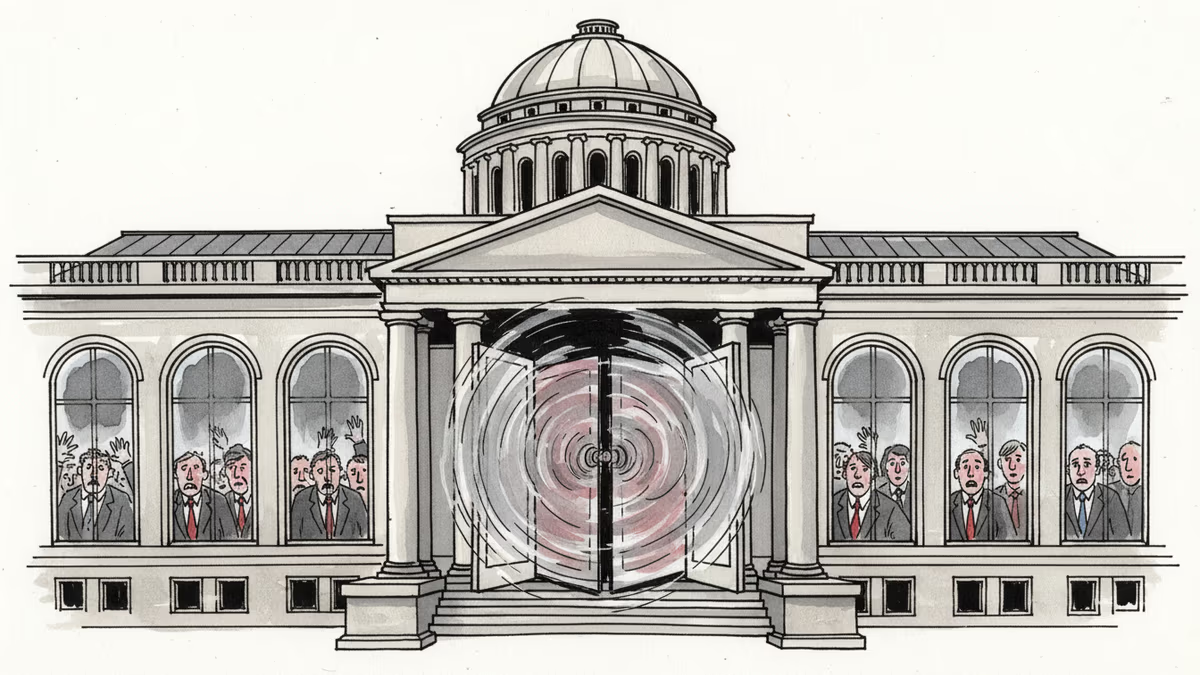
Months of reporting point to a power vacuum inside the Department of Homeland Security. What happens when the agency guarding America's borders loses its own chain of command?
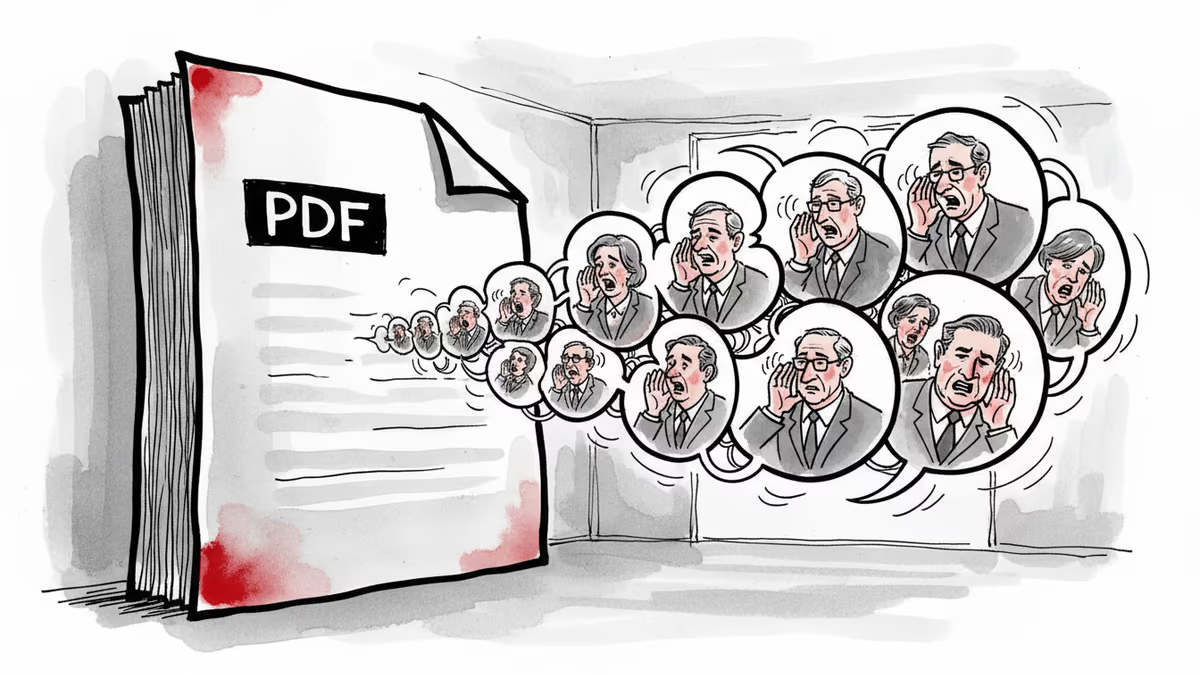
A DHS document about mega detention centers sent to New Hampshire's governor contained embedded comments and metadata exposing staff identities and internal discussions.

A leaked forum reveals deep divisions among Homeland Security agents over Trump's immigration crackdown, with officers questioning tactics and organizational priorities.
ICE agents have been deployed to 14 US airports, officially to fill TSA staffing gaps during the government shutdown. But the line between security assistance and immigration enforcement is blurring fast.
Months of reporting point to a power vacuum inside the Department of Homeland Security. What happens when the agency guarding America's borders loses its own chain of command?
A DHS document about mega detention centers sent to New Hampshire's governor contained embedded comments and metadata exposing staff identities and internal discussions.
A leaked forum reveals deep divisions among Homeland Security agents over Trump's immigration crackdown, with officers questioning tactics and organizational priorities.
Thoughts
Share your thoughts on this article
Sign in to join the conversation