
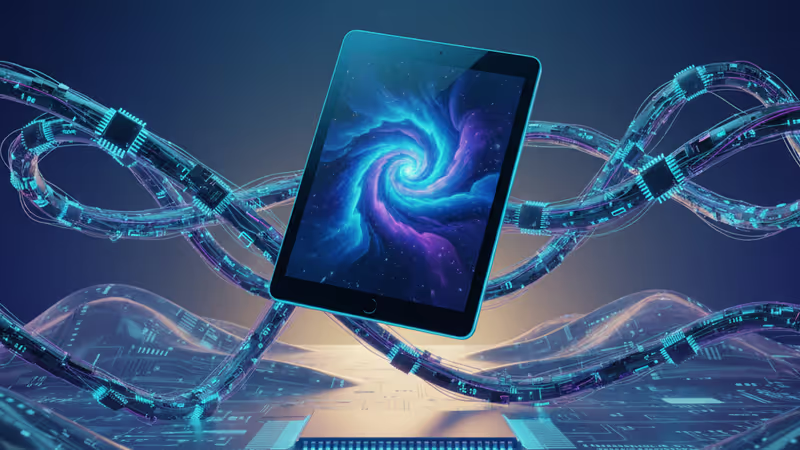
30 Years on Ice: How MIT's 2025 Tech Defined a New Reality
Revisit the most impactful stories of 2025 from MIT Technology Review. From 30-year-old frozen embryos to the massive energy footprint of AI.
A baby born from a 1994 embryo and AI that starts to feel like a lover. 2025 wasn't just another year for technology; it was the year reality shifted. As the year draws to a close, MIT Technology Review has revisited the stories that didn't just capture attention—they changed how we see the world.
The Heavy Cost of Intelligence
In 2025, as hundreds of millions integrated Generative AI into their daily lives, the physical footprint of the cloud became impossible to ignore. Reporters James O’Donnell and Casey Crownhart provided an unprecedented look at AI’s energy footprint, tracing the water and power demands of a single query. Meanwhile, the social fabric changed as people began forming deep, sometimes romantic, bonds with chatbots, a trend that's expected to accelerate into 2026.

Bio-Tech's Ethical and Biological Frontiers
The birth of Thaddeus Daniel Pierce on July 26 marked a milestone in IVF history. He developed from an embryo frozen for over 30 years, effectively making him the world's 'oldest' baby. While some pushed the limits of life, others at Stanford looked to redefine research through 'bodyoids'—ethically sourced human bodies without awareness—aimed at revolutionizing drug testing without causing pain.
Authors
Related Articles
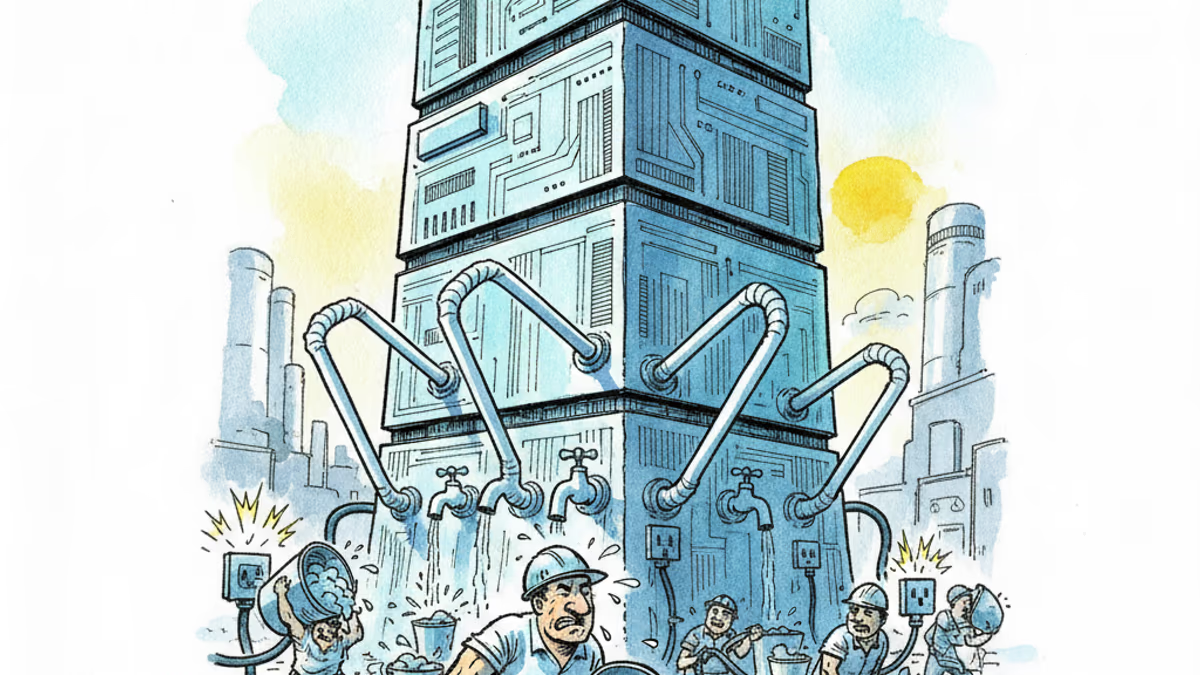
Samsung and SK unveiled a chip and AI investment package worth thousands of trillions of won on June 29. The headline number swings wildly by outlet, but the real contest isn't capital — it's water and power.
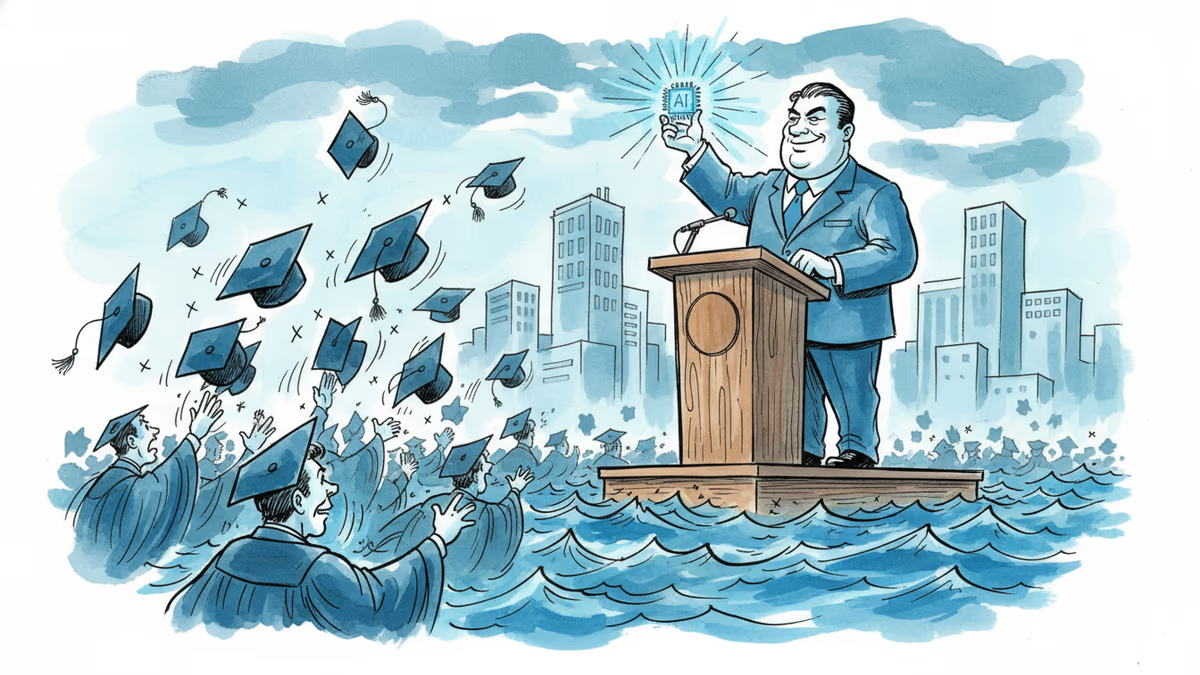
Viral videos show 2026 graduates jeering executives who praise AI at commencement ceremonies. It's not just rudeness — it's a signal about who pays for technological optimism.
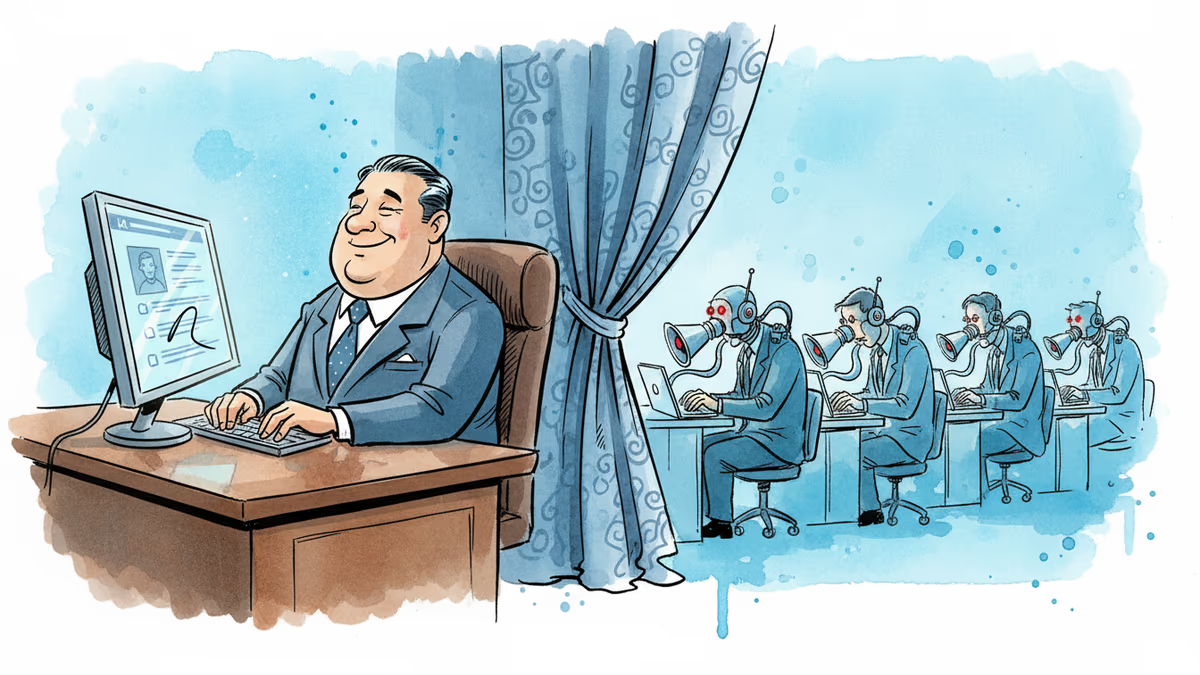
Filipino virtual assistants using AI to ghost-manage LinkedIn profiles for executives is now a structured industry. 30 comments a day, fake engagement rings, and a platform struggling to tell real from fabricated.
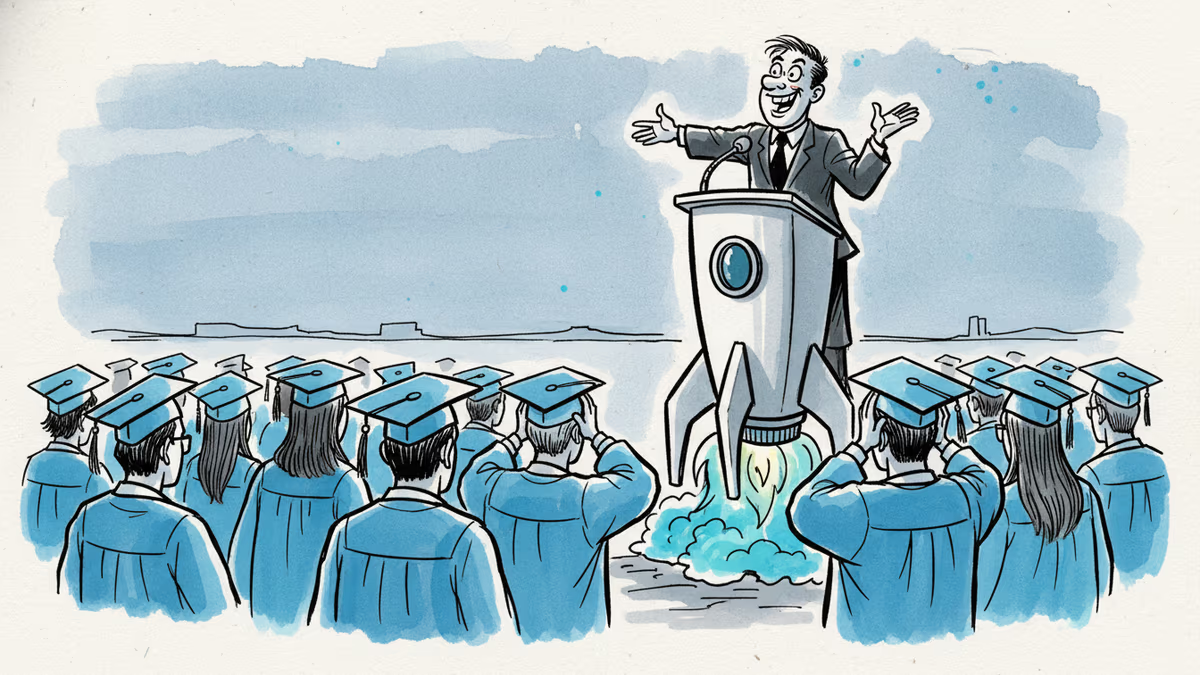
Two commencement speakers learned the hard way that AI enthusiasm doesn't land well with today's graduates. The backlash reveals a widening gap between tech optimism and Gen Z's economic reality.
Samsung and SK unveiled a chip and AI investment package worth thousands of trillions of won on June 29. The headline number swings wildly by outlet, but the real contest isn't capital — it's water and power.
Viral videos show 2026 graduates jeering executives who praise AI at commencement ceremonies. It's not just rudeness — it's a signal about who pays for technological optimism.
Filipino virtual assistants using AI to ghost-manage LinkedIn profiles for executives is now a structured industry. 30 comments a day, fake engagement rings, and a platform struggling to tell real from fabricated.
Two commencement speakers learned the hard way that AI enthusiasm doesn't land well with today's graduates. The backlash reveals a widening gap between tech optimism and Gen Z's economic reality.
Thoughts
Share your thoughts on this article
Sign in to join the conversation