
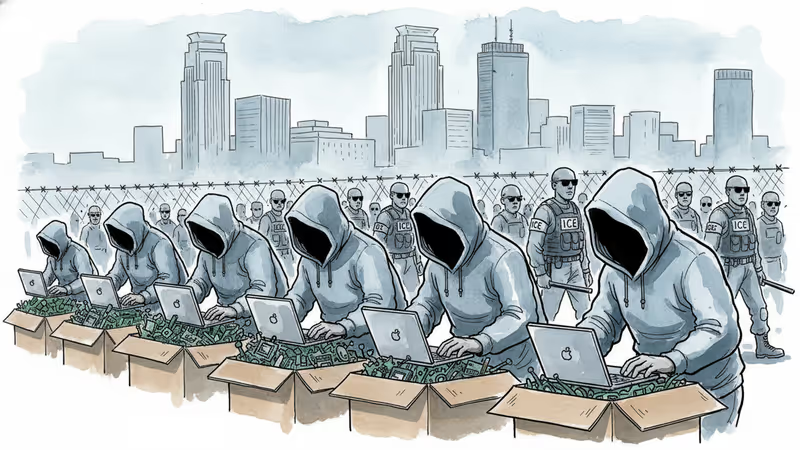
Minneapolis Tech Scene Paralyzed as Founders Choose Community Over Companies
ICE raids in Minneapolis have brought the local tech ecosystem to a standstill as founders and investors prioritize community support over business operations amid escalating immigration enforcement.
3,000 federal agents now patrol Minneapolis streets. That's nearly three times the number of local police officers. Their mission: immigration enforcement. Their impact: a tech ecosystem brought to its knees.
Eight Minneapolis-based founders and investors told TechCrunch the same thing: business has stopped. Instead of building companies, they're packing food at churches and delivering groceries to neighbors too frightened to leave their homes.
When Fear Becomes Policy
Efraín Torres, a Latino founder, works from home while listening to immigration raids unfold in his neighborhood. "You can't not hear them," he said. Car horns blare. Protesters whistle alerts. Miss the commotion, and you'll see signs reading "My neighbor was taken by ICE."
The raids aren't random. They're part of Operation Metro Surge, the Trump administration's targeted deployment of federal agents to Minnesota. The state hosts one of America's largest Somali immigrant populations—a group the administration has previously targeted. Local Democratic leaders like Governor Tim Walz and Representative Ilhan Omar have also drawn presidential ire.
One Black founder, a U.S. citizen, now carries his passport everywhere. "People aren't exaggerating how hard it has been," he said, speaking anonymously to protect his staff. During a routine video call, his colleague suddenly went silent—watching ICE detain someone outside her window. "I had to get off the phone and call my mom to make sure she had her passport."
The New Operating Environment
Minneapolis tech raised just over $1 billion in recent years, building companies like fintech Sezzle, clean water startup Rorra, and medtech Reema. But now? Torres's company has banned ride-sharing apps after H-1B visa engineers reported being followed by 3-4 armed agents in tactical gear.
Investor Reed Robinson said some founders have created volunteer childcare networks because "it's so common for ICE to detain daycare staff." The emotional toll is crushing productivity. "It's hard to focus; it's been a challenge just navigating my team through it," the anonymous founder said.

Federal agents conduct "citizen checks," stopping people based on race or accents—something the Supreme Court authorized last year. Torres has had several encounters himself. "The line separating me from being a victim of assault is just a chance encounter," he said, adding that he and his wife have discussed fleeing the state.
Corporate Silence vs. Grassroots Action
The Twin Cities host major corporations like Target, Best Buy, and UnitedHealthGroup. After ICE agents killed ICU nurse Alex Pretti, 60 top executives signed a statement calling for "immediate de-escalation." They've also funded millions in grants through the Minneapolis Foundation.
But founders and investors say it's not enough. A recent CNBC poll found 33% of executives stayed silent because they didn't find speaking out "relevant to business." Another 18% worried about "backlash from the Trump administration."
"When you see the failure of community institutions to demonstrate any kind of bravery, that's really where it's probably most disappointing," local investor Tim Herby told TechCrunch.
Meanwhile, grassroots efforts flourish. Investor Scott Burns spends more time at church packing food for delivery. "It was like what happens after a natural disaster," he said of the community response. An unnamed Black investor buys groceries for immigrant college founders so they don't risk shopping themselves.
The Ecosystem That Wasn't
More than 2,000 people have been arrested by ICE in Minnesota since Trump took office. The raids have killed several people, including at least two U.S. citizens. Agents patrol public transportation, circle schools, and stake out parking lots.
Investor Mary Grove described the atmosphere as "tense and difficult." Yet Robinson remains optimistic about the region's innovation potential: "It's not going to stop; we're going to continue to do the work while we figure out this current situation."
The question isn't whether Minneapolis tech will survive—it's what kind of ecosystem emerges from this crisis.
Authors
Related Articles
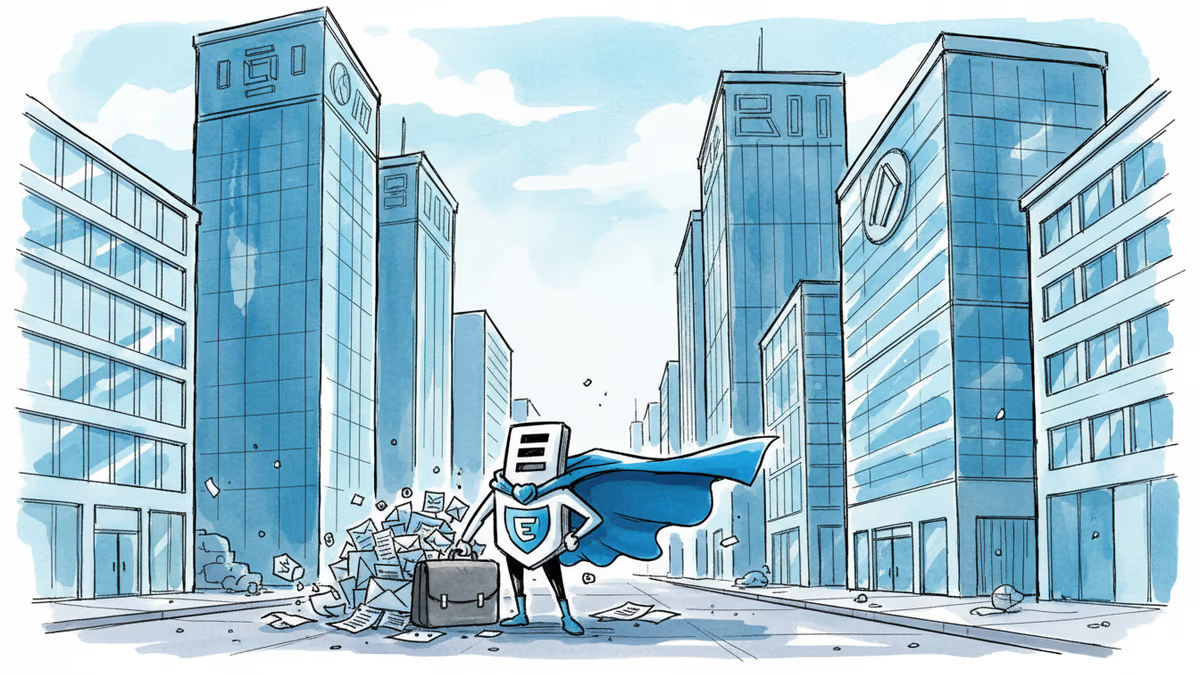
Grammarly rebranded as Superhuman, betting it can evolve from a spell-checker into a full AI productivity platform. But in a market dominated by Microsoft and Google, is there room for an independent player?
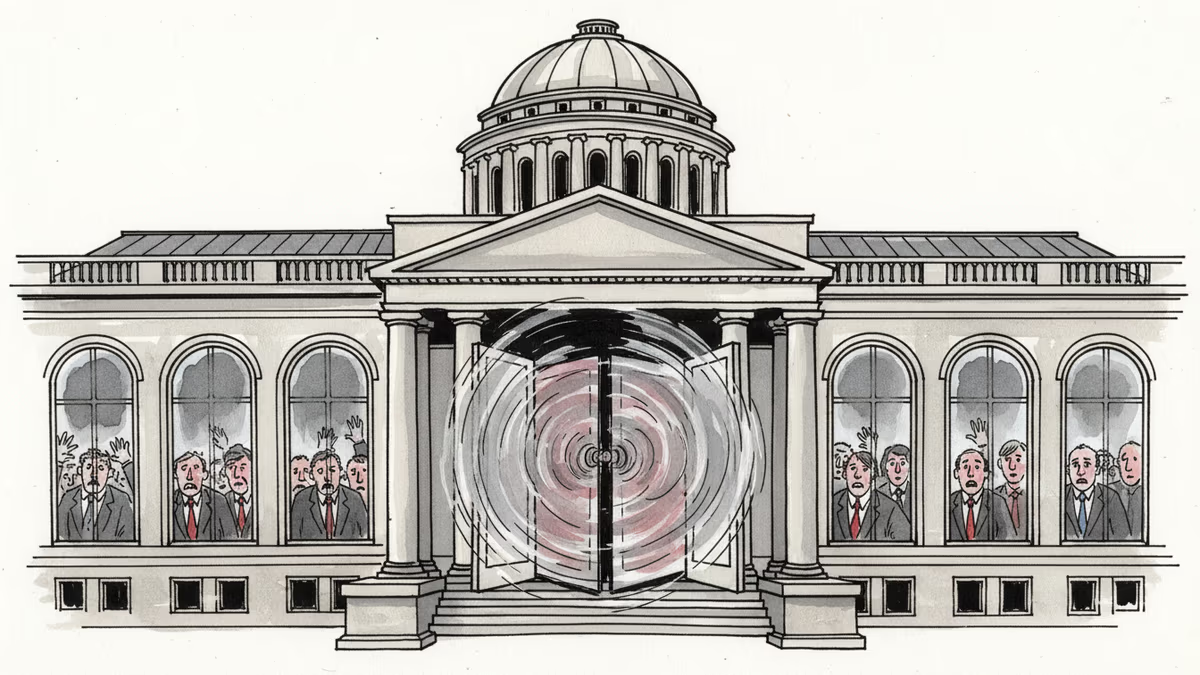
Months of reporting point to a power vacuum inside the Department of Homeland Security. What happens when the agency guarding America's borders loses its own chain of command?
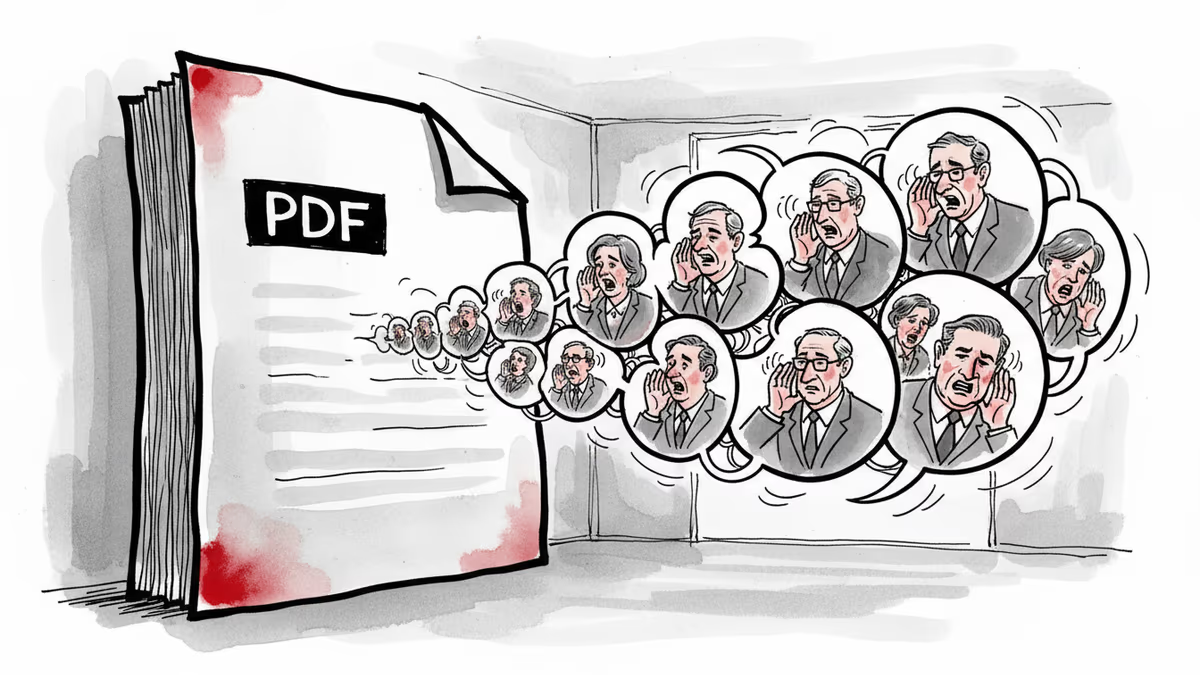
A DHS document about mega detention centers sent to New Hampshire's governor contained embedded comments and metadata exposing staff identities and internal discussions.

Rumors swirl about gay men dominating Silicon Valley's power structure. Conspiracy theory or the reality of new networking dynamics?
Grammarly rebranded as Superhuman, betting it can evolve from a spell-checker into a full AI productivity platform. But in a market dominated by Microsoft and Google, is there room for an independent player?
Months of reporting point to a power vacuum inside the Department of Homeland Security. What happens when the agency guarding America's borders loses its own chain of command?
A DHS document about mega detention centers sent to New Hampshire's governor contained embedded comments and metadata exposing staff identities and internal discussions.
Rumors swirl about gay men dominating Silicon Valley's power structure. Conspiracy theory or the reality of new networking dynamics?
Thoughts
1 thoughts
Share your thoughts on this article
Sign in to join the conversation