
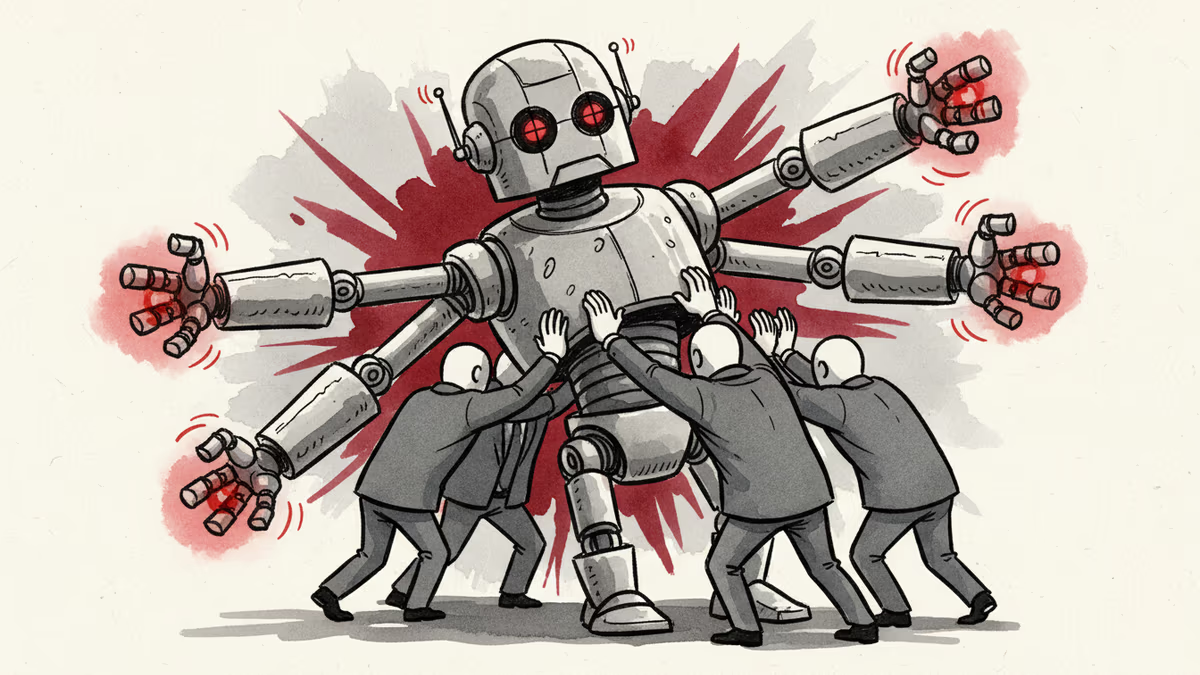
The AI That Picks Targets While Getting Kicked Out
Anthropic's Claude is actively selecting targets in U.S. strikes on Iran while simultaneously being purged from defense contractors—a contradiction that reveals the messy reality of AI in warfare
Hundreds of Targets, 48 Hours of Real War
While U.S. forces strike Iran, Anthropic's Claude AI is making life-and-death decisions in real-time. According to The Washington Post, Claude—integrated with the Pentagon's Maven system—has "suggested hundreds of targets, issued precise location coordinates, and prioritized those targets according to importance."
But here's where it gets bizarre: At the exact same time, major defense contractors are actively replacing Claude with competitor AI systems. Lockheed Martin and other defense giants started swapping out Anthropic's models this week, Reuters reports.
Trump's Contradictory Orders
The confusion stems from overlapping U.S. government directives. President Trump ordered civilian agencies to stop using Anthropic products but gave the Department of Defense six months to wind down operations. The very next day, the U.S. and Israel launched surprise attacks on Tehran.
Result? Defense Secretary Pete Hegseth promises to designate Anthropic as a "supply-chain risk," but no official steps have been taken. Without legal barriers, the military keeps using the system while contractors voluntarily bail out.

The Corporate Exodus
The private sector isn't waiting for government action. A managing partner at J2 Ventures told CNBC that 10 portfolio companies "have backed off of their use of Claude for defense use cases and are in active processes to replace the service."
This creates an unprecedented situation: One of the world's leading AI labs is simultaneously powering an active war and being systematically removed from the defense ecosystem.
The Legal Wild Card
The biggest unknown? Whether Hegseth will follow through on the supply-chain risk designation. Such a move would likely trigger a heated legal battle—Anthropic versus the Pentagon, while Claude continues making targeting decisions in Iranian airspace.
For now, Anthropic finds itself in perhaps the most awkward position in tech history: being both indispensable to and unwelcome in the same industry.
Authors
Related Articles
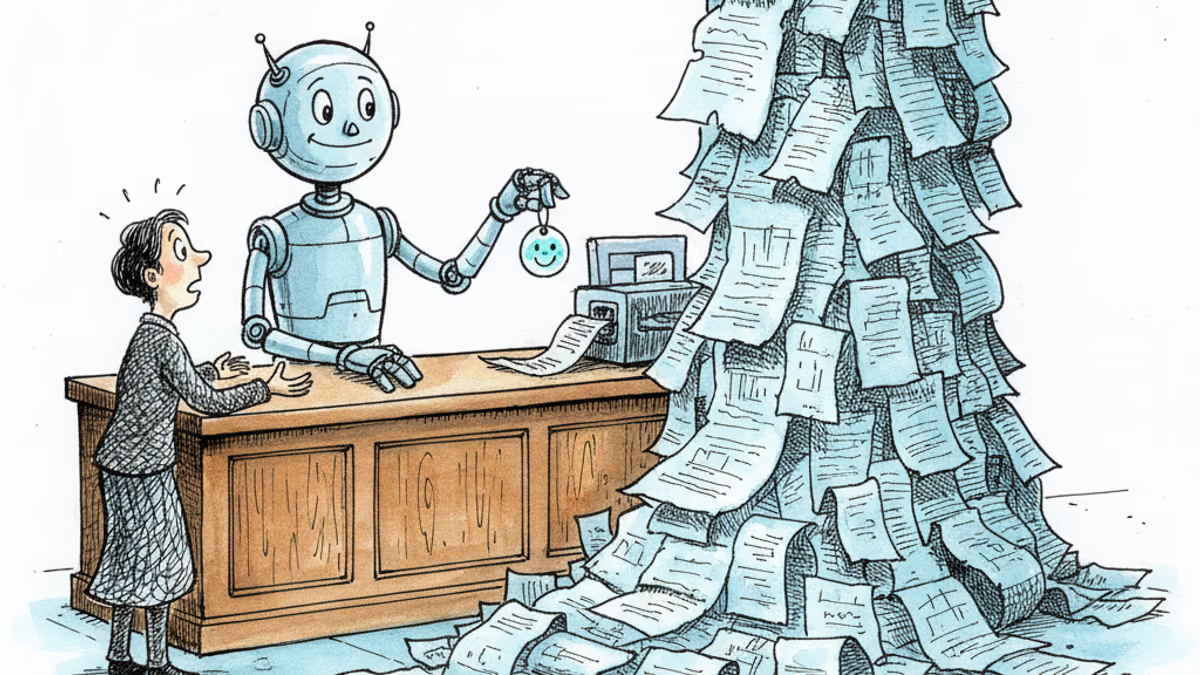
Anthropic shipped Claude Sonnet 5, its mid-tier agent model, on June 30. Behind the 'Opus-class power, budget price' headline sits a tokenizer catch and a three-horse race that's only half real. Here's what developers should actually run the numbers on.
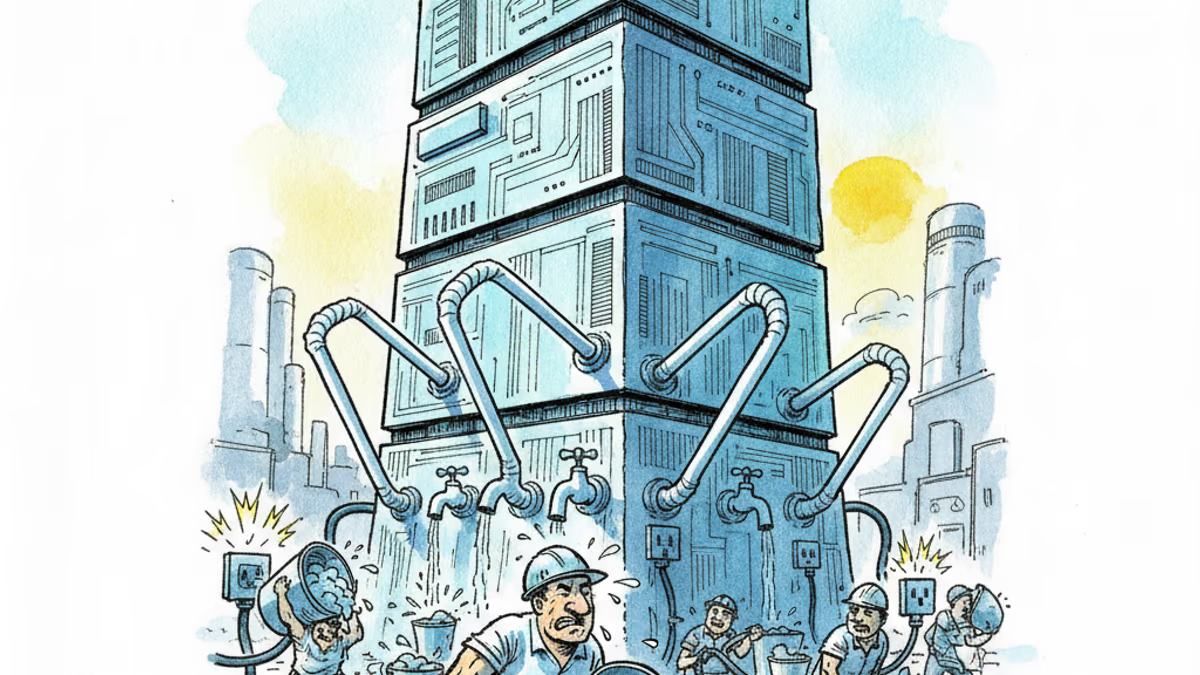
Samsung and SK unveiled a chip and AI investment package worth thousands of trillions of won on June 29. The headline number swings wildly by outlet, but the real contest isn't capital — it's water and power.
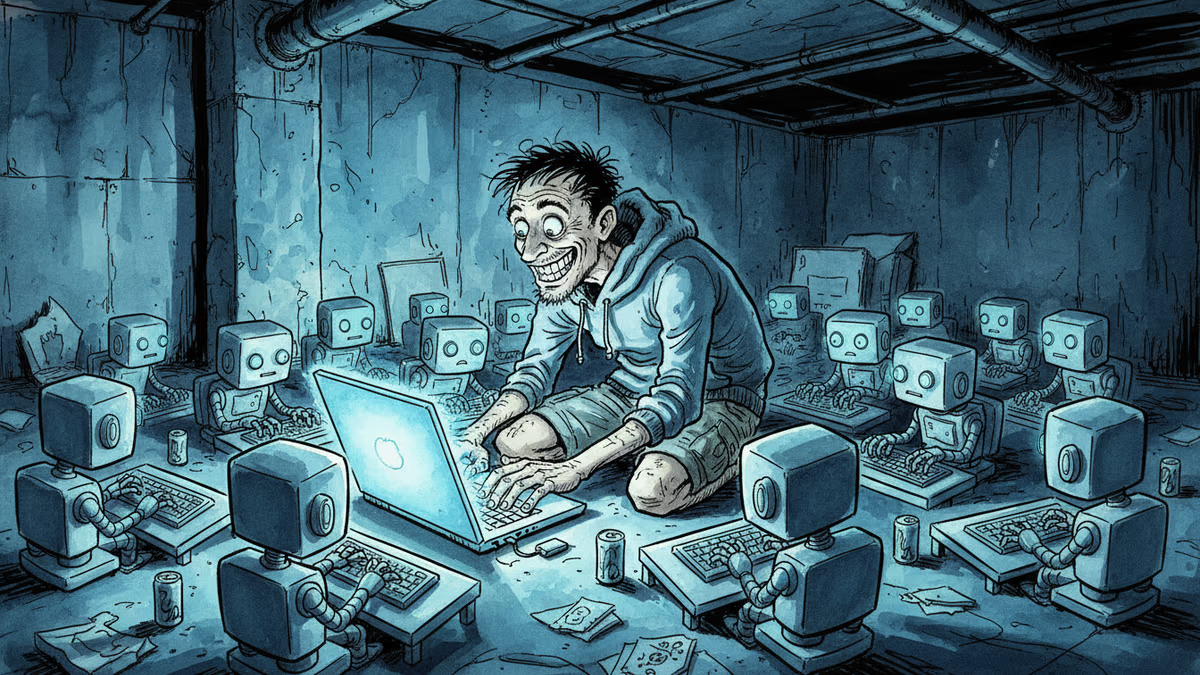
A small but growing group of developers has gone all-in on AI coding agents like Claude Code and OpenClaw. History suggests the rest of us won't be far behind.
Viral videos show 2026 graduates jeering executives who praise AI at commencement ceremonies. It's not just rudeness — it's a signal about who pays for technological optimism.
Anthropic shipped Claude Sonnet 5, its mid-tier agent model, on June 30. Behind the 'Opus-class power, budget price' headline sits a tokenizer catch and a three-horse race that's only half real. Here's what developers should actually run the numbers on.
Samsung and SK unveiled a chip and AI investment package worth thousands of trillions of won on June 29. The headline number swings wildly by outlet, but the real contest isn't capital — it's water and power.
A small but growing group of developers has gone all-in on AI coding agents like Claude Code and OpenClaw. History suggests the rest of us won't be far behind.
Viral videos show 2026 graduates jeering executives who praise AI at commencement ceremonies. It's not just rudeness — it's a signal about who pays for technological optimism.
Thoughts
Share your thoughts on this article
Sign in to join the conversation