

Microsoft Launches 'Community-First AI Infrastructure' 2026 to Foot Data Center Power Bills
Microsoft unveils the 'Community-First AI Infrastructure' in 2026, pledging to pay all data center power costs and reject tax cuts amid surging AI energy demands.
Big Tech is finally picking up the tab. Microsoft announced a major policy shift on January 13, 2026, committing to pay full electricity costs for its data centers while refusing local property tax breaks. This 'Community-First AI Infrastructure' initiative aims to shield residents from the rising costs of the generative AI boom.
The Microsoft Community-First AI Infrastructure Strategy
As demand for generative AI services skyrockets, tech giants have been racing to build massive data centers. However, these facilities often strain local resources, driving up residential electricity rates and depleting water supplies for cooling. Microsoft's new stance marks a departure from the industry norm of seeking heavy subsidies and tax incentives, choosing instead to address community concerns directly.

Global Power Demand to Double by 2030
According to the International Energy Agency (IEA), global data center electricity demand will reach 945 TWh by 2030, more than doubling current levels. The U.S. is expected to drive nearly half of this growth. This surge arrives as much of the nation's power grid is over 40 years old, struggling to handle the increased load from the AI industry.
Authors
Related Articles

AI sustainability researcher Sasha Luccioni is launching a new venture to push for energy transparency in AI. Here's why Big Tech keeps the numbers hidden—and what's starting to change.
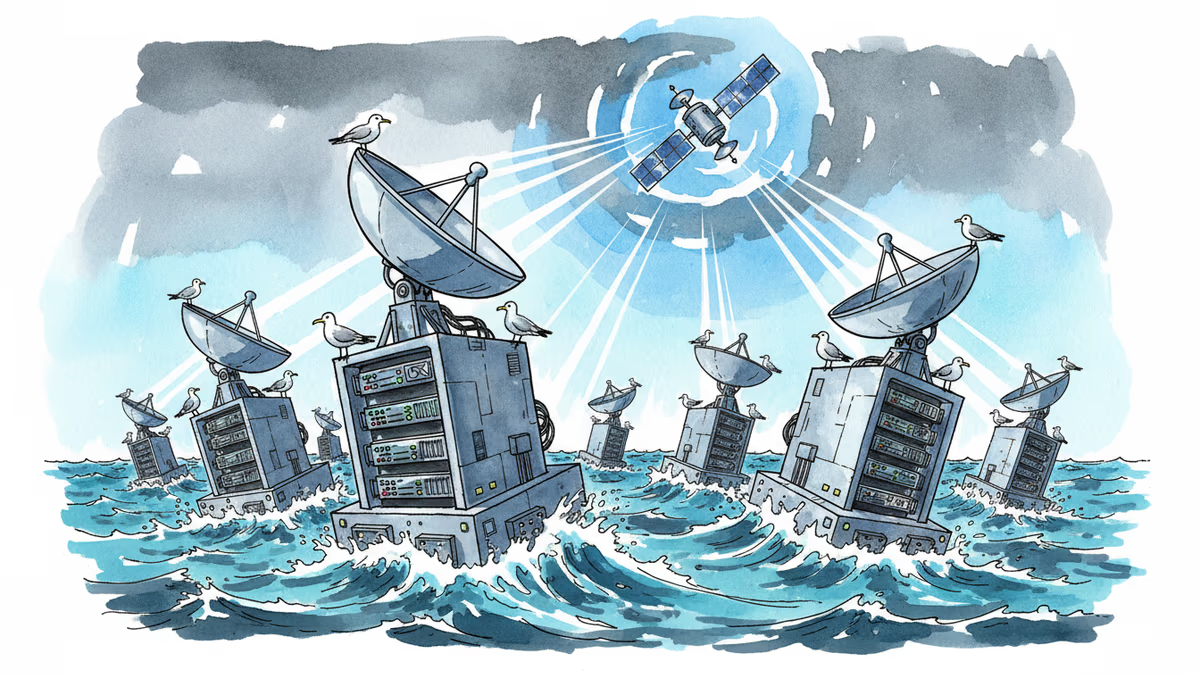
Palantir co-founder Peter Thiel and other Silicon Valley investors have poured $140 million into Panthalassa, a startup building wave-powered floating AI data centers in the open ocean. Here's what that actually means.
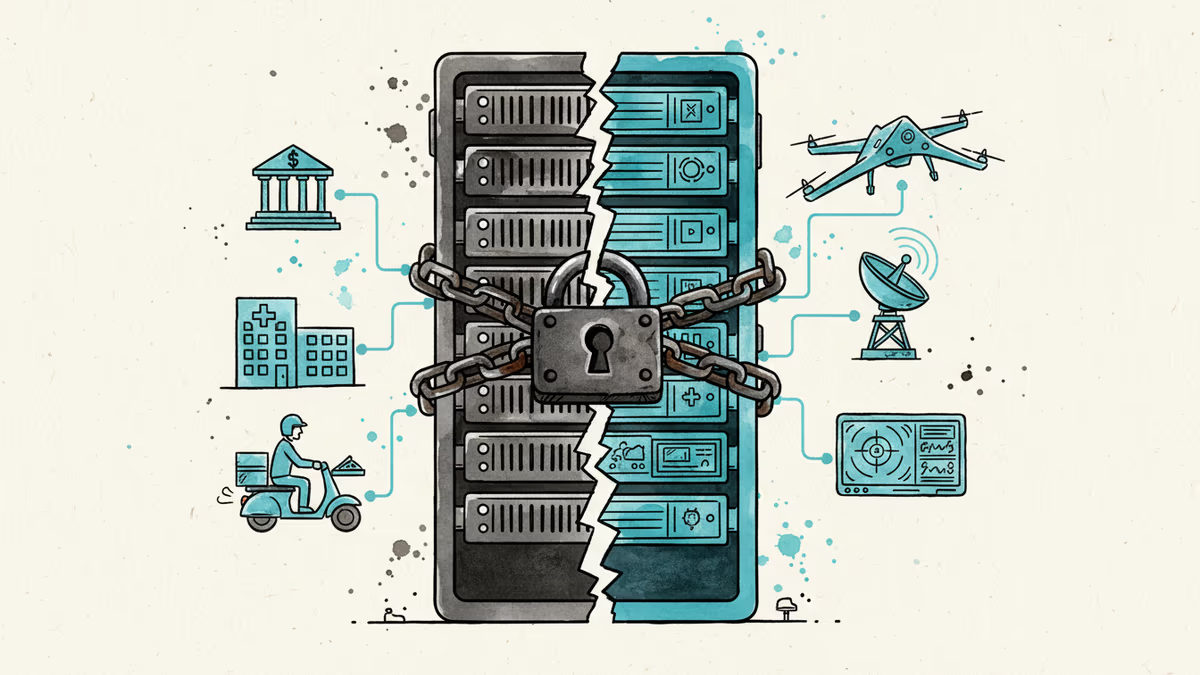
Iran's drone strikes on AWS data centers and its naming of 18 tech firms as military targets expose a structural flaw in AI infrastructure: civilian and military data sit on the same physical servers.
Gimlet Labs just raised $80M to build software that splits AI workloads across every chip type simultaneously. The pitch: 10x efficiency without buying new hardware.
AI sustainability researcher Sasha Luccioni is launching a new venture to push for energy transparency in AI. Here's why Big Tech keeps the numbers hidden—and what's starting to change.
Palantir co-founder Peter Thiel and other Silicon Valley investors have poured $140 million into Panthalassa, a startup building wave-powered floating AI data centers in the open ocean. Here's what that actually means.
Iran's drone strikes on AWS data centers and its naming of 18 tech firms as military targets expose a structural flaw in AI infrastructure: civilian and military data sit on the same physical servers.
Gimlet Labs just raised $80M to build software that splits AI workloads across every chip type simultaneously. The pitch: 10x efficiency without buying new hardware.
Thoughts
Share your thoughts on this article
Sign in to join the conversation