

Microsoft Signs 100,000-Ton Carbon Removal Deal with India's Varaha
Microsoft partners with Indian startup Varaha to buy 100,000 tons of biochar carbon credits through 2029, aiming to offset rising AI-related emissions.
Can AI growth and climate goals coexist? According to Reuters, Microsoft is betting on Indian soil to find the answer. The tech giant has signed a deal with New Delhi-based startup Varaha to purchase over 100,000 tons of carbon dioxide removal (CDR) credits through 2029.
Scaling Biochar: The Microsoft India Carbon Removal Varaha Deal
The project focuses on biochar, a charcoal-like material produced by heating agricultural waste—specifically cotton stalks—in the absence of oxygen. By turning waste that is usually burned into biochar, the project prevents air pollution and locks carbon in the soil for centuries.
Varaha plans to deploy 18 industrial reactors in the state of Maharashtra, involving approximately 40,000–45,000 smallholder farmers. Over its 15-year lifetime, the initiative is expected to remove more than 2 million tons of CO2.

The AI Emissions Paradox
Microsoft's hunger for AI has a cost. While the company aims to be carbon-negative by 2030, its total emissions rose 23.4% in fiscal year 2024 compared to a 2020 baseline. This surge is primarily driven by the expansion of energy-intensive data centers required for generative AI.
Authors
Related Articles

GitHub confirmed hackers stole data from 3,800 internal repositories via a poisoned VS Code extension. Here's why developer tools are now the most dangerous attack surface in tech.
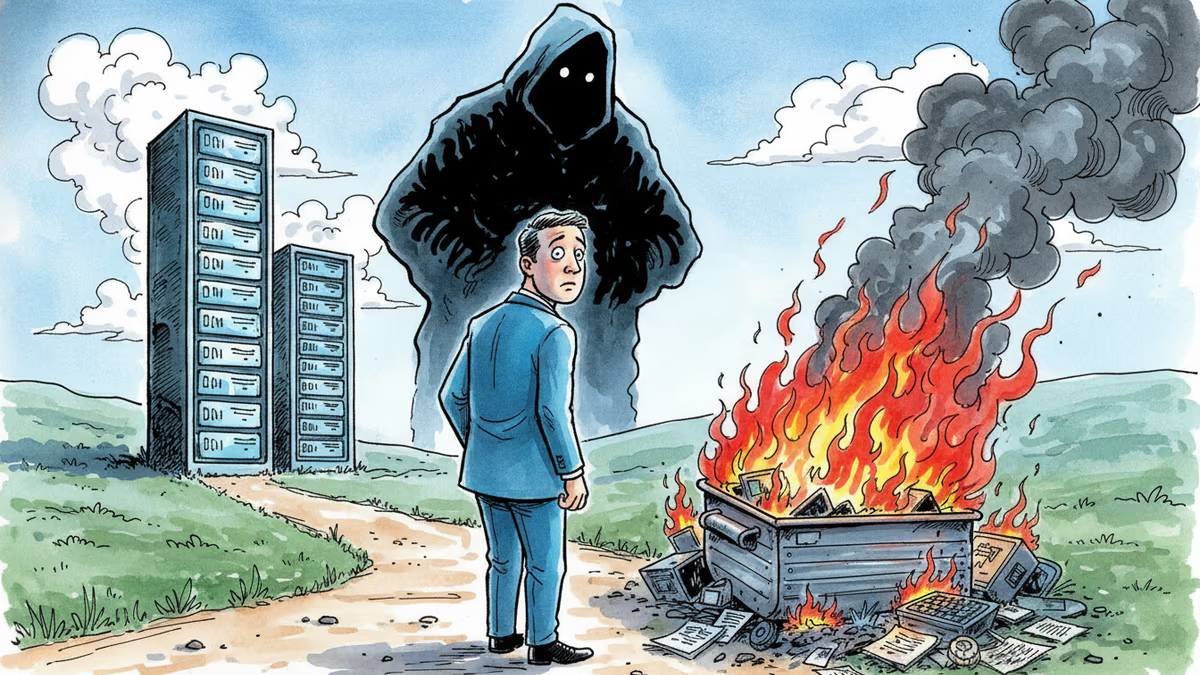
Emails revealed in the Musk v. Altman trial show Microsoft executives were deeply skeptical of OpenAI in 2017–2018. What actually changed their minds?
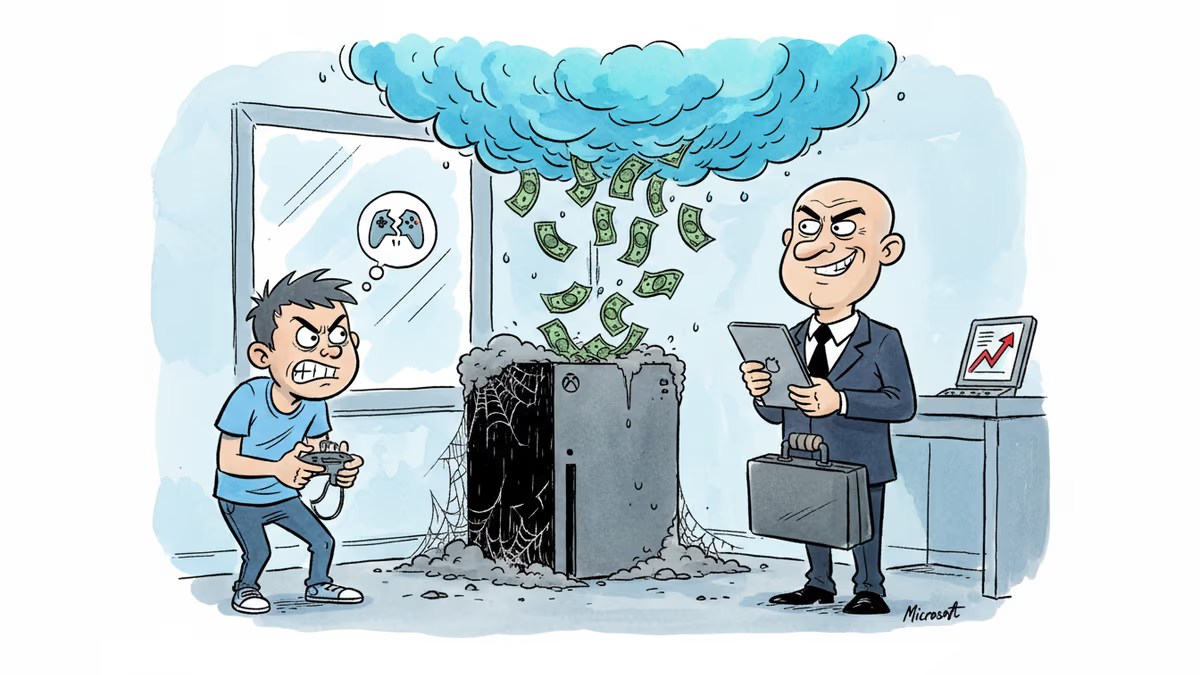
Xbox hardware revenue dropped 33% in Q1 2026, yet Microsoft posted $82.9B in total revenue. What this tells us about the future of gaming—and who actually loses.
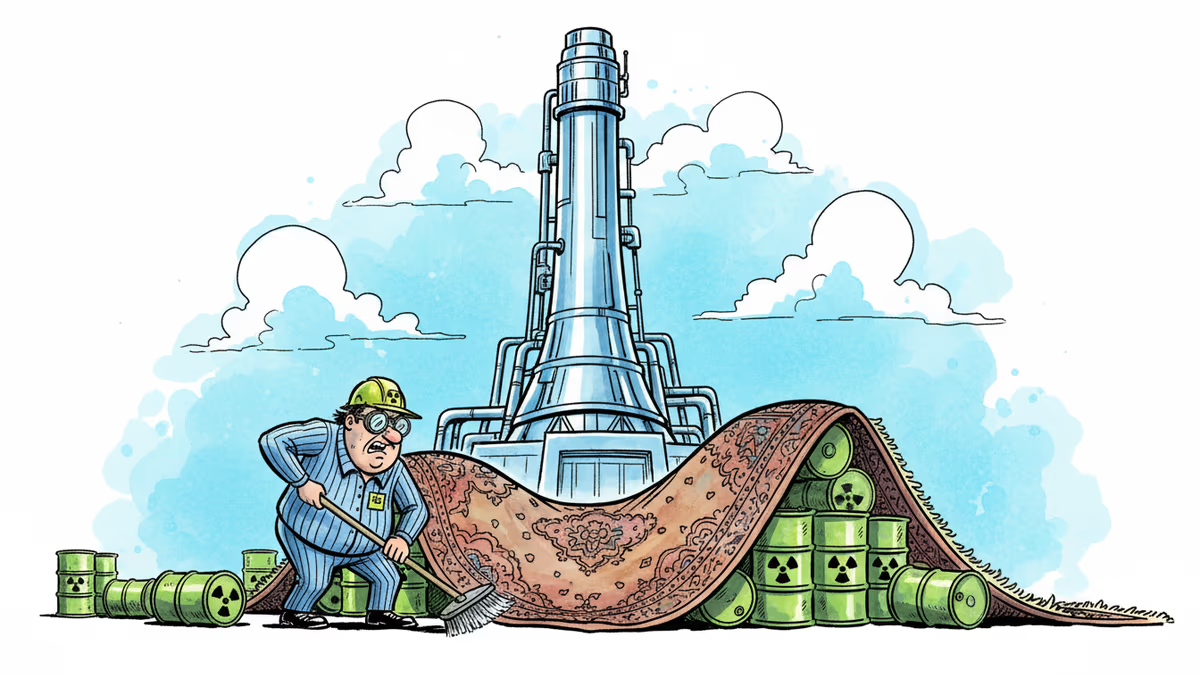
Nuclear energy is booming again, fueled by Big Tech's data center appetite. But 70 years of spent fuel still has nowhere permanent to go. Finland solved it. The US hasn't tried hard enough.
GitHub confirmed hackers stole data from 3,800 internal repositories via a poisoned VS Code extension. Here's why developer tools are now the most dangerous attack surface in tech.
Emails revealed in the Musk v. Altman trial show Microsoft executives were deeply skeptical of OpenAI in 2017–2018. What actually changed their minds?
Xbox hardware revenue dropped 33% in Q1 2026, yet Microsoft posted $82.9B in total revenue. What this tells us about the future of gaming—and who actually loses.
Nuclear energy is booming again, fueled by Big Tech's data center appetite. But 70 years of spent fuel still has nowhere permanent to go. Finland solved it. The US hasn't tried hard enough.
Thoughts
Share your thoughts on this article
Sign in to join the conversation