

Microsoft OneDrive Dark Patterns: The Stealthy Deletion of Your Local Files
Explore the controversy surrounding Microsoft OneDrive's dark patterns and its aggressive tactic of deleting local files after cloud syncing. Learn how your data sovereignty is at risk.
Is your hard drive actually yours? Microsoft seems to think otherwise. According to reports from Boing Boing, the tech giant is aggressively pushing its cloud service, OneDrive, using deceptive dark patterns that not only ingest user files but often lead to the deletion of local originals from personal computers.
The Mechanics of Microsoft OneDrive Dark Patterns
The integration between Windows and OneDrive has moved past convenience into coercion. By utilizing interface designs that trick users into agreeing to full-system backups, Microsoft effectively moves data off the local machine and onto its servers. Once synced, the system often removes the local copy to "save space," leaving only a shortcut behind.

Erosion of User Sovereignty
Privacy advocates argue that these practices exploit less tech-savvy users. Full-screen prompts after updates and buried opt-out settings make it difficult for the average person to maintain a local-only workflow. This trend highlights a growing concern in the industry: the transformation of the Operating System into a sales funnel for subscription services.
Authors
Related Articles

GitHub confirmed hackers stole data from 3,800 internal repositories via a poisoned VS Code extension. Here's why developer tools are now the most dangerous attack surface in tech.
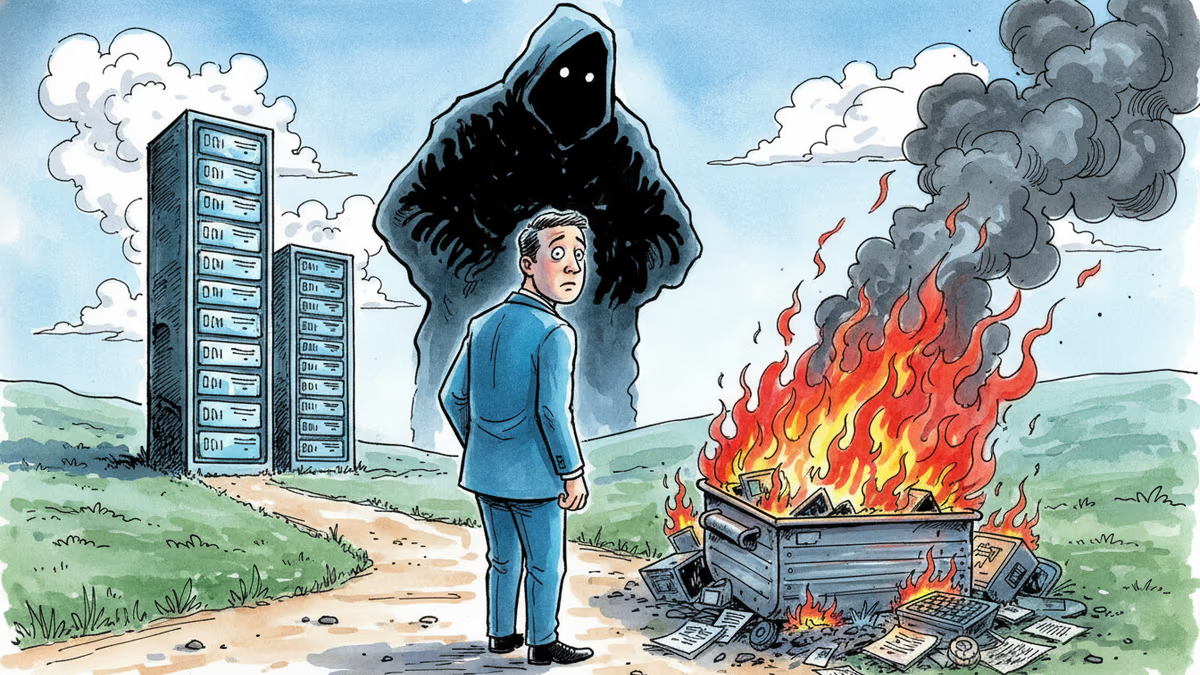
Emails revealed in the Musk v. Altman trial show Microsoft executives were deeply skeptical of OpenAI in 2017–2018. What actually changed their minds?
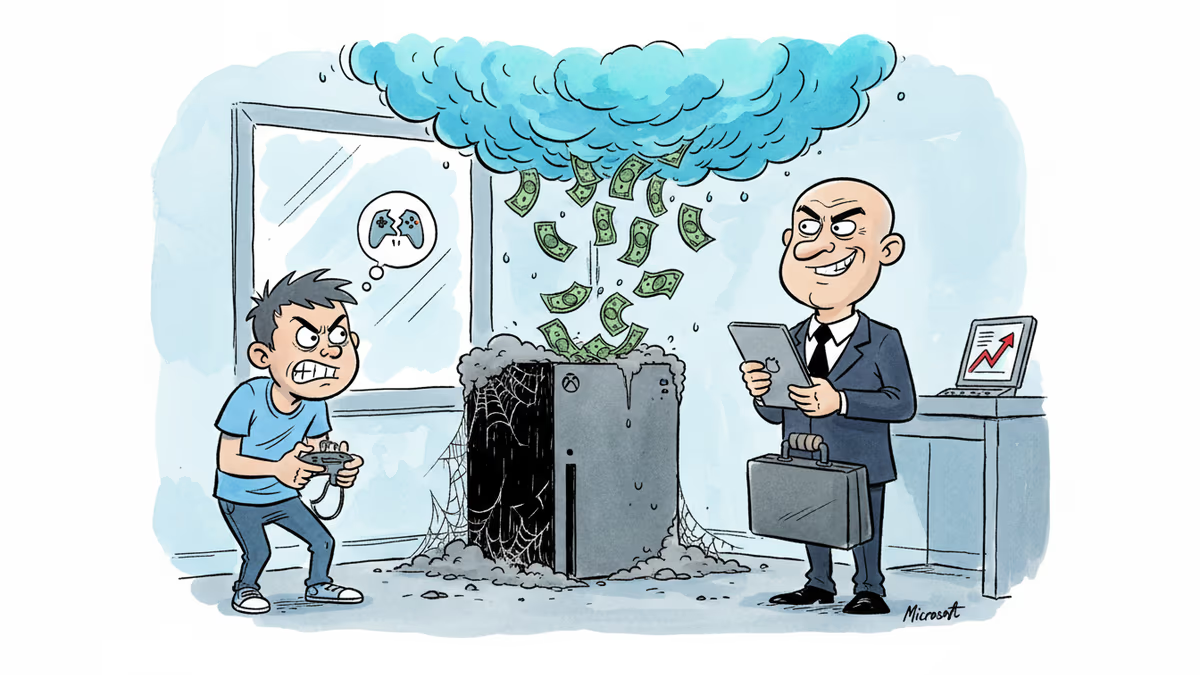
Xbox hardware revenue dropped 33% in Q1 2026, yet Microsoft posted $82.9B in total revenue. What this tells us about the future of gaming—and who actually loses.

Microsoft is letting Windows users delay updates indefinitely — 35 days at a time, as many times as they want. A long-overdue fix, or a security risk hiding in plain sight?
GitHub confirmed hackers stole data from 3,800 internal repositories via a poisoned VS Code extension. Here's why developer tools are now the most dangerous attack surface in tech.
Emails revealed in the Musk v. Altman trial show Microsoft executives were deeply skeptical of OpenAI in 2017–2018. What actually changed their minds?
Xbox hardware revenue dropped 33% in Q1 2026, yet Microsoft posted $82.9B in total revenue. What this tells us about the future of gaming—and who actually loses.
Microsoft is letting Windows users delay updates indefinitely — 35 days at a time, as many times as they want. A long-overdue fix, or a security risk hiding in plain sight?
Thoughts
Share your thoughts on this article
Sign in to join the conversation