
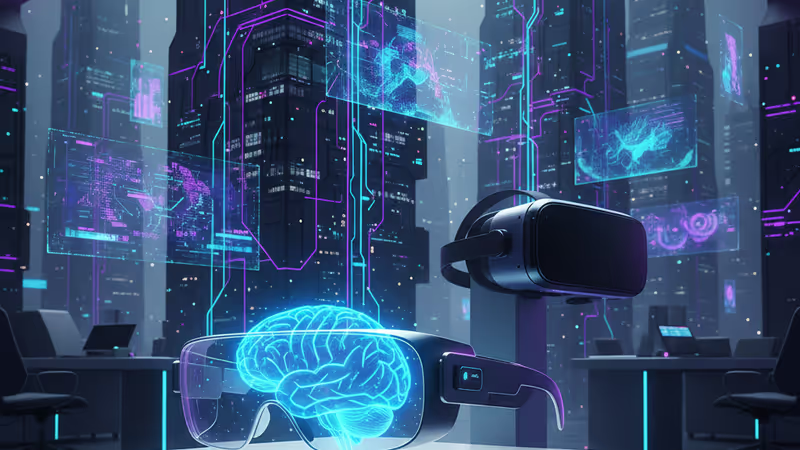
Meta Reality Labs Layoffs 2026: 1,000 Jobs Cut in Major Strategic Shift
Meta is laying off 10% of Reality Labs staff and shutting down VR studios. Learn more about the Meta Reality Labs layoffs 2026 and the shift toward AI and AR.
The metaverse dream is facing a harsh reality check. Meta is laying off 10% of its Reality Labs division, the core unit responsible for its VR and metaverse ambitions. It's a move that signals a massive pivot as the company reallocates billions from virtual gaming to artificial intelligence and augmented reality.
Meta Reality Labs Layoffs 2026: Sunsetting VR Studios
According to the New York Times, the cuts will impact over 1,000 employees out of a total workforce of 15,000. CNBC also reported that Meta plans to shut down several key VR game developers, including Armature Studio, Twisted Pixel, and Sanzaru. The technical unit Oculus Studios Central Technology is also on the chopping block.
CTO Andrew Bosworth reportedly called for a high-stakes in-person meeting on January 14, 2026, to discuss the reorganization. While the job cuts are painful, they don't seem to target everyone. Employees working on augmented reality (AR) glasses and controllers are reportedly safe, as these remain central to Meta's hardware roadmap.

Cannibalizing VR to Fuel the AI Arms Race
Meta isn't just saving money; it's reinvesting it. The company has been aggressively poaching talent, such as Alexandr Wang from Scale AI, to lead its newly formed Superintelligence Labs. Last year, Meta also moved its metaverse lead, Vishal Shah, to oversee AI products as a Vice President.
By slimming down its VR content arm, Meta aims to free up resources for AI development. It's clear that in the current tech climate, investors are rewarding AI progress over long-term metaverse bets. Meta is simply following the money.
Authors
Related Articles
Samsung and SK unveiled a chip and AI investment package worth thousands of trillions of won on June 29. The headline number swings wildly by outlet, but the real contest isn't capital — it's water and power.
Viral videos show 2026 graduates jeering executives who praise AI at commencement ceremonies. It's not just rudeness — it's a signal about who pays for technological optimism.
A law firm marketing itself on AI-powered legal success submitted fake citations in a federal appeal. Now its lawyers face sanctions — and the broader AI legal industry faces a credibility crisis.

Filipino virtual assistants using AI to ghost-manage LinkedIn profiles for executives is now a structured industry. 30 comments a day, fake engagement rings, and a platform struggling to tell real from fabricated.
Samsung and SK unveiled a chip and AI investment package worth thousands of trillions of won on June 29. The headline number swings wildly by outlet, but the real contest isn't capital — it's water and power.
Viral videos show 2026 graduates jeering executives who praise AI at commencement ceremonies. It's not just rudeness — it's a signal about who pays for technological optimism.
A law firm marketing itself on AI-powered legal success submitted fake citations in a federal appeal. Now its lawyers face sanctions — and the broader AI legal industry faces a credibility crisis.
Filipino virtual assistants using AI to ghost-manage LinkedIn profiles for executives is now a structured industry. 30 comments a day, fake engagement rings, and a platform struggling to tell real from fabricated.
Thoughts
Share your thoughts on this article
Sign in to join the conversation