

Meta Permanent Account Ban Policy 2026: The Oversight Board Tackles Digital Death Sentences
Meta's Oversight Board is reviewing its permanent account ban policy for the first time. Learn how this decision could impact digital rights and platform governance in 2026.
Imagine losing years of memories, business contacts, and your entire digital identity in a single click. Meta's Oversight Board is finally addressing the most severe punishment in the social media world. For the first time in its five-year history, the board is reviewing Meta's power to permanently disable user accounts, a move that could redefine how platform giants govern billions of users.
A High-Profile Case Testing the Meta Permanent Account Ban Policy 2026
The focus of this review is a high-profile Instagram user who repeatedly crossed the line. This individual reportedly posted threats of violence against a female journalist, used slurs against politicians, and shared explicit content. Although the account hadn't hit the threshold for automatic disablement, Meta manually pulled the trigger on a permanent ban.
According to TechCrunch, Meta is seeking guidance on whether its current tools effectively protect public figures and if punitive measures like permanent bans actually change online behavior. This comes after a year of heavy criticism from regular users who've faced mass bans from automated moderation systems without clear explanations.

The Crisis of Transparency and Support
The frustration is boiling over. Users complain that even the paid Meta Verified support is "useless" when it comes to account recovery. While Meta claims it has implemented over 75% of the board's past 300 recommendations, critics argue the board lacks the teeth to stop CEO Mark Zuckerberg from making sweeping policy shifts at his own discretion.
The Board is now soliciting public comments on this case. Once the recommendations are issued, Meta will have exactly 60 days to respond. The outcome will likely set a new precedent for how the tech industry handles the delicate balance between community safety and user rights.
Authors
Related Articles
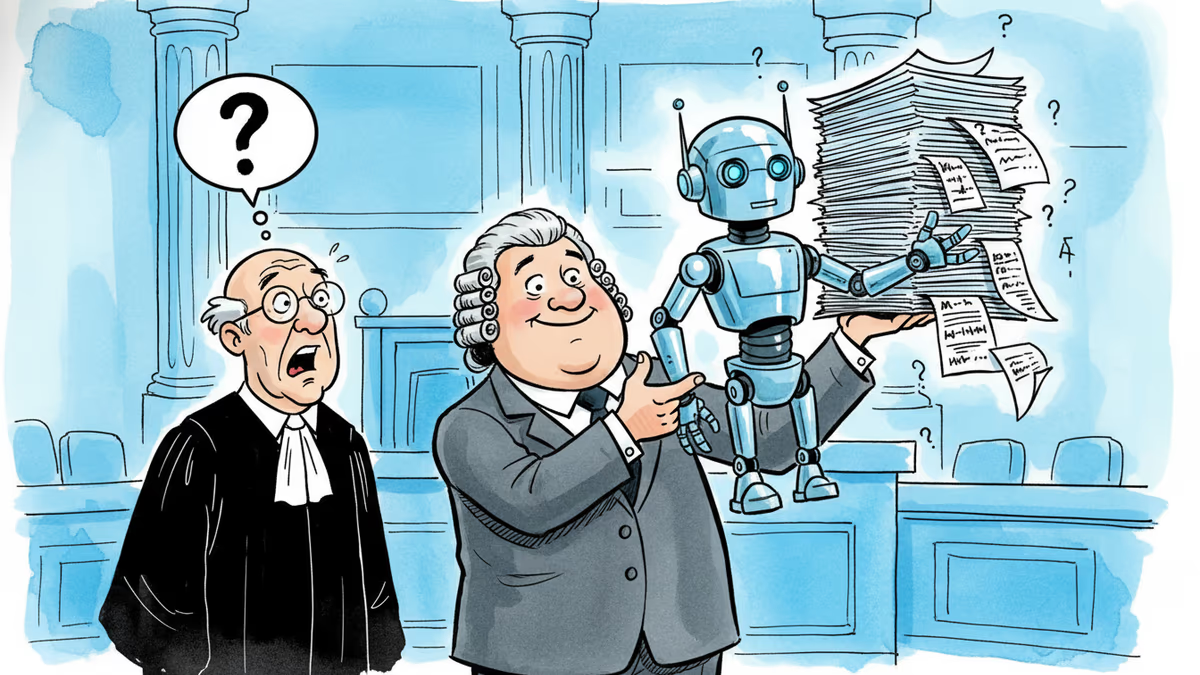
A law firm marketing itself on AI-powered legal success submitted fake citations in a federal appeal. Now its lawyers face sanctions — and the broader AI legal industry faces a credibility crisis.
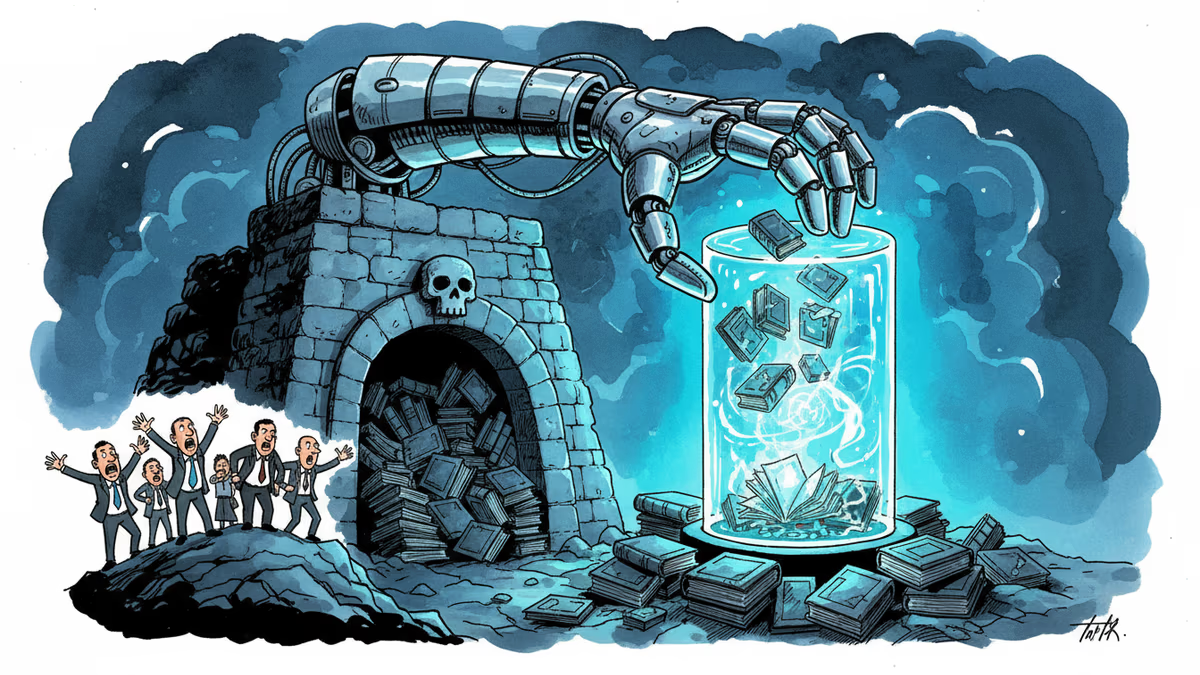
Five major publishers and author Scott Turow have filed a class action lawsuit against Meta, alleging the company used illegal pirate sites like LibGen to train its Llama AI models without permission.
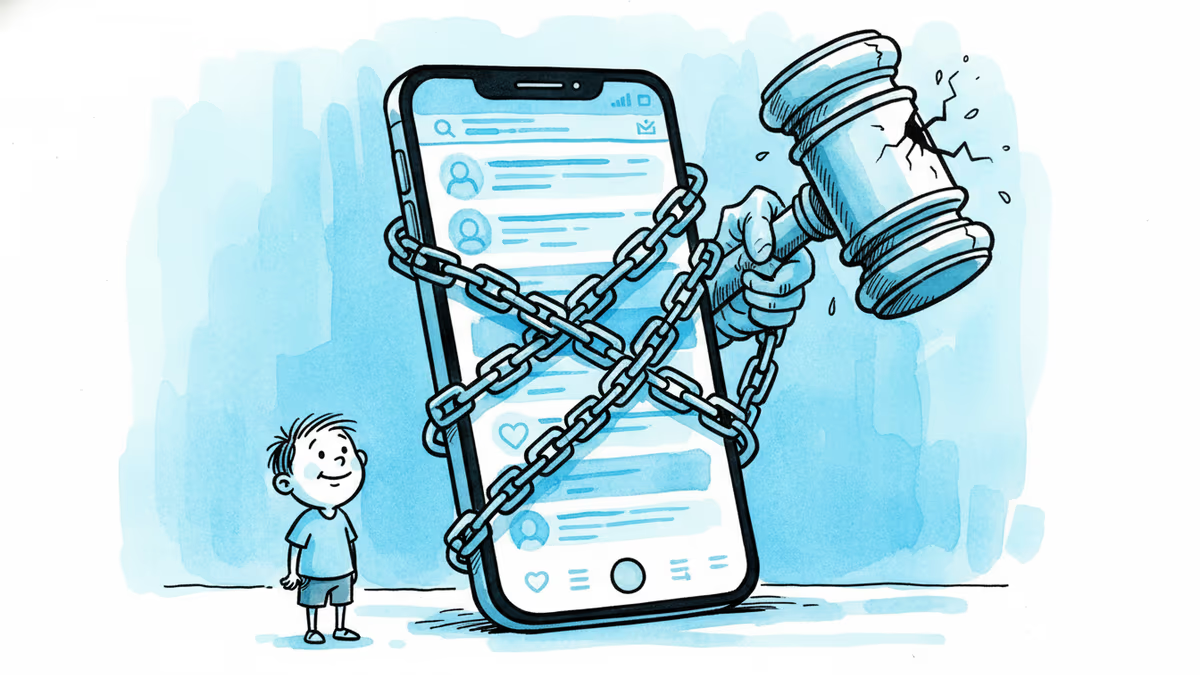
New Mexico already won $375 million from Meta. Now it wants something harder to give: a court order forcing Facebook, Instagram, and WhatsApp to redesign themselves. A three-week trial starts Monday.
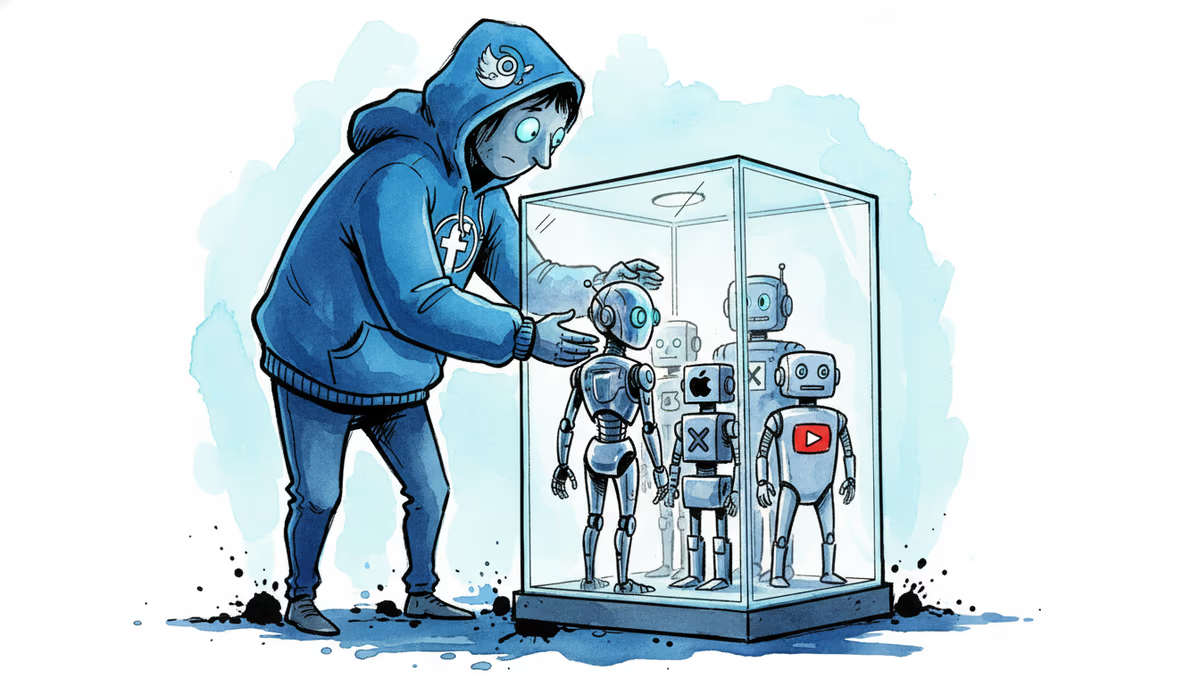
Meta acquired humanoid robotics startup ARI, adding to a Big Tech arms race in physical AI. The real prize isn't a robot product — it's a new way to train intelligence.
A law firm marketing itself on AI-powered legal success submitted fake citations in a federal appeal. Now its lawyers face sanctions — and the broader AI legal industry faces a credibility crisis.
Five major publishers and author Scott Turow have filed a class action lawsuit against Meta, alleging the company used illegal pirate sites like LibGen to train its Llama AI models without permission.
New Mexico already won $375 million from Meta. Now it wants something harder to give: a court order forcing Facebook, Instagram, and WhatsApp to redesign themselves. A three-week trial starts Monday.
Meta acquired humanoid robotics startup ARI, adding to a Big Tech arms race in physical AI. The real prize isn't a robot product — it's a new way to train intelligence.
Thoughts
Share your thoughts on this article
Sign in to join the conversation