
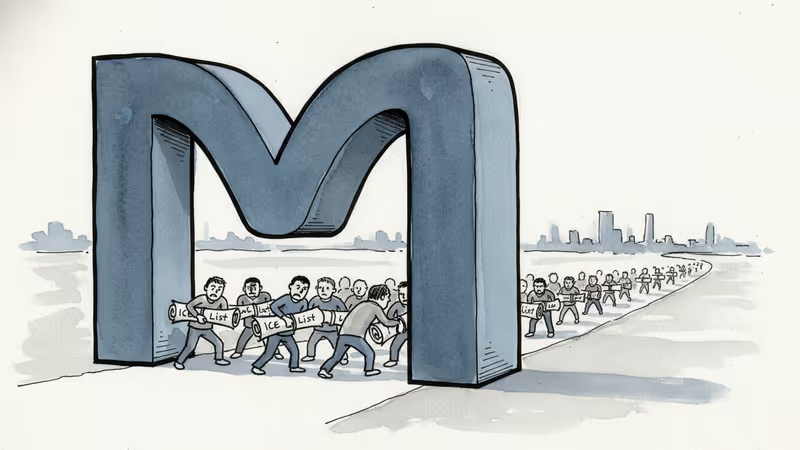
Why Meta Blocked Links to ICE Employee Database
Meta has started blocking links to ICE List, a website exposing DHS employee names. The move raises questions about free speech, privacy, and Big Tech's gatekeeper power.
For six months, links to ICE List circulated freely across Meta's platforms. Then suddenly, they didn't. The social media giant has begun blocking users from sharing links to the website, which compiles names of alleged Department of Homeland Security employees in what creators call an accountability project.
The Timing Question
Dominick Skinner, ICE List's creator, tells WIRED the links had been "shared without issue" for more than half a year. So why the sudden policy enforcement now?
Skinner doesn't mince words about the timing: "I think it's no surprise that a company run by a man who sat behind Trump at his inauguration, and donated to the destruction of the White House, has taken a stance that helps ICE agents retain anonymity." The reference to Mark Zuckerberg's recent political positioning is unmistakable.
The Accountability vs. Safety Dilemma
This isn't a simple case of censorship versus free speech. ICE List operates in a gray zone where legitimate accountability concerns clash with personal safety risks. Government employees, particularly those in immigration enforcement, face real threats when their personal information becomes public.
Meta hasn't officially explained the blocking decision, but it likely falls under the platform's policies against doxxing and harassment. The company has consistently struggled with balancing transparency advocacy against user safety—a tension that's only intensified in recent years.

Yet critics argue this selective enforcement reveals political bias. Why block ICE List now, when similar databases of other government employees have remained accessible?
The Gatekeeper Problem
The broader issue extends beyond this single website. When platforms with 2.7 billion users decide what information can or cannot be shared, they're effectively controlling public discourse. Meta's content moderation decisions carry the weight of editorial choices at major newspapers, but without the same accountability structures.
This gatekeeper power has drawn increasing scrutiny from lawmakers across the political spectrum. Conservatives cry censorship when their content gets removed; progressives worry about platforms amplifying harmful misinformation. Both sides agree on one thing: Big Tech's influence over information flow has grown uncomfortably large.
The Broader Context
Meta's decision comes amid a broader recalibration of content policies across major platforms. Elon Musk's changes at X (formerly Twitter) have sparked industry-wide discussions about moderation standards. Meanwhile, regulatory pressure continues mounting in both the US and Europe.
The ICE List case highlights how these abstract policy debates play out in practice. Real people's safety hangs in the balance—both the government employees whose names appear on the list and the communities affected by immigration enforcement.
Authors
Related Articles
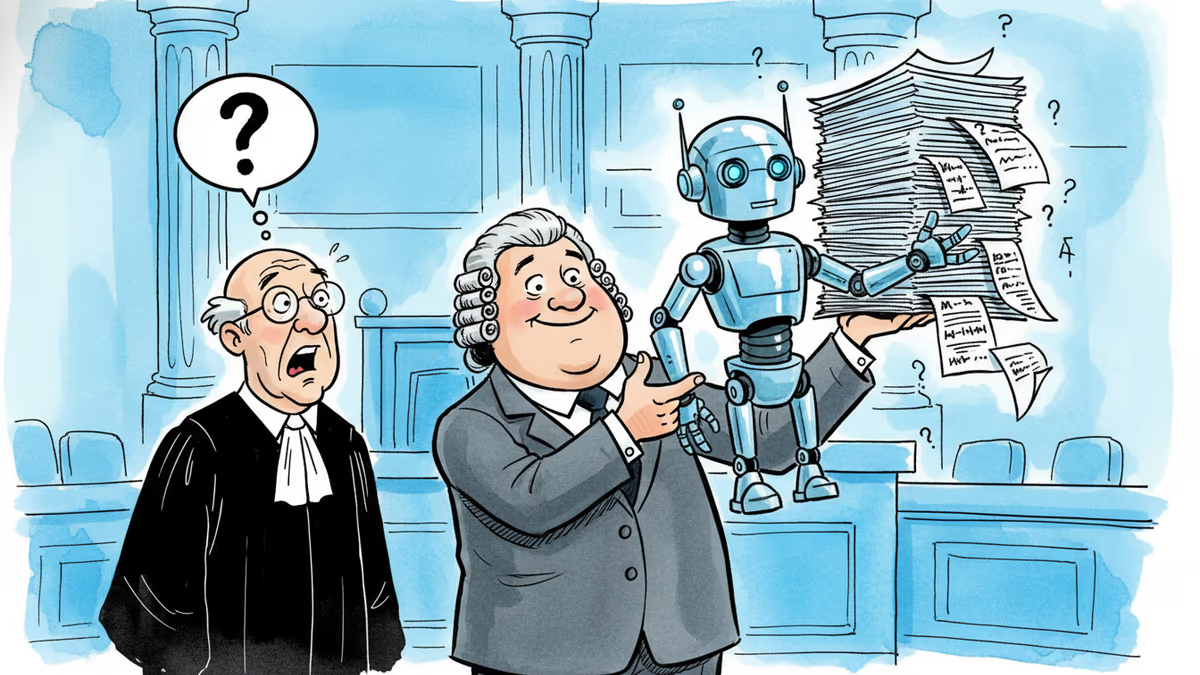
A law firm marketing itself on AI-powered legal success submitted fake citations in a federal appeal. Now its lawyers face sanctions — and the broader AI legal industry faces a credibility crisis.
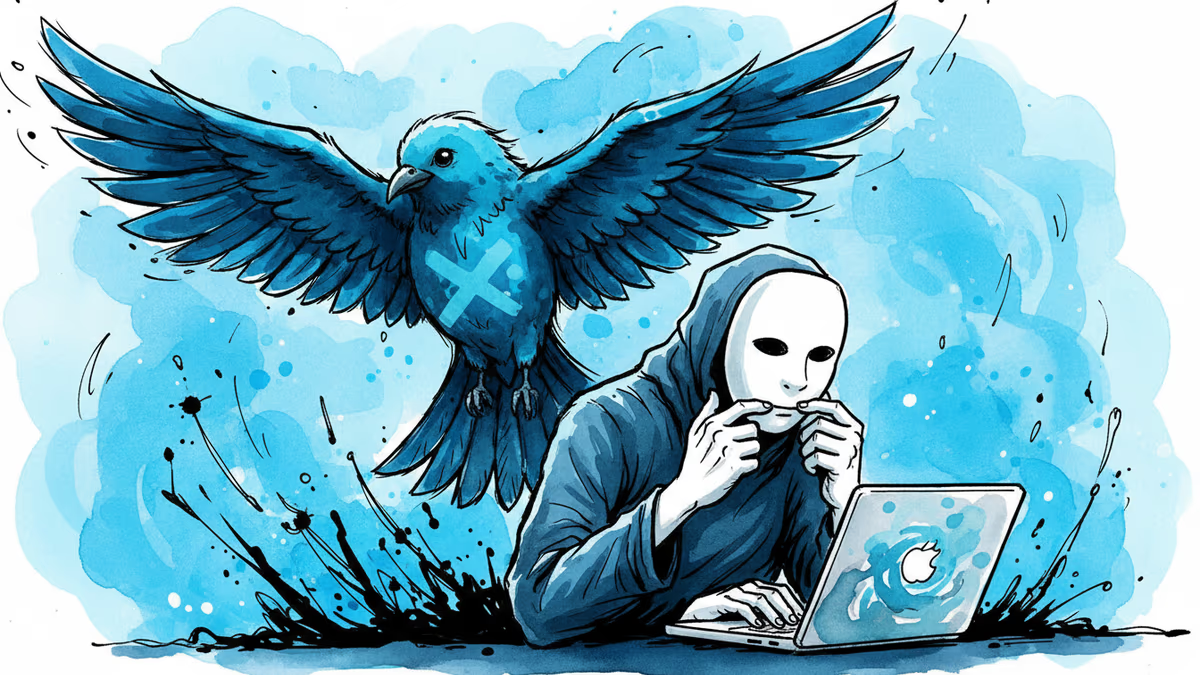
The Tate brothers are suing X to unmask anonymous accounts that criticized them. The case cuts to the heart of online anonymity, free speech, and who controls the cost of public criticism.
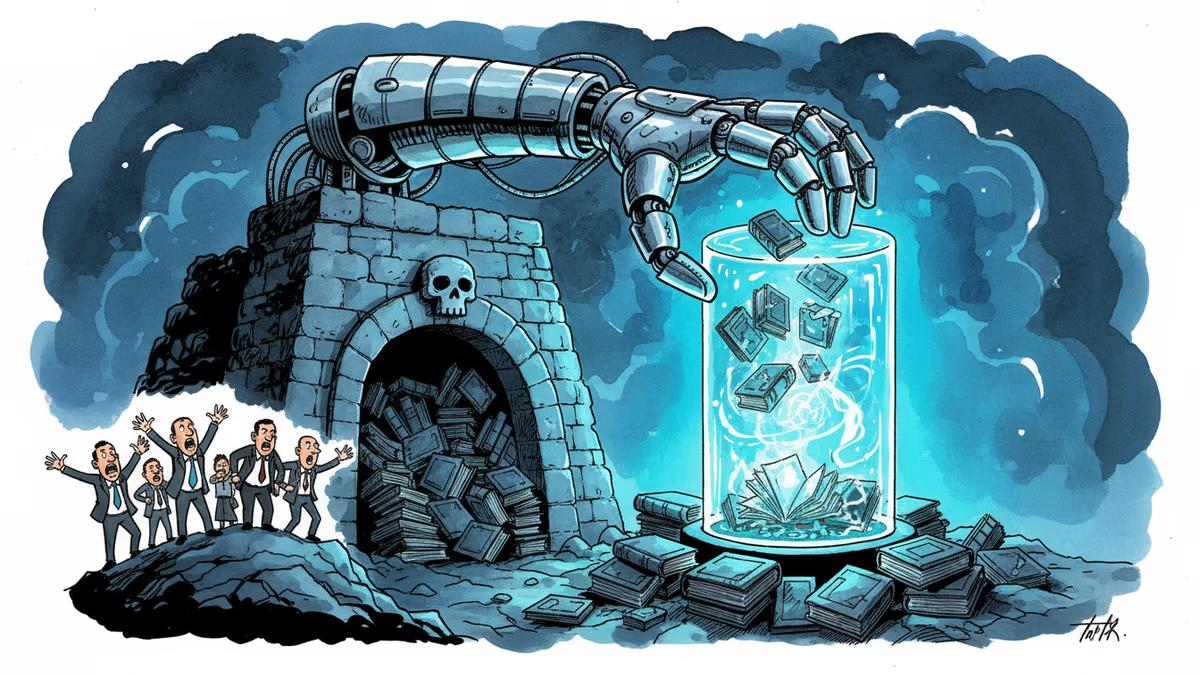
Five major publishers and author Scott Turow have filed a class action lawsuit against Meta, alleging the company used illegal pirate sites like LibGen to train its Llama AI models without permission.
New Mexico already won $375 million from Meta. Now it wants something harder to give: a court order forcing Facebook, Instagram, and WhatsApp to redesign themselves. A three-week trial starts Monday.
A law firm marketing itself on AI-powered legal success submitted fake citations in a federal appeal. Now its lawyers face sanctions — and the broader AI legal industry faces a credibility crisis.
The Tate brothers are suing X to unmask anonymous accounts that criticized them. The case cuts to the heart of online anonymity, free speech, and who controls the cost of public criticism.
Five major publishers and author Scott Turow have filed a class action lawsuit against Meta, alleging the company used illegal pirate sites like LibGen to train its Llama AI models without permission.
New Mexico already won $375 million from Meta. Now it wants something harder to give: a court order forcing Facebook, Instagram, and WhatsApp to redesign themselves. A three-week trial starts Monday.
Thoughts
Share your thoughts on this article
Sign in to join the conversation