
Marshall Heddon Hub: Scaling Audio Without Limits via Bluetooth Auracast
Marshall announces the Heddon streaming hub, leveraging Bluetooth Auracast for easy multi-speaker audio. Discover how this Wi-Fi-enabled hub simplifies your home audio setup.
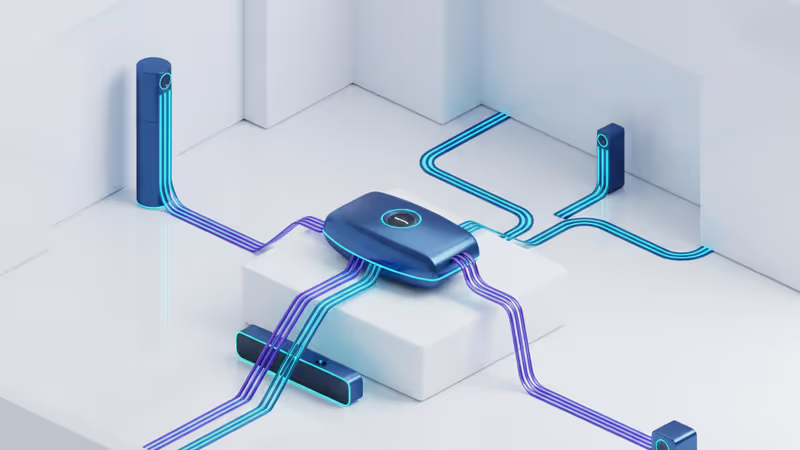
The era of digging through Bluetooth pairing menus is coming to an end. Marshall just unveiled the Heddon, a music streaming hub that utilizes Bluetooth Auracast to broadcast audio to multiple speakers simultaneously. It's a bold move that signals a shift toward a more open and standardized wireless audio ecosystem.
How Marshall Heddon Hub Auracast Technology Works
According to reports from The Verge, the Heddon functions as a central broadcaster. Unlike traditional setups that require a one-to-one handshake between devices, Auracast allows any compatible speaker within range to simply 'tune in' to the stream. This eliminates the tedious process of re-pairing every time you want to add a new room to your audio setup.
Music-First Connectivity and Specs

While Sennheiser recently introduced the BTA1 specifically for TV audio, Marshall is doubling down on pure music. The Heddon includes built-in Wi-Fi to connect directly to high-fidelity services like Spotify Connect and Tidal Connect. This ensures that the source audio remains high-quality before it's broadcast via the Auracast protocol.
- Key Technology: Bluetooth Auracast (LE Audio)
- Streaming Support: Spotify Connect, Tidal Connect via Wi-Fi
- Price: TBD (To Be Determined)
The release date and official pricing haven't been confirmed yet, but the announcement on January 23, 2026, places Marshall at the forefront of the next wireless standard. As more speakers launch with Auracast support, hubs like the Heddon will become essential for multi-room audio enthusiasts who value simplicity over proprietary app ecosystems.
Authors
Related Articles
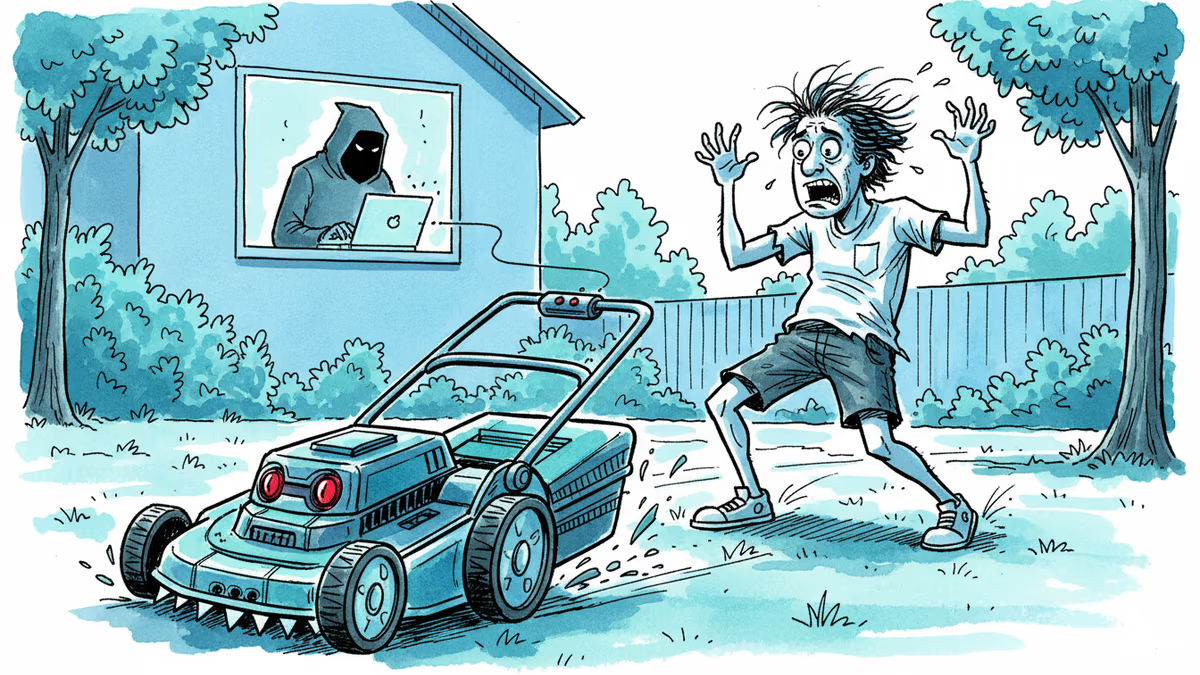
Yarbo's robot lawn mowers had critical security flaws exposing GPS, Wi-Fi passwords, and emails. The company confirmed the findings and cut remote access. But the real issue runs deeper than one brand.
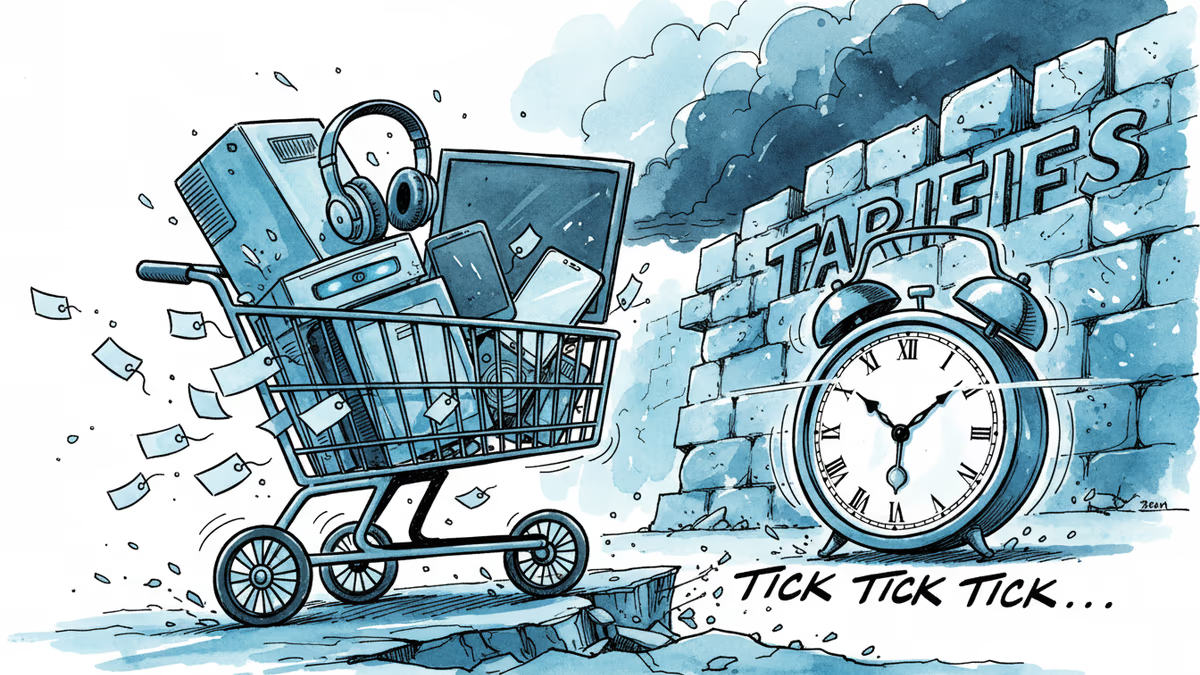
Amazon's Big Spring Sale runs through March 31st with record-low prices on robot vacuums, headphones, and smart home gear — but the real story is why it's happening now.
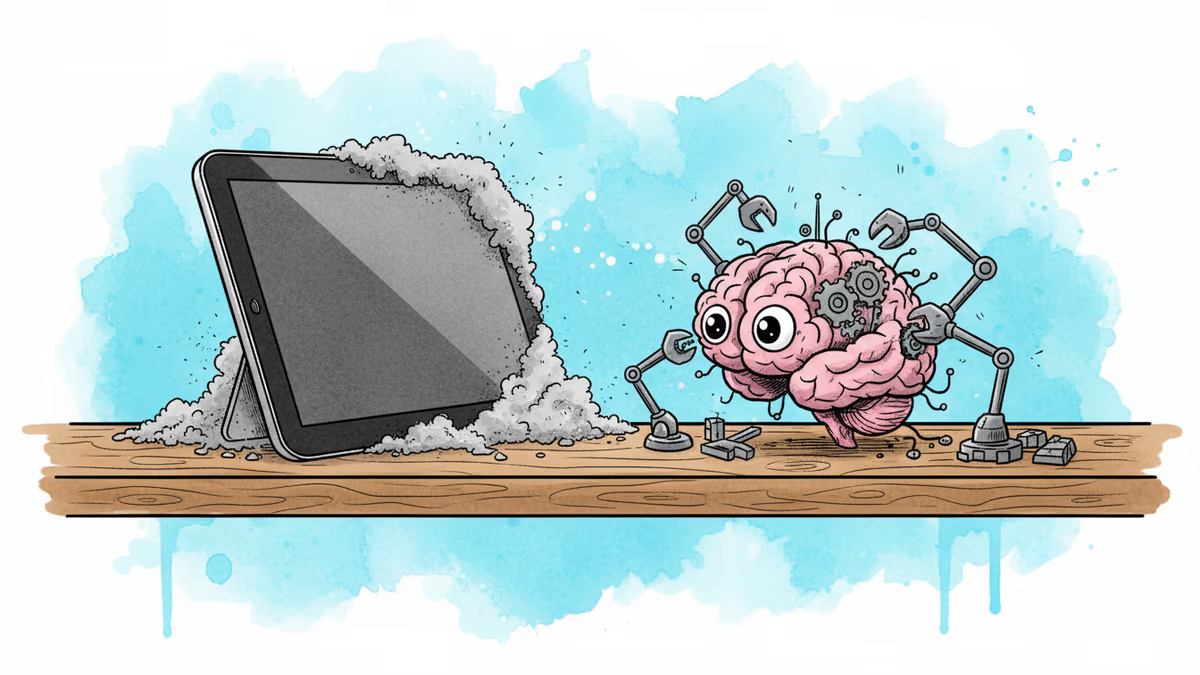
Apple's HomePad smart display has been delayed again—now targeting fall 2026—because its AI-upgraded Siri still isn't ready. What does that tell us about where the smart home industry is heading?
Google Home introduces Live Search feature enabling real-time camera analysis. Smart home convenience meets privacy concerns as AI monitors daily life 24/7
Yarbo's robot lawn mowers had critical security flaws exposing GPS, Wi-Fi passwords, and emails. The company confirmed the findings and cut remote access. But the real issue runs deeper than one brand.
Amazon's Big Spring Sale runs through March 31st with record-low prices on robot vacuums, headphones, and smart home gear — but the real story is why it's happening now.
Apple's HomePad smart display has been delayed again—now targeting fall 2026—because its AI-upgraded Siri still isn't ready. What does that tell us about where the smart home industry is heading?
Google Home introduces Live Search feature enabling real-time camera analysis. Smart home convenience meets privacy concerns as AI monitors daily life 24/7
Thoughts
Share your thoughts on this article
Sign in to join the conversation