
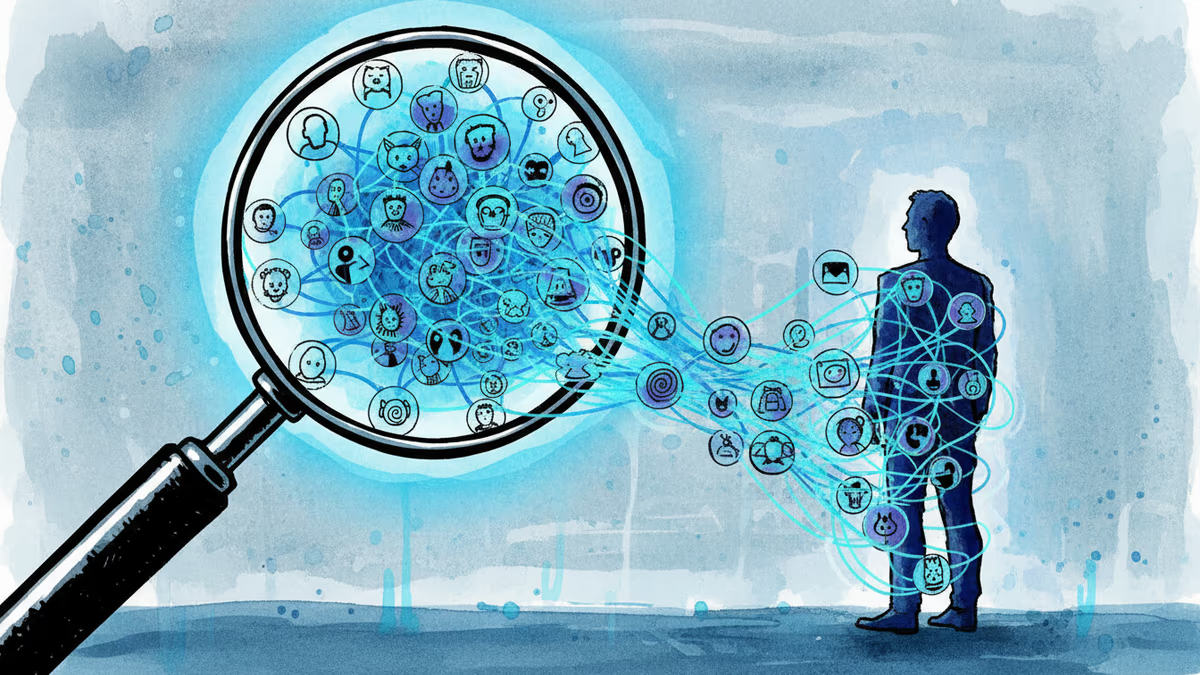
Your Burner Account Isn't Fooling Anyone Anymore
AI can now identify pseudonymous social media users with 68% recall and 90% precision, potentially ending internet anonymity as we know it.
The 15-Minute Identity Hunt
You tweet political opinions from @AnonUser2024. Share workout pics on Instagram as @FitnessJourney. Post career advice on LinkedIn under your real name. Three platforms, three personas, zero connection—or so you thought.
AI researchers just shattered that assumption. Their system can link these accounts with 68% recall and 90% precision, turning what used to require skilled investigators weeks to accomplish into a 15-minute automated process.
This isn't theoretical. It's happening now, and it changes everything about online privacy.
Your Digital Fingerprint Is Showing
The breakthrough lies in pattern recognition that goes beyond traditional methods. While humans might spot obvious connections—same profile photo, similar usernames—AI digs deeper into writing patterns, posting schedules, and interest clusters.
"Every person has a unique digital fingerprint in how they express themselves," the researchers explain. Your tendency to use semicolons, preference for certain emoji, even typo patterns become identifying markers. Change your username all you want—your writing style gives you away.
The technology analyzes multiple data points simultaneously: vocabulary choices, sentence structure, topic preferences, and temporal posting patterns. What emerges is a comprehensive behavioral profile that's remarkably persistent across platforms.
The New Surveillance Economy

Law enforcement sees a game-changer. Cybercriminals who've evaded capture by jumping between platforms now face automated tracking. One cybersecurity firm reported identifying a harassment campaign's orchestrator within hours instead of months.
Marketing companies are salivating. Imagine building complete consumer profiles by connecting someone's professional LinkedIn, personal Instagram, and anonymous Reddit accounts. The advertising precision would be unprecedented—and invasive.
Authoritarian governments already deploy similar techniques. What happens when this technology becomes commercially available? Dissidents, whistleblowers, and activists who rely on pseudonymity face new risks.
The Privacy Paradox
Tech platforms face an impossible choice. Twitter, Facebook, and Instagram built their businesses on engagement, which often requires some level of anonymity for controversial discussions. But they're also under pressure to combat misinformation and harassment—tasks this AI could help with.
Privacy advocates warn of a chilling effect. "When people know they can be identified, they self-censor," argues one digital rights lawyer. The result? Less diverse discourse, fewer whistleblowers, reduced political participation.
Ordinary users are caught in the middle. The mom posting in parenting forums under a pseudonym to discuss marital problems. The employee anonymously reviewing their company. The teenager seeking advice about sexuality. All potentially exposed.
Beyond the Algorithm
The technical achievement masks deeper questions about digital society. We've built an internet that promises anonymity while creating unprecedented surveillance capabilities. The same data that enables personalized services also enables identification.
Some experts propose "differential privacy"—adding mathematical noise to data to prevent identification while preserving utility. Others suggest legal frameworks requiring explicit consent before deanonymization. But technology often outpaces regulation.
Authors
Related Articles
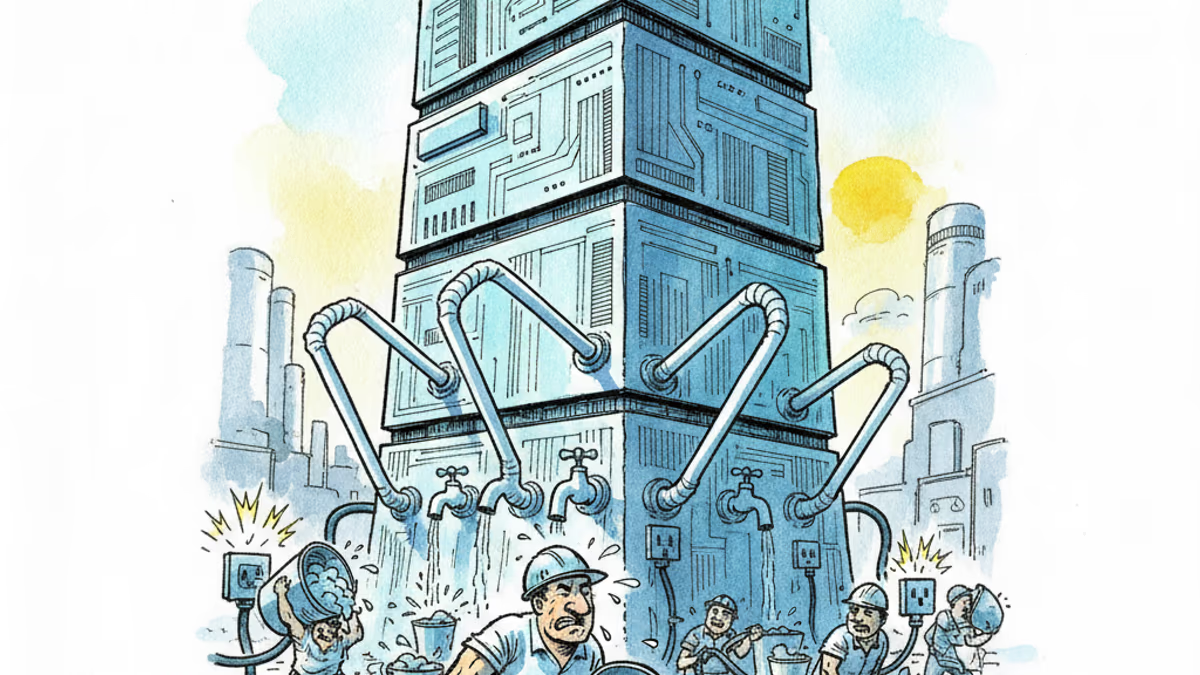
Samsung and SK unveiled a chip and AI investment package worth thousands of trillions of won on June 29. The headline number swings wildly by outlet, but the real contest isn't capital — it's water and power.
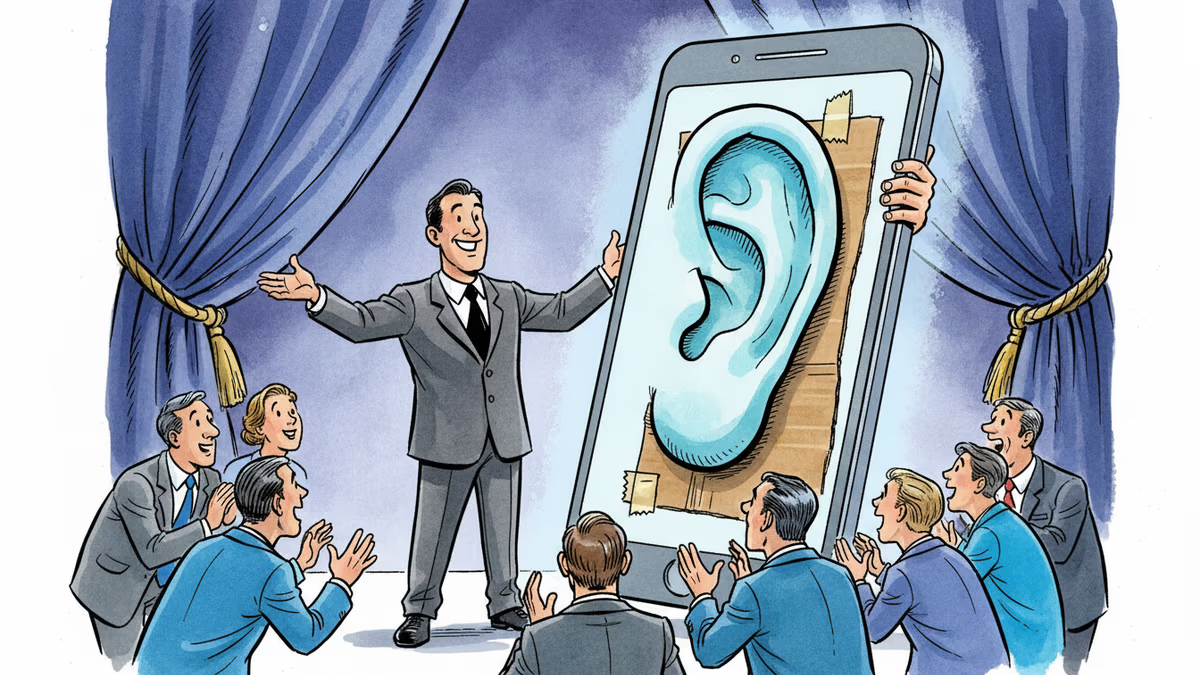
The FTC fined Cox Media and two ad firms $930,000 — not for actually eavesdropping on users, but for falsely claiming they could. The case raises uncomfortable questions about surveillance capitalism.
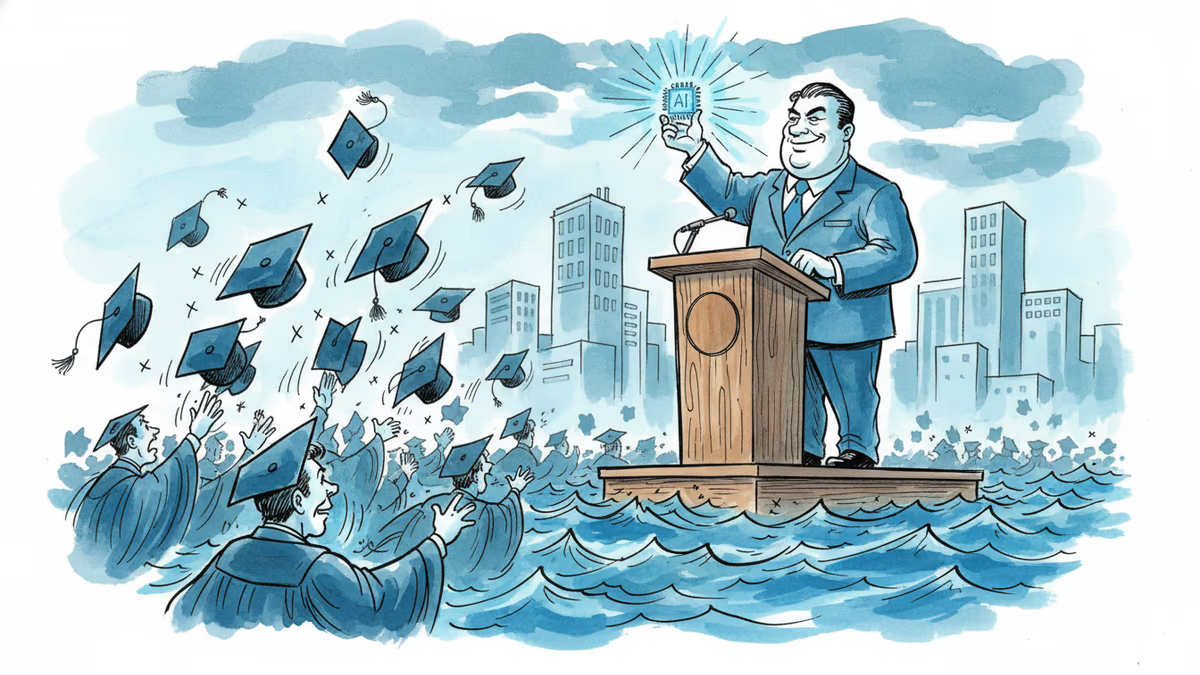
Viral videos show 2026 graduates jeering executives who praise AI at commencement ceremonies. It's not just rudeness — it's a signal about who pays for technological optimism.
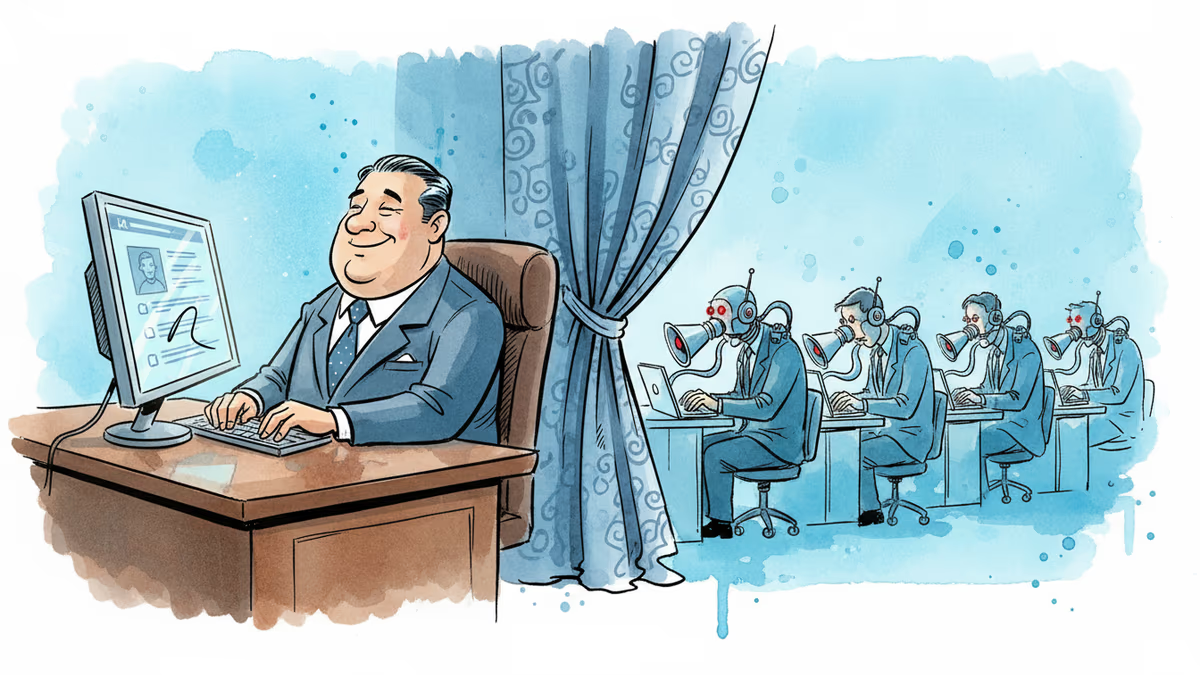
Filipino virtual assistants using AI to ghost-manage LinkedIn profiles for executives is now a structured industry. 30 comments a day, fake engagement rings, and a platform struggling to tell real from fabricated.
Samsung and SK unveiled a chip and AI investment package worth thousands of trillions of won on June 29. The headline number swings wildly by outlet, but the real contest isn't capital — it's water and power.
The FTC fined Cox Media and two ad firms $930,000 — not for actually eavesdropping on users, but for falsely claiming they could. The case raises uncomfortable questions about surveillance capitalism.
Viral videos show 2026 graduates jeering executives who praise AI at commencement ceremonies. It's not just rudeness — it's a signal about who pays for technological optimism.
Filipino virtual assistants using AI to ghost-manage LinkedIn profiles for executives is now a structured industry. 30 comments a day, fake engagement rings, and a platform struggling to tell real from fabricated.
Thoughts
Share your thoughts on this article
Sign in to join the conversation