
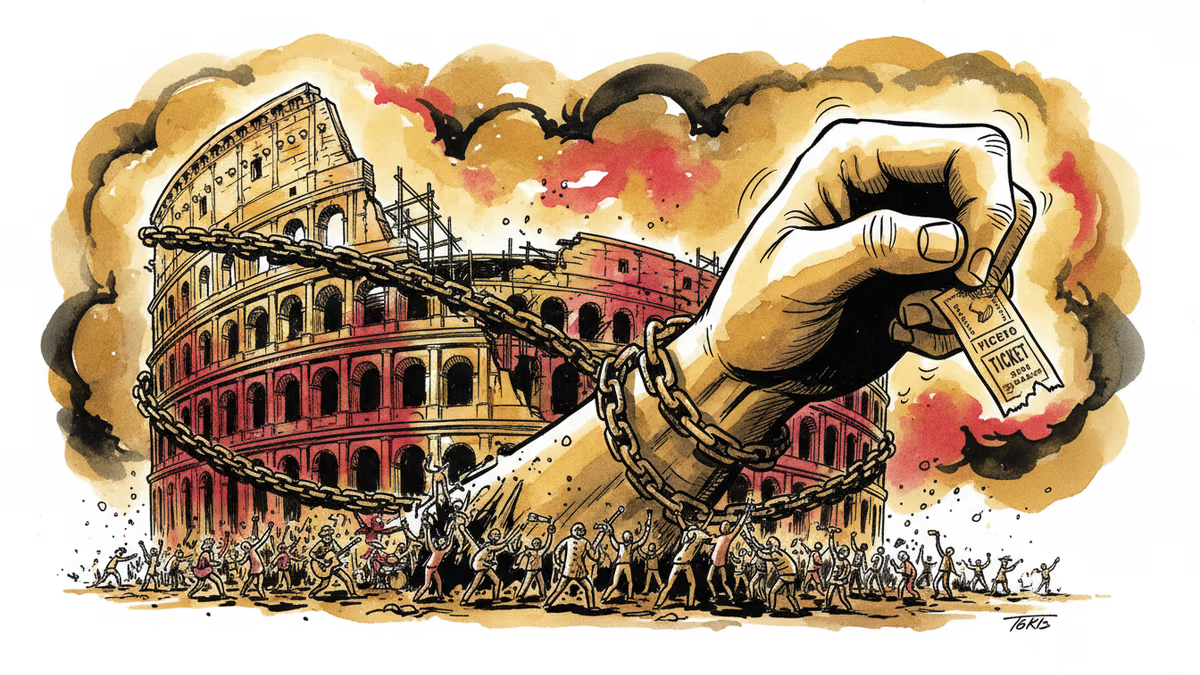
The Phone Call That Could Break Up Live Nation
A 2021 audio recording between two CEOs sits at the heart of the US anti-monopoly case against Live Nation. As the DOJ settles, dozens of states press on — and the concert industry watches nervously.
The moment a jury hears a CEO's voice — not a transcript, not a press release — something shifts. In the first week of the anti-monopoly trial against Live Nation, jurors listened to a 2021 phone call between Barclays Center CEO John Abbamondi and Live Nation CEO Michael Rapino. The two men were arguing over a ticketing deal for Brooklyn's premier arena. The question the call left hanging in the courtroom: was Rapino making a threat, or just stating how the industry works?
That distinction may determine the future of how Americans — and much of the world — buy concert tickets.
How One Company Came to Own the Concert
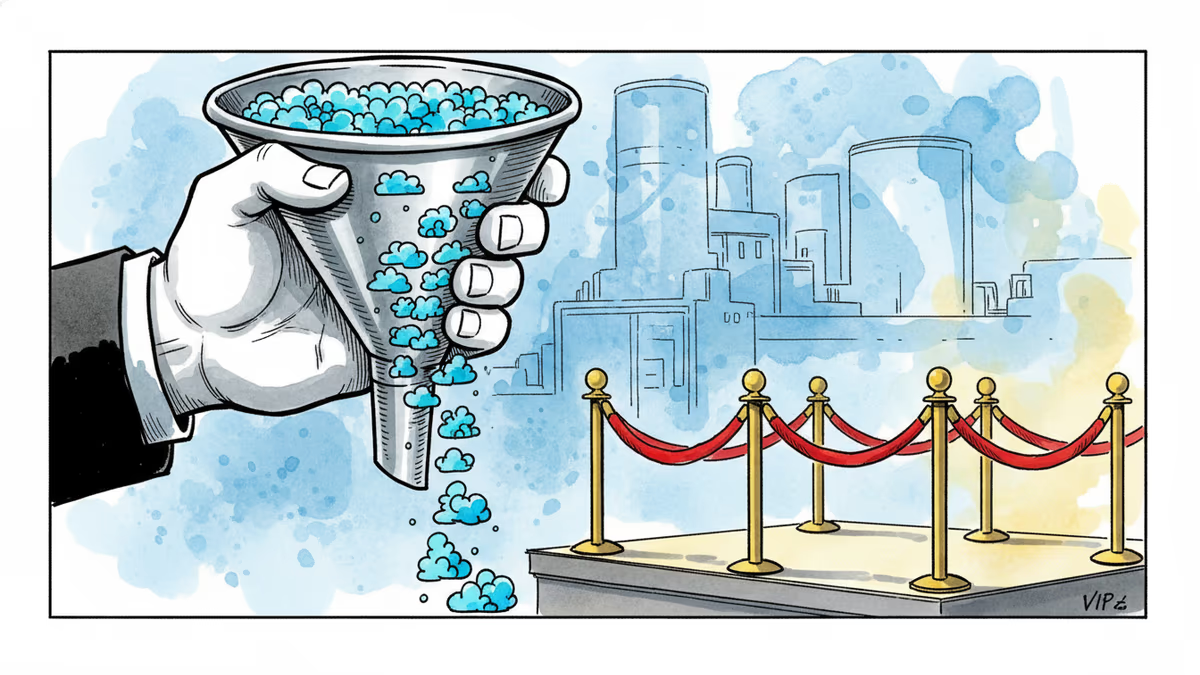
Live Nation didn't build its dominance overnight. Through years of acquisitions, it stitched together the three critical layers of the live entertainment business: artist management and promotion, venue ownership and operation, and ticketing. The 2010 merger with Ticketmaster — approved by the DOJ with conditions — was the pivotal move. Today, if you want to see a major act in the US, there's a reasonable chance Live Nation promoted the tour, the venue is in its portfolio, and Ticketmaster processed your ticket — along with fees that can reach 20–30% of the face price.
The Justice Department filed its antitrust suit in 2024, arguing this vertical integration constitutes an illegal monopoly that harms artists, venues, and fans alike. The case went to trial in early 2026.
A Settlement That Didn't Settle Everything
Here's where it gets complicated. The DOJ — under a changed political administration — reached a settlement with Live Nation before a verdict. But dozens of state attorneys general didn't follow. They're pushing ahead with their own cases, creating a split-screen legal battle that's unusual even by American antitrust standards.

The Barclays Center audio, obtained by The Verge and played for jurors, is a public exhibit at the center of the states' argument. Prosecutors contend the call shows how Live Nation pressures venues into ticketing arrangements. The company's defense frames it as ordinary contract negotiation — the kind of tough talk that happens in any high-stakes business deal.
Who's Watching, and Why
The stakes look different depending on where you sit.
For fans, the immediate question is whether a ruling — or a strong settlement — could actually lower ticket prices and fees. Skeptics note that previous DOJ conditions on the Ticketmaster merger did little to change consumer costs. A forced breakup of Live Nation's ticketing arm from its venue operations would be a more drastic remedy, one that could open the market to genuine competition.
For artists, the picture is nuanced. Established acts with leverage have often worked comfortably within the Live Nation ecosystem — the infrastructure for a global tour is genuinely hard to replicate. But mid-tier and emerging artists describe a system where saying no to Live Nation venues can mean losing access to the best rooms in major markets. The Rapino-Abbamondi call, whatever its legal interpretation, illustrates the kind of pressure that ripples down the food chain.
For the broader tech and platform economy, this case is a test of whether vertical integration — the same strategy used by Amazon, Apple, and Google in their respective markets — can be successfully challenged in court. Each of those companies has faced antitrust scrutiny. Live Nation may be the clearest case yet, because the supply chain is so visible: you can literally trace your ticket purchase through every layer the company controls.
The Federal-State Divide as a Signal
The DOJ's decision to settle while state governments press on isn't just a legal footnote. It reflects a growing pattern in US regulatory enforcement: when federal appetite for confrontation with large corporations wanes, states increasingly act as a counterweight. This is the same dynamic playing out in data privacy, social media regulation, and pharmaceutical pricing. The concert industry is just the latest arena.
Whether the states can secure a stronger outcome than the federal government remains an open question. State-level antitrust victories are rarer and harder to enforce nationally. But the pressure they maintain keeps Live Nation in a defensive posture — and keeps the conversation about market structure alive.
Authors
Related Articles
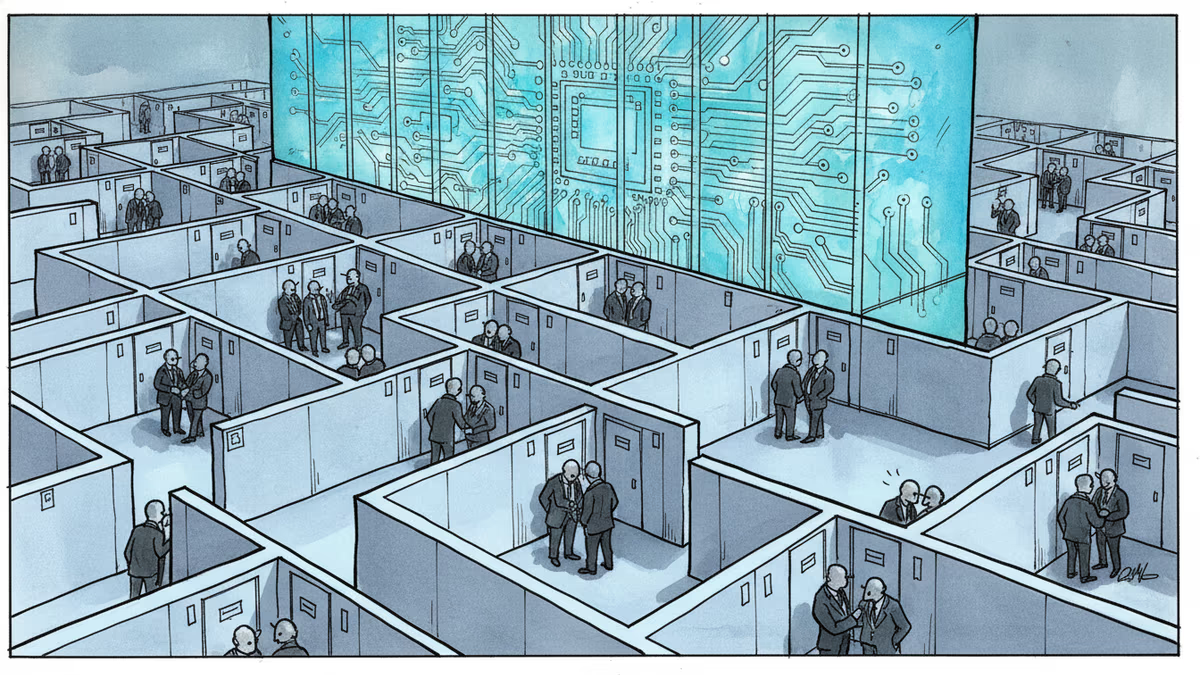
Behind every congressional hearing on Big Tech, there's a quieter room where the real rules get negotiated. As AI regulation, antitrust battles, and privacy law converge on Capitol Hill in 2026, the stakes have never been higher.
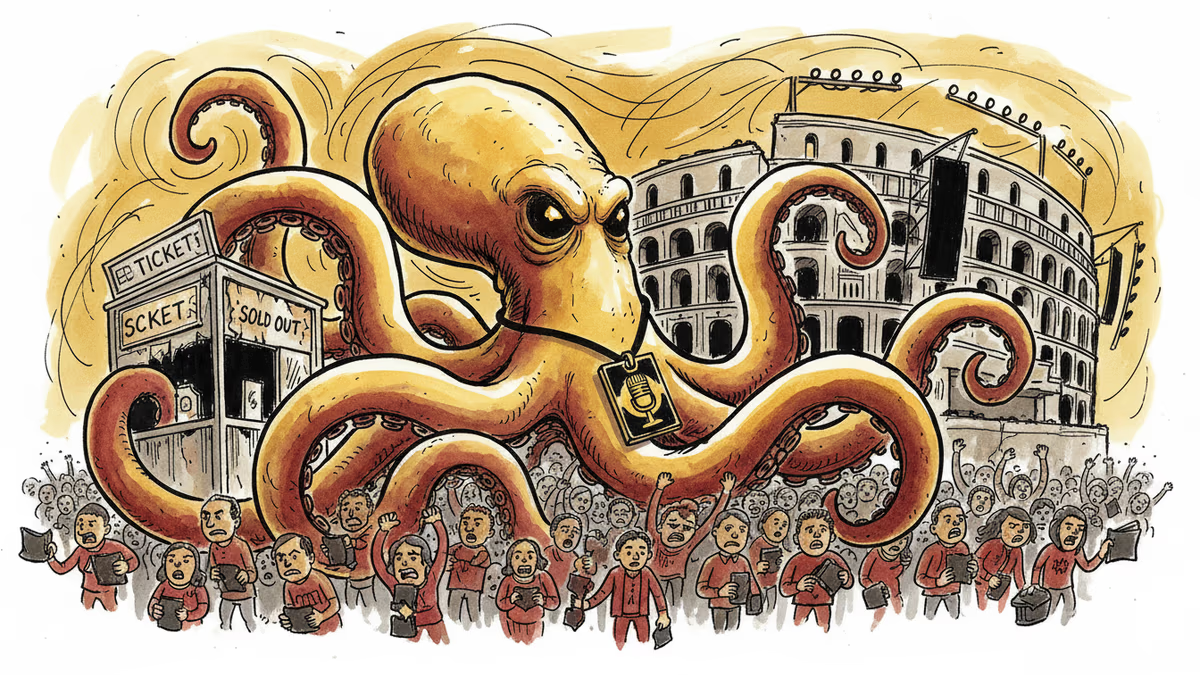
A federal jury ruled Live Nation operated as an illegal monopoly. Slack messages mocking customers, a possible Ticketmaster breakup, and what it means for every concert ticket you've ever bought.
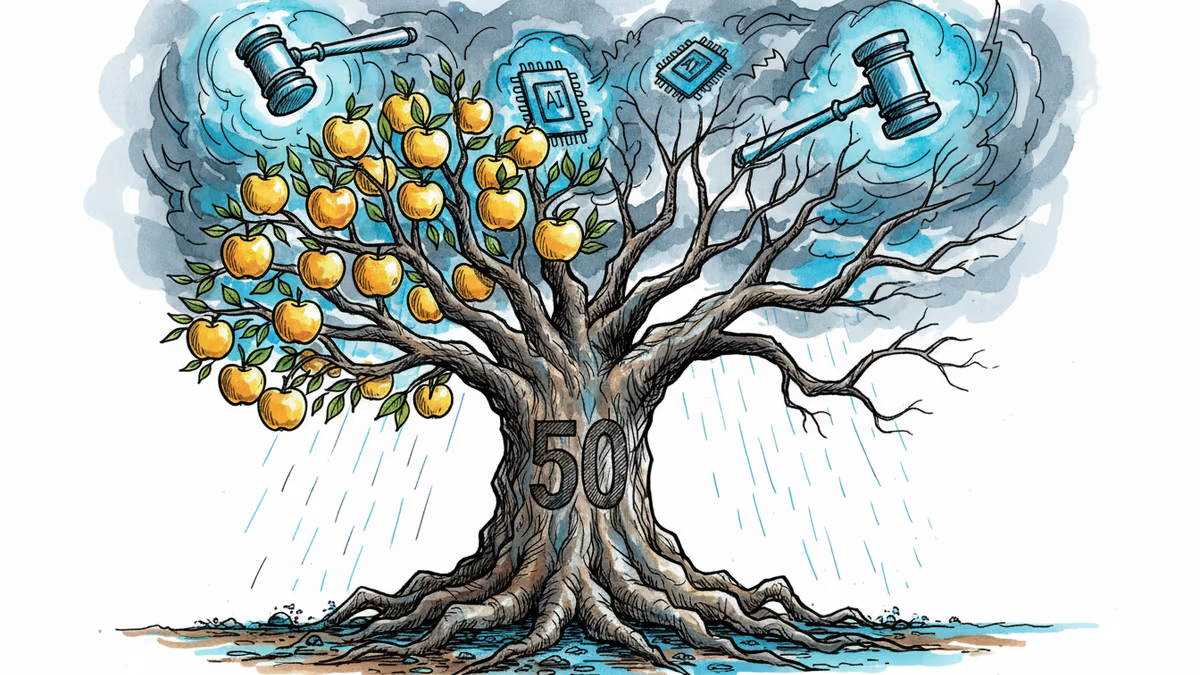
Apple hits its 50th birthday with a $3 trillion valuation — but AI struggles, antitrust pressure, and a quiet innovation drought are raising real questions about what comes next.
A cloud provider trade group has filed an EU antitrust complaint against Broadcom after it slashed VMware's CSP partner count from 4,000+ to just 19 in the US. Here's what's really at stake.
Behind every congressional hearing on Big Tech, there's a quieter room where the real rules get negotiated. As AI regulation, antitrust battles, and privacy law converge on Capitol Hill in 2026, the stakes have never been higher.
A federal jury ruled Live Nation operated as an illegal monopoly. Slack messages mocking customers, a possible Ticketmaster breakup, and what it means for every concert ticket you've ever bought.
Apple hits its 50th birthday with a $3 trillion valuation — but AI struggles, antitrust pressure, and a quiet innovation drought are raising real questions about what comes next.
A cloud provider trade group has filed an EU antitrust complaint against Broadcom after it slashed VMware's CSP partner count from 4,000+ to just 19 in the US. Here's what's really at stake.
Thoughts
Share your thoughts on this article
Sign in to join the conversation