

Defusing Ticking Time Bombs: Massachusetts IoT Software Update Disclosure Bills
Massachusetts lawmakers have introduced bills requiring IoT manufacturers to disclose software update end dates. Learn how this Massachusetts IoT software update disclosure aims to protect consumers.
Is your smart home a ticking time bomb? Massachusetts lawmakers just introduced two bills that could change how you buy gadgets forever. On Tuesday, Senator William Brownsberger and Representative David Rogers proposed 'An Act Relative to Consumer Connected Devices.' It's a bold move to force companies to tell you exactly when they'll stop supporting your smart products with critical security updates.
Why Massachusetts IoT Software Update Disclosure is Crucial
The rise of the Internet of Things (IoT) has left us with millions of 'zombie gadgets.' According to Representative Rogers, once a company stops providing updates, these devices become open doors for hackers. We're talking about everything from Wi-Fi routers and security cameras to smart thermostats.

Fighting the Scourge of Zombie Gadgets
Wi-Fi's been around for over two decades, meaning your home might be hosting old, unpatched sensors and appliances. Policy fellows at Consumer Reports argue that we can't prevent every attack, but we can give consumers awareness. This bill joins similar efforts like the New York Connected Consumer Product End of Life Disclosure Act and the federal Repair Act, all aiming to give people more control over their tech.
Authors
Related Articles
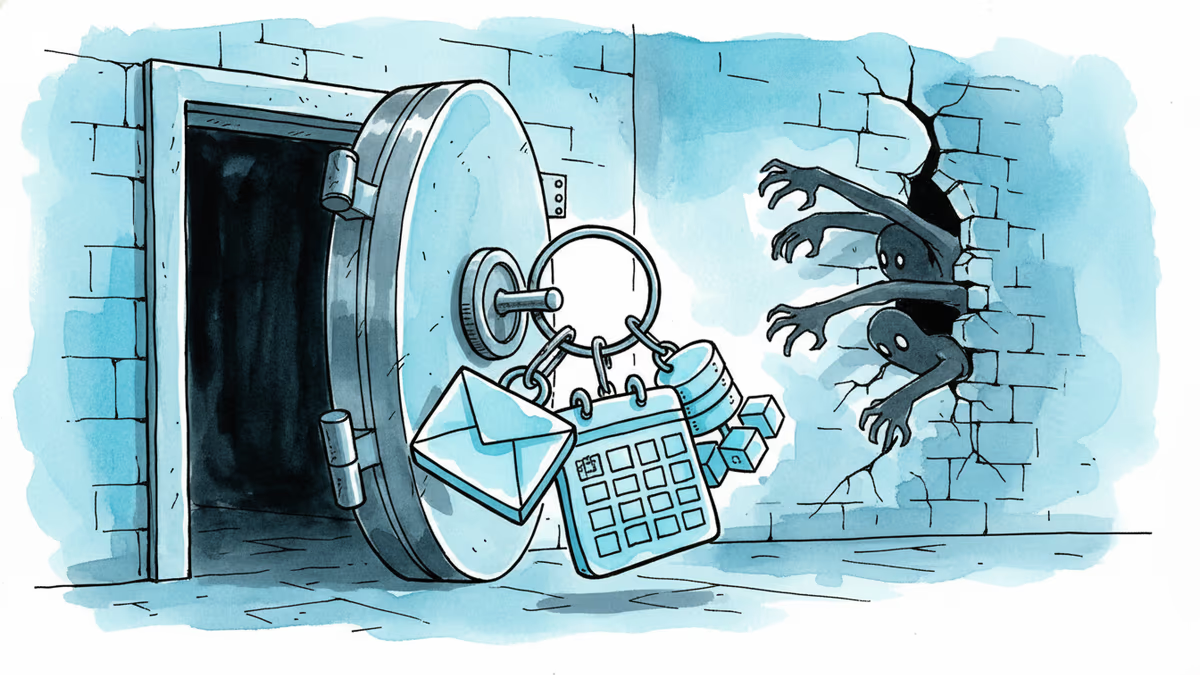
A critical vulnerability in Starlette—downloaded 325 million times per week—puts millions of AI agent servers at risk, exposing stored credentials for email, databases, and third-party services.

GitHub confirmed hackers stole data from 3,800 internal repositories via a poisoned VS Code extension. Here's why developer tools are now the most dangerous attack surface in tech.
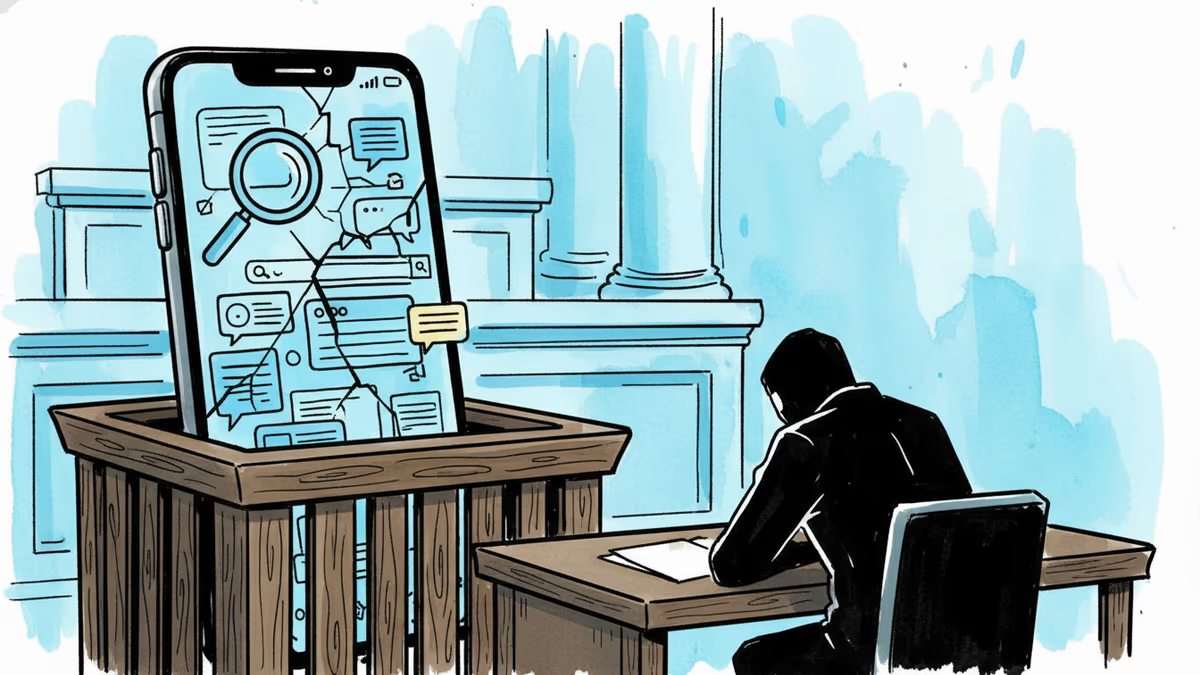
A Utah woman was sentenced to life in prison partly because of her Google searches and deleted texts. The Kouri Richins case reveals how digital footprints have become the courtroom's most reliable witness.
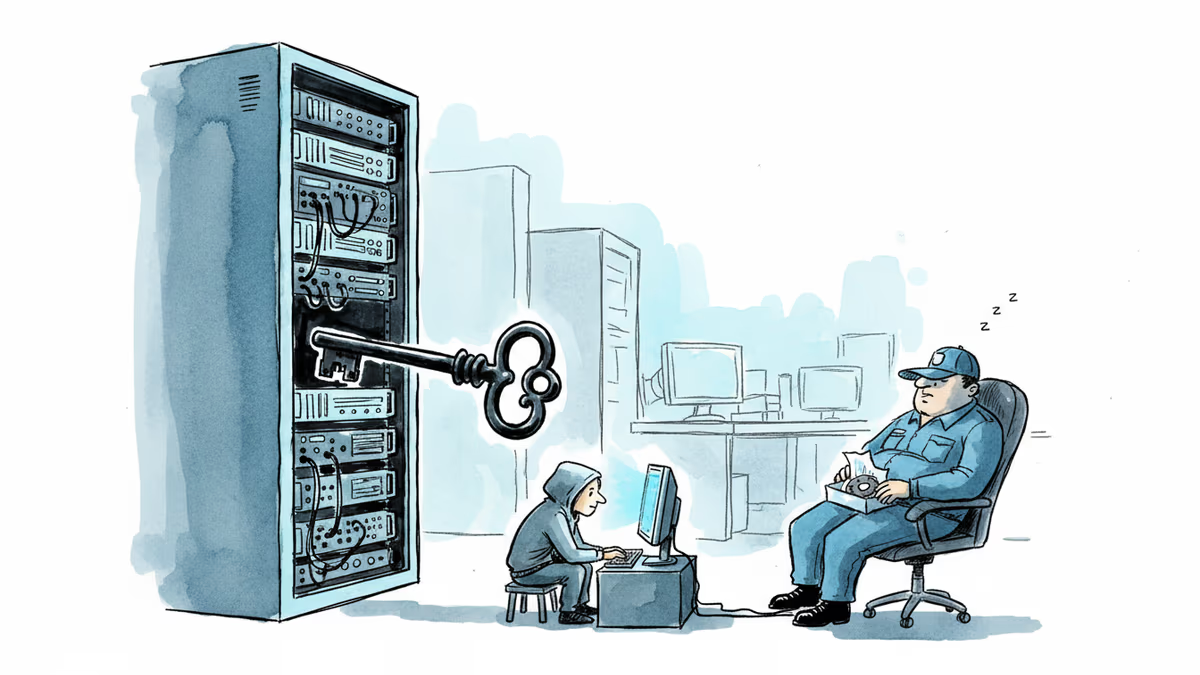
Dirty Frag gives low-privilege users root access on virtually every Linux distro. The exploit code leaked three days ago. Microsoft says attackers are already experimenting with it.
A critical vulnerability in Starlette—downloaded 325 million times per week—puts millions of AI agent servers at risk, exposing stored credentials for email, databases, and third-party services.
GitHub confirmed hackers stole data from 3,800 internal repositories via a poisoned VS Code extension. Here's why developer tools are now the most dangerous attack surface in tech.
A Utah woman was sentenced to life in prison partly because of her Google searches and deleted texts. The Kouri Richins case reveals how digital footprints have become the courtroom's most reliable witness.
Dirty Frag gives low-privilege users root access on virtually every Linux distro. The exploit code leaked three days ago. Microsoft says attackers are already experimenting with it.
Thoughts
Share your thoughts on this article
Sign in to join the conversation