

The SMS Authentication Link Vulnerability: How 175 Services Put You at Risk
New research exposes a major SMS authentication link vulnerability affecting 175 services. Learn how scammers use link enumeration to steal identity and data.
Convenience comes at a heavy price. New research reveals that the text message links you use to log in without a password are an open invitation for scammers to hijack your personal data.
The SMS Authentication Link Vulnerability Crisis
Websites are ditching usernames and passwords for the ease of SMS authentication, but this shortcut is imperiling the privacy of millions. According to a paper published last week, over 175 services—ranging from insurance providers to job boards—are leaving users vulnerable to identity theft.

How Scammers Guess Your Login Link
The flaw lies in 'link enumeration.' The security tokens at the end of login URLs are often predictable. By simply incrementing a number—changing 123 to 124—researchers could bypass security and view private details like partially completed insurance applications. It's a low-effort attack that's incredibly easy to execute at scale.
Authors
Related Articles
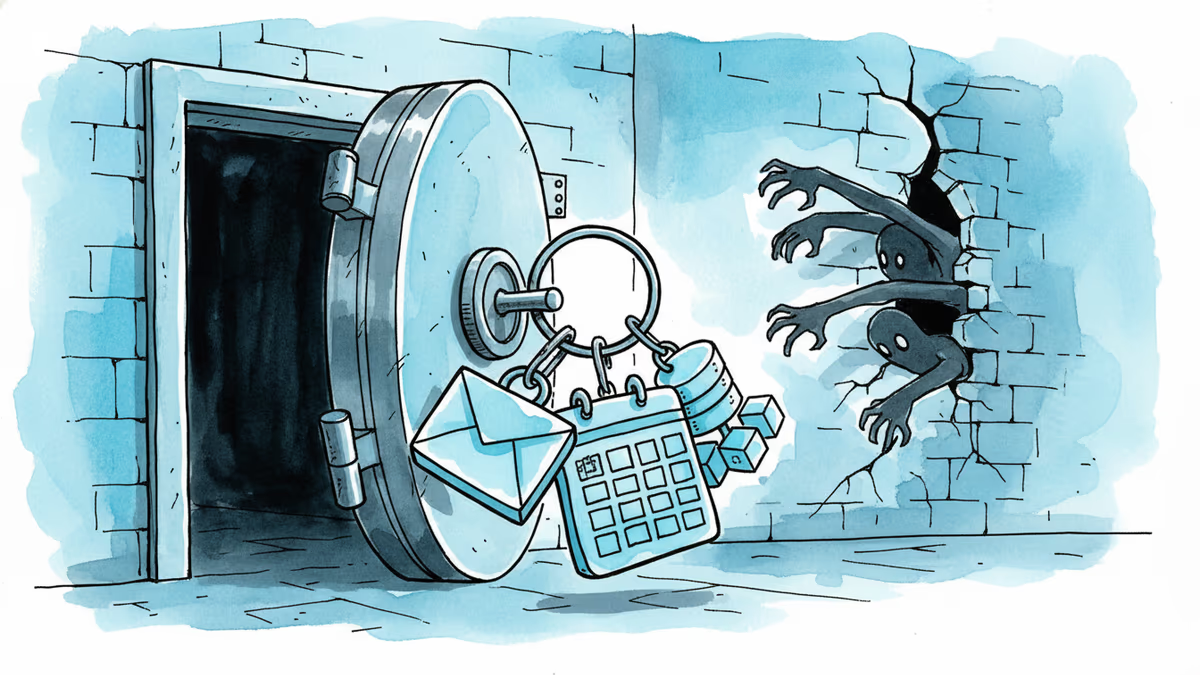
A critical vulnerability in Starlette—downloaded 325 million times per week—puts millions of AI agent servers at risk, exposing stored credentials for email, databases, and third-party services.

GitHub confirmed hackers stole data from 3,800 internal repositories via a poisoned VS Code extension. Here's why developer tools are now the most dangerous attack surface in tech.
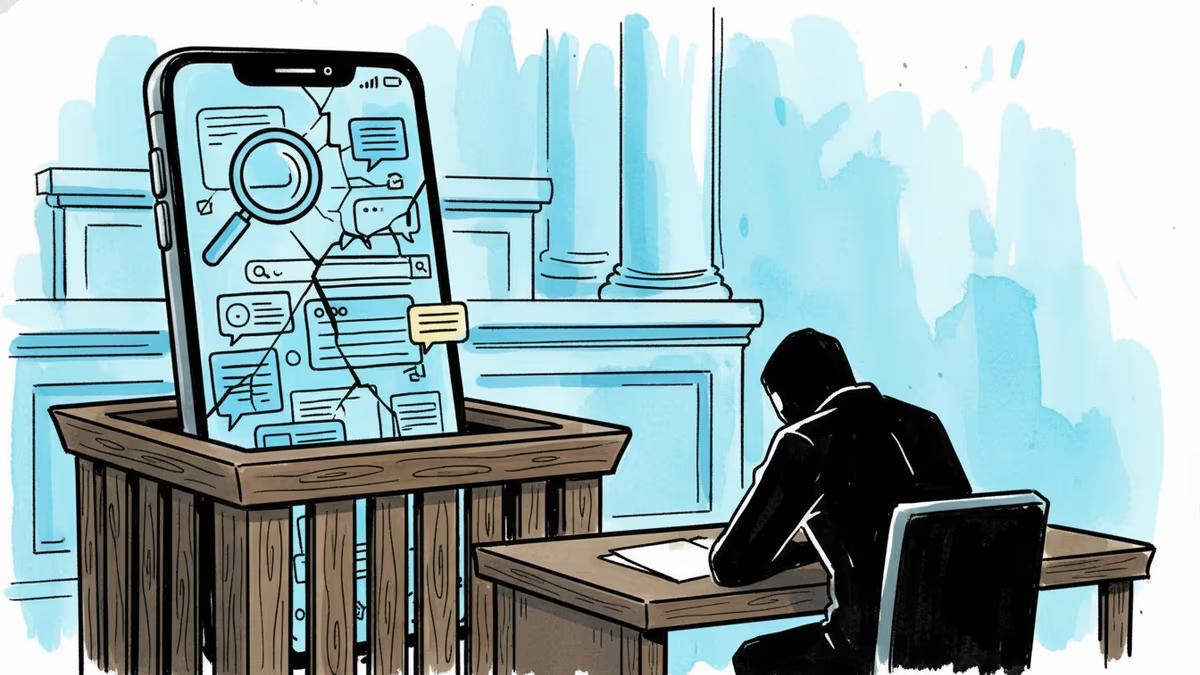
A Utah woman was sentenced to life in prison partly because of her Google searches and deleted texts. The Kouri Richins case reveals how digital footprints have become the courtroom's most reliable witness.
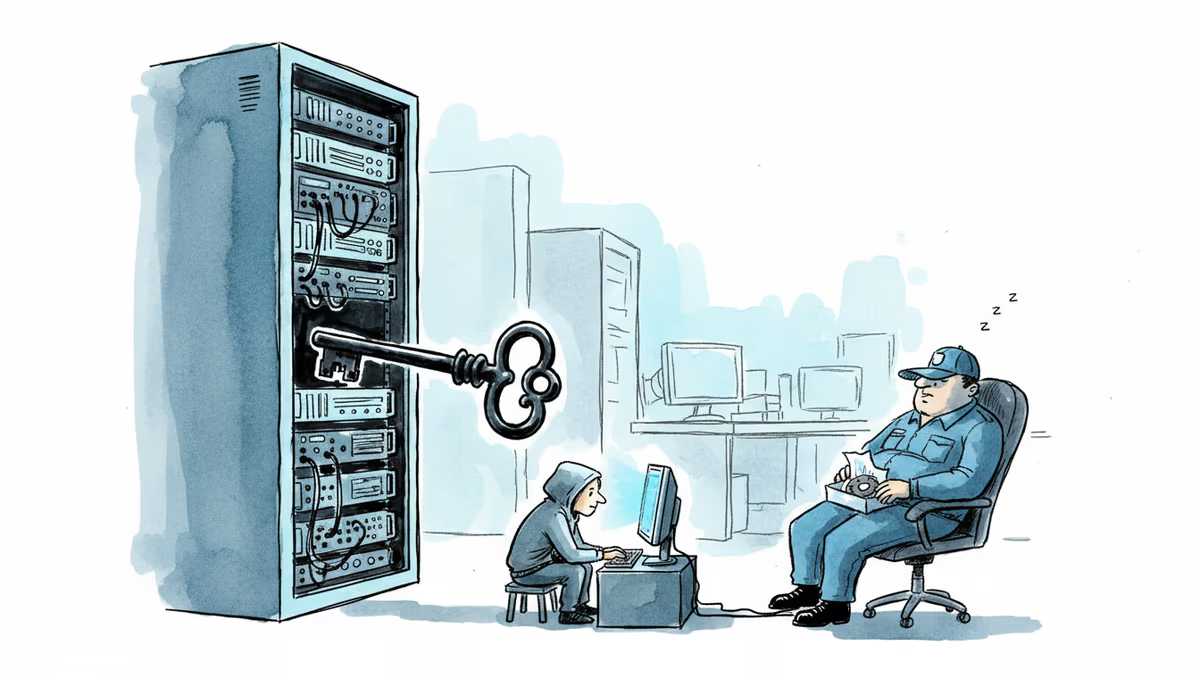
Dirty Frag gives low-privilege users root access on virtually every Linux distro. The exploit code leaked three days ago. Microsoft says attackers are already experimenting with it.
A critical vulnerability in Starlette—downloaded 325 million times per week—puts millions of AI agent servers at risk, exposing stored credentials for email, databases, and third-party services.
GitHub confirmed hackers stole data from 3,800 internal repositories via a poisoned VS Code extension. Here's why developer tools are now the most dangerous attack surface in tech.
A Utah woman was sentenced to life in prison partly because of her Google searches and deleted texts. The Kouri Richins case reveals how digital footprints have become the courtroom's most reliable witness.
Dirty Frag gives low-privilege users root access on virtually every Linux distro. The exploit code leaked three days ago. Microsoft says attackers are already experimenting with it.
Thoughts
Share your thoughts on this article
Sign in to join the conversation