

AI Slop Kills the cURL Bug Bounty Program: A Warning for Open Source
The cURL bug bounty program has been suspended due to a surge in AI-generated 'slop' reports. Read why Daniel Stenberg chose developer mental health over the reward program.
AI is drowning the very people who build the internet. The founder of cURL, one of the world's most essential networking tools, is scrapping its vulnerability reward program after being buried by a massive spike in low-quality, AI-generated reports.
cURL Bug Bounty Program Scrapped Amid AI Slop Influx
Daniel Stenberg, the lead developer behind the open-source app, announced the decision on Thursday, January 22, 2026. He explained that his small team of maintainers can no longer keep up with the volume of bogus security flaws generated by "slop machines." The program, designed to incentivize ethical hackers, has instead become a source of burnout.

It isn't in our power to change how all these people and their slop machines work. We need to make moves to ensure our survival and intact mental health.
The High Cost of Fake Vulnerabilities
While users expressed concern that ending the bounty program treats the symptoms rather than the cause, Stenberg argued that the team had no choice. The influx of AI-generated noise has made it nearly impossible to find genuine security threats amidst the garbage. Critics worry this move could leave cURL more vulnerable in the long run, but the mental toll on a handful of active maintainers has reached a breaking point.
Authors
Related Articles
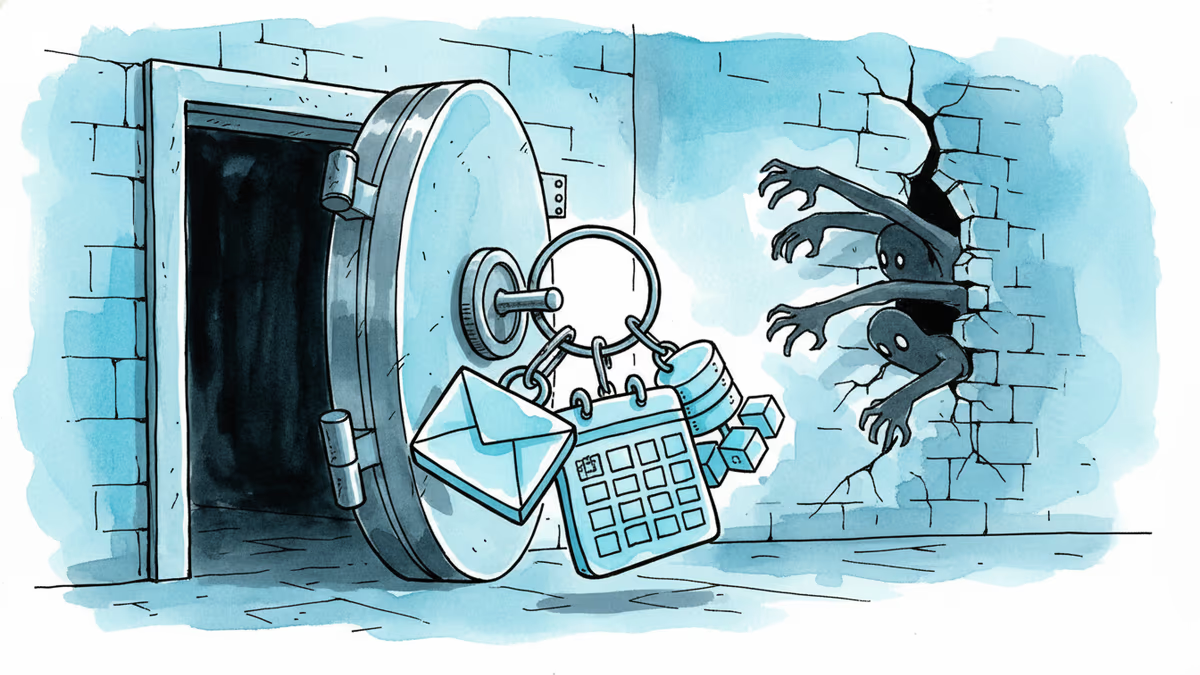
A critical vulnerability in Starlette—downloaded 325 million times per week—puts millions of AI agent servers at risk, exposing stored credentials for email, databases, and third-party services.

GitHub confirmed hackers stole data from 3,800 internal repositories via a poisoned VS Code extension. Here's why developer tools are now the most dangerous attack surface in tech.
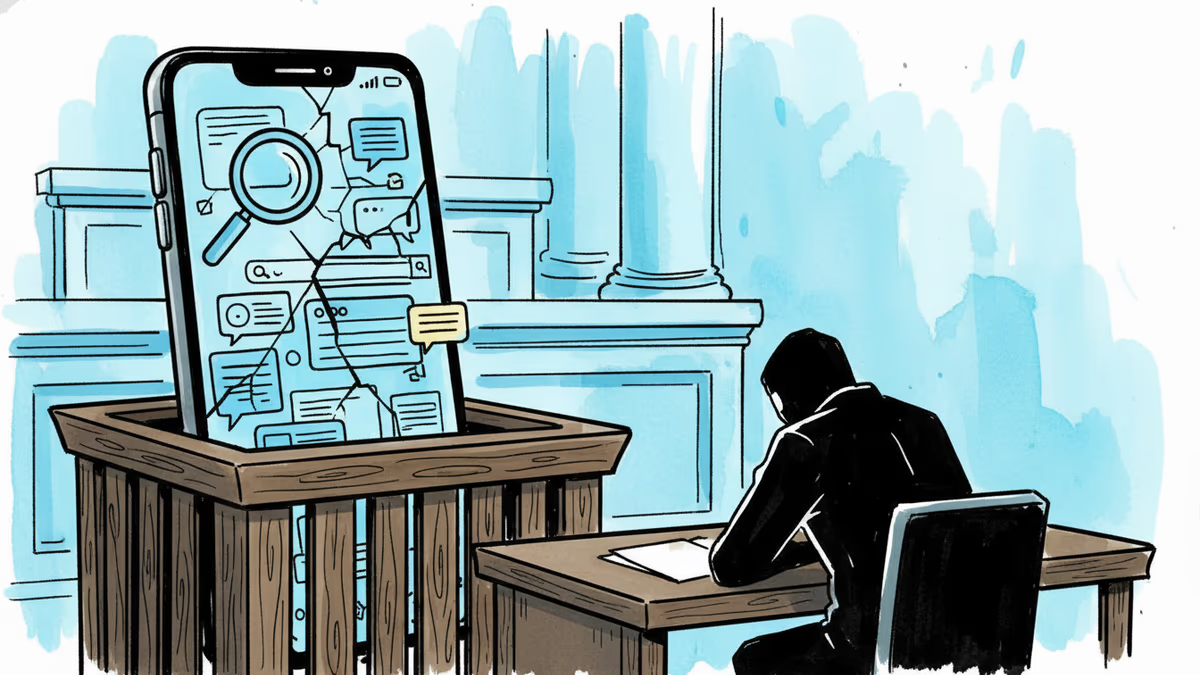
A Utah woman was sentenced to life in prison partly because of her Google searches and deleted texts. The Kouri Richins case reveals how digital footprints have become the courtroom's most reliable witness.
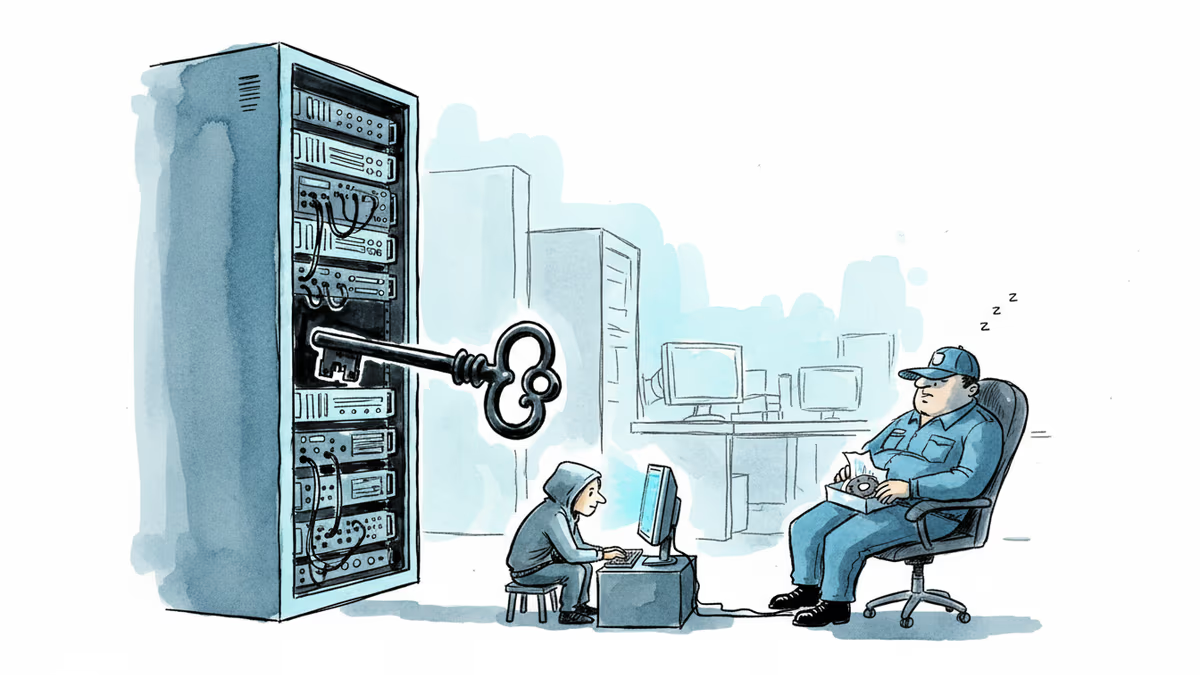
Dirty Frag gives low-privilege users root access on virtually every Linux distro. The exploit code leaked three days ago. Microsoft says attackers are already experimenting with it.
A critical vulnerability in Starlette—downloaded 325 million times per week—puts millions of AI agent servers at risk, exposing stored credentials for email, databases, and third-party services.
GitHub confirmed hackers stole data from 3,800 internal repositories via a poisoned VS Code extension. Here's why developer tools are now the most dangerous attack surface in tech.
A Utah woman was sentenced to life in prison partly because of her Google searches and deleted texts. The Kouri Richins case reveals how digital footprints have become the courtroom's most reliable witness.
Dirty Frag gives low-privilege users root access on virtually every Linux distro. The exploit code leaked three days ago. Microsoft says attackers are already experimenting with it.
Thoughts
Share your thoughts on this article
Sign in to join the conversation