

Ilya Lichtenstein Bitfinex Hack Mastermind Released and Expresses Regret
Ilya Lichtenstein, the mastermind of the 2016 Bitfinex hack, has been released from prison. He took to LinkedIn to apologize for misusing his talents in the multibillion-dollar heist.
A man who once funneled his genius into the world's biggest heist is back in the spotlight—this time for an apology. Ilya Lichtenstein, the mastermind behind the 2016Bitfinex cryptocurrency hack, has been released from prison and is speaking out about his past.
Ilya Lichtenstein Bitfinex Hack: A Decade of Regret
On Thursday, Lichtenstein shared on LinkedIn that he's officially out of prison. He reflected on a turning point 10 years ago when his startup was struggling financially. Instead of pushing through, he chose to hack the largest exchange in the world, a move he now describes as a "terrible idea."

Misused Talents and the Path to Redemption
It upended my life, the lives of people close to me, and affected thousands of users. I know I disappointed a lot of people who believed in me and grossly misused my talents.
The heist involved billions of dollars in Bitcoin, and his eventual arrest and conviction marked a significant victory for federal investigators. Now, as a free man, Lichtenstein's public admission of guilt is drawing attention from cybersecurity experts and those he once wronged.
Authors
Related Articles
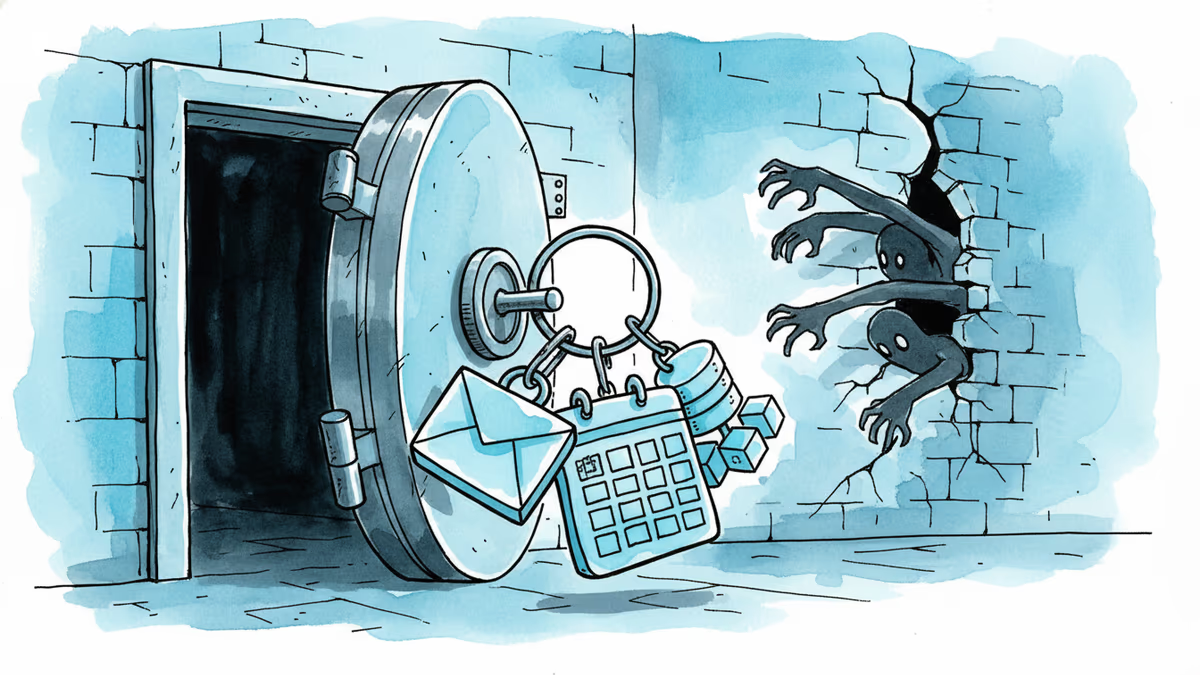
A critical vulnerability in Starlette—downloaded 325 million times per week—puts millions of AI agent servers at risk, exposing stored credentials for email, databases, and third-party services.

GitHub confirmed hackers stole data from 3,800 internal repositories via a poisoned VS Code extension. Here's why developer tools are now the most dangerous attack surface in tech.
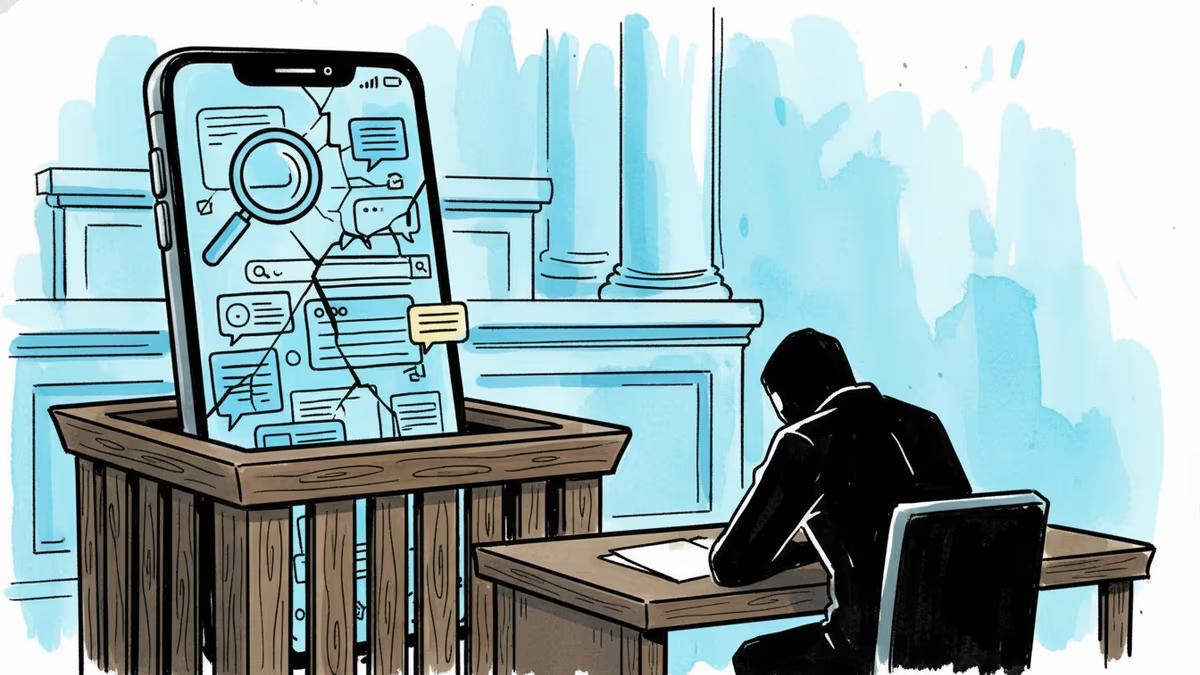
A Utah woman was sentenced to life in prison partly because of her Google searches and deleted texts. The Kouri Richins case reveals how digital footprints have become the courtroom's most reliable witness.
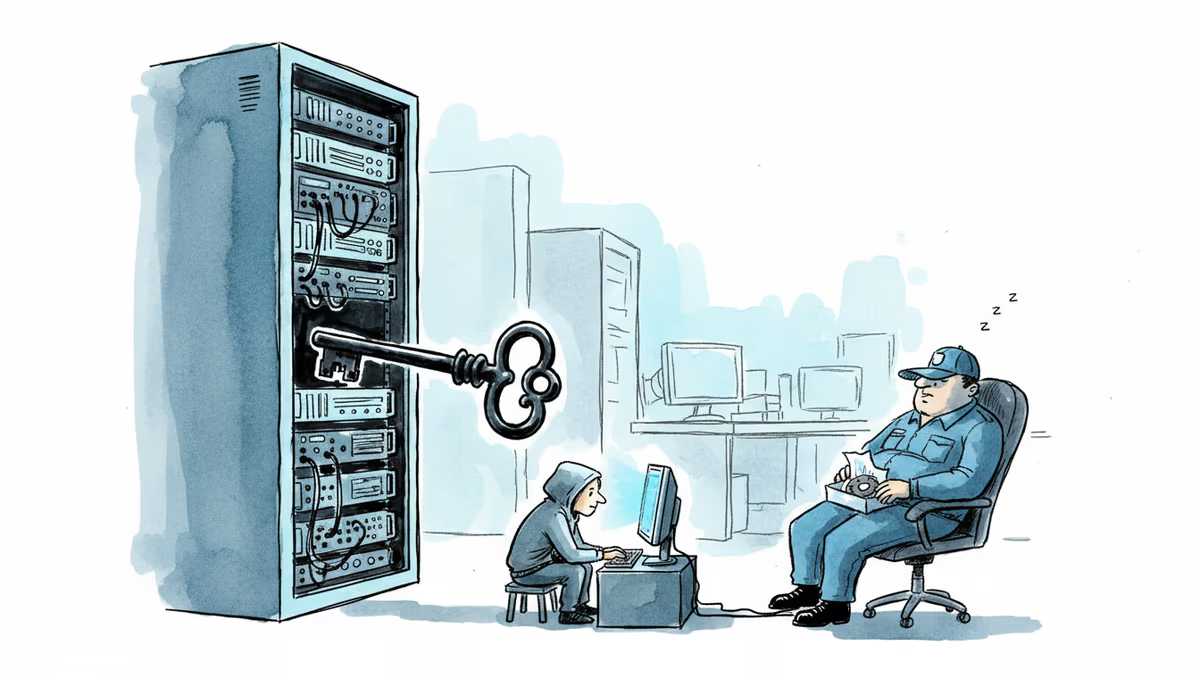
Dirty Frag gives low-privilege users root access on virtually every Linux distro. The exploit code leaked three days ago. Microsoft says attackers are already experimenting with it.
A critical vulnerability in Starlette—downloaded 325 million times per week—puts millions of AI agent servers at risk, exposing stored credentials for email, databases, and third-party services.
GitHub confirmed hackers stole data from 3,800 internal repositories via a poisoned VS Code extension. Here's why developer tools are now the most dangerous attack surface in tech.
A Utah woman was sentenced to life in prison partly because of her Google searches and deleted texts. The Kouri Richins case reveals how digital footprints have become the courtroom's most reliable witness.
Dirty Frag gives low-privilege users root access on virtually every Linux distro. The exploit code leaked three days ago. Microsoft says attackers are already experimenting with it.
Thoughts
Share your thoughts on this article
Sign in to join the conversation