
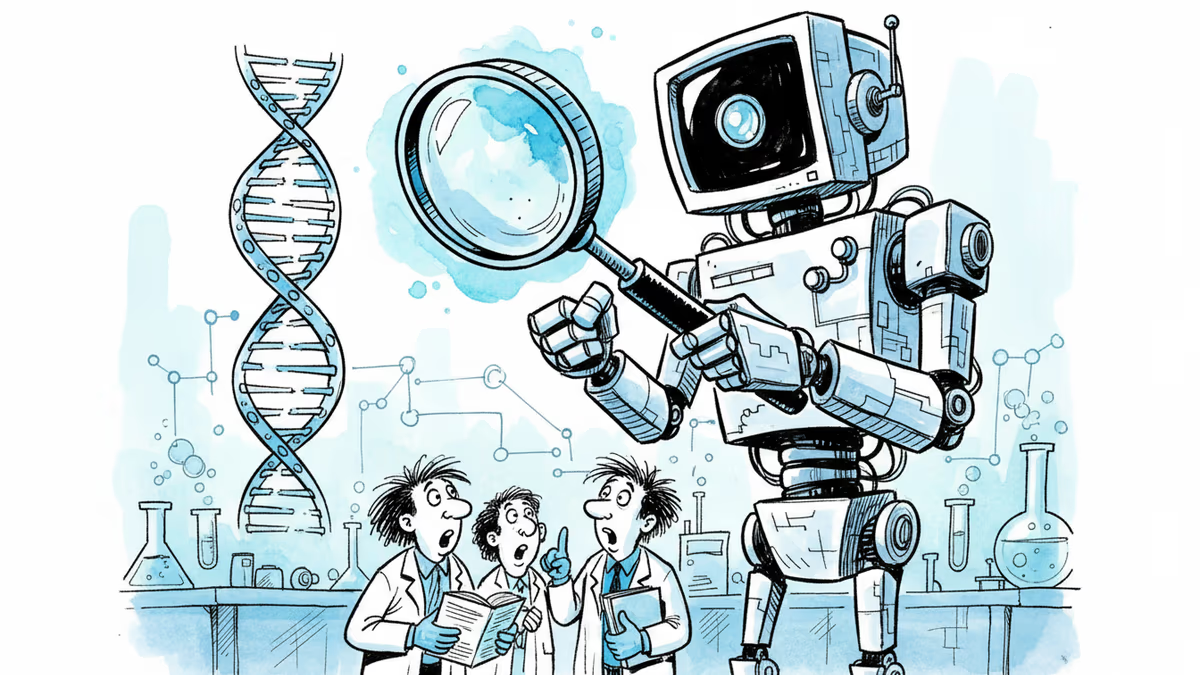
AI Just Learned to Read Human DNA
Evo 2 AI can now decode genomes from all life forms, including humans. We explore what this breakthrough means for medicine and biotechnology.
An AI trained on trillions of DNA base pairs has just cracked the code that stumped researchers for decades: reading complex human genomes. What was deemed "impossible" less than a year ago is now open-source reality.
From Bacterial Specialist to Universal Decoder
Late 2025 saw the debut of Evo, an AI that could only decode bacterial genomes. The scientific consensus was clear: "This approach won't work with more complex genomes." Bacteria cluster related genes together—humans don't. Our genetic architecture is messy, scattered, and notoriously difficult to interpret.
The team behind Evo apparently took that as a dare. Today's Evo 2 has been trained on genomes from all three domains of life: bacteria, archaea, and eukaryotes. The result? An AI that can spot regulatory DNA sequences and splice sites that even seasoned geneticists struggle to identify.
What This Actually Means for You

This isn't just about reading genetic code—it's about prediction and creation. Evo 2 can look at a cluster of related genes and suggest what comes next, or propose entirely novel proteins. For drug development, that's potentially revolutionary. Instead of years of trial-and-error protein design, researchers might soon have AI-generated candidates ready for testing.
Biotech investors are paying attention. Companies like Moderna and Ginkgo Bioworks have already pivoted toward AI-driven approaches. With Evo 2 being open-source, smaller players now have access to tools that were previously exclusive to well-funded labs.
The Skeptics Have Valid Points
Not everyone's celebrating. Geneticists worry about AI "hallucinations"—when the system confidently proposes proteins that don't actually work or, worse, could be harmful. There's also the black-box problem: Evo 2 can identify genetic patterns, but it can't always explain why they matter.
Regulators face a dilemma too. How do you approve therapies based on AI-designed proteins when the AI itself can't fully explain its reasoning? The FDA's current framework wasn't built for this scenario.
Authors
Related Articles
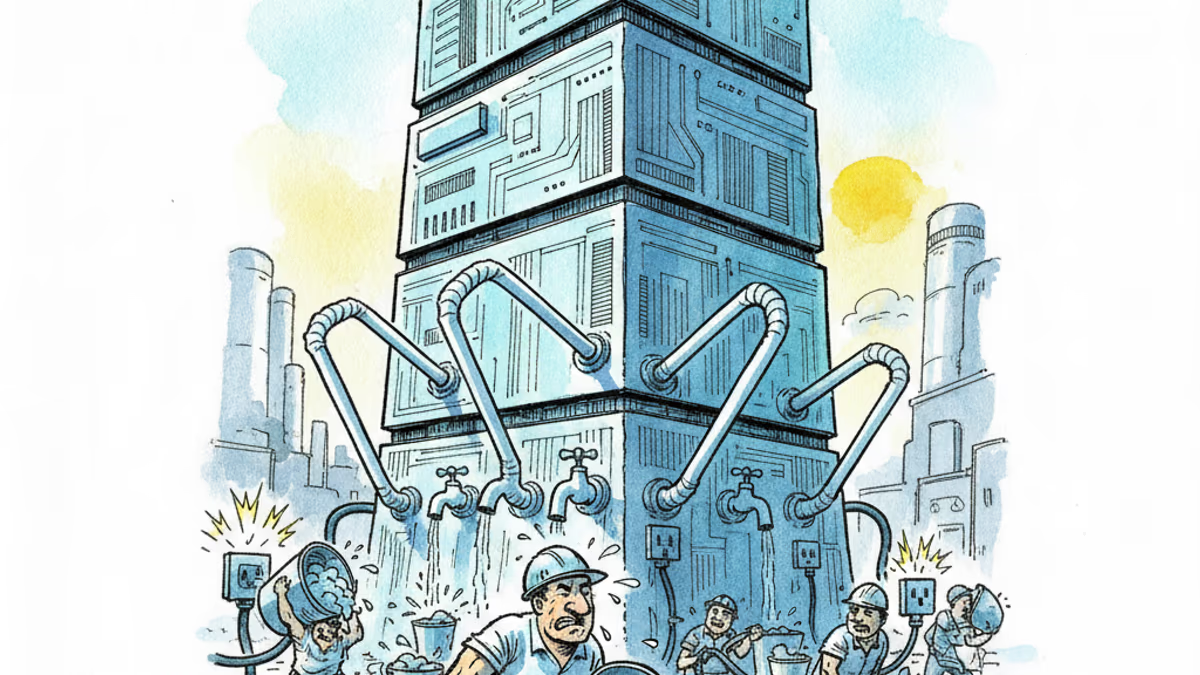
Samsung and SK unveiled a chip and AI investment package worth thousands of trillions of won on June 29. The headline number swings wildly by outlet, but the real contest isn't capital — it's water and power.
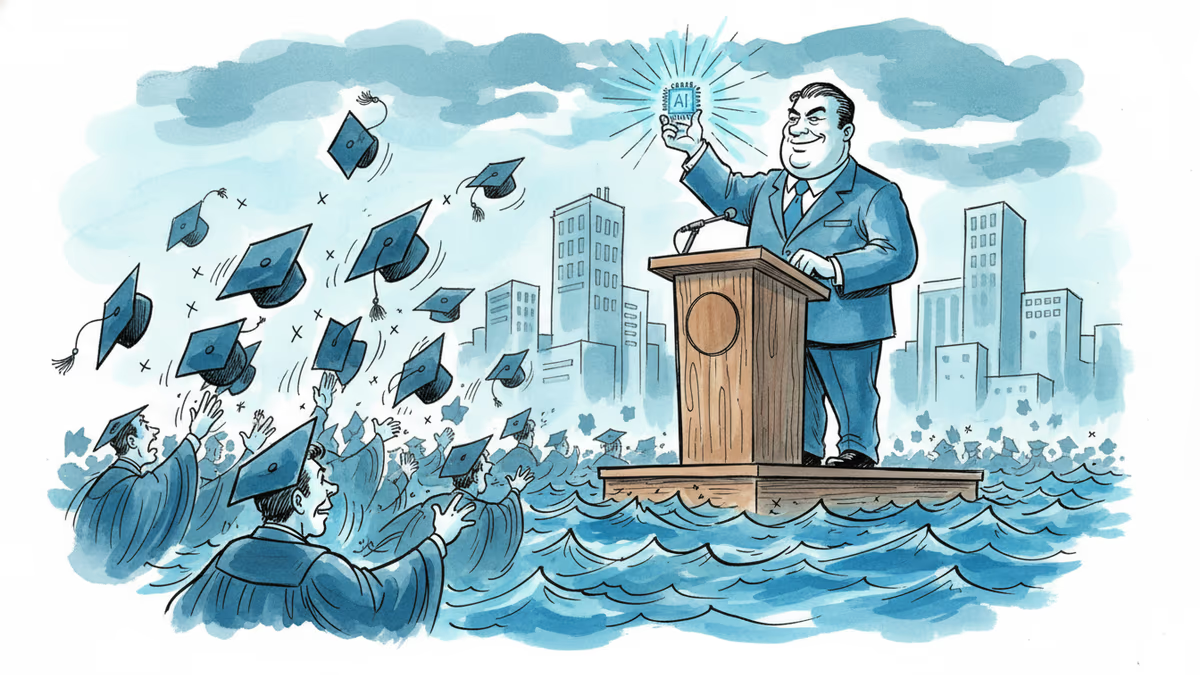
Viral videos show 2026 graduates jeering executives who praise AI at commencement ceremonies. It's not just rudeness — it's a signal about who pays for technological optimism.
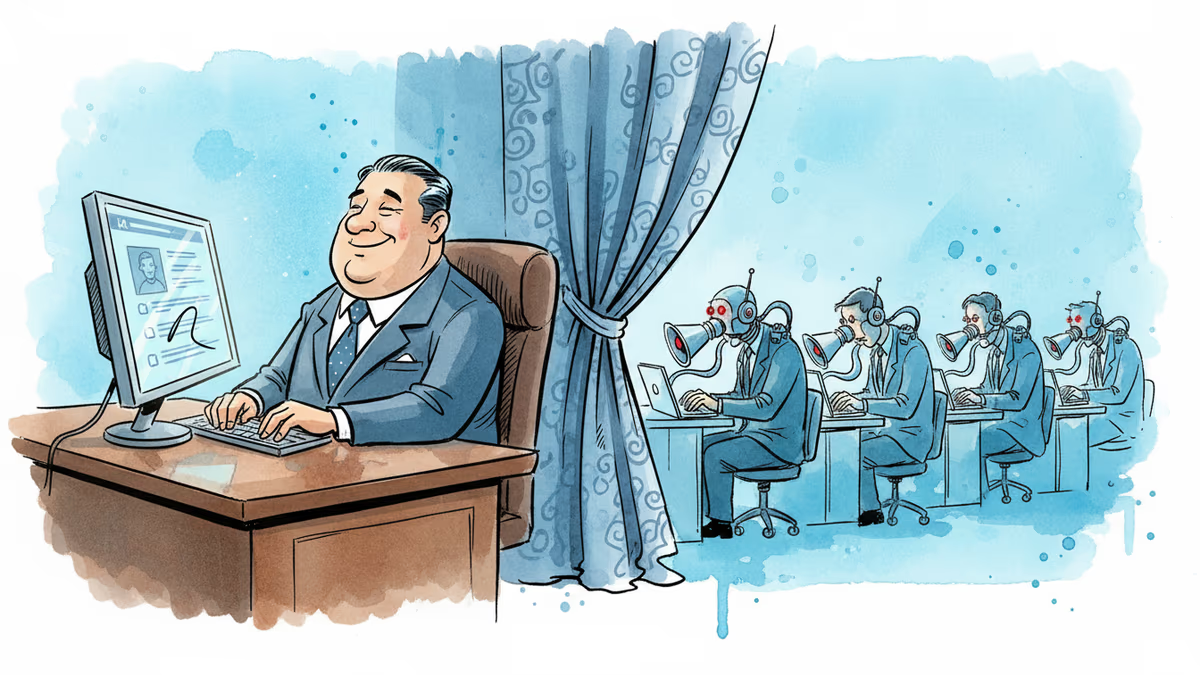
Filipino virtual assistants using AI to ghost-manage LinkedIn profiles for executives is now a structured industry. 30 comments a day, fake engagement rings, and a platform struggling to tell real from fabricated.
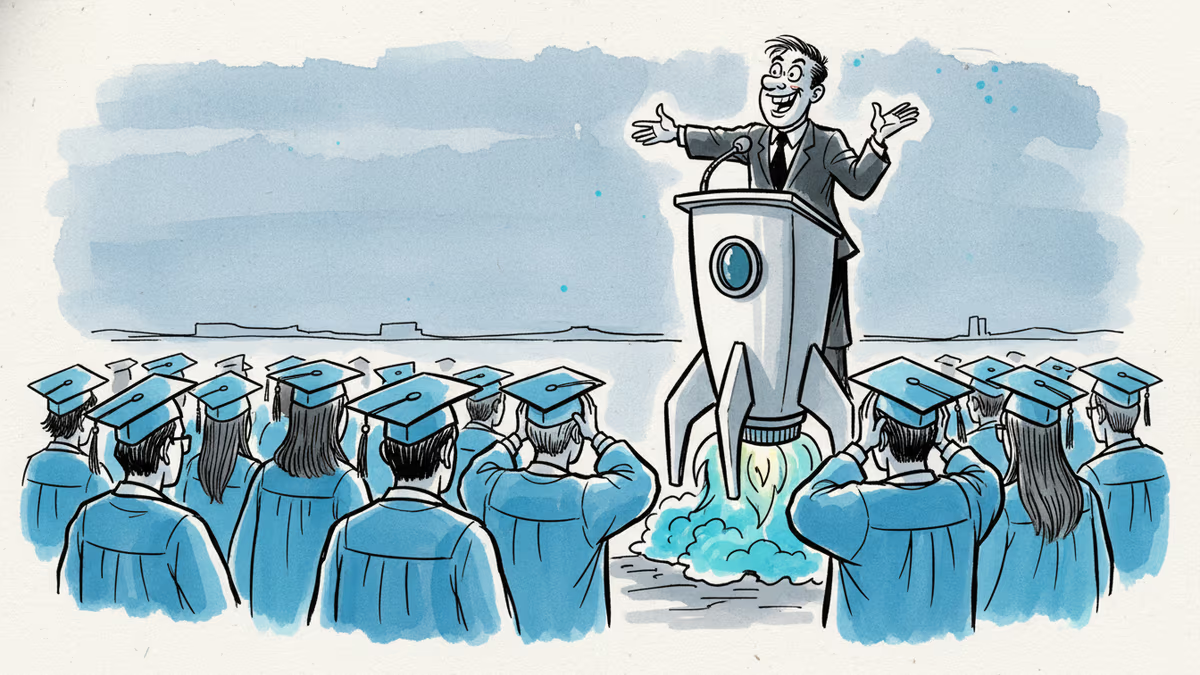
Two commencement speakers learned the hard way that AI enthusiasm doesn't land well with today's graduates. The backlash reveals a widening gap between tech optimism and Gen Z's economic reality.
Samsung and SK unveiled a chip and AI investment package worth thousands of trillions of won on June 29. The headline number swings wildly by outlet, but the real contest isn't capital — it's water and power.
Viral videos show 2026 graduates jeering executives who praise AI at commencement ceremonies. It's not just rudeness — it's a signal about who pays for technological optimism.
Filipino virtual assistants using AI to ghost-manage LinkedIn profiles for executives is now a structured industry. 30 comments a day, fake engagement rings, and a platform struggling to tell real from fabricated.
Two commencement speakers learned the hard way that AI enthusiasm doesn't land well with today's graduates. The backlash reveals a widening gap between tech optimism and Gen Z's economic reality.
Thoughts
Share your thoughts on this article
Sign in to join the conversation