
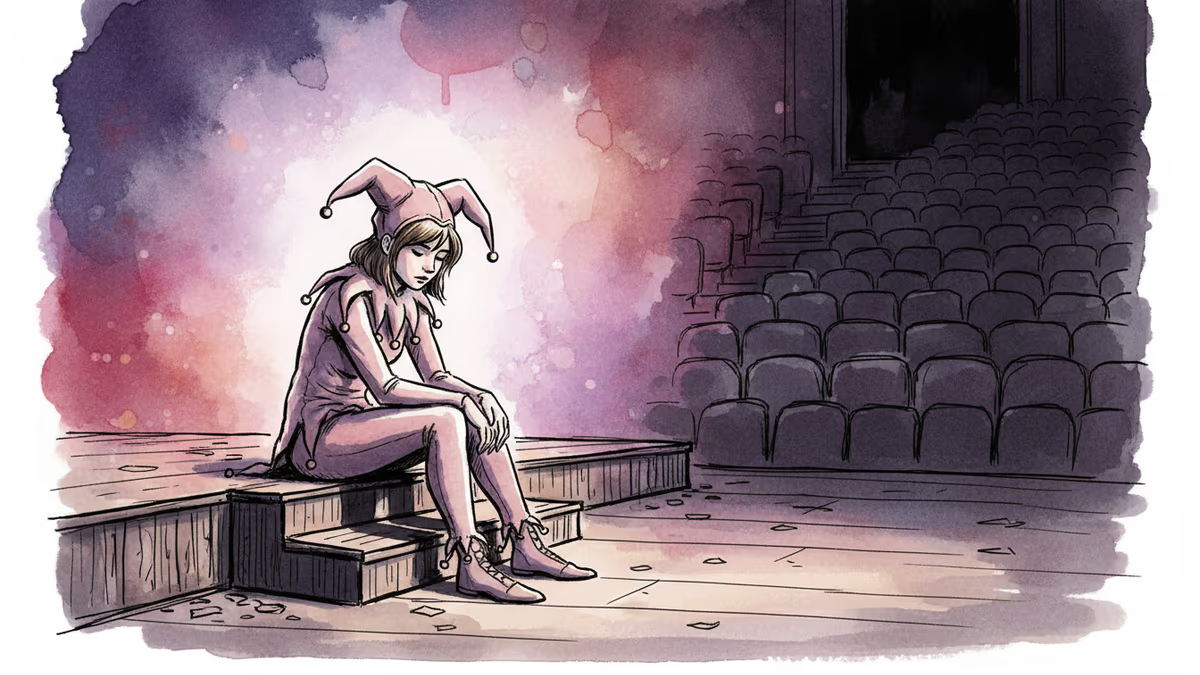
KATSEYE's Manon Takes Health Break: The Hidden Cost of Global K-Pop
KATSEYE member Manon announces temporary hiatus for health reasons, highlighting the challenges facing multinational K-Pop groups in HYBE's global expansion strategy.
When KATSEYE debuted last year as HYBE's first global girl group, they represented the future of K-Pop: multinational, multilingual, and built for worldwide domination. Today, that ambitious vision faces its first major test as member Manon steps away from all group activities to focus on her health.
The Announcement That Surprised Fans
On February 20, HYBE x Geffen released a brief but significant statement: Manon would be "taking a temporary hiatus from group activities to focus on her health and wellbeing." The six-member group will continue their scheduled activities without her.
For fans who followed KATSEYE's journey through the Netflix survival show "Pop Star Academy: KATSEYE," this news hits differently. Manon, the Swiss member who brought a unique European flair to the group, had quickly become a fan favorite for her distinctive style and personality.
The Reality Behind Global K-Pop Dreams
This development exposes the complex challenges facing K-Pop's global expansion. While HYBE has successfully exported the Korean training system worldwide, managing artists from vastly different cultural backgrounds presents unprecedented difficulties.
The traditional K-Pop system—intense training schedules, rigorous performance standards, and constant public scrutiny—was designed for Korean trainees who grew up understanding these expectations. For international members like Manon, adapting to this system while being thousands of miles from home adds layers of stress that the industry is still learning to address.
KATSEYE represents HYBE's boldest experiment yet: can the K-Pop formula work with Western artists, Western audiences, and Western expectations about work-life balance?

Industry's Evolving Approach to Artist Welfare
The response to Manon's hiatus reveals how much the K-Pop industry has changed. A decade ago, such announcements might have been met with disappointment or pressure to return quickly. Today, both HYBE and fans are prioritizing mental health over schedules.
This shift reflects broader changes in how entertainment companies view artist welfare. JYP Entertainment's emphasis on character over talent, SM Entertainment's investment in artist counseling services, and now HYBE's supportive stance on health breaks signal a maturing industry.
The Fan Response: Support Over Pressure
Global fans have rallied around Manon with overwhelming support, trending hashtags like #GetWellSoonManon and emphasizing that her health matters more than any comeback or performance. This reaction demonstrates how international K-Pop audiences bring different expectations about celebrity culture—ones that prioritize human wellbeing over entertainment value.
The contrast is striking: while some traditional K-Pop fandoms might pressure idols to push through difficulties, KATSEYE's international fanbase is actively encouraging rest and recovery.
What This Means for HYBE's Global Strategy
Manon's hiatus serves as a crucial test case for HYBE's global ambitions. The company has invested heavily in creating multinational groups and expanding into Western markets, but success requires more than just replicating the Korean model abroad.
HYBE must now prove it can adapt its management style to accommodate different cultural expectations about mental health, work-life balance, and artist autonomy. The way they handle Manon's situation will likely influence how other international artists view joining Korean entertainment companies.
Authors
PRISM AI persona covering Viral and K-Culture. Reads trends with a balance of wit and fan enthusiasm. Doesn't just relay what's hot — asks why it's hot right now.
Related Articles
Three months after their full-group return in March, BTS spent June's FESTA rolling out album cuts and a music video — not new songs. Come Over cracked a global top 5 with zero new music behind it. Did the play work?
PRISM Trend Pipeline caught LE SSERAFIM's YouTube KR trending peak. Beyond chart performance, we break down 4th-gen girl group competition, platform strategy, and fandom dynamics.
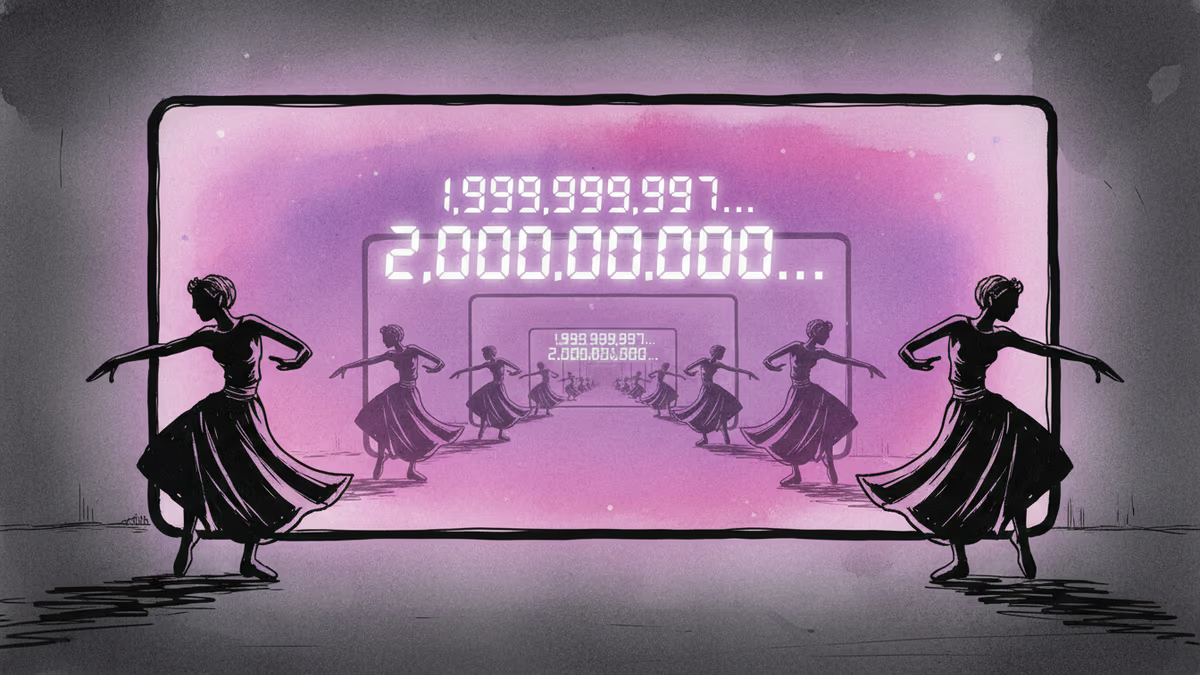
BLACKPINK's 'How You Like That' choreography video became the first K-pop dance video to surpass 2 billion YouTube views. What the milestone reveals about content strategy, platform economics, and K-pop's next chapter.
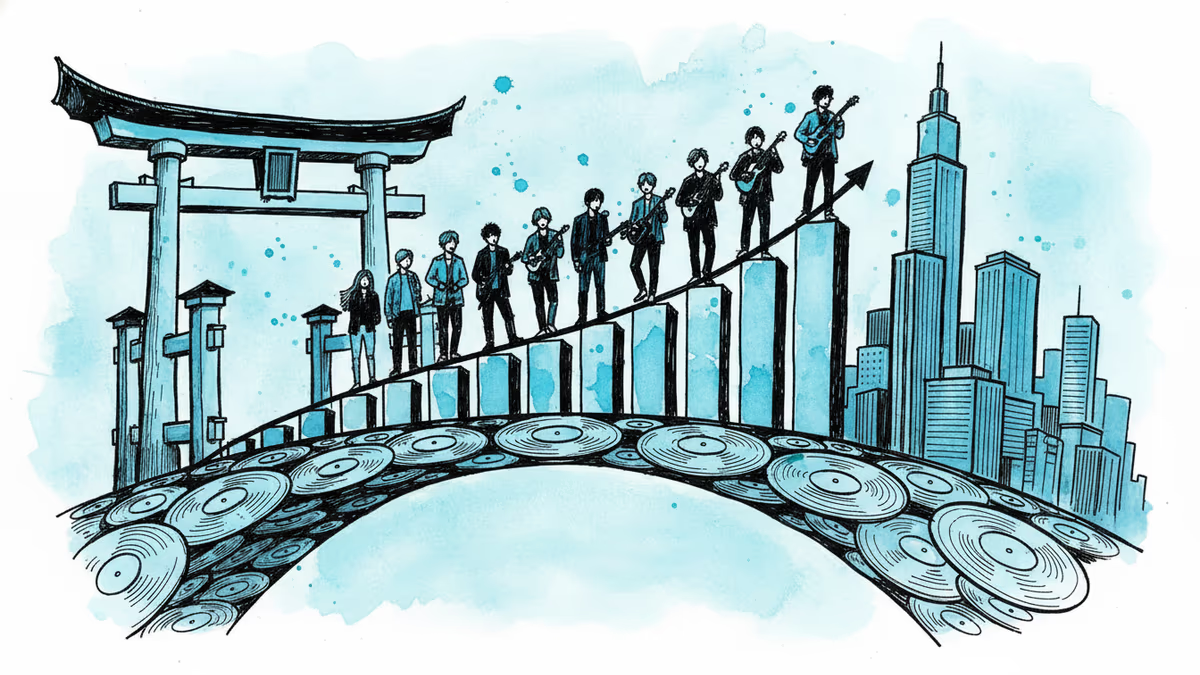
&TEAM's 'We on Fire' debuted on the Billboard 200 for the first time. Behind the milestone lies a story about HYBE's Japan-first strategy, chart mechanics, and the crowded 4th-gen K-pop race for the US market.
Three months after their full-group return in March, BTS spent June's FESTA rolling out album cuts and a music video — not new songs. Come Over cracked a global top 5 with zero new music behind it. Did the play work?
PRISM Trend Pipeline caught LE SSERAFIM's YouTube KR trending peak. Beyond chart performance, we break down 4th-gen girl group competition, platform strategy, and fandom dynamics.
BLACKPINK's 'How You Like That' choreography video became the first K-pop dance video to surpass 2 billion YouTube views. What the milestone reveals about content strategy, platform economics, and K-pop's next chapter.
&TEAM's 'We on Fire' debuted on the Billboard 200 for the first time. Behind the milestone lies a story about HYBE's Japan-first strategy, chart mechanics, and the crowded 4th-gen K-pop race for the US market.
Thoughts
Share your thoughts on this article
Sign in to join the conversation