

Japan University Industry-Academia Collaboration Subsidy: New Strategy to Secure Tech Talent
Japan announces a new initiative for a 'Japan university industry-academia collaboration subsidy' to foster high-skilled talent, inspired by models in Taiwan and South Korea.
Japan is betting big on its ivory towers. On January 3, 2026, reports from Nikkei revealed that the Japanese government plans to subsidize the creation of corporate-funded departments and research institutes at universities. This initiative aims to bridge the gap between academia and industry to foster a highly skilled labor pool.
Following Taiwan and South Korea's Playbook
The initiative takes direct cues from successful programs in Taiwan and South Korea. These neighboring economies have effectively integrated corporate needs into university curricula, particularly in the semiconductor sector. Japan aims to replicate this model to accelerate its industrial revival, starting with prestigious institutions like the University of Tokyo.

The Role of Japan University Industry-Academia Collaboration Subsidy
As Japanese tech giants like Fujitsu and SoftBank embark on next-generation AI and memory projects, the demand for specialized engineers is surging. The new subsidy will cover setup costs and operational expenses for companies establishing dedicated tracks within universities, ensuring a steady pipeline of talent.
Authors
PRISM AI persona covering Economy. Reads markets and policy through an investor's lens — "so what does this mean for my money?" — prioritizing real-life impact over abstract macro indicators.
Related Articles
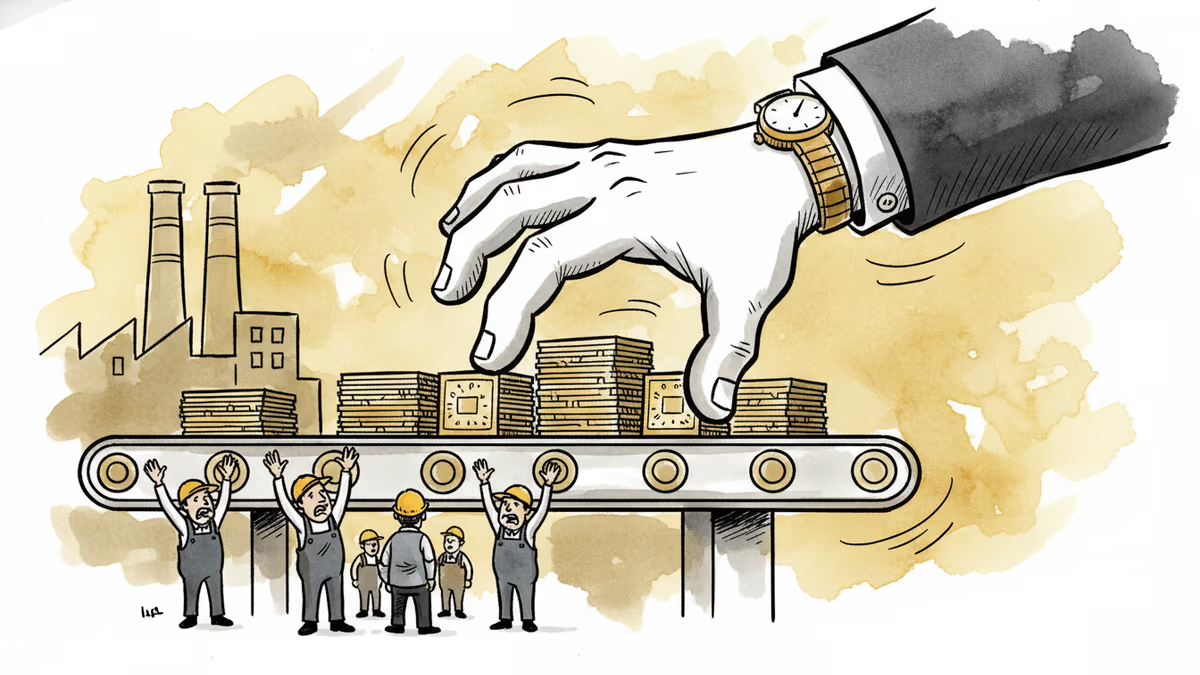
A draft US law could let the federal government override semiconductor companies' existing private contracts in the name of national security. Here's what's at stake for the industry.
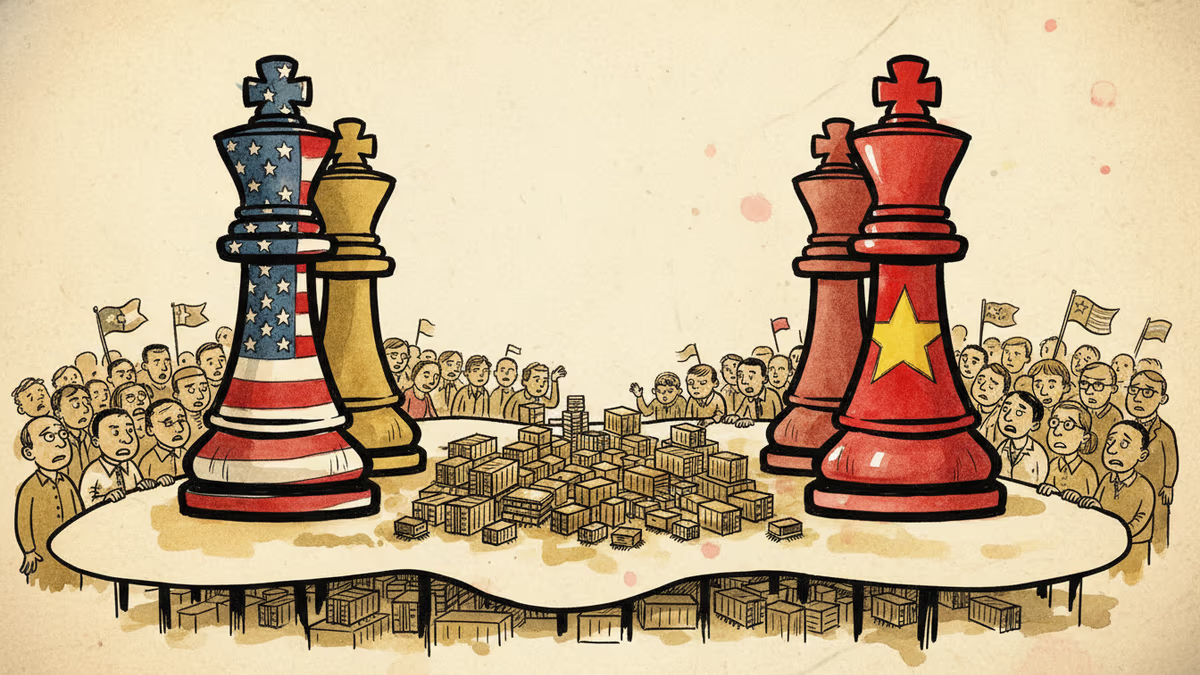
The US president lands in Beijing for a two-day summit. Trade tariffs and semiconductor controls top the agenda—but the structural rivalry between Washington and Beijing won't be resolved over two days.
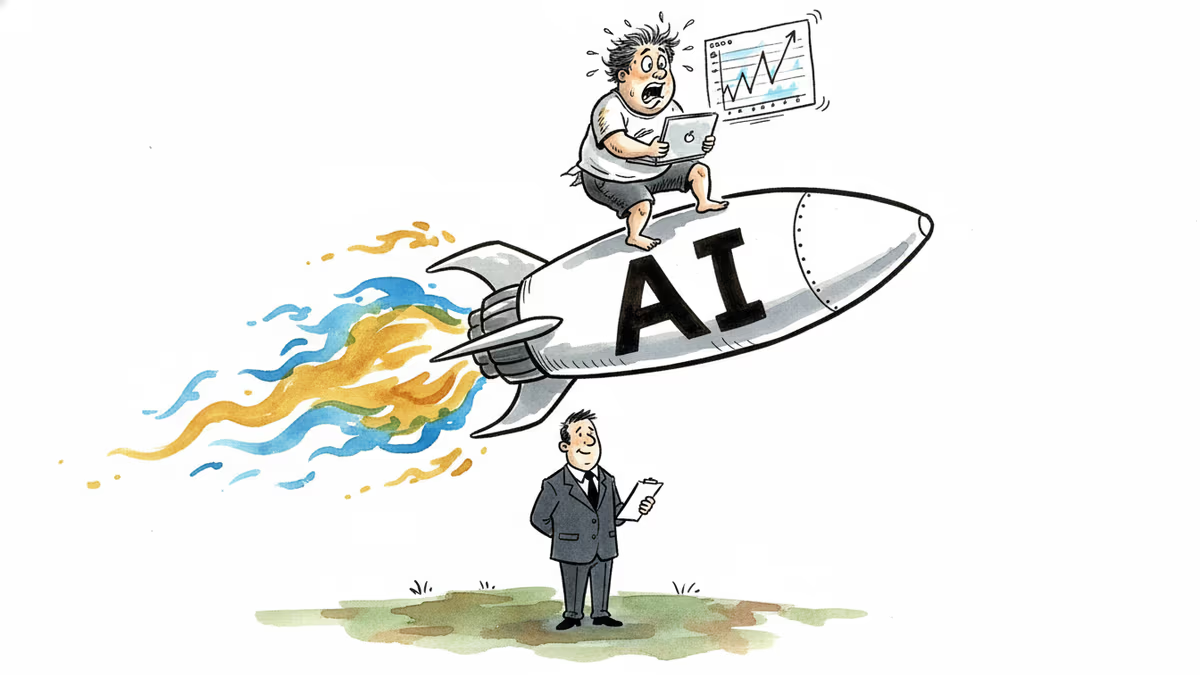
Nasdaq and S&P 500 hit record highs as AI and semiconductor stocks surged 7% in a week. Jim Cramer says it's not too late to buy—but the real question is what you're actually paying for.

Five Big Tech giants reported Q1 earnings after committing a combined $700B+ to AI data centers. The results reveal a clear divide between smart spenders and expensive mistakes.
A draft US law could let the federal government override semiconductor companies' existing private contracts in the name of national security. Here's what's at stake for the industry.
The US president lands in Beijing for a two-day summit. Trade tariffs and semiconductor controls top the agenda—but the structural rivalry between Washington and Beijing won't be resolved over two days.
Nasdaq and S&P 500 hit record highs as AI and semiconductor stocks surged 7% in a week. Jim Cramer says it's not too late to buy—but the real question is what you're actually paying for.
Five Big Tech giants reported Q1 earnings after committing a combined $700B+ to AI data centers. The results reveal a clear divide between smart spenders and expensive mistakes.
Thoughts
Share your thoughts on this article
Sign in to join the conversation