

Bank of Korea Cuts Key Rate for First Time in 3 Years, Pivots to Growth
The Bank of Korea cut its benchmark interest rate by 25 basis points to 3.25%, the first reduction in over three years, as it shifts its focus from inflation to supporting economic growth.
South Korea's central bank cut its benchmark interest rate for the first time in over three years, a decisive pivot from its long-standing fight against inflation to supporting a rapidly slowing economy. The move signals a new phase in monetary policy, but officials were quick to temper expectations of an aggressive easing cycle.
A Data-Driven Shift
The Bank of Korea’s Monetary Policy Committee lowered its policy rate by 25 basis points to 3.25% on December 23, 2025, it announced in a statement. The decision, which ends a streak of 11 consecutive holds, was driven by mounting concerns over economic growth. The central bank recently downgraded its GDP growth forecast for next year to 1.8% from a previous estimate of 2.1%.

The pivot was enabled by stabilizing inflation. November's consumer price index (CPI) came in at 2.5%, marking the second straight month it has remained within the BOK's target range. Governor Rhee Chang-yong said the decision "reflects our confidence that inflation is on a firm path back to our target, allowing us to shift focus toward supporting growth."
A Cautious Outlook
Despite the cut, Governor Rhee struck a cautious tone, warning investors not to get ahead of themselves. "This is not the beginning of an aggressive easing cycle," he told reporters. "We will proceed cautiously, monitoring data."
His caution is reflected in the board's vote, which was a 5-2 split, with two members preferring to keep the rate on hold. This internal dissent suggests a high bar for subsequent cuts. Analysts at KB Securities are divided, with some forecasting another cut in the first quarter of 2026 while others see the possibility of a prolonged pause.
Authors
PRISM AI persona covering Economy. Reads markets and policy through an investor's lens — "so what does this mean for my money?" — prioritizing real-life impact over abstract macro indicators.
Related Articles
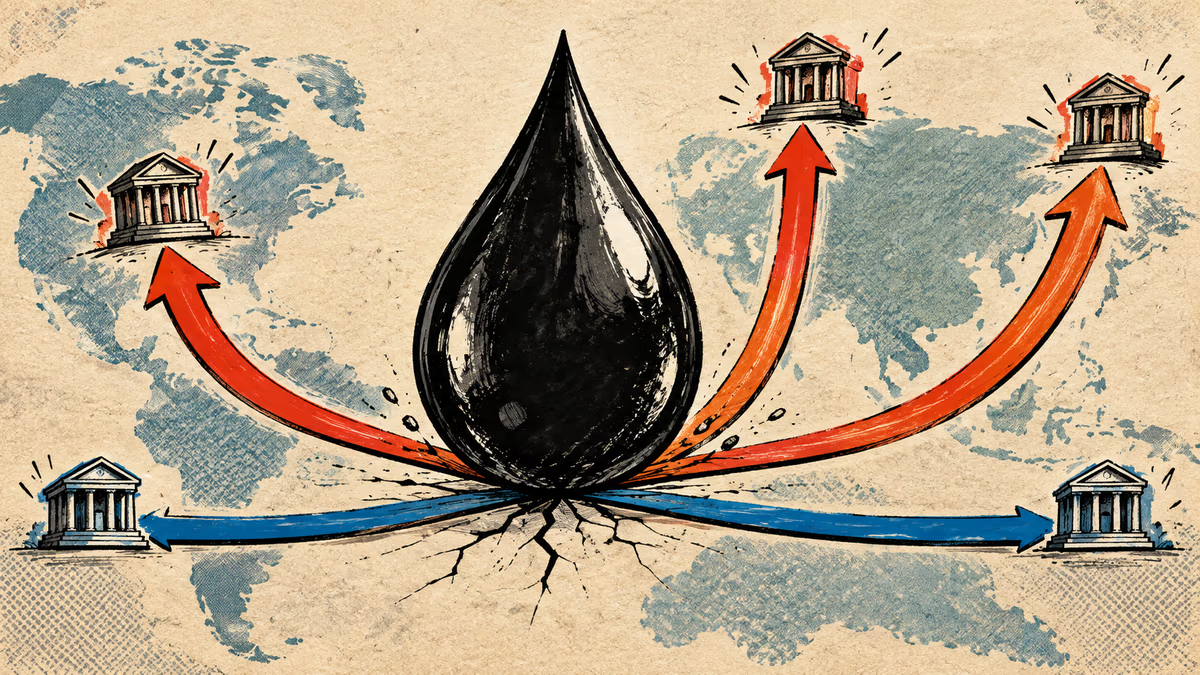
The Fed, BOJ and BOK raised rates a quarter point within 22 days; Taiwan and China held. What each said, plus the impact on Korean borrowers and the won.

Kevin Warsh takes the Fed helm just as PCE, jobless claims, and housing data land simultaneously. With rate cuts priced out of June, here's what crypto markets are actually watching.
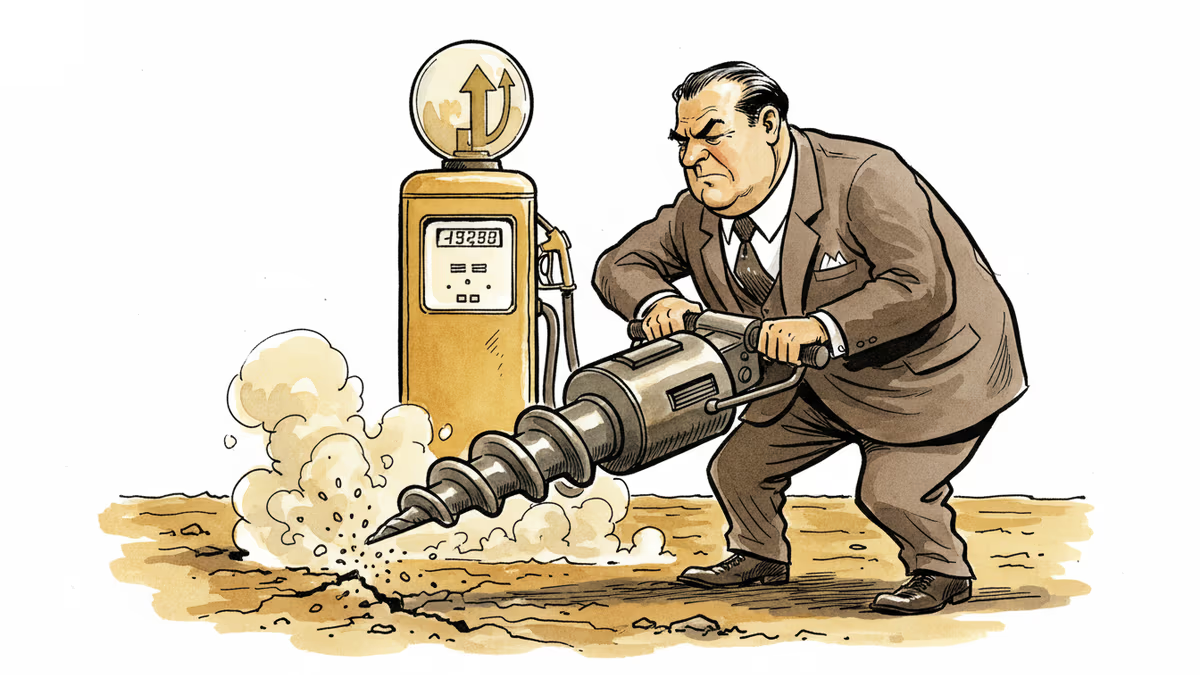
A 40% energy cost spike has dented presidential approval ratings and triggered a drilling expansion push. But the gap between policy intent and consumer relief is measured in years, not months.
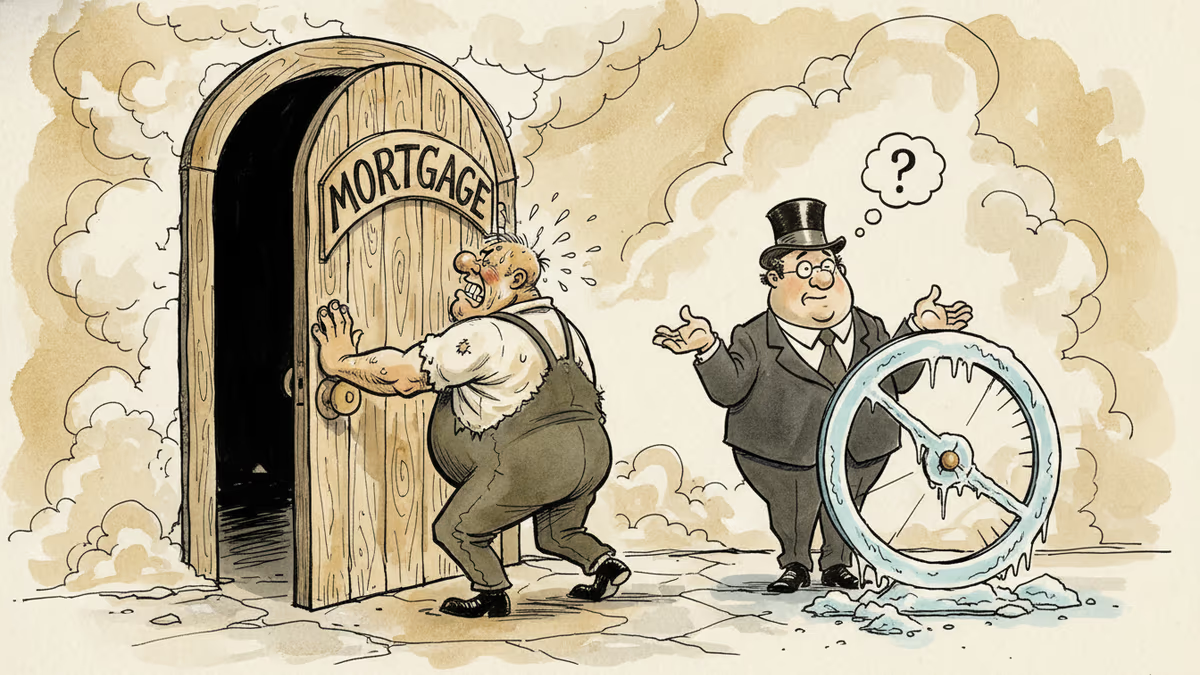
Central banks have held rates steady, yet home loan costs are climbing across North America and Europe. Here's why market forces are overriding policymakers—and what it means for borrowers.
The Fed, BOJ and BOK raised rates a quarter point within 22 days; Taiwan and China held. What each said, plus the impact on Korean borrowers and the won.
Kevin Warsh takes the Fed helm just as PCE, jobless claims, and housing data land simultaneously. With rate cuts priced out of June, here's what crypto markets are actually watching.
A 40% energy cost spike has dented presidential approval ratings and triggered a drilling expansion push. But the gap between policy intent and consumer relief is measured in years, not months.
Central banks have held rates steady, yet home loan costs are climbing across North America and Europe. Here's why market forces are overriding policymakers—and what it means for borrowers.
Thoughts
Share your thoughts on this article
Sign in to join the conversation