
#Bank of Korea
Total 24 articles

South Korea's Q3 GDP grew 1.0%. Exports added 1.1pp, imports took 1.0pp, leaving net exports at 0.1pp. Equipment investment and GDI rose; consumption fell.
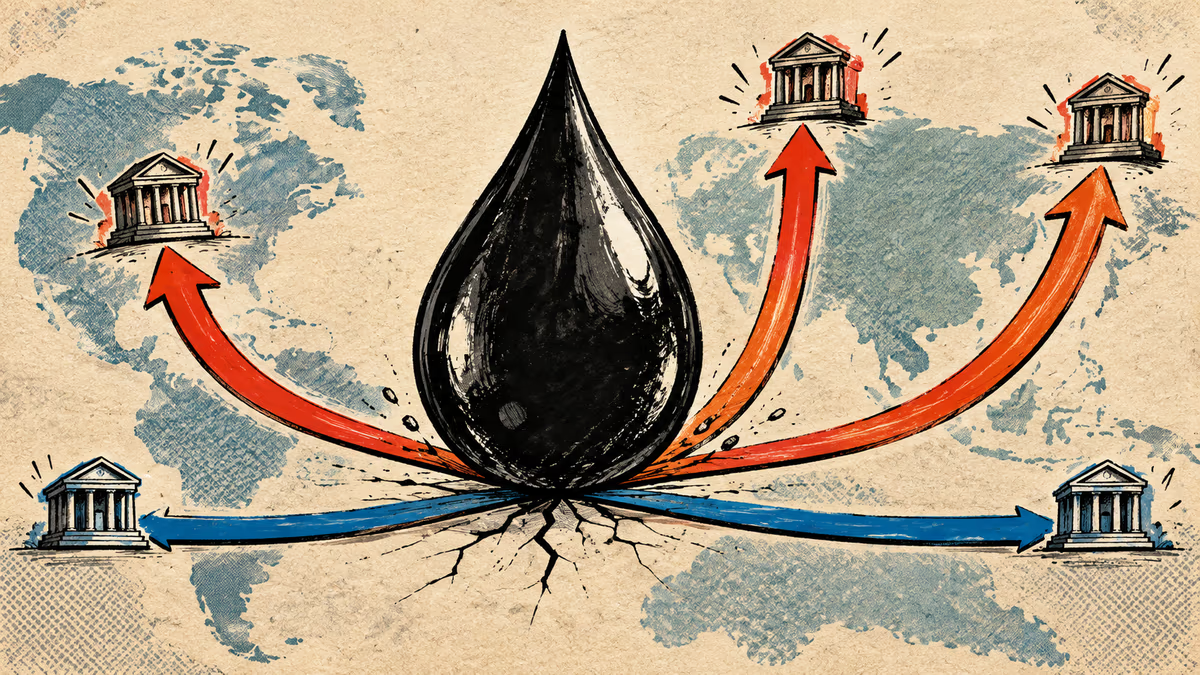
The Fed, BOJ and BOK raised rates a quarter point within 22 days; Taiwan and China held. What each said, plus the impact on Korean borrowers and the won.

South Korea's daily FX turnover hit a record $80.71 billion in 2025, driven by a massive increase in cross-border stock investments by both residents and foreigners.

PRISM by Liabooks
Place your ad in this space
[email protected]
South Korean commercial banks are slashing dollar deposit rates and offering incentives to sell greenbacks as the won hits a fresh low of 1,473.6 per dollar.

BOK warns that a 30% U.S. stock market crash could slash consumer spending by 1.7pp, potentially causing serious setbacks for the South Korean economy.

US Treasury Secretary Scott Bessent warns that the Korean won't depreciation is inconsistent with fundamentals, amid Korea's $350B investment pledge. BOK holds rates steady.

The Bank of Korea held interest rates steady as Governor Rhee Chang-yong warned the Korean won is significantly undervalued. KOSPI hits 4,700 amid political drama.
PRISM by Liabooks
Place your ad in this space
[email protected]
South Korea household loans saw a 2.2 trillion won decline in Dec 2025, the first drop in 11 months. Explore how BOK data and Seoul's lending rules are cooling the market.

South Korea's import prices rose for the 6th straight month in December 2025. A weak won at 1,467.4 per dollar offset a 3.8% drop in oil prices, signaling persistent inflation.

South Korea posted its largest-ever November current account surplus of $12.24 billion in 2025, driven by a 38.7% surge in semiconductor exports, according to BOK data.

South Korean household excess funds reached 58 trillion won in Q3 2025, driven by rising income and strict lending regulations, according to the Bank of Korea.
PRISM by Liabooks
Place your ad in this space
[email protected]
The BOK projects private-sector employment to grow by 60,000 in 2026, driven by a recovery in private consumption, despite a slowdown in total job growth.
