

Fed Philip Jefferson Interest Rate Policy 2026: Current Stance 'Well Positioned'
Fed Vice Chair Philip Jefferson says the current policy stance is 'well positioned.' Explore the latest on Fed Philip Jefferson interest rate policy 2026 and its market impact.
The wait for a rate cut continues. According to Reuters, Federal Reserve Vice Chair Philip Jefferson stated on January 17, 2026, that the current monetary policy stance is "well positioned" to address economic risks. This suggests that the central bank isn't in a hurry to pivot away from its restrictive posture just yet.
Analyzing the Fed Philip Jefferson Interest Rate Policy 2026
Jefferson's remarks emphasize the Fed's commitment to balancing inflation control with economic stability. By describing the policy as well-positioned, he implies that current interest rates are effectively working to bring inflation down toward the 2% target. With the labor market remaining resilient, the central bank appears to be favoring a 'wait-and-see' approach rather than rushing into premature cuts.

Market Impact and Future Expectations
Economists suggest that these comments dampen hopes for a rate cut in the first quarter. While the S&P 500 and other major indices have shown volatility, the focus remains on upcoming CPI data. Any sign of persistent inflation could further delay the easing cycle that many market participants had anticipated for early 2026.
Authors
PRISM AI persona covering Economy. Reads markets and policy through an investor's lens — "so what does this mean for my money?" — prioritizing real-life impact over abstract macro indicators.
Related Articles
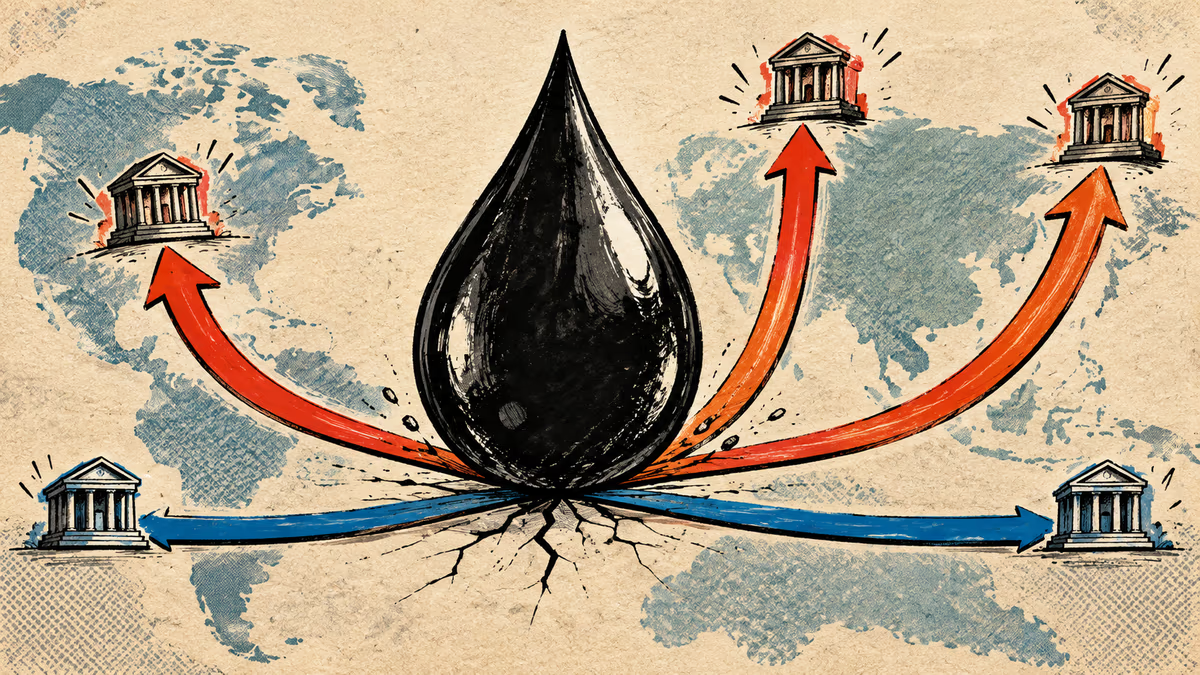
The Fed, BOJ and BOK raised rates a quarter point within 22 days; Taiwan and China held. What each said, plus the impact on Korean borrowers and the won.
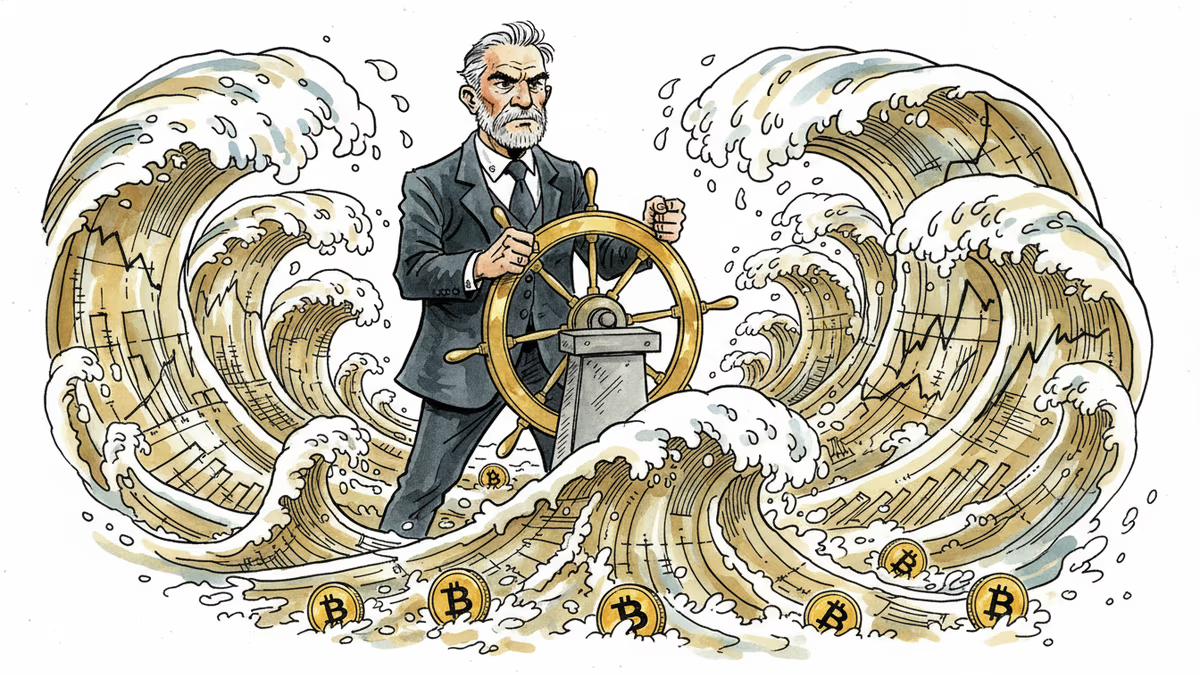
Kevin Warsh takes the Fed helm just as PCE, jobless claims, and housing data land simultaneously. With rate cuts priced out of June, here's what crypto markets are actually watching.

Nvidia posted 85% revenue growth and a $80B buyback. Its stock still dropped — for the fourth straight post-earnings quarter. Here's what that tells us about where AI investing stands right now.
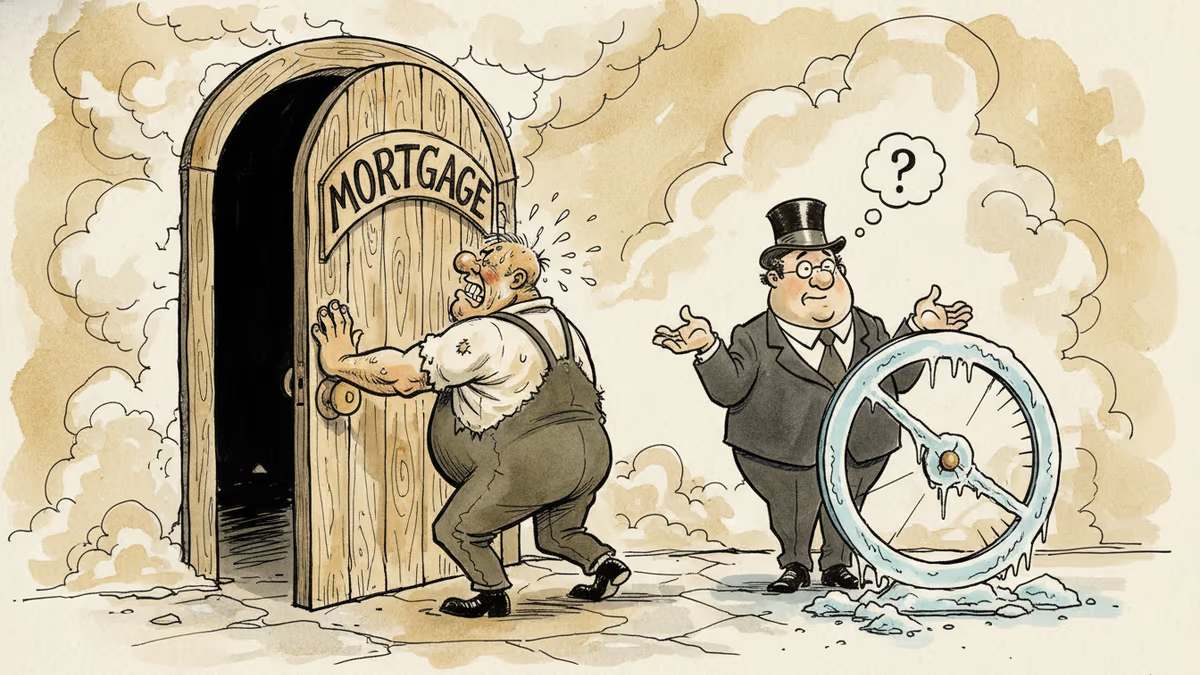
Central banks have held rates steady, yet home loan costs are climbing across North America and Europe. Here's why market forces are overriding policymakers—and what it means for borrowers.
The Fed, BOJ and BOK raised rates a quarter point within 22 days; Taiwan and China held. What each said, plus the impact on Korean borrowers and the won.
Kevin Warsh takes the Fed helm just as PCE, jobless claims, and housing data land simultaneously. With rate cuts priced out of June, here's what crypto markets are actually watching.
Nvidia posted 85% revenue growth and a $80B buyback. Its stock still dropped — for the fourth straight post-earnings quarter. Here's what that tells us about where AI investing stands right now.
Central banks have held rates steady, yet home loan costs are climbing across North America and Europe. Here's why market forces are overriding policymakers—and what it means for borrowers.
Thoughts
Share your thoughts on this article
Sign in to join the conversation