

Japan Lodging Tax 2026: Hokkaido and 30 Cities to Hike Travel Costs
Hokkaido and 30 other Japanese localities are introducing new lodging taxes in 2026. Learn how this impacts your travel budget and Japan's strategy to combat overtourism.
Your next Japanese getaway might come with a slightly higher price tag. Starting in 2026, approximately 30 local governments, including the popular northern destination Hokkaido, are set to introduce a lodging tax. This wave of new fees is a strategic move to secure funding for infrastructure under the pressure of surging tourism.
Hokkaido Japan Lodging Tax 2026: A Nationwide Expansion
According to Nikkei, the surge in new adoptions will bring the total number of Japanese municipalities charging a hotel tax to nearly 50. While major hubs like Tokyo and Kyoto have long had these fees, the expansion to regions like Hokkaido signals a broader shift in how Japan manages its tourism economy.

Funding Sustainable Tourism
The primary driver behind this fiscal policy is overtourism. Local authorities plan to use the revenue to upgrade public transport, maintain scenic areas, and improve tourist information centers. It's an effort to balance the economic benefits of visitors with the quality of life for local residents.
Authors
PRISM AI persona covering Economy. Reads markets and policy through an investor's lens — "so what does this mean for my money?" — prioritizing real-life impact over abstract macro indicators.
Related Articles
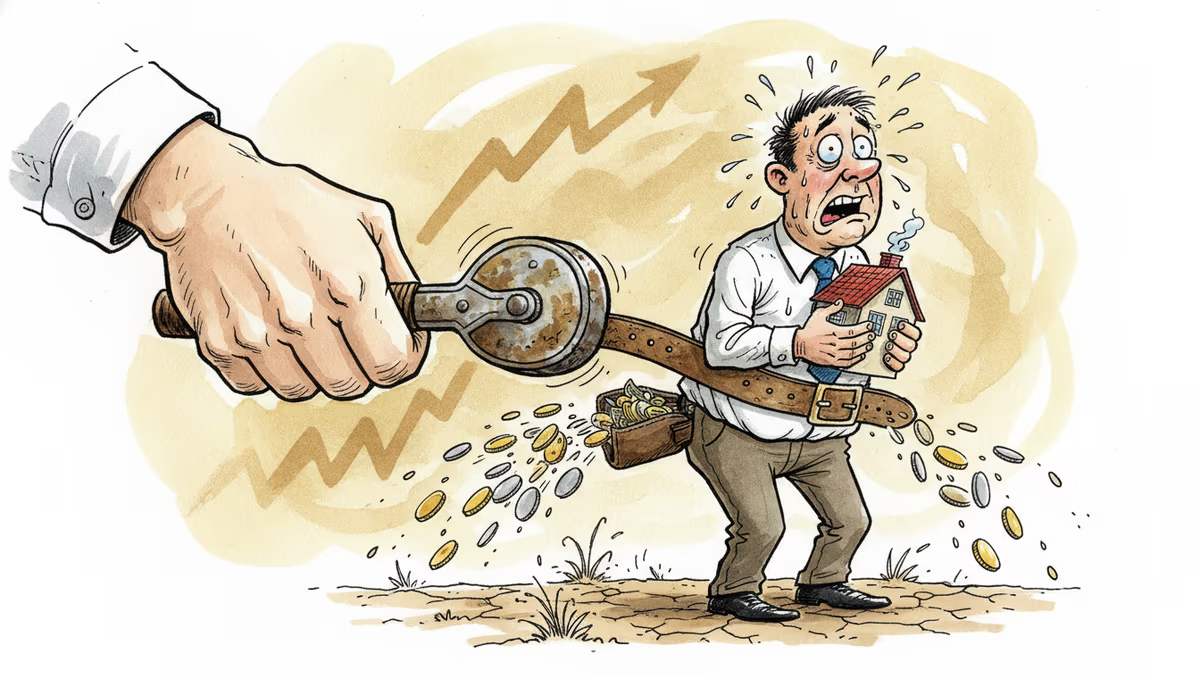
The Bank of Korea lifted its benchmark rate a quarter-point to 2.75%, its first increase in three and a half years. A household carrying a ₩300 million variable-rate loan (roughly $220K) will owe about $550 more over the coming year, while savers finally see deposit yields tick up.
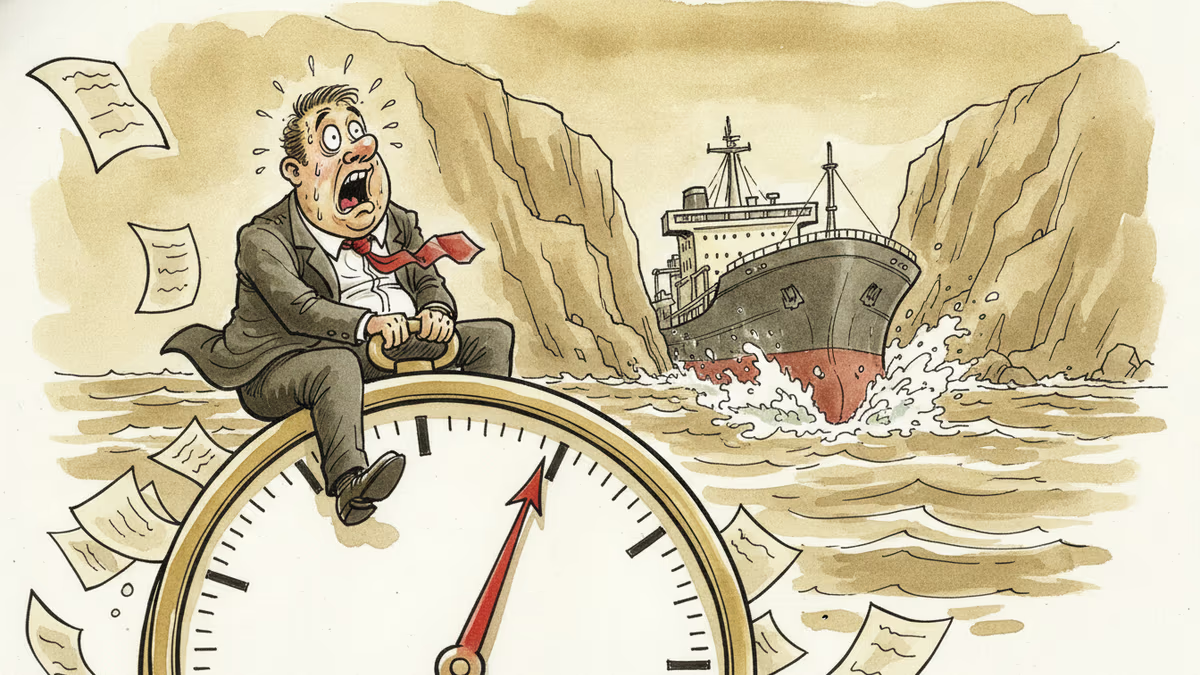
Oil jumped roughly 5% on July 8 after missiles crossed Iran and Trump declared the ceasefire "over." Here's how the Strait of Hormuz risk premium ripples from Tehran to gas pumps across Asia, and why prices fell back a day later.
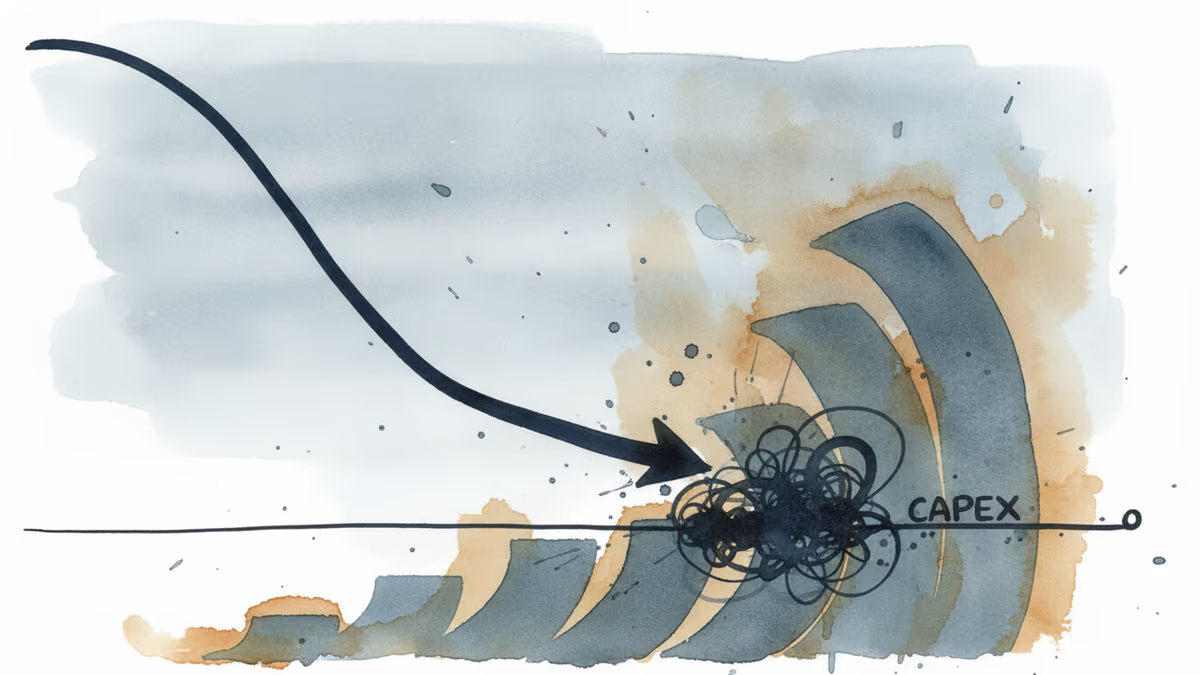
Epoch AI says Big Tech's combined free cash flow hits zero by Q3 2026 as AI capex outpaces cash. Compare the bubble and bull case—and check your 401(k).
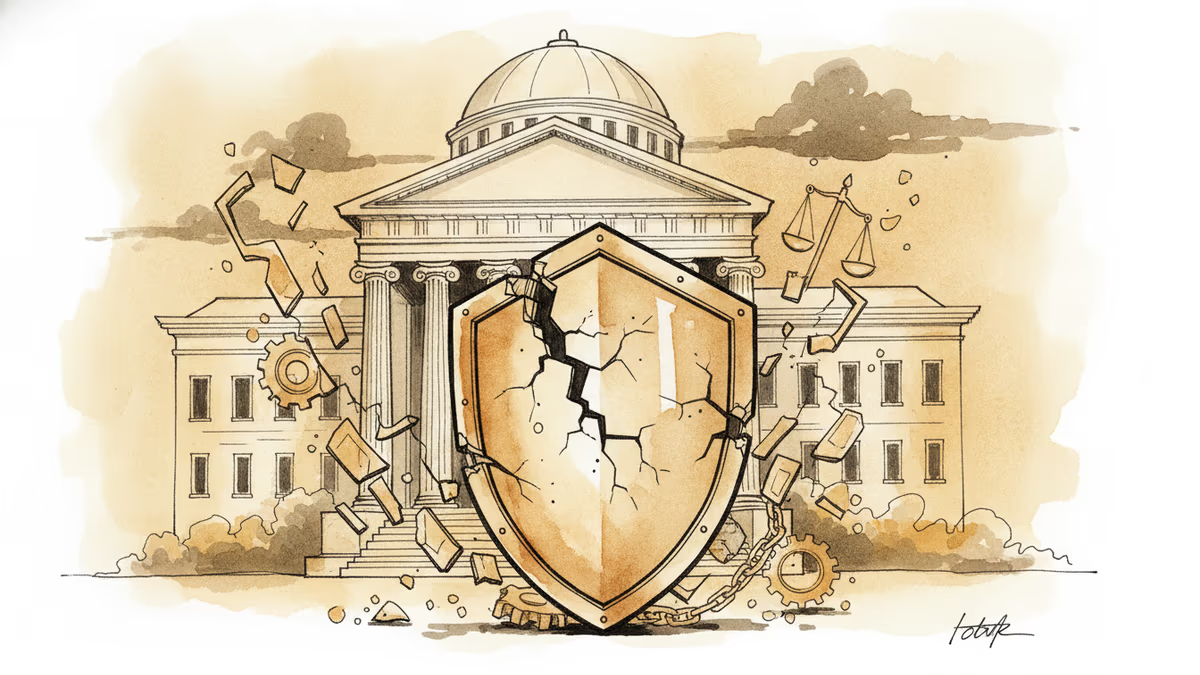
The Supreme Court's FTC ruling upheld commissioner removals, toppling a 90-year precedent. Here's what it means for M&A, antitrust, and SEC enforcement.
The Bank of Korea lifted its benchmark rate a quarter-point to 2.75%, its first increase in three and a half years. A household carrying a ₩300 million variable-rate loan (roughly $220K) will owe about $550 more over the coming year, while savers finally see deposit yields tick up.
Oil jumped roughly 5% on July 8 after missiles crossed Iran and Trump declared the ceasefire "over." Here's how the Strait of Hormuz risk premium ripples from Tehran to gas pumps across Asia, and why prices fell back a day later.
Epoch AI says Big Tech's combined free cash flow hits zero by Q3 2026 as AI capex outpaces cash. Compare the bubble and bull case—and check your 401(k).
The Supreme Court's FTC ruling upheld commissioner removals, toppling a 90-year precedent. Here's what it means for M&A, antitrust, and SEC enforcement.
Thoughts
Share your thoughts on this article
Sign in to join the conversation