

ISS PrK Module Leak Stops After Years of High-Risk Anxiety
The persistent air leak in the ISS PrK module has finally stopped. NASA confirms the end of a years-long crisis that saw leak rates double in 2024.
The persistent air leak that's been haunting the International Space Station (ISS) for years has finally gone quiet. NASA officially confirmed that the venting from the Russian segment's PrK module has ceased, marking a significant relief for orbital operations.
Inside the ISS PrK Module Leak Crisis
The trouble started with microscopic structural cracks within the PrK module, located between the Zvezda module and a Progress spacecraft airlock. The situation turned critical in 2024 when the leakage rate suddenly doubled. This spike forced NASA officials to designate the leak as a "high likelihood" and "high consequence" risk, sparking fears over the long-term viability of the Russian segment.

Recent Stabilization and NASA Confirmation
While the leak had been a long-running worry, recent data from two sources indicated that the atmosphere is no longer escaping. NASA has since verified these reports. It’s a major win for the station's maintenance crews, though they'll likely keep a close watch on the area to ensure the cracks don't reopen under the intense thermal cycling of low Earth orbit.
Authors
Related Articles
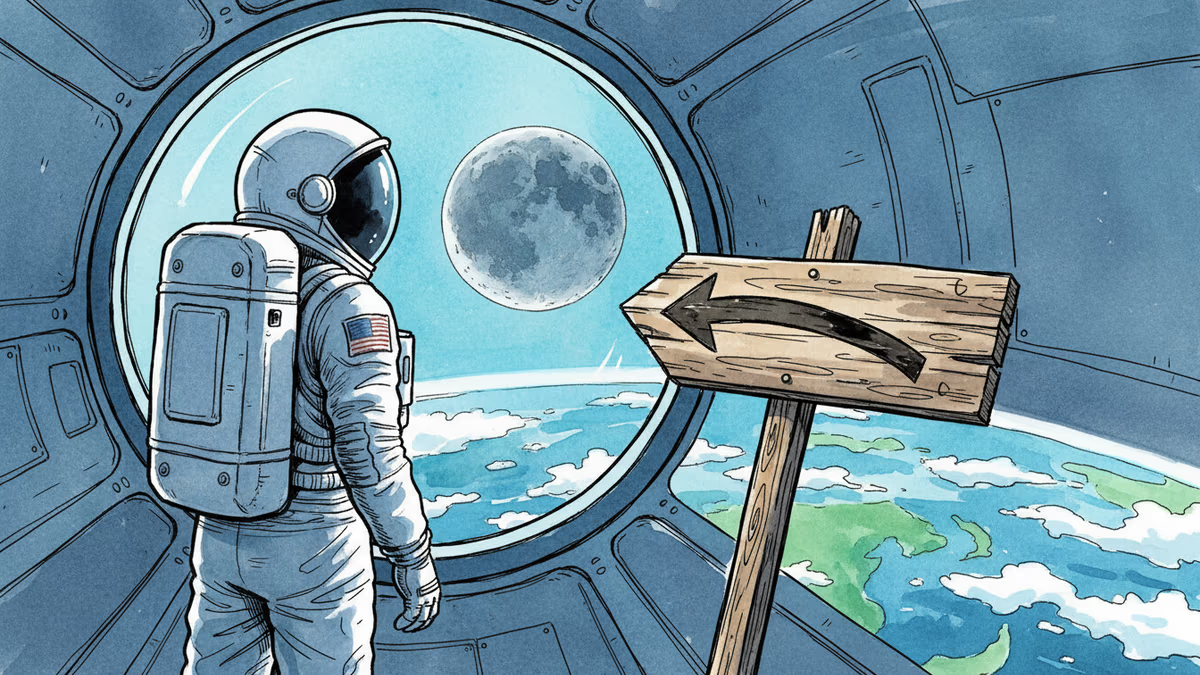
NASA's Artemis III has been redesigned as an Earth-orbit mission. SpaceX and Blue Origin say their landers won't be ready until late 2027. What does this mean for the future of lunar exploration?

Artemis II splashed down successfully in the Pacific, marking humanity's first crewed deep space mission in over 50 years. But the harder question isn't whether we can go back — it's why we should.

NASA's Orion capsule splashed down safely after humanity's first crewed lunar voyage in 54 years. The mission succeeded. Now the harder questions begin.
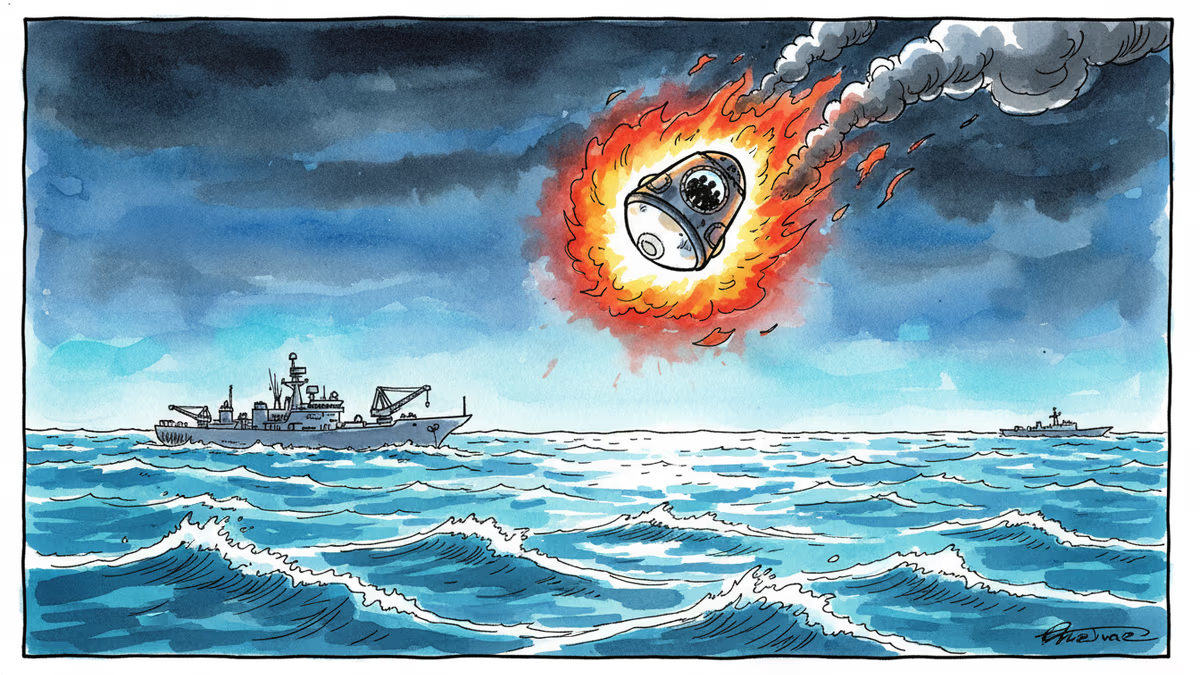
Artemis II's four astronauts are returning to Earth Friday night. The splashdown off Southern California isn't the anticlimax it sounds—it's the most technically perilous moment of the entire lunar journey.
NASA's Artemis III has been redesigned as an Earth-orbit mission. SpaceX and Blue Origin say their landers won't be ready until late 2027. What does this mean for the future of lunar exploration?
Artemis II splashed down successfully in the Pacific, marking humanity's first crewed deep space mission in over 50 years. But the harder question isn't whether we can go back — it's why we should.
NASA's Orion capsule splashed down safely after humanity's first crewed lunar voyage in 54 years. The mission succeeded. Now the harder questions begin.
Artemis II's four astronauts are returning to Earth Friday night. The splashdown off Southern California isn't the anticlimax it sounds—it's the most technically perilous moment of the entire lunar journey.
Thoughts
Share your thoughts on this article
Sign in to join the conversation