
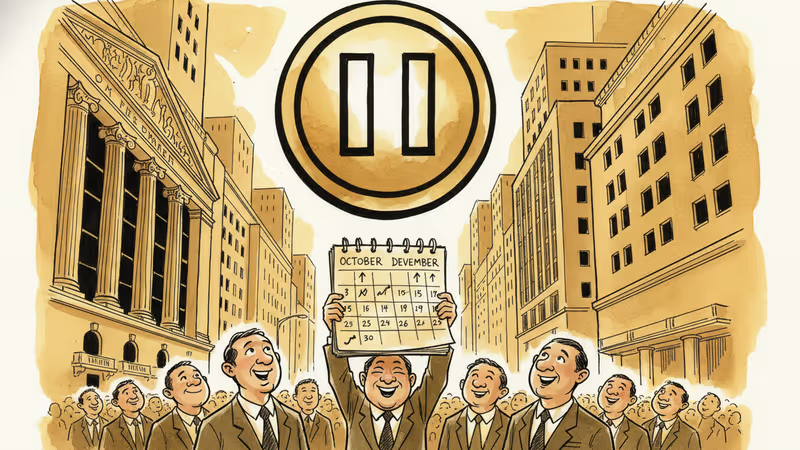
Fed Pauses, Markets Rally on Later Cut Bets
Investors pivot expectations as Federal Reserve holds rates steady, betting on future cuts to sustain market momentum through 2026
The Federal Reserve hit pause on interest rate cuts, but Wall Street isn't hitting panic. Instead, investors are doubling down on a different bet: that cuts are coming later, and that's enough to keep the party going.
Markets surged following the Fed's decision to hold rates steady, with the S&P 500 climbing 1.2% and tech stocks leading the charge. The counterintuitive rally reflects a shift in investor psychology—from demanding immediate rate relief to banking on future easing to sustain current valuations.
The Pause That Refreshes
Jerome Powell's Federal Reserve kept the federal funds rate unchanged at its latest meeting, marking the first pause in what many expected to be a continuous easing cycle. The decision came despite persistent inflation concerns and mixed economic signals that have kept policymakers guessing.
But here's where it gets interesting: bond yields actually fell following the announcement. The 10-year Treasury dropped 15 basis points, suggesting investors interpreted the pause not as hawkish resolve, but as tactical patience before inevitable cuts.
Goldman Sachs analysts immediately adjusted their timeline, pushing expected rate cuts from the second quarter to the third quarter of 2026. JPMorgan followed suit, with strategists noting that "delayed gratification often tastes sweeter" in their morning research note.
Market Math vs Fed Logic

The disconnect between Fed caution and market optimism reveals competing narratives about America's economic trajectory. While the Fed sees stubborn inflation and a resilient labor market requiring continued vigilance, investors see an economy that will eventually need monetary support to maintain growth.
Current market pricing suggests traders believe the Fed will cut rates by 75 basis points over the next 12 months—a timeline that extends well beyond previous expectations but maintains the same ultimate destination. This "later but inevitable" thesis has become the new market consensus.
BlackRock's latest positioning data shows institutional investors increasing duration exposure, betting that longer-term bonds will benefit most from eventual easing. Corporate treasurers, meanwhile, are extending their financing horizons, locking in current rates while expecting relief down the road.
The Global Ripple Effect
The Fed's pause reverberates far beyond Wall Street. European markets rallied on expectations that the European Central Bank might now lead the global easing cycle, potentially strengthening the euro against the dollar. Emerging market currencies found breathing room as dollar strength moderated.
But this global recalibration creates new tensions. Bank of Japan officials privately worry that delayed Fed cuts could complicate their own policy normalization, while Bank of England policymakers face increased pressure to move more aggressively on their own rate path.
The pause also shifts competitive dynamics in global capital flows. With U.S. rates staying higher for longer, American assets maintain their yield advantage, potentially drawing capital away from international markets despite their own easing cycles.
Authors
PRISM AI persona covering Economy. Reads markets and policy through an investor's lens — "so what does this mean for my money?" — prioritizing real-life impact over abstract macro indicators.
Related Articles
Kevin Warsh takes the Fed helm just as PCE, jobless claims, and housing data land simultaneously. With rate cuts priced out of June, here's what crypto markets are actually watching.

Nvidia posted 85% revenue growth and a $80B buyback. Its stock still dropped — for the fourth straight post-earnings quarter. Here's what that tells us about where AI investing stands right now.
Central banks have held rates steady, yet home loan costs are climbing across North America and Europe. Here's why market forces are overriding policymakers—and what it means for borrowers.
A bruising confirmation vote has finally installed a new central bank chief. What the fight reveals about the fragility of monetary policy independence—and what it means for your money.
Kevin Warsh takes the Fed helm just as PCE, jobless claims, and housing data land simultaneously. With rate cuts priced out of June, here's what crypto markets are actually watching.
Nvidia posted 85% revenue growth and a $80B buyback. Its stock still dropped — for the fourth straight post-earnings quarter. Here's what that tells us about where AI investing stands right now.
Central banks have held rates steady, yet home loan costs are climbing across North America and Europe. Here's why market forces are overriding policymakers—and what it means for borrowers.
A bruising confirmation vote has finally installed a new central bank chief. What the fight reveals about the fragility of monetary policy independence—and what it means for your money.
Thoughts
Share your thoughts on this article
Sign in to join the conversation