

Instacart Scraps AI Pricing Test After Outcry Over Price Discrimination
Instacart has ended its controversial AI-powered pricing tests following a study and lawmaker pressure over price discrimination. We analyze the implications for AI ethics and platform regulation.
Instacart is ending its AI-powered pricing tests, which resulted in some users seeing higher prices on certain products than others. The company now guarantees price parity for all its users on the platform.
“Now, if two families are shopping for the same items, at the same time, from the same store location on Instacart, they see the same prices - period,” the company wrote in a blog post on Monday. This move effectively scraps its controversial use of dynamic pricing, where algorithms adjust prices based on user-specific data.

The test used AI to offer multiple price points for the same grocery items at the same store. While potentially maximizing revenue for Instacart by charging what it thinks a user might be willing to pay, the practice was criticized as a form of digital price discrimination, creating an unfair and opaque shopping experience.
The change comes just weeks after a damning study from Groundwork Collaborative, Consumer Reports, and More Perfect Union exposed the practice. According to The Verge, the report quickly drew the attention of lawmakers, including Sen. Chuck Schumer (D-NY), who penned a letter to the Federal Trade Commission urging an investigation into the company's pricing strategies.
Authors
Related Articles
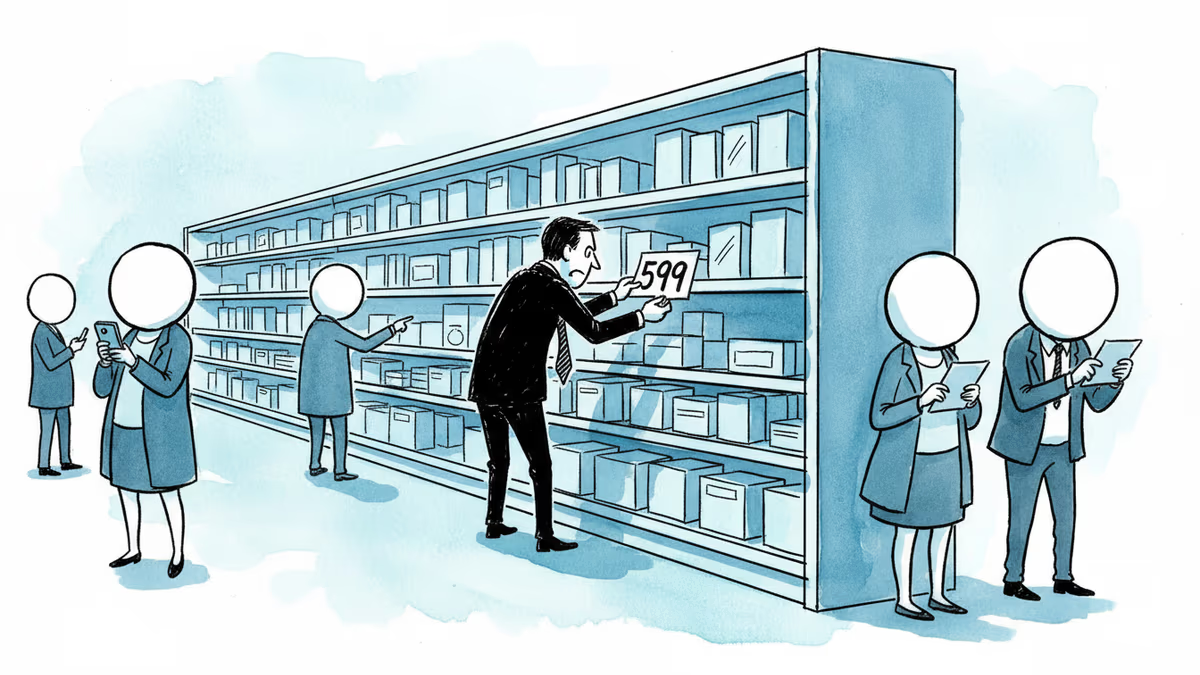
Apple quietly removed the entry-level $599 Mac Mini, raising the starting price to $799 — just one day after Tim Cook warned of chip supply constraints on the earnings call.
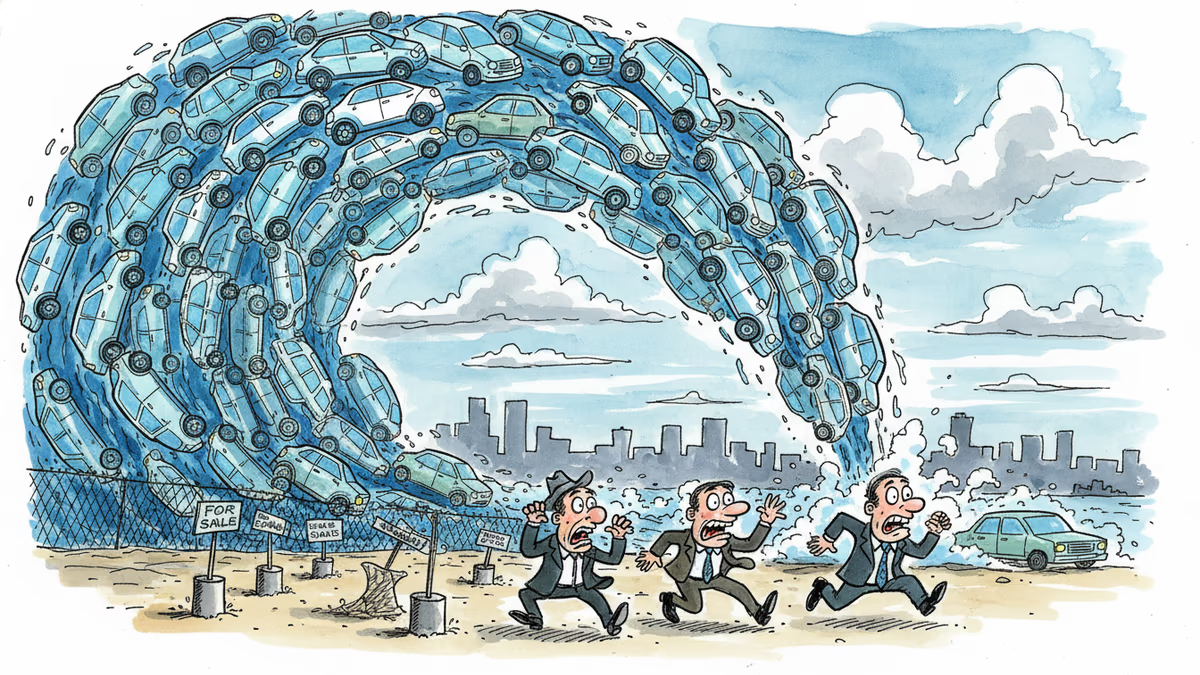
Expiring leases will flood the US used car market with over a million electric vehicles by 2028. Could this do what subsidies couldn't — make EVs genuinely affordable?
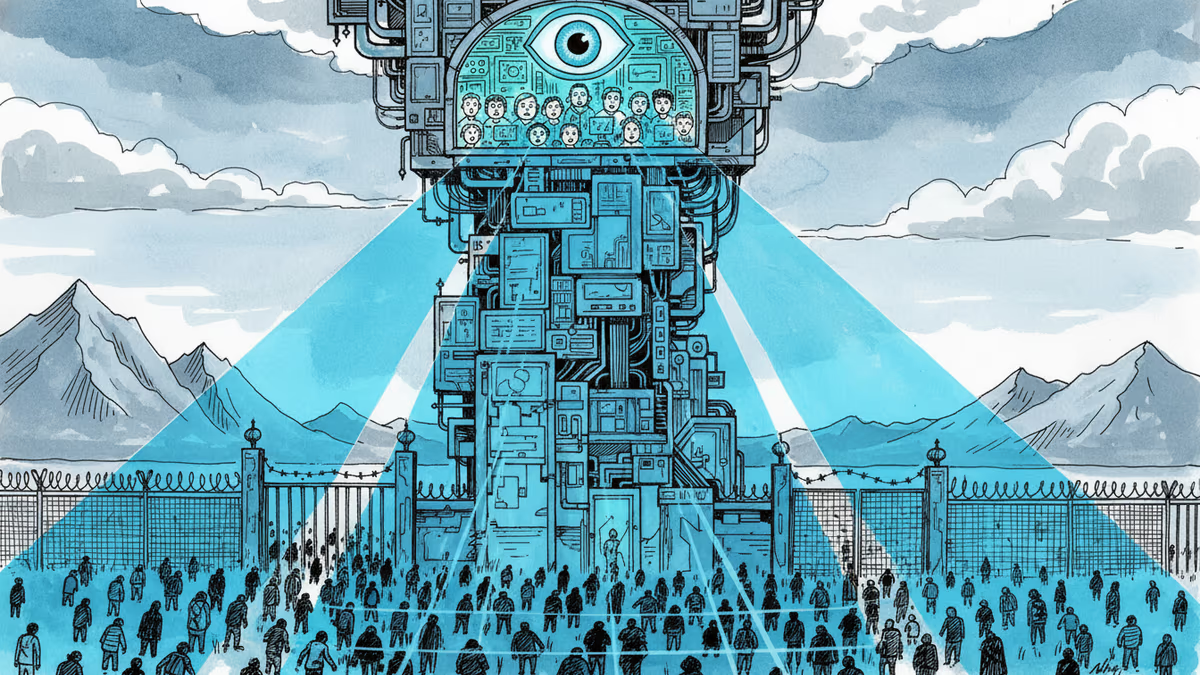
Palantir has become the tech backbone of Trump's immigration enforcement. Former employees are calling it a 'descent into fascism.' What happens when the people who build surveillance tools start asking uncomfortable questions?
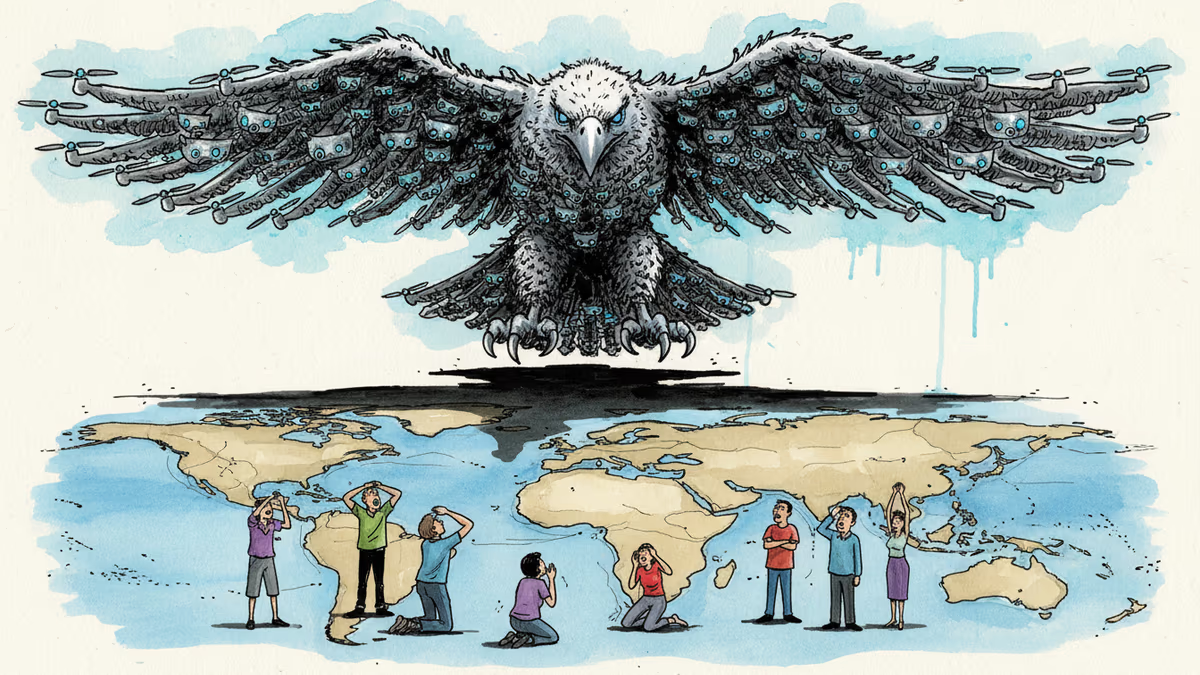
The US defense budget request for FY2027 includes $53.6 billion for drone and autonomous warfare—more than most nations spend on their entire military. What does this mean for global security and the future of war?
Apple quietly removed the entry-level $599 Mac Mini, raising the starting price to $799 — just one day after Tim Cook warned of chip supply constraints on the earnings call.
Expiring leases will flood the US used car market with over a million electric vehicles by 2028. Could this do what subsidies couldn't — make EVs genuinely affordable?
Palantir has become the tech backbone of Trump's immigration enforcement. Former employees are calling it a 'descent into fascism.' What happens when the people who build surveillance tools start asking uncomfortable questions?
The US defense budget request for FY2027 includes $53.6 billion for drone and autonomous warfare—more than most nations spend on their entire military. What does this mean for global security and the future of war?
Thoughts
Share your thoughts on this article
Sign in to join the conversation