
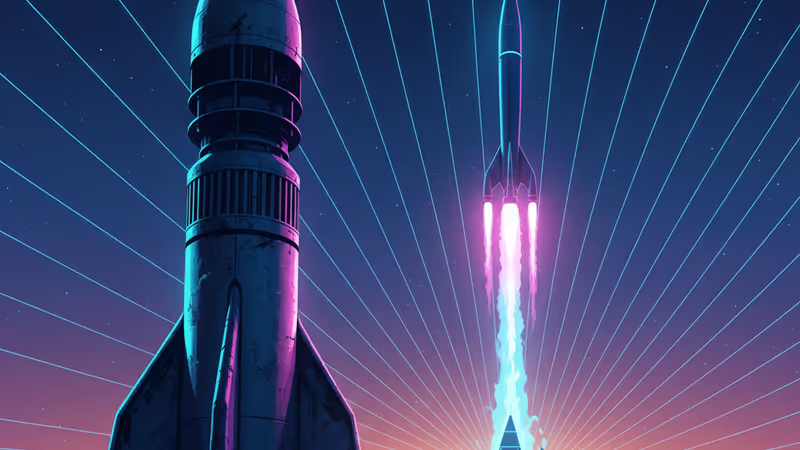
ULA CEO Tory Bruno Resigns After Decade-Long Battle with SpaceX
Tory Bruno has resigned as CEO of United Launch Alliance after a decade. The move comes amid intense competition from SpaceX and just after the successful debut of ULA's new Vulcan rocket.
Tory Bruno, the veteran aerospace executive who has ledUnited Launch Alliance (ULA) for over a decade, has resigned from the top job, the company announced Monday. His departure marks the end of an era defined by an intense rivalry with Elon Musk'sSpaceX and a high-stakes effort to reinvent the legacy launch provider.
A Tenure Defined by Competition
The news of Bruno's sudden resignation was unexpected. He took the helm as President and CEO in August2014, arriving from a30-year career atLockheed Martin just asSpaceX began to disrupt the industry with its partially reusableFalcon 9 rocket. His entire tenure was marked by a decline in ULA's market share as the agile competitor competed for and won ever-larger US government launch contracts.

Vulcan's Success and the Path Forward
Under Bruno's leadership, ULA developed its next-generationVulcan rocket, a crucial answer to SpaceX's cost-effective launchers. While Bruno recently oversaw the successful debut of Vulcan, the company has since faced struggles in ramping up the new rocket's launch cadence. His successor will inherit the critical task of proving Vulcan can not only fly, but fly frequently and compete on price.
Authors
Related Articles
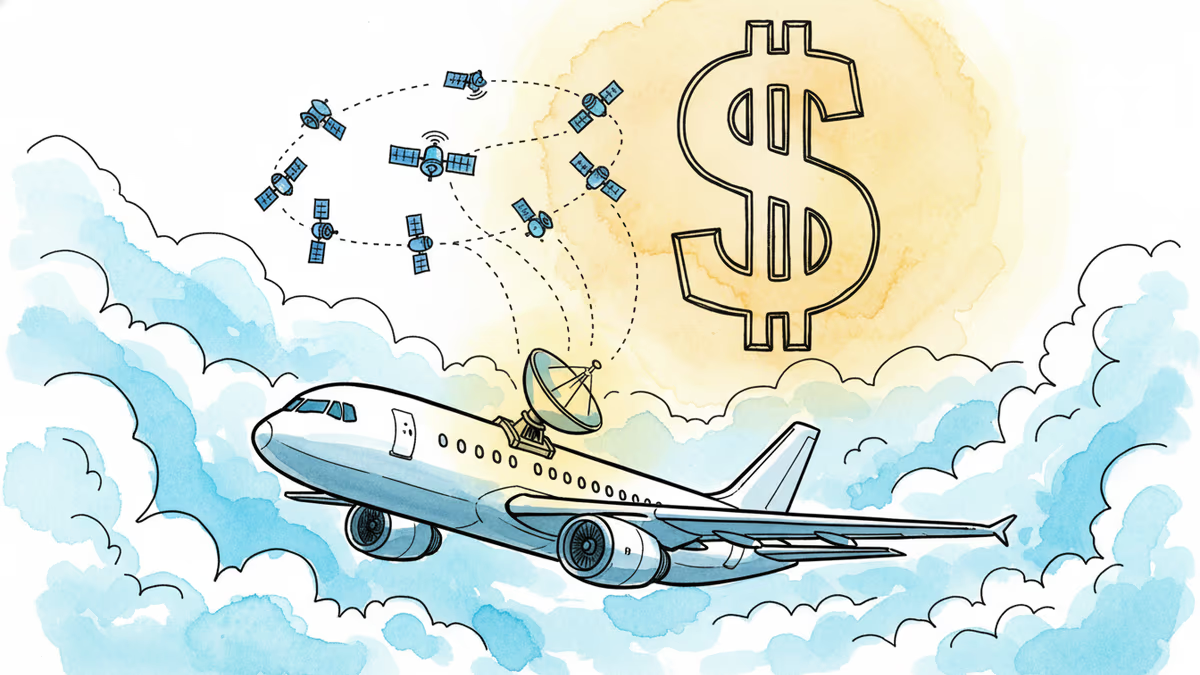
American Airlines just signed Starlink for 500+ aircraft. It's not just about faster inflight internet — it's a calculated move in the run-up to what could be the largest IPO in history.
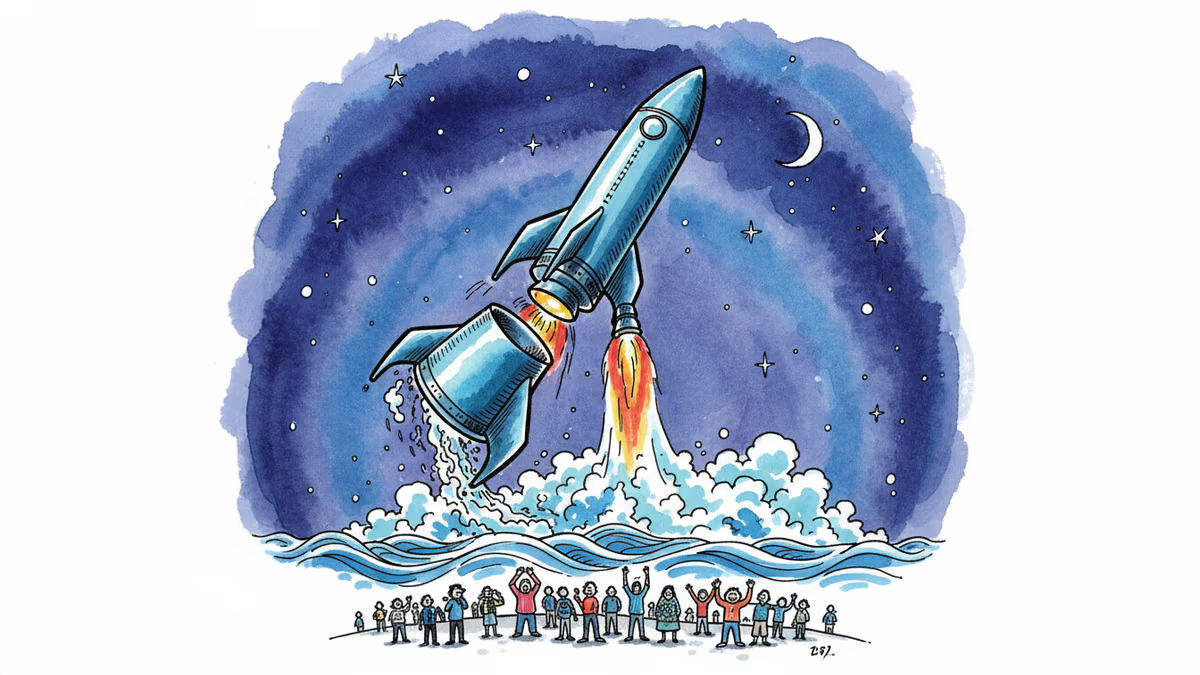
SpaceX's upgraded Starship V3 completed its first test flight, deploying 20 Starlink simulators but losing the Super Heavy booster. With an IPO weeks away, the stakes just got higher.
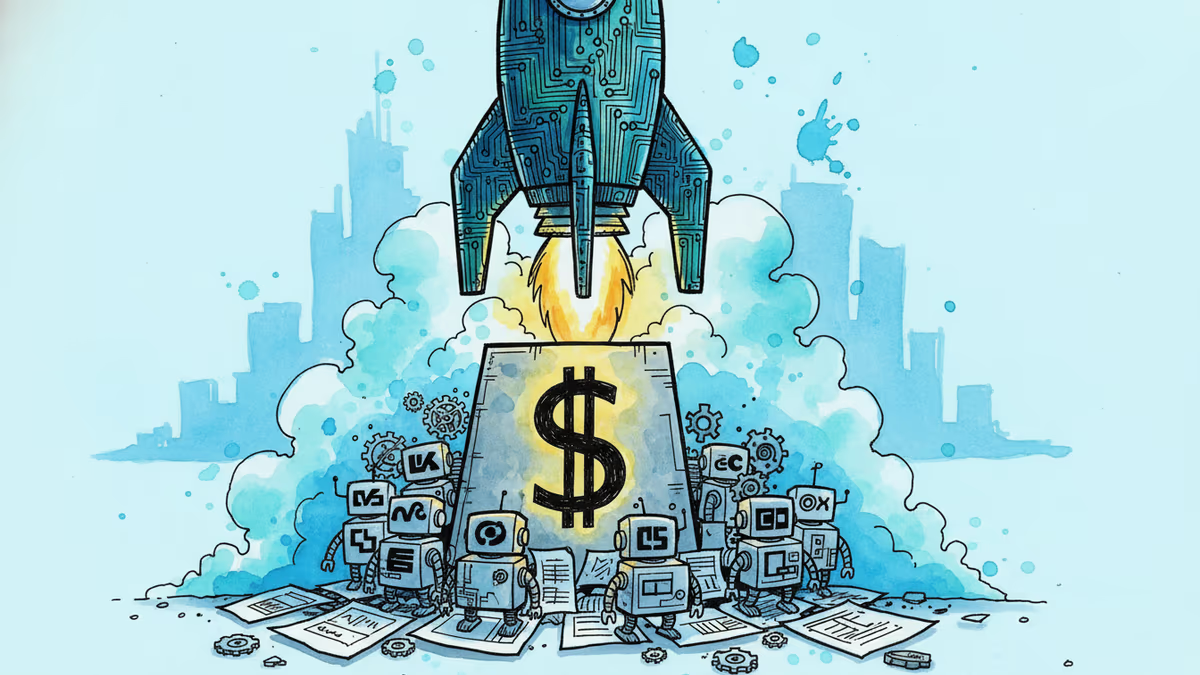
SpaceX's IPO filing puts AI at the center, claiming a $26.5 trillion market opportunity. But can Grok compete with OpenAI and Anthropic for enterprise customers?
SpaceX filed a nearly 400-page S-1 with the SEC, targeting an IPO as early as June 12. Here's what the filing reveals—and what it doesn't.
American Airlines just signed Starlink for 500+ aircraft. It's not just about faster inflight internet — it's a calculated move in the run-up to what could be the largest IPO in history.
SpaceX's upgraded Starship V3 completed its first test flight, deploying 20 Starlink simulators but losing the Super Heavy booster. With an IPO weeks away, the stakes just got higher.
SpaceX's IPO filing puts AI at the center, claiming a $26.5 trillion market opportunity. But can Grok compete with OpenAI and Anthropic for enterprise customers?
SpaceX filed a nearly 400-page S-1 with the SEC, targeting an IPO as early as June 12. Here's what the filing reveals—and what it doesn't.
Thoughts
Share your thoughts on this article
Sign in to join the conversation