
When Surveillance Becomes Normal: Minneapolis Under Quiet Siege
ICE and CBP agents patrol Minneapolis streets as daily life continues. The normalization of surveillance reveals how democracy erodes in plain sight.
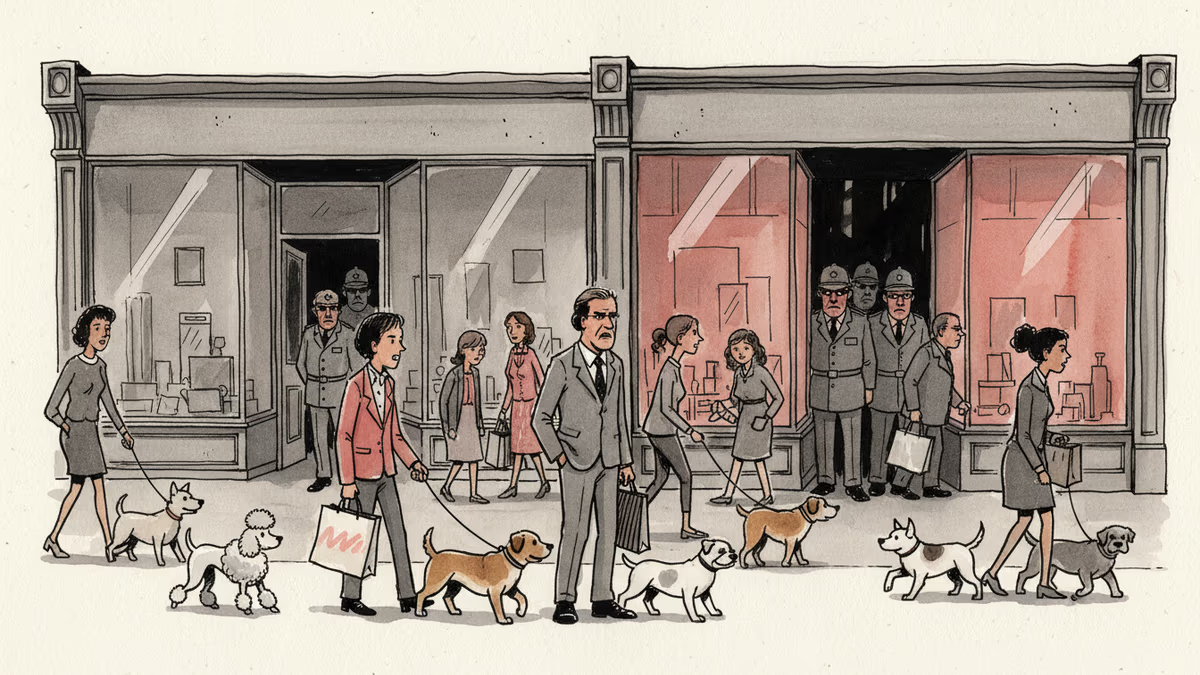
Dogs still need walking. Groceries still need buying. Friends still meet for dinner and drinks. In certain blocks of Minneapolis, life carries on with an almost surreal normalcy—while just a few streets away, people are being tear-gassed, rounded up by ICE, or in two tragic cases, gunned down by federal agents.
This jarring contrast defines Minneapolis in 2026. Rather than the war zone many expected, the city has become something more insidious: a place where surveillance and control have woven themselves so seamlessly into daily life that their presence feels almost... normal.
The New Playbook: From Shock to Stealth
ICE and CBP agents have shifted tactics. Gone are the dramatic raids and military-style operations that dominated headlines in the early days. Instead, they've adopted what officials euphemistically call "community-oriented enforcement"—a sanitized term for constant, low-level surveillance.
The agents are everywhere now, but quietly. They check IDs at bus stops, patrol outside schools, and monitor public gatherings. When questioned, officials insist these are "routine safety measures," but the pattern is clear: certain neighborhoods, certain faces, certain accents draw more attention than others.
"At first, I was terrified every time I saw them," says Maria, a local restaurant owner who asked that her last name not be used. "Now? I barely notice. That terrifies me more."
The Psychology of Acceptance
This gradual normalization reveals something troubling about how democracies die—not with a bang, but with a collective shrug. Psychologists call it "normalization bias": when abnormal situations persist long enough, our brains rewire to accept them as the new baseline.

"This is textbook authoritarian creep," explains Dr. James Morrison, a political scientist at the University of Minnesota. "Sudden, dramatic changes trigger resistance. Gradual shifts? People adapt. They rationalize. They find ways to live with it."
Some residents have even embraced the changes. "Crime is down," insists one longtime Minneapolis resident. "I feel safer walking at night." The statistics seem to support this—violent crime has decreased by 23% since federal agents arrived. But at what cost?
The Global Pattern
Minneapolis isn't unique. From London's CCTV networks to Singapore's digital tracking systems, surveillance has become the price of modern urban life. The difference is consent—and transparency about trade-offs being made.
What makes Minneapolis particularly concerning is how these measures were implemented without public debate, sold as temporary emergency responses that have quietly become permanent fixtures. The playbook is familiar to anyone who's studied how civil liberties erode: crisis, emergency powers, normalization, permanence.
The Resistance Question
Not everyone has accepted the new normal. Civil rights groups continue to document violations, though their work has become increasingly difficult. Several activists report being followed, their phones tapped, their meetings monitored.
"The question isn't whether we're living in a police state," says one organizer who spoke on condition of anonymity. "The question is whether we still have the will to resist becoming one."
Yet resistance itself has been normalized and contained. Protests happen, but they're small, controlled, easily ignored by media focused on other stories. The most effective form of control isn't suppression—it's making dissent feel futile.
Authors
Related Articles
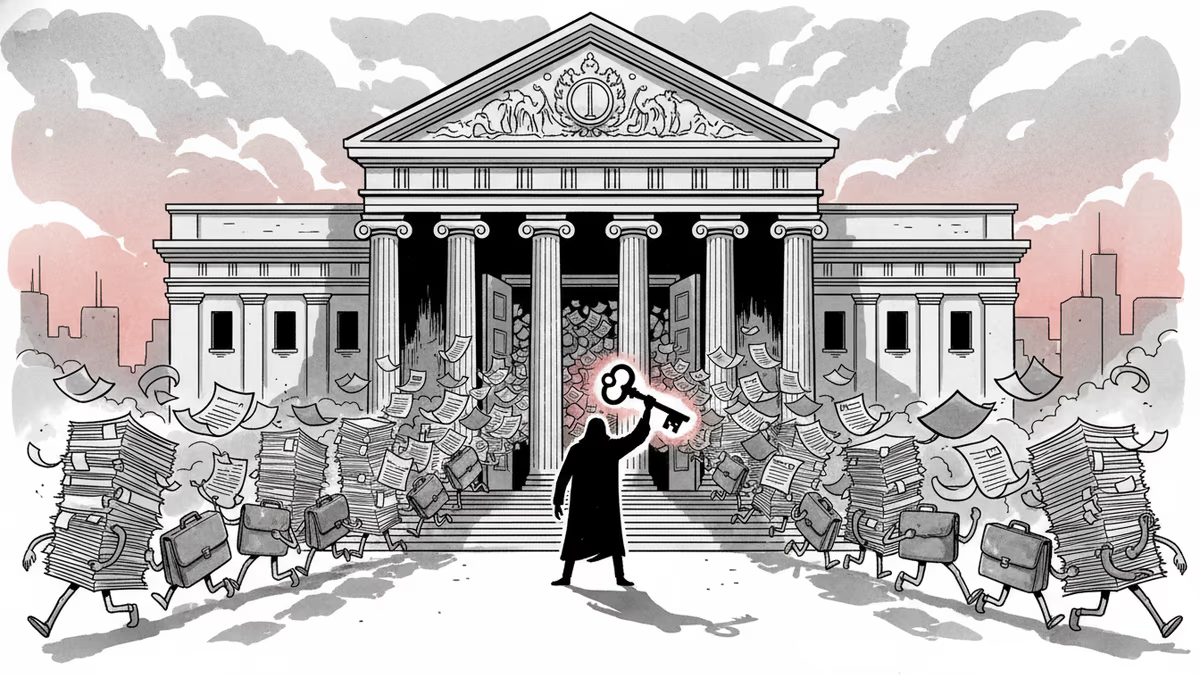
The Trump administration has gutted the DOJ's Voting Section, pushing out two dozen experienced lawyers and replacing them with loyalists. With 2026 midterms approaching, what does this mean for American democracy?
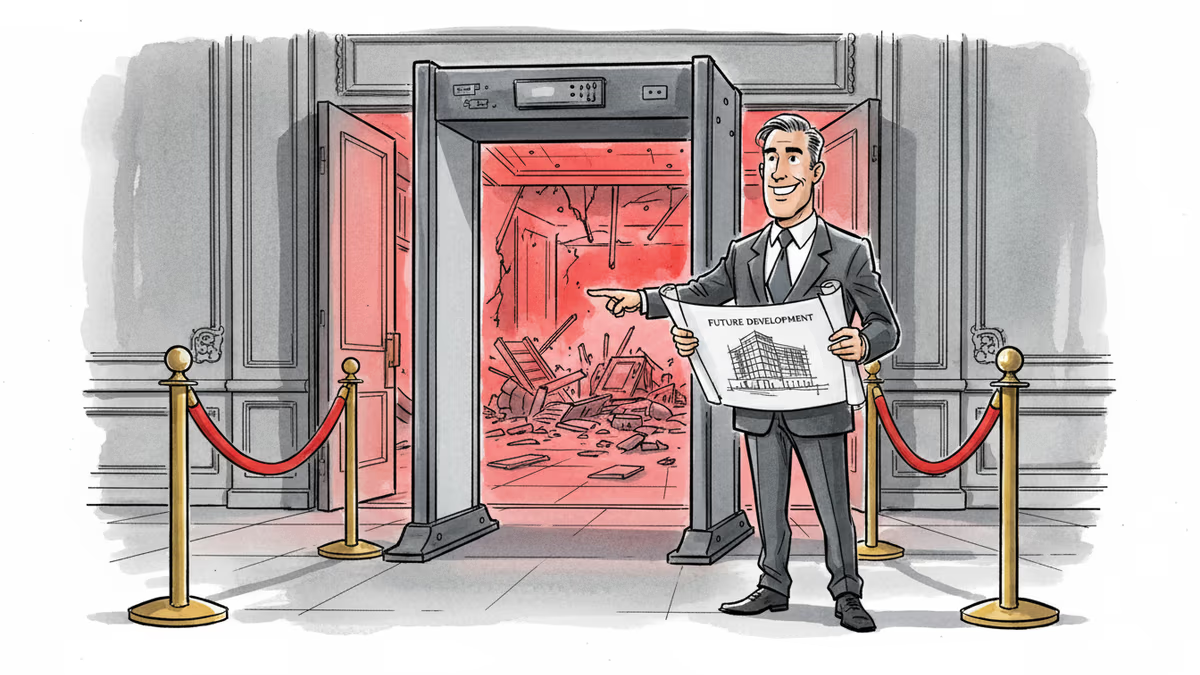
A gunman attacked a Secret Service checkpoint at the White House Correspondents' Dinner. Trump's first public reaction wasn't about security. It was about his $400M ballroom project.
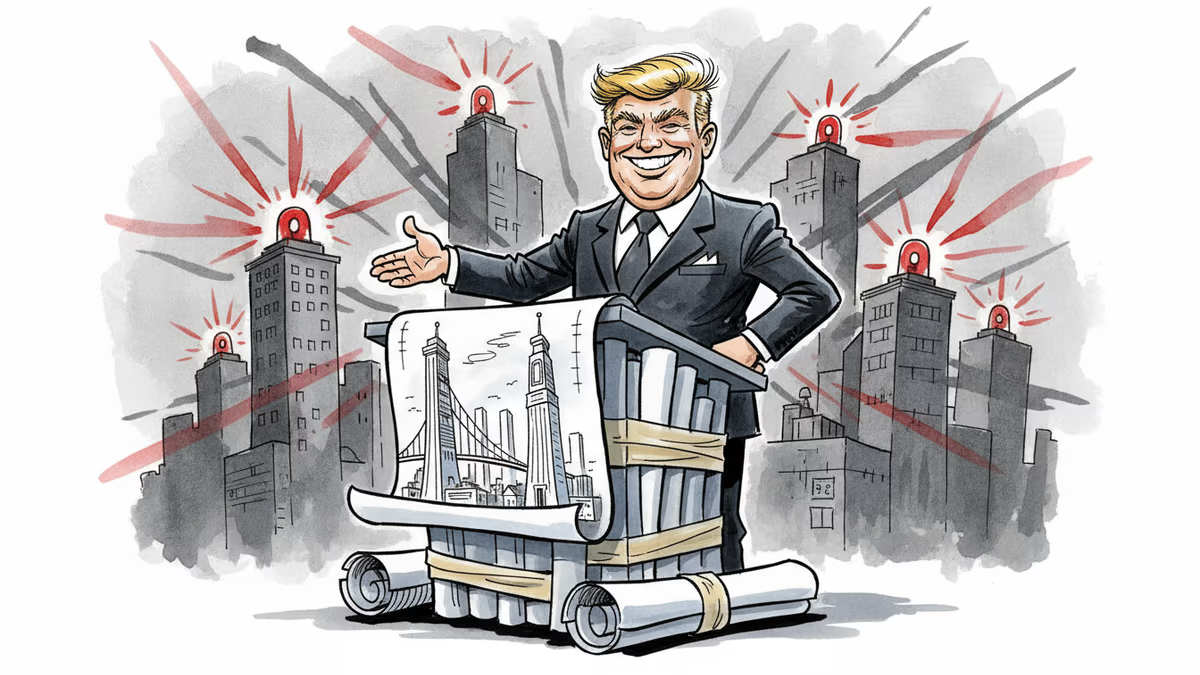
Hours after an armed suspect attempted to breach the White House Correspondents Dinner, Trump used the security scare to publicly defend his White House ballroom project. What does that tell us?
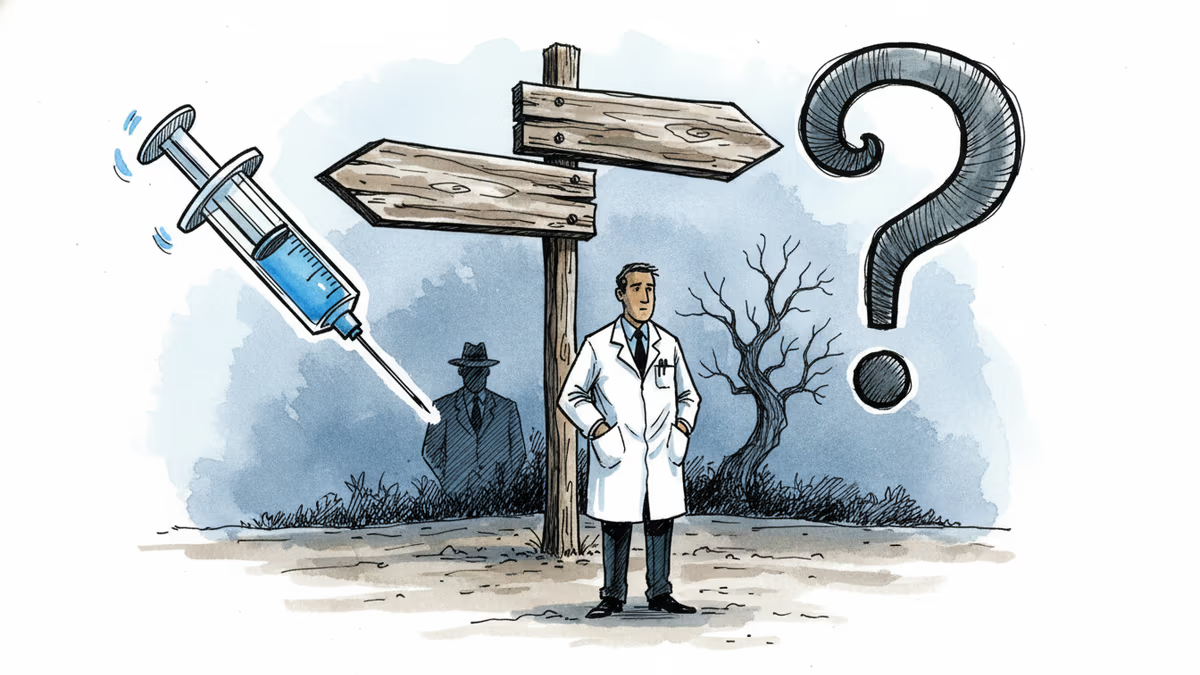
Dr. Erica Schwartz, a pro-vaccine physician with an unimpeachable public health résumé, is Trump's third CDC director nominee—a quiet but pointed rebuke of RFK Jr.'s agenda.
The Trump administration has gutted the DOJ's Voting Section, pushing out two dozen experienced lawyers and replacing them with loyalists. With 2026 midterms approaching, what does this mean for American democracy?
A gunman attacked a Secret Service checkpoint at the White House Correspondents' Dinner. Trump's first public reaction wasn't about security. It was about his $400M ballroom project.
Hours after an armed suspect attempted to breach the White House Correspondents Dinner, Trump used the security scare to publicly defend his White House ballroom project. What does that tell us?
Dr. Erica Schwartz, a pro-vaccine physician with an unimpeachable public health résumé, is Trump's third CDC director nominee—a quiet but pointed rebuke of RFK Jr.'s agenda.
Thoughts
Share your thoughts on this article
Sign in to join the conversation