
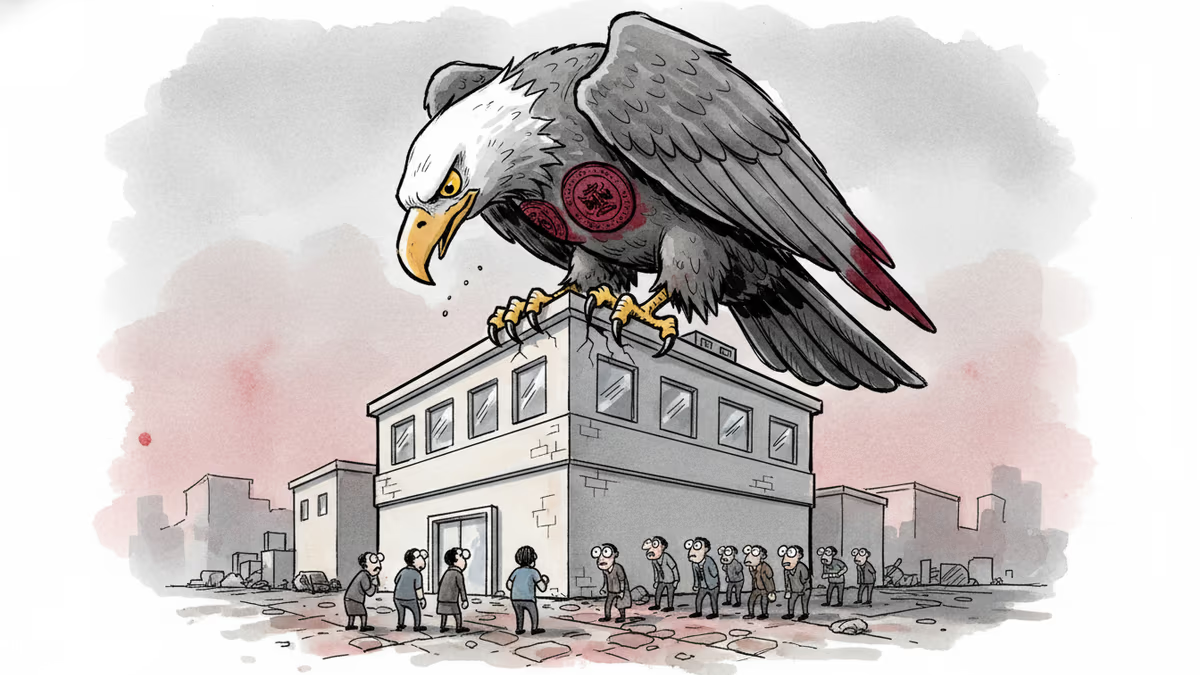
When ICE Moves in Next Door
ICE's secret plan to expand into 150+ office spaces across America, sharing buildings with medical offices and small businesses, raises questions about transparency versus security in government operations.
Your Dentist's New Neighbor
Imagine walking into your doctor's office and sharing an elevator with immigration enforcement agents. That's the reality ICE is quietly creating across America.
The agency has designs on more than 150 office spaces nationwide, including 54 specific addresses now revealed by WIRED. These aren't traditional government buildings. ICE plans to occupy spaces alongside medical offices, small businesses, and community services. Enforcement officers will have cubicles down the street from daycares, within walking distance of churches and treatment centers.
This isn't expansion—it's integration. ICE wants to weave itself into the fabric of American communities, one shared hallway at a time.
The Secret Leasing Spree
Normally, a government leasing program this massive would involve public bids, renovations, and the bureaucratic processes that make government slow but accountable. Not this time.
The General Services Administration was asked to skip standard procedures in favor of "speed and discretion." Internal documents make clear these locations were intended as secrets from day one. With $75 billion at its disposal and 22,000 officers and agents, ICE's Minneapolis operation wasn't an anomaly—it was a blueprint.

The Trump administration moves by design, betting that courts, lawmakers, and journalists can't keep pace. Speed over scrutiny has become the governing principle.
The Transparency Wars
The Department of Justice has grown increasingly aggressive toward journalists, claiming that revealing any information about ICE agents or activities constitutes "doxing." In Minnesota and beyond, ICE and CBP agents treat observers as enemies, with arrests and harassment becoming routine.
But communities have a right to know who their neighbors are, especially when those neighbors wield enforcement power. More than 100 addresses remain unknown, many in high-concentration states like New York and New Jersey. The specific nature of work in these offices, and how long ICE plans to stay, remains unclear.
Democracy in the Shadows
This raises fundamental questions about government accountability. When federal agencies operate in secret, sharing space with private businesses and medical facilities, the line between public safety and public oversight blurs.
Knowing where ICE sets up shop doesn't stop enforcement campaigns, but it gives communities time to prepare. It provides legislators insight into the agency's unchecked scope. Most importantly, it signals that government cannot act with total secrecy, even when it moves at breakneck speed.
Authors
Related Articles
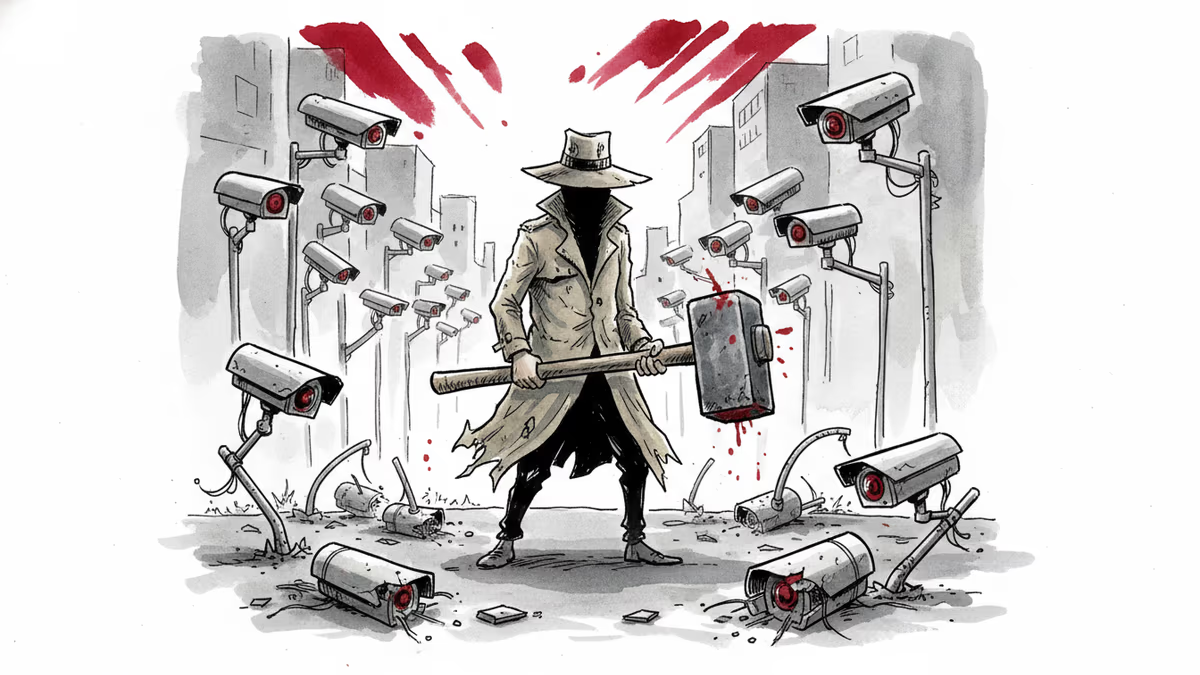
Citizens across the US are destroying Flock surveillance cameras amid immigration enforcement concerns. A grassroots resistance movement is challenging the $7.5B surveillance startup.
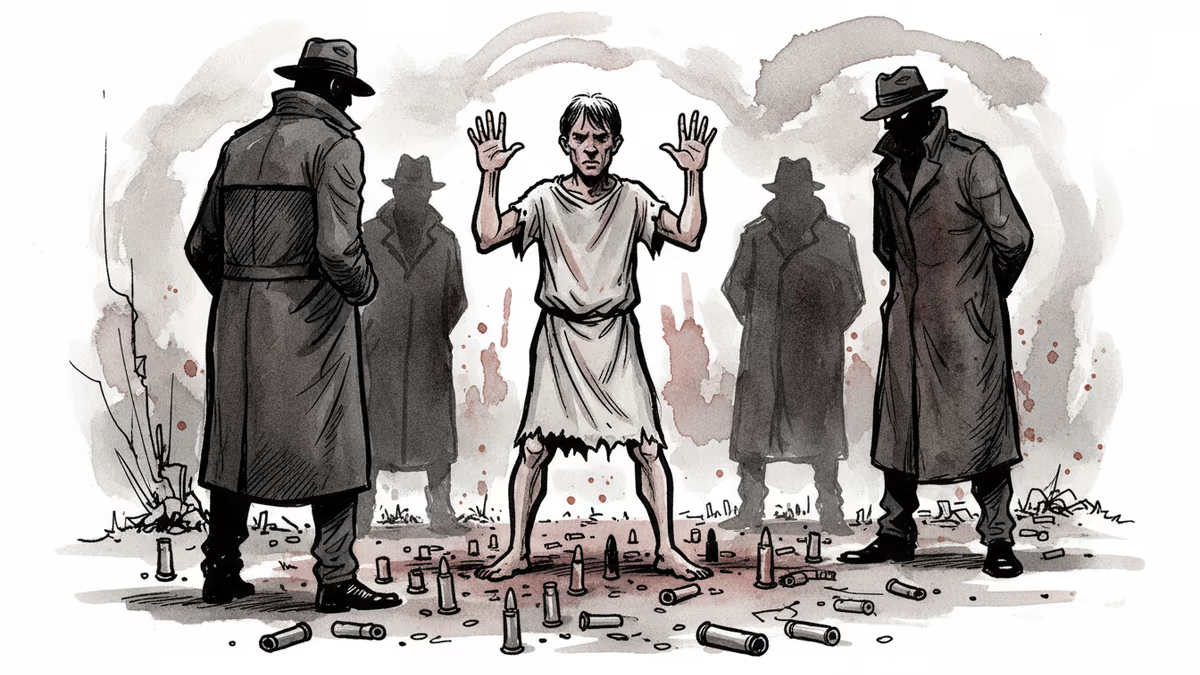
Frame-by-frame video analysis reveals federal agents fired 11 shots at Alex Pretti, challenging official claims of self-defense in a case that questions civil liberties
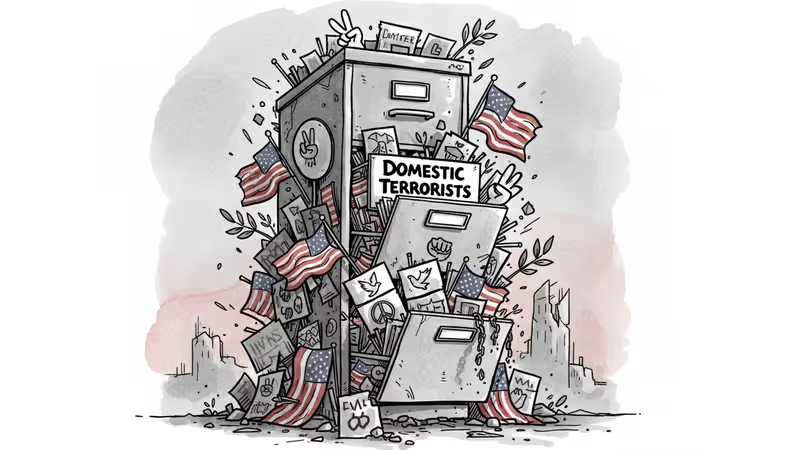
Senator Edward Markey demands ICE confirm or deny existence of database tracking US citizens who protest immigration enforcement. Constitutional violations alleged.
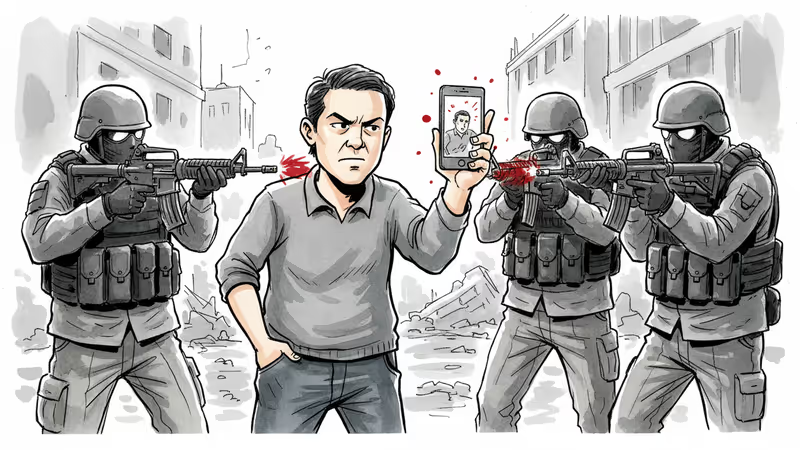
Two Americans died filming ICE agents in Minneapolis, but their footage exposed the truth. The deadly paradox of citizen oversight in Trump's America.
Citizens across the US are destroying Flock surveillance cameras amid immigration enforcement concerns. A grassroots resistance movement is challenging the $7.5B surveillance startup.
Frame-by-frame video analysis reveals federal agents fired 11 shots at Alex Pretti, challenging official claims of self-defense in a case that questions civil liberties
Senator Edward Markey demands ICE confirm or deny existence of database tracking US citizens who protest immigration enforcement. Constitutional violations alleged.
Two Americans died filming ICE agents in Minneapolis, but their footage exposed the truth. The deadly paradox of citizen oversight in Trump's America.
Thoughts
Share your thoughts on this article
Sign in to join the conversation