

The DHS ICE List Doxing Controversy: When Public Data Becomes a Security Threat
Explore the DHS ICE List doxing controversy where 4,500 employee profiles were compiled from public data. Is it a security breach or public info?
A massive leak or just a public directory? Last week, a website called ICE List went viral, claiming to have exposed the personal details of nearly 4,500 Department of Homeland Security (DHS) employees. However, the reality is far more complex than a standard data breach.
Analyzing the DHS ICE List Doxing Controversy
A WIRED analysis revealed that the database isn't built from stolen server files but rather from data that DHS employees posted publicly themselves. Out of 1,580 pages reviewed, nearly 90% cited LinkedIn as their primary source. These "leaked" agents were often just regular users posting New Year’s resolutions or searching for new jobs using the #opentowork hashtag.
Dominick Skinner, the site’s owner, argues it isn't doxing because it doesn't include home addresses. He claims if this were doxing, then everyone doxes themselves just by being online. But the government isn't buying it. DHS has characterized the site as a malicious attempt to harass federal officers, citing a 1,000% increase in assaults against personnel as a reason for extreme caution.

Public Records vs. Digital Privacy
The situation highlights a growing friction between public transparency and operational security. While DHS Secretary Kristi Noem pushes for harsher penalties for those who publicize agents' identities, much of this information is already a matter of public record through court filings and official press releases.
The federal government is even using the fear of doxing as a legal argument to allow agents to wear masks in public, citing the advancement of facial recognition technologies. This suggests that the battle isn't just over a single website, but about how much anonymity a government employee can expect in the digital age.
Authors
Related Articles
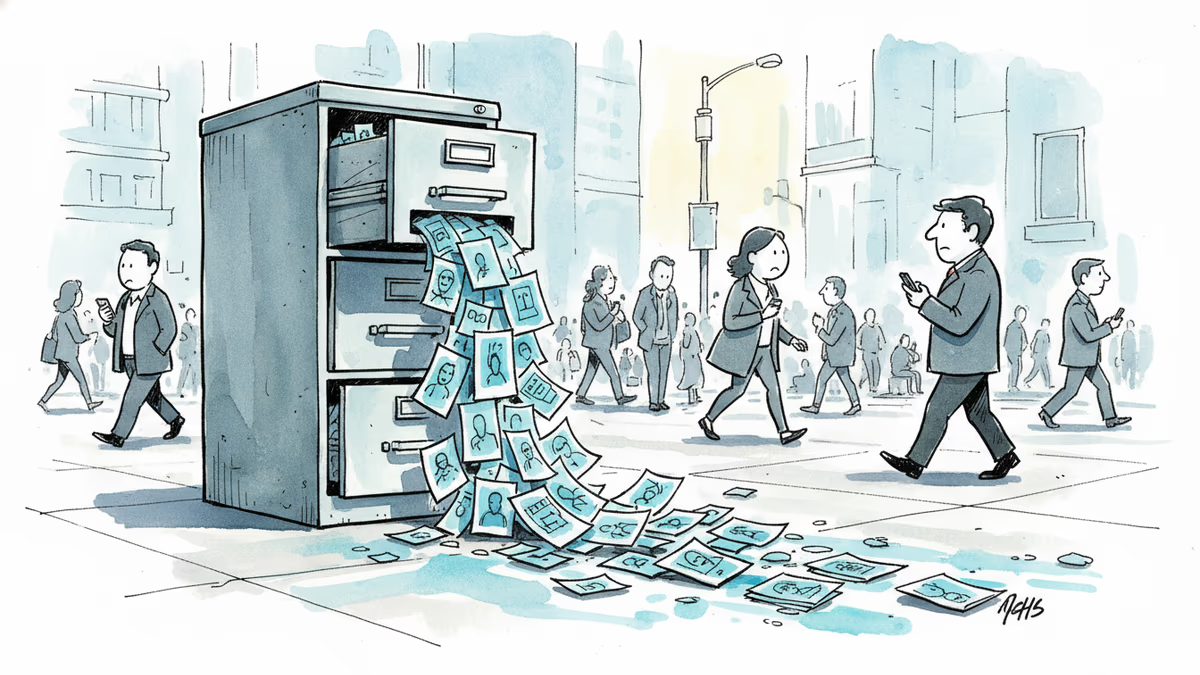
UK Visa Portal, a private immigration service mistaken for an official government site, has been exposing passport scans and selfies of over 100,000 applicants. The breach remains unpatched.
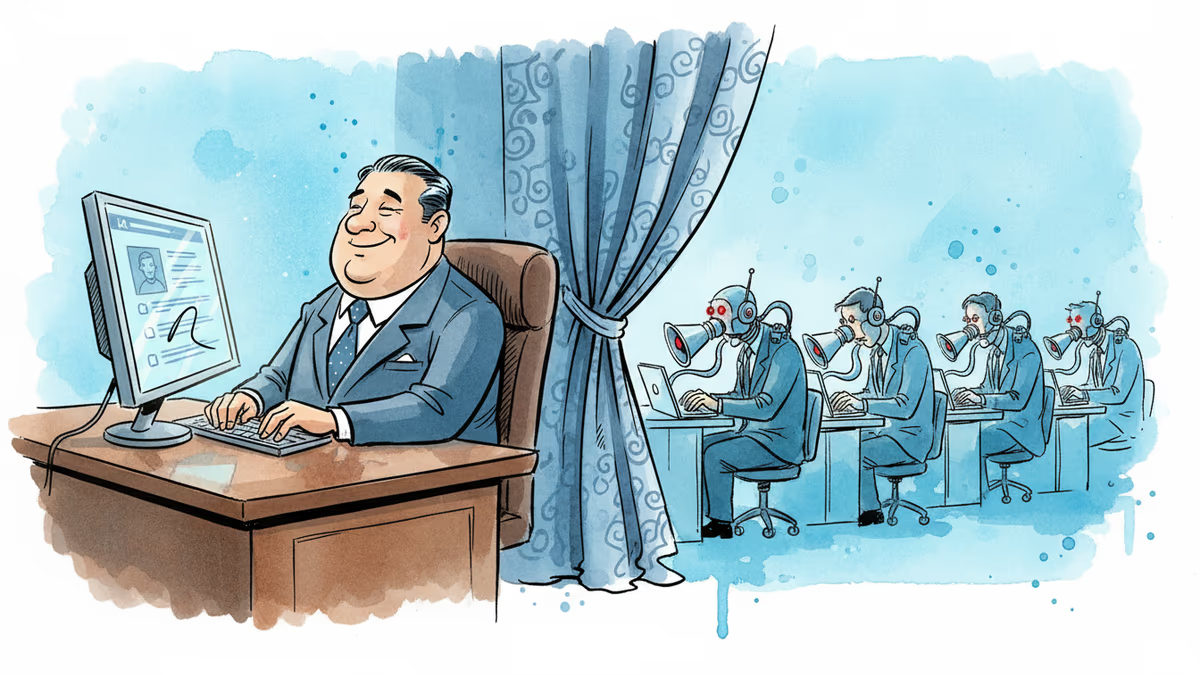
Filipino virtual assistants using AI to ghost-manage LinkedIn profiles for executives is now a structured industry. 30 comments a day, fake engagement rings, and a platform struggling to tell real from fabricated.
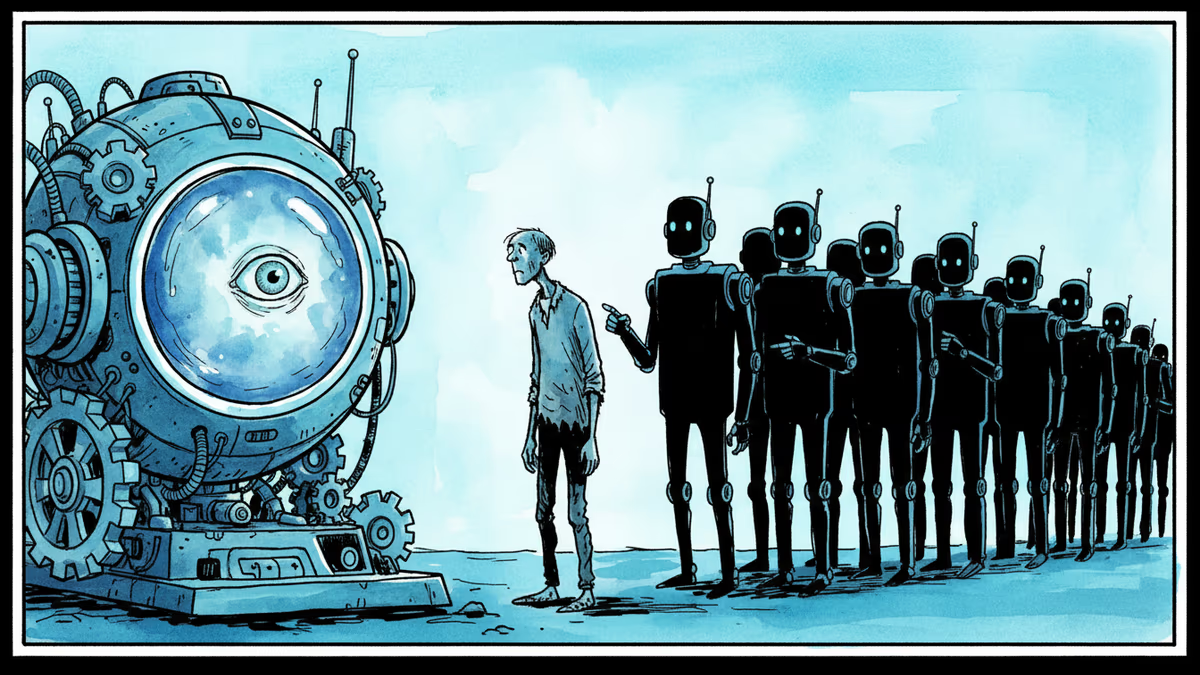
Tinder now rewards users who scan their irises at a World orb with free in-app boosts. As AI agents flood dating apps, 'being human' is becoming a verified status — and a business model.
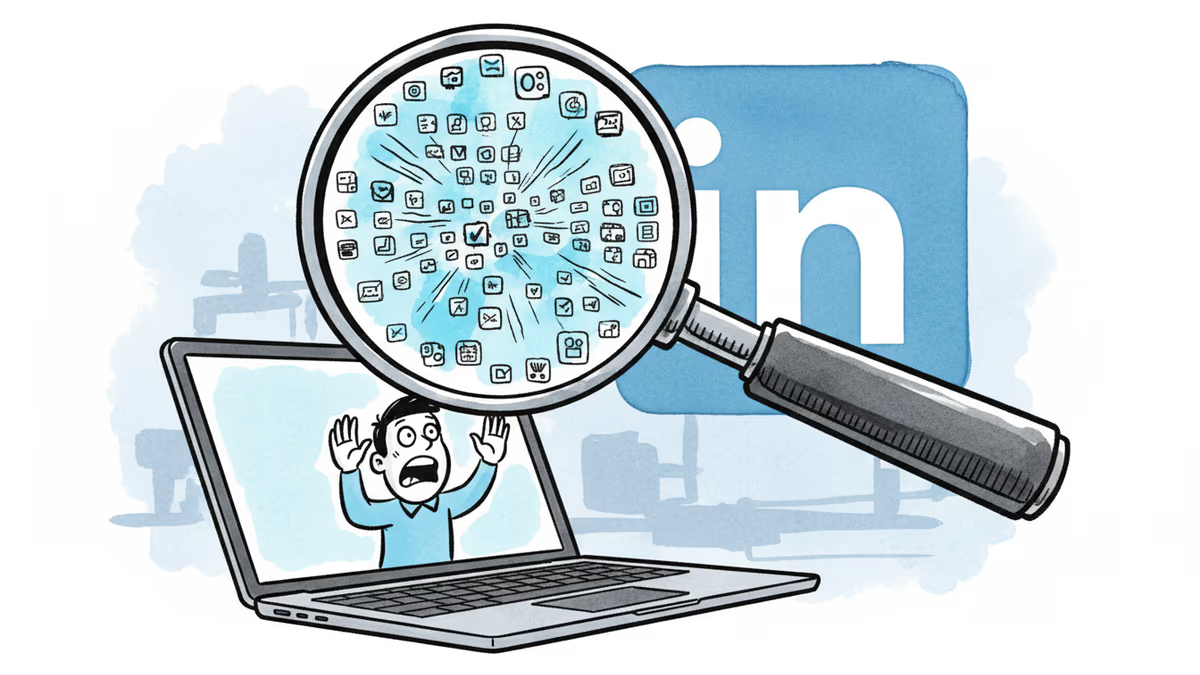
Two class action lawsuits allege LinkedIn secretly scanned users' browsers to identify installed extensions. Here's what happened, who's behind it, and why it matters.
UK Visa Portal, a private immigration service mistaken for an official government site, has been exposing passport scans and selfies of over 100,000 applicants. The breach remains unpatched.
Filipino virtual assistants using AI to ghost-manage LinkedIn profiles for executives is now a structured industry. 30 comments a day, fake engagement rings, and a platform struggling to tell real from fabricated.
Tinder now rewards users who scan their irises at a World orb with free in-app boosts. As AI agents flood dating apps, 'being human' is becoming a verified status — and a business model.
Two class action lawsuits allege LinkedIn secretly scanned users' browsers to identify installed extensions. Here's what happened, who's behind it, and why it matters.
Thoughts
Share your thoughts on this article
Sign in to join the conversation